Which Vacuum Cleaner Is Best for Home and Car?
Choosing the right vacuum cleaner for both home and car cleaning can save time, space, and money. This guide walks you through key factors like power, portability, attachments, and versatility to help you pick the perfect model that handles carpets, upholstery, tight corners, and car interiors with ease.
The best vacuum cleaner for both home and car is a cordless stick/handheld model with good suction, long battery life, and versatile attachments — ideal for floors, carpets, upholstery, and tight car spaces. Top picks include cordless stick vacuums with removable handheld modes (e.g., Dyson V15 Detect or Shark PowerDetect) that handle both household debris and car interiors efficiently. Look for HEPA filters and crevice tools for best results.
Key Takeaways
- Consider cordless models for convenience: Cordless vacuums offer portability and ease of use in both home and car settings without being tied to an outlet.
- Look for versatile attachments: Tools like crevice tools, brush rolls, and upholstery nozzles make cleaning car seats, stairs, and baseboards much more effective.
- Prioritize strong suction power: Effective cleaning—especially on carpets and embedded car dirt—requires consistent, powerful suction.
- Check battery life and runtime: For cordless vacuums, a long-lasting battery (20+ minutes) ensures you can clean your entire car and home without recharging.
- Choose lightweight designs: A lighter vacuum is easier to carry between rooms and maneuver in tight car spaces.
- Opt for easy-to-empty dustbins: Mess-free disposal is essential, especially after cleaning car interiors filled with crumbs and debris.
- Think about storage: Compact or wall-mountable vacuums save space in small homes and garages.
Quick Answers to Common Questions
Tip/Question?
Can a regular home vacuum clean my car?
Most upright vacuums are too bulky for car cleaning. Opt for a cordless stick or handheld model with car-specific attachments for best results.
Tip/Question?
How often should I clean my car with a vacuum?
For most people, vacuuming the car every 1–2 weeks prevents buildup. Increase frequency if you transport kids, pets, or eat in the car.
Tip/Question?
Are cordless vacuums powerful enough for carpets?
Yes—many modern cordless models (like the Shark Vertex) match or exceed corded vacuums in suction power, especially on low-pile carpets.
Tip/Question?
Should I buy a vacuum with a HEPA filter?
If you have allergies, pets, or asthma, a HEPA filter is highly recommended. It traps fine particles that other filters miss.
Tip/Question?
Can I use my vacuum on wet spills?
Only if it’s labeled as a wet/dry vacuum. Most home vacuums are not designed for liquids and can be damaged or pose a shock risk.
Introduction: Why You Need One Vacuum for Home and Car
Keeping your home and car clean doesn’t have to mean buying two separate vacuums. In fact, using one high-quality, versatile vacuum cleaner can simplify your cleaning routine, save storage space, and reduce costs. Whether you’re tackling crumbs under the sofa or sand in the footwell of your car, the right vacuum can handle both with ease.
In this guide, we’ll help you find the best vacuum cleaner for home and car use by breaking down what to look for, comparing top types, and offering practical tips. You’ll learn how to evaluate suction power, portability, attachments, and more—so you can make a smart, informed decision.
Step 1: Understand Your Cleaning Needs
Before shopping, think about how and where you’ll use your vacuum. Do you have pets? Hard floors or carpets? A compact car or a large SUV? Answering these questions helps narrow your options.
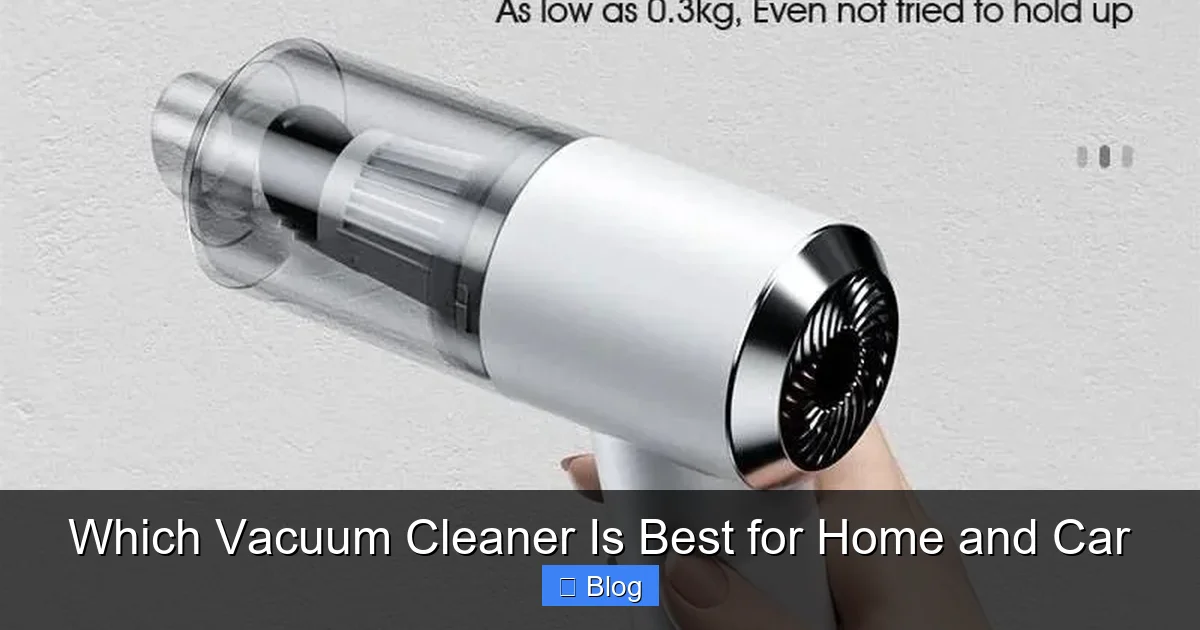
Visual guide about Which Vacuum Cleaner Is Best for Home and Car
Image source: technoant.co
Assess Your Home Environment
- Flooring type: Hardwood, tile, and laminate need different care than thick carpets. Some vacuums switch modes automatically.
- Pets and allergies: If you have furry friends or allergy sufferers, look for HEPA filters that trap dust and dander.
- Stairs and tight spaces: A lightweight, maneuverable vacuum is essential for cleaning stairs, under furniture, and baseboards.
Evaluate Your Car’s Cleaning Challenges
- Upholstery type: Fabric seats collect more debris than leather, requiring stronger suction and brush tools.
- Tight spaces: Cup holders, seat gaps, and under pedals need specialized attachments.
- Frequency of use: If you clean your car weekly, a quick-charge cordless model is ideal.
Step 2: Choose the Right Type of Vacuum
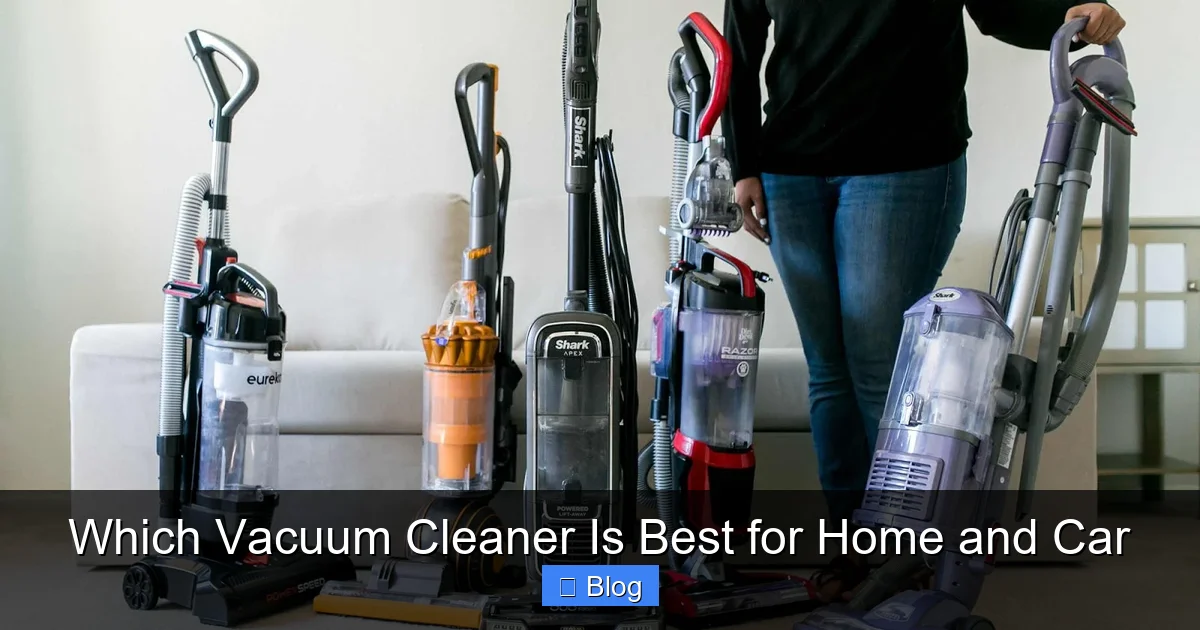
Not all vacuums are created equal. Here are the most common types and how they perform for home and car cleaning.
Visual guide about Which Vacuum Cleaner Is Best for Home and Car
Image source: 1.bp.blogspot.com
Cordless Stick Vacuums
These are the most popular choice for dual use. Lightweight, portable, and often come with multiple attachments. Brands like Dyson, Shark, and Tineco offer models with strong suction and long battery life.
Best for: Quick home cleanups and frequent car detailing. Ideal if you want one vacuum for daily use.
Handheld Vacuums
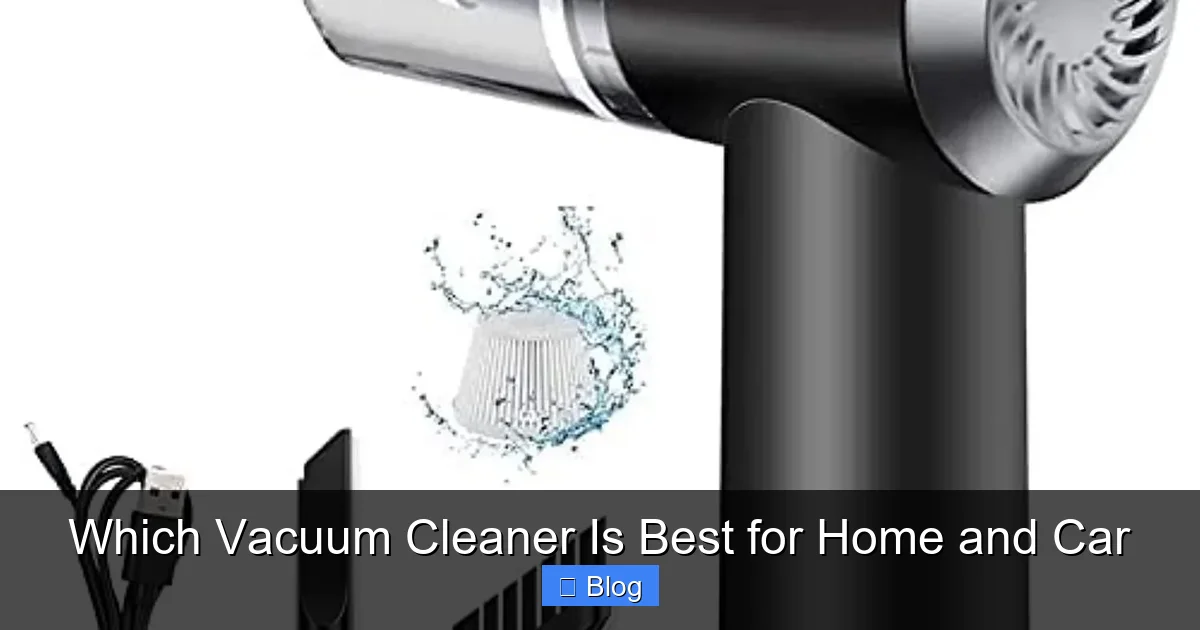
Compact and easy to store, handheld vacuums are perfect for spot cleaning and car interiors. Many are cordless and rechargeable.
Best for: Small messes, car cleaning, and hard-to-reach areas. Less ideal for whole-home cleaning unless used as a supplement.
Robot Vacuums with Car Kits
Some advanced robot vacuums (like the Roborock S8) offer optional handheld modes or portable units for cars. While not common, they’re great for tech-savvy users.
Best for: Automated home cleaning with occasional car use. Requires extra investment.
Wet/Dry (Shop) Vacuums
These heavy-duty vacuums can handle liquid spills and large debris. Some come with car adapters.
Best for: Garages, workshops, and cars with muddy or wet messes. Overkill for light home use.
Step 3: Focus on Key Features
Once you’ve narrowed the type, compare models based on these essential features.
Suction Power
Measured in air watts (AW) or kPa, suction power determines how well a vacuum picks up dirt. For home and car use, aim for at least 100 AW or 15 kPa.
Tip: Look for vacuums with adjustable suction—lower for delicate surfaces, higher for deep cleaning.
Battery Life and Charging
Cordless vacuums should offer at least 20–30 minutes of runtime on a single charge. Quick-charge features (0–100% in under 3 hours) are a bonus.
Example: The Dyson V15 Detect runs up to 60 minutes in eco mode—perfect for cleaning a car and a few rooms.
Attachments and Accessories
The right tools make all the difference. Look for:
- Crevice tool: For seat gaps and baseboards.
- Motorized brush roll: Lifts pet hair from carpets and car mats.
- Upholstery tool: Gentle on fabric seats and curtains.
- Flexible hose: Reaches under car seats and furniture.
Filtration System
A good filter traps dust and allergens. HEPA filters are the gold standard, capturing 99.97% of particles as small as 0.3 microns.
Why it matters: Especially important if you have allergies or pets that shed.
Weight and Portability
A vacuum under 6 pounds is easier to carry from room to room and into your car. Ergonomic handles and balanced designs reduce strain.
Step 4: Compare Top Models for Home and Car
Here are three standout vacuums that excel in both environments.
Dyson V15 Detect
- Pros: Laser dust detection, powerful suction, HEPA filter, 60-minute runtime, multiple attachments.
- Cons: Expensive, heavier than some handhelds.
- Best for: Tech lovers who want top-tier performance at home and in the car.
Shark Vertex Pro Cordless
- Pros: Dual brush rolls, 60-minute runtime, lightweight, affordable for its power.
- Cons: Dustbin is smaller than some competitors.
- Best for: Families needing strong suction on carpets and car interiors.
Black+Decker Dustbuster AdvancedClean+
- Pros: Compact, affordable, great for cars and quick cleanups, washable filter.
- Cons: Limited battery life (15–20 minutes), weaker on thick carpets.
- Best for: Budget-conscious users who prioritize car cleaning.
Step 5: Maintenance and Troubleshooting
Even the best vacuum needs care to perform well. Follow these tips to keep it running smoothly.
Empty the Dustbin Regularly
Don’t wait until it’s full. Empty after every few uses to maintain suction and prevent odors.
Clean Filters Monthly
Rinse washable filters under water and let them dry completely before reinserting. Replace non-washable filters every 6–12 months.
Check for Blockages
If suction drops, check the hose, brush roll, and intake for clogs—especially after vacuuming hair or string.
Store Properly
Keep your vacuum in a dry place. Use wall mounts or storage hooks to save space and protect the battery.
Conclusion: Make the Smart Choice
Finding the best vacuum cleaner for home and car doesn’t have to be overwhelming. By focusing on your needs—like suction power, portability, and the right attachments—you can choose a model that keeps both your living space and vehicle spotless with minimal effort.
Whether you go for a high-end cordless stick like the Dyson V15 or a budget-friendly handheld like the Black+Decker, the key is versatility. Invest in a vacuum that adapts to different surfaces, fits in tight spaces, and makes cleaning feel less like a chore.
With the right tool in hand, you’ll spend less time cleaning and more time enjoying a fresh, tidy home and car.