Should You Wash or Vacuum Your Car First
Cleaning your car in the right order saves time and prevents scratches. This guide reveals whether you should wash or vacuum first—and why the sequence matters for a truly clean ride.
Key Takeaways
- Vacuum before washing: Removing loose dirt and debris from the interior first prevents tracking grime onto a freshly cleaned exterior.
- Wash the exterior after vacuuming: This avoids cross-contamination and ensures a smoother, scratch-free wash.
- Start with dry cleaning: Always remove dry dirt before using water or soap to prevent swirl marks on paint.
- Use separate tools: Keep microfiber towels, brushes, and vacuums dedicated to interior and exterior use to avoid spreading dirt.
- Finish with detailing: After washing and vacuuming, apply wax, tire shine, or interior protectant for a professional look.
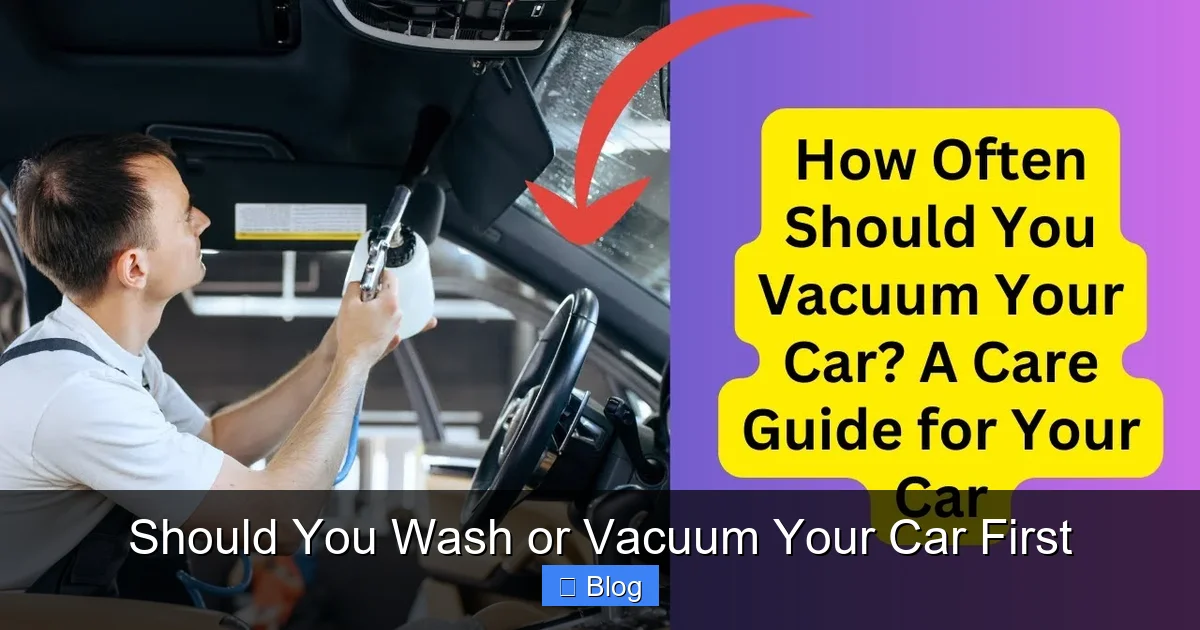
- Frequency matters: Wash your car every 2–4 weeks and vacuum weekly to maintain cleanliness and resale value.
- Environment impacts order: In dusty or muddy conditions, prioritize vacuuming more often to reduce interior buildup.
Quick Answers to Common Questions
Tip/Question?
Should I use household cleaners on my car interior?
No—household cleaners can damage surfaces. Use products specifically designed for automotive interiors to avoid discoloration or cracking.
Tip/Question?
Can I skip drying my car after washing?
It’s not recommended. Skipping drying leads to water spots, especially in areas with hard water. Always dry with a microfiber towel.
Tip/Question?
Is it okay to wash my car in direct sunlight?
Avoid it if possible. Sunlight causes soap and water to dry quickly, leading to streaks and spots. Wash in the shade or during cooler parts of the day.
Tip/Question?
Do I need to wax my car after every wash?
No—wax every 3–6 months is sufficient. Over-waxing isn’t harmful but isn’t necessary. Focus on washing and drying properly between wax jobs.
Tip/Question?
Can I use a regular vacuum for car cleaning?
Yes, but a vacuum with attachments (like a crevice tool and brush) works best for tight spaces and delicate surfaces.
Troubleshooting Common Cleaning Mistakes
Even with the best intentions, things can go wrong. Here’s how to fix common issues:
Problem: Swirl Marks on Paint
This usually happens when you wash with dirty tools or skip the rinse step. Always rinse the car first and use the two-bucket method. Replace old or abrasive wash mitts.
Problem: Dirt Tracked Into Clean Interior
You likely washed the exterior first. Always vacuum before washing. If it happens, do a quick spot vacuum and wipe-down.
Problem: Streaks on Windows
Use a dedicated glass cleaner and a lint-free cloth. Avoid cleaning windows in direct sunlight, which causes fast drying and streaks.
Problem: Vacuum Losing Suction
Empty the canister or replace the bag. Check for clogs in the hose or attachments. Regular maintenance keeps your vacuum working efficiently.
Problem: Soap Residue Left on Car
Rinse thoroughly from top to bottom. Use a hose with good pressure or a pressure washer on a low setting.
How Often Should You Clean Your Car?
Visual guide about Should You Wash or Vacuum Your Car First
Image source: thespruce.com
Should You Wash or Vacuum Your Car First? The Right Order Explained
Visual guide about Should You Wash or Vacuum Your Car First
Image source: static.wixstatic.com
So you’ve decided to give your car a thorough cleaning—great choice! But before you grab the sponge or the vacuum hose, pause for a moment. Have you ever wondered whether you should wash or vacuum your car first? It might seem like a minor detail, but the order in which you clean can make a big difference in both efficiency and results.
Many car owners make the mistake of washing the exterior first, only to track muddy shoes or dusty feet into a freshly vacuumed interior. Others vacuum first but then end up with dirt from the floor mats getting splashed during the wash. The truth is, there’s a smart, logical sequence that minimizes rework, protects your paint, and keeps your cabin spotless.
In this guide, you’ll learn the correct order to clean your car, why it matters, and how to do it like a pro—whether you’re doing a quick weekend refresh or a deep seasonal clean. We’ll walk you through step-by-step instructions, share practical tips, and even help you troubleshoot common cleaning mistakes.
By the end, you’ll know exactly whether to wash or vacuum your car first—and how to get the best results every time.
Why the Order Matters: The Science of Car Cleaning
Cleaning your car isn’t just about making it look good—it’s about protecting it. Dirt, dust, and grime aren’t just unsightly; they can damage your paint, upholstery, and even mechanical components over time. That’s why the sequence of your cleaning routine is so important.
When you vacuum your car’s interior first, you remove loose particles from carpets, seats, and crevices. This prevents you from tracking that dirt onto your freshly washed exterior when you open doors or step near the car. It also means your floor mats and seats stay cleaner longer.
On the flip side, if you wash the exterior first and then vacuum, you risk dragging wet or muddy shoes into the car, undoing your hard work. Plus, water and soap residue can drip onto recently cleaned seats or carpets, creating stains or unpleasant odors.
Another key reason to vacuum first: dry debris is easier to remove than wet, caked-on mud. By tackling the interior while everything is dry, you avoid turning dust into sludge when you later wash the outside.
Finally, consider cross-contamination. Using the same brush or cloth on both interior and exterior surfaces can transfer grease, pollen, or road salt into your cabin. Separating your tools and steps helps maintain hygiene and cleanliness.
Step-by-Step: The Correct Car Cleaning Sequence
Now that you understand why order matters, let’s break down the ideal cleaning process. Follow these steps for a thorough, efficient, and damage-free clean.
Step 1: Gather Your Supplies
Before you start, make sure you have everything you need. This prevents mid-clean interruptions and keeps your workflow smooth.
You’ll need:
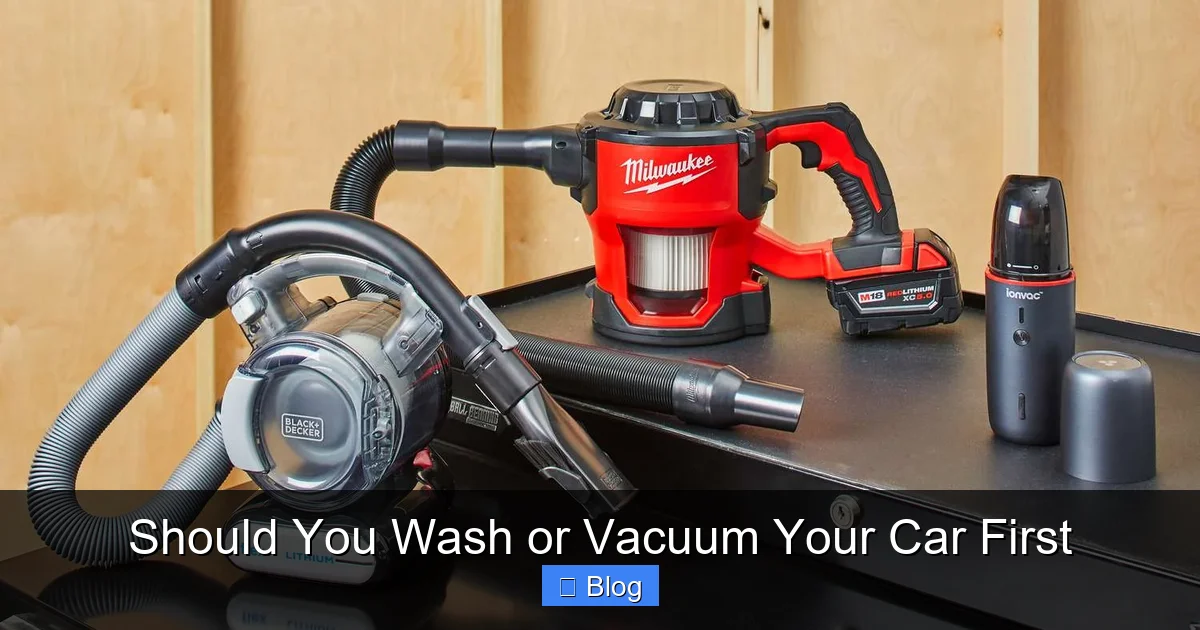
– A high-quality vacuum with attachments (crevice tool, brush nozzle)
– Microfiber towels (separate sets for interior and exterior)
– Interior cleaner (for dash, vents, and hard surfaces)
– Upholstery cleaner (for fabric or leather seats)
– Glass cleaner and lint-free cloths
– Car wash soap (never use dish soap—it strips wax!)
– Two buckets (one for soap, one for rinse water)
– Wash mitt or sponge
– Hose with spray nozzle or pressure washer
– Drying towel (preferably microfiber)
– Optional: tire brush, wheel cleaner, wax, tire shine
Step 2: Vacuum the Interior First
Start with the inside of your car. This is the golden rule: vacuum before you wash.
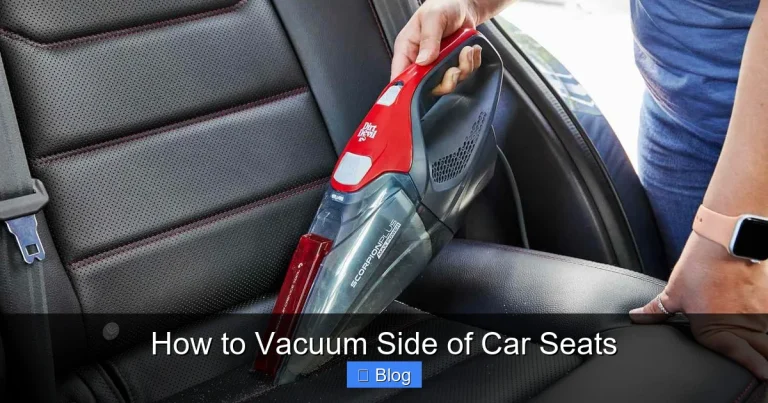
Begin by removing floor mats and shaking them out. Then, use the vacuum’s crevice tool to clean between seats, under pedals, and around seatbelt buckles. Use the brush attachment for fabric seats and carpets to lift embedded dirt.
Don’t forget the trunk! Debris often accumulates there, and it’s easy to overlook.
Pro tip: Vacuum in sections—front seats, back seats, floor, trunk—to stay organized and ensure you don’t miss spots.
Step 3: Clean Interior Surfaces
After vacuuming, wipe down all hard surfaces. Use an interior cleaner and a microfiber cloth to clean the dashboard, steering wheel, center console, door panels, and vents.
For leather seats, use a leather-specific cleaner and conditioner to prevent cracking. For fabric seats, apply upholstery cleaner and gently scrub with a soft brush.
Finish by cleaning the windows with glass cleaner and a lint-free cloth for a streak-free shine.
Step 4: Wash the Exterior
Now that the interior is clean, move to the outside. Start by rinsing the car with water to remove loose dirt. This prevents scratching during the wash.
Use the two-bucket method: one bucket with soapy water, one with clean rinse water. Dip your wash mitt into the soap bucket, wash one section at a time (e.g., front hood, then doors, then rear), and rinse the mitt in the clean water before re-soaping. This minimizes swirl marks.
Pay special attention to wheels and tires, which collect brake dust and grime. Use a dedicated wheel brush and cleaner.
Step 5: Rinse and Dry
Rinse the car thoroughly from top to bottom to remove all soap. Then, dry it with a clean microfiber drying towel. Drying prevents water spots, especially in hard water areas.
Step 6: Final Touches
Apply wax for paint protection and shine. Use tire shine for a glossy finish on rubber. Reinstall floor mats and give the interior a final wipe-down if needed.
Tools and Materials: At a Glance
| Tool | Purpose | When to Use |
|---|---|---|
| Vacuum with attachments | Removes dust, crumbs, and debris from carpets and seats | First step—before washing |
| Microfiber towels (interior set) | Wipes down dash, console, and glass without scratching | After vacuuming, before washing exterior |
| Car wash soap | Cleans paint safely without stripping wax | During exterior wash |
| Two buckets | Prevents dirt from re-entering wash mitt | During exterior wash |
| Drying towel | Removes water to prevent spots | After rinsing |
| Wax | Protects paint and adds shine | Final step, after drying |
Cleaning frequency depends on your environment and usage. Here’s a general guide:
– Vacuum interior: Weekly or bi-weekly, especially if you drive with kids, pets, or eat in the car.
– Wash exterior: Every 2–4 weeks. More often if you drive on dirt roads, in salty winter conditions, or during pollen season.
– Deep clean (interior + exterior): Every 3–6 months, including leather conditioning, waxing, and upholstery treatment.
Regular cleaning not only keeps your car looking great but also protects its value and extends its lifespan.
Final Thoughts: The Right Order Makes All the Difference
So, should you wash or vacuum your car first? The answer is clear: vacuum first, then wash. This simple sequence prevents cross-contamination, saves time, and delivers a cleaner, more professional result.
By following the steps in this guide—starting with interior vacuuming, moving to surface cleaning, then tackling the exterior with proper tools and techniques—you’ll maintain your car’s appearance and protect its surfaces from damage.
Remember, consistency is key. Make car cleaning a regular habit, and your vehicle will thank you with a longer life, better resale value, and a more enjoyable driving experience.
Now grab your vacuum, your soap, and get cleaning—the right way.