Should I Wash or Vacuum My Car First
Wondering whether to wash or vacuum your car first? The right order saves time, prevents scratches, and ensures a deeper clean. This guide breaks down the best approach, step-by-step, so you get professional results at home.
Key Takeaways
- Vacuum first, then wash: Removing interior dirt and debris before washing prevents cross-contamination and keeps your wash water cleaner.
- Start with the interior: Vacuuming first allows you to focus on seats, carpets, and crevices without worrying about water splashing inside.
- Wash from top to bottom: Always clean the roof, windows, and body panels before wheels and undercarriage to avoid redepositing grime.
- Use separate tools: Keep microfiber towels, brushes, and sponges dedicated to interior and exterior use to prevent scratches and bacteria transfer.
- Protect surfaces while working: Cover vents, cup holders, and electronics when washing nearby to avoid water damage.
- Finish with drying and detailing: Dry the exterior thoroughly and apply protectants to maintain shine and longevity.
- Frequency matters: Vacuum weekly and wash every 2–4 weeks depending on weather, driving conditions, and vehicle use.
Quick Answers to Common Questions
Tip/Question?
Can I use household cleaners on my car interior?
No—household cleaners can damage surfaces. Use products specifically designed for automotive interiors to avoid fading, cracking, or residue buildup.
Tip/Question?
How often should I vacuum my car?
Aim to vacuum at least once a week, especially if you eat in the car or have pets. Deep clean every 2–4 weeks.
Tip/Question?
Is it okay to wash my car in direct sunlight?
No—sunlight causes water and soap to dry too quickly, leading to spots and streaks. Wash in the shade or during cooler parts of the day.
Tip/Question?
Can I use a pressure washer?
Yes, but use a wide spray pattern and keep the nozzle at least 12 inches away to avoid damaging paint or seals.
Tip/Question?
Do I need to wax my car after every wash?
No—wax every 3–6 months is sufficient. Over-waxing can build up residue. Use a spray detailer between waxes for shine.
Troubleshooting Common Cleaning Mistakes
Even with the best plan, things can go wrong. Here’s how to fix common issues:
Water Spots on Windows or Paint
These happen when water dries before you wipe it off. Always dry your car immediately after rinsing. Use a water softener or deionized water if you live in a hard water area.
Scratches or Swirl Marks
Caused by using dirty wash mitts or washing in direct sunlight. Use the two-bucket method and wash in the shade. Replace worn mitts regularly.
Vacuum Not Picking Up Dirt
Check the filter and empty the canister. Use the right attachment for the surface—brush for carpets, crevice tool for tight spaces.
Interior Smells Musty
This often means moisture is trapped. After cleaning, leave windows slightly open (if safe) to air out the cabin. Use a dehumidifier pack or odor absorber.
Soap Residue Left on Car
Rinse thoroughly and use a clean microfiber towel to wipe down problem areas. Avoid using too much soap.
When to Break the Rules
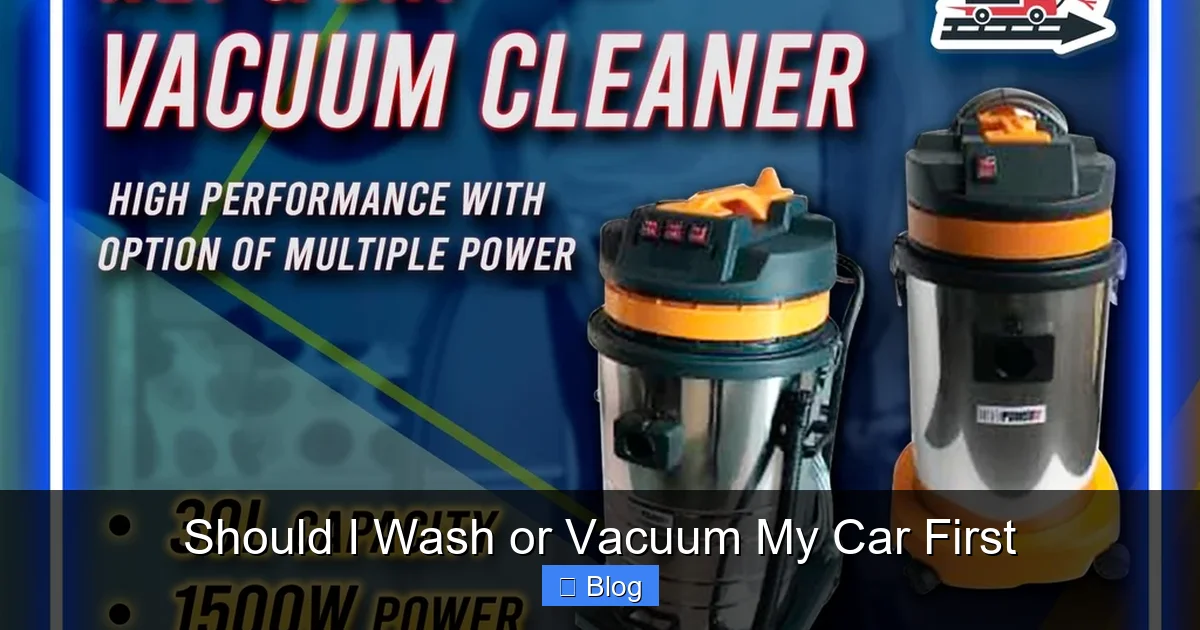
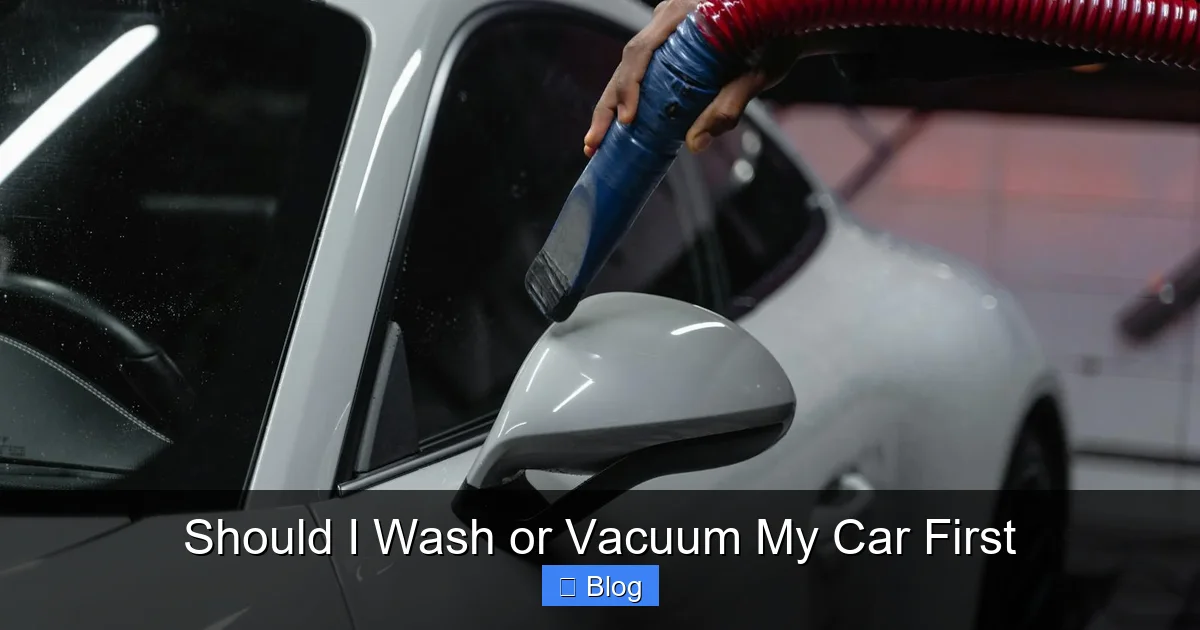
Visual guide about Should I Wash or Vacuum My Car First
Image source: down-my.img.susercontent.com
Should I Wash or Vacuum My Car First? The Right Order Explained
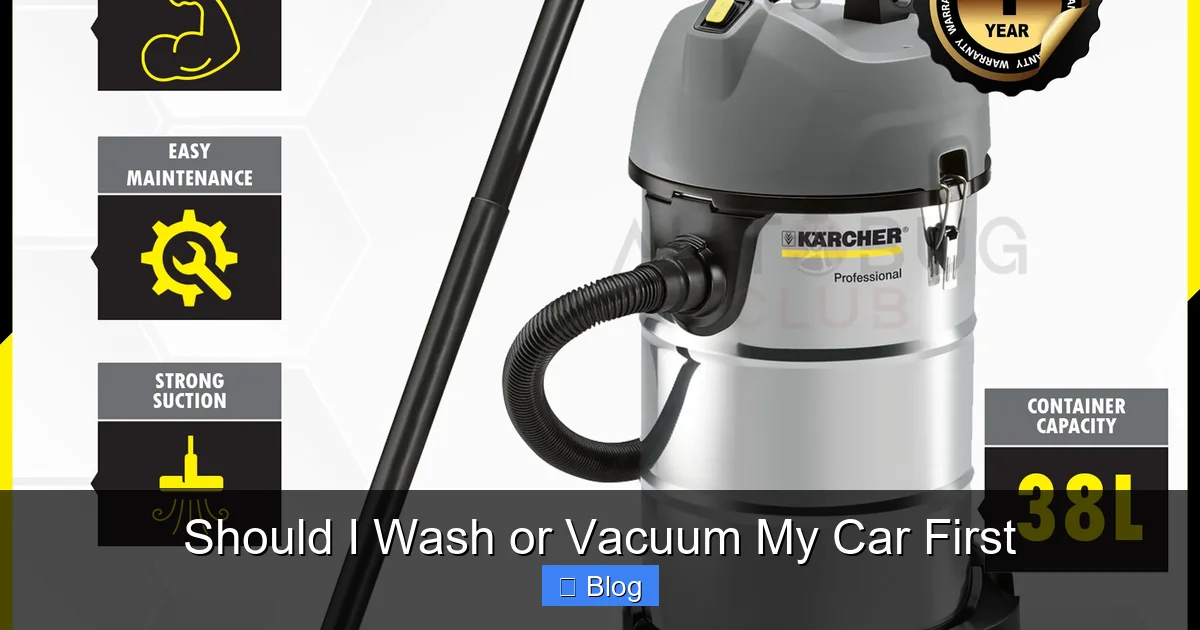
Visual guide about Should I Wash or Vacuum My Car First
Image source: my-test-11.slatic.net
If you’ve ever stood in your driveway with a bucket in one hand and a vacuum in the other, wondering where to start, you’re not alone. The question “Should I wash or vacuum my car first?” is one of the most common dilemmas among car owners who want a thorough, efficient clean. The good news? There’s a clear answer—and following the right sequence makes a big difference in both results and effort.
In this guide, you’ll learn the best order for cleaning your car, why it matters, and how to do it like a pro. Whether you’re a weekend warrior or a daily driver, this step-by-step approach will help you save time, protect your vehicle’s finish, and enjoy a truly spotless ride.
Why the Order Matters
Cleaning your car isn’t just about making it look good—it’s about preserving its value, preventing damage, and creating a healthier environment inside. The order in which you clean plays a crucial role in achieving these goals.
If you wash your car first and then vacuum, you risk tracking wet, muddy water into the interior. Water can seep into carpets, under seats, and into electrical components, leading to mold, odors, or even short circuits. Plus, wet floors make vacuuming less effective and can damage your machine.
On the other hand, vacuuming first removes loose dirt, crumbs, and debris from the cabin. This prevents you from grinding that dirt into your carpets or seats during the wash. It also means your wash water stays cleaner longer, reducing the chance of swirl marks and scratches on your paint.
In short: vacuum first, then wash. This sequence is the golden rule of car cleaning.
Step-by-Step: How to Clean Your Car the Right Way
Follow this proven process to get the best results every time.
Step 1: Gather Your Supplies
Before you begin, make sure you have everything you need. Having the right tools on hand saves time and prevents mid-clean trips to the garage.
You’ll need:
– A high-quality vacuum with attachments (crevice tool, brush nozzle)
– Microfiber towels (separate sets for interior and exterior)
– Interior cleaner (for dash, vents, and trim)
– Glass cleaner
– Car wash soap (never use dish soap—it strips wax)
– Two buckets (one for soap, one for rinse water)
– Wash mitt or sponge
– Hose with spray nozzle or pressure washer (optional)
– Drying towels or a microfiber drying cloth
– Wheel cleaner and brush
– Optional: tire shine, wax, or sealant
Step 2: Vacuum the Interior First
Start inside the car. Open all doors and remove floor mats. Shake them out or use the vacuum’s hose attachment to remove loose dirt.
Use the crevice tool to clean between seats, under pedals, and around cup holders. Vacuum seats thoroughly—upholstery, leather, or fabric—using the brush attachment to lift embedded dirt. Don’t forget the trunk, door pockets, and under the seats.
Pro tip: Vacuum in sections. Start from the top (headliner, sun visors) and work your way down to avoid missing spots.
Step 3: Clean Interior Surfaces
After vacuuming, wipe down all interior surfaces. Use a dedicated interior cleaner for the dashboard, steering wheel, center console, and door panels. Avoid spraying directly onto electronics—spray onto a microfiber cloth instead.
Clean windows with a glass cleaner and a lint-free cloth. Polish for a streak-free finish.
Step 4: Wash the Exterior
Now it’s time to tackle the outside. Start by rinsing the car with water to remove loose dirt and debris. This prevents scratching during the wash.
Use the two-bucket method: one with soapy water, one with clean rinse water. Dip your wash mitt into the soap bucket, wash a section, then rinse the mitt in the clean water before re-dipping. This minimizes dirt transfer.
Wash from top to bottom: roof, windows, hood, fenders, doors, and finally the lower panels and wheels. Wheels collect the most grime, so clean them last to avoid contaminating cleaner areas.
Step 5: Rinse and Dry
Rinse the car thoroughly with clean water. Start from the top and work down, ensuring all soap is removed.
Dry the car immediately using clean, absorbent microfiber towels. Drying prevents water spots, especially in hard water areas.
Step 6: Apply Protectants and Finishing Touches
Once dry, apply tire shine for a glossy finish. If desired, apply wax or sealant to protect the paint and enhance shine. Use a separate applicator pad and buff with a clean microfiber cloth.
Finally, reinstall floor mats and give the interior a final wipe-down if needed.
Quick Reference: Cleaning Order & Time Estimate
| Step | Action | Estimated Time |
|---|---|---|
| 1 | Vacuum interior (seats, carpets, crevices) | 15–20 minutes |
| 2 | Clean interior surfaces and windows | 10–15 minutes |
| 3 | Rinse exterior with water | 5 minutes |
| 4 | Wash exterior (top to bottom) | 20–30 minutes |
| 5 | Rinse and dry thoroughly | 10–15 minutes |
| 6 | Apply tire shine and wax (optional) | 10 minutes |
While “vacuum first, then wash” is the standard, there are exceptions.
If you’ve just driven through mud or snow and the exterior is caked in grime, do a quick pre-rinse before vacuuming. This prevents tracking sludge into your clean interior.
Similarly, if you’re only doing a quick interior refresh—like vacuuming after a trip—you can skip the full wash. But for a complete clean, stick to the recommended order.
Conclusion: A Cleaner Car, Every Time
So, should you wash or vacuum your car first? The answer is clear: vacuum first, then wash. This order protects your interior, keeps your wash water cleaner, and delivers a more thorough, professional result.
By following this guide, you’ll not only save time and effort but also extend the life of your vehicle’s paint, upholstery, and interior components. A little planning goes a long way—and your car will thank you with a lasting shine.
Make this process part of your regular maintenance routine, and you’ll enjoy a cleaner, healthier, and more valuable vehicle for years to come.