How to Vacuum Car Without a Vacuum
Keeping your car clean doesn’t require a vacuum cleaner. This guide shows you simple, effective methods to vacuum your car without a vacuum using everyday tools like brooms, lint rollers, and compressed air. You’ll learn step-by-step techniques to tackle seats, floors, and crevices for a fresh ride every time. (78 words)
Key Takeaways
- Prepare your space: Always park in a shaded area and gather tools like brushes and lint rollers to make the process efficient.
- Start with mats: Remove and shake out floor mats first to remove loose dirt before deeper cleaning.
- Use compressed air for crevices: This method blasts away dust from hard-to-reach spots without any sucking power.
- Lint rollers for upholstery: They’re great for picking up pet hair and small debris on seats and carpets.
- Broom for large areas: A soft-bristled broom sweeps floors effectively, mimicking vacuum action.
- Finish with wiping: Damp cloths or microfiber towels capture remaining dust for a polished look.
- Regular maintenance: These techniques work best as part of weekly cleaning to prevent buildup.
Quick Answers to Common Questions
Can I use a hairdryer instead of compressed air?
Yes! Set it to cool air and hold it close to crevices. It blows out dust effectively, though it’s not as powerful as a can for deep spots.
What’s the best way to handle wet dirt?
Let it dry first, then sweep or brush. Blot excess moisture with towels to avoid spreading mud around your car.
How often should I clean without a vacuum?
Aim for weekly touch-ups. It prevents buildup and makes full cleans easier every month or so.
Is baking soda safe for all surfaces?
Mostly yes, but skip it on leather—opt for a damp cloth instead. Always test in a small area to be sure.
Tip: Prevent mess in the first place?
Use removable seat covers and floor liners. They catch dirt, making your no-vacuum cleanups quicker and less frequent.
Introduction
Ever looked at your car’s interior and thought, “I need to vacuum this mess,” only to realize your vacuum cleaner is broken or unavailable? Don’t worry! Learning how to vacuum your car without a vacuum is easier than you think. This guide will walk you through practical, budget-friendly methods using items you likely have at home. Whether it’s crumbs from lunch, pet hair, or dust from open windows, you’ll end up with a spotless ride.
By the end, you’ll know step-by-step techniques to clean every nook and cranny. No fancy equipment needed—just a bit of elbow grease and creativity. Let’s dive in and get your car looking new again.
Gather Your Tools and Prepare
Before you start cleaning, preparation is key. It sets you up for success and saves time. Park your car in a shaded spot to avoid direct sunlight, which can make interiors hot and dusty particles stickier. Open all doors and windows for good airflow—this helps debris escape instead of scattering inside.
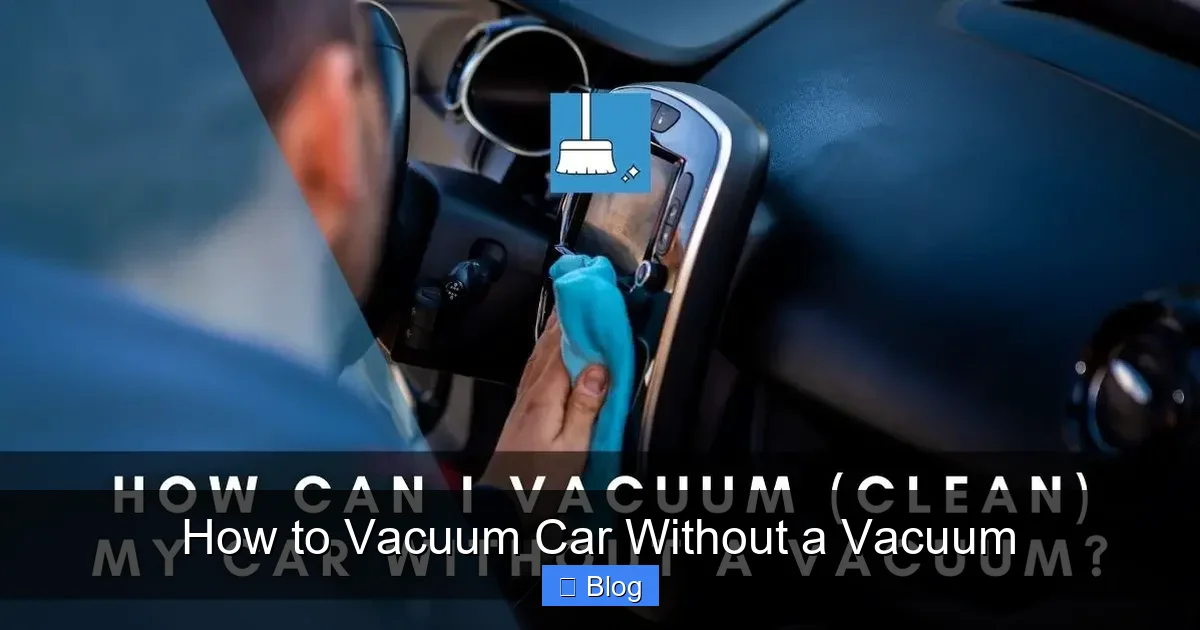
Visual guide about How to Vacuum Car Without a Vacuum
Image source: solobaking.com
Now, collect your tools. You won’t need a vacuum, but everyday household items will do the trick. Think brooms, dustpans, lint rollers, compressed air cans (like those for keyboards), soft brushes, microfiber cloths, and a trash bag. If you have a shop vac alternative, like a manual carpet sweeper, that’s a bonus, but it’s not required.
Step 1: Remove Loose Items
Take out any trash, water bottles, or personal items from the car. Empty pockets in seats and check under them. This prevents you from knocking things over during cleaning.
Step 2: Shake Out Mats
Grab your floor mats and give them a good shake outside the car. Beat them gently against a fence or the ground to dislodge sand and dirt. For extra stubborn bits, use a broom to sweep them off.
Pro tip: Do this on a breezy day so the wind carries away the dust. If mats are fabric, a quick brush with a dry cloth can pick up remaining lint.
Clean the Floor and Carpets
The floor is often the dirtiest part of your car, collecting everything from mud to snack crumbs. Without a vacuum, we’ll use sweeping and brushing techniques to mimic the suction effect. This method works well for large areas and gets results fast.
Visual guide about How to Vacuum Car Without a Vacuum
Image source: vacmasterguide.com
Start from the back and work forward. This way, dirt doesn’t get pushed to already-cleaned spots. Use short, firm strokes to gather debris into piles.
Step 1: Sweep with a Broom
Choose a soft-bristled broom to avoid scratching the carpet. Sweep in sections: back seats first, then middle, and front. Angle the broom at 45 degrees and pull toward you. Gather dirt into a central pile.
Example: If you’ve tracked in beach sand, this step alone can remove 80% of it. For textured carpets, a rubber broom (like for pet hair) glides smoothly and grabs more.
Step 2: Scoop and Dispose
Use a dustpan to collect the piles. For crevices along the edges, a crevice tool alternative like a butter knife wrapped in cloth works wonders. Wipe the pan clean into a trash bag immediately to avoid re-spreading dirt.
Practical tip: If your broom bristles are too stiff, wrap the end in a damp microfiber cloth. It traps finer dust as you sweep.
Clean Seats and Upholstery
Seats catch spills, hair, and crumbs easily. Upholstery cleaning without a vacuum focuses on picking and brushing. This keeps fabrics fresh and prevents odors from building up.
Work one seat at a time. Vacuuming your car without a vacuum here means gentle methods to avoid damaging leather or cloth.
Step 1: Brush Away Loose Debris
Use a soft upholstery brush or an old toothbrush for small areas. Brush in the direction of the fabric weave to lift dirt. For cloth seats, start from the top and work down.
Example: Pet owners love this for hair removal. Brush vigorously, then shake the seat outside if possible.
Step 2: Use Lint Rollers or Tape
Lint rollers are magic for upholstery. Roll them slowly over seats, pressing firmly. For larger areas, wide packing tape wrapped sticky-side out around your hand does the same job.
Tip: If you have kids’ crumbs stuck in seams, a lint roller on a extendable handle (or just your hand) reaches deep. Replace sheets when full to keep efficiency high.
Tools and Alternatives: Quick Reference
Choosing the right tool makes all the difference in how to vacuum your car without a vacuum. Below is a handy table summarizing key methods, what you’ll need, and when to use them. It helps you pick based on the mess type.
| Method | Tools Needed | When to Use | Pros |
|---|---|---|---|
| Sweeping | Soft broom, dustpan | Large floor areas with loose dirt | Fast and covers big spaces |
| Brushing | Soft brush or toothbrush | Upholstery and seats | Lifts embedded particles gently |
| Lint Rolling | Lint roller or tape | Hair and small debris on fabrics | Precise and no water needed |
| Compressed Air | Air canister | Crevices and vents | Quick blast for tight spots |
| Shaking | Hands or fence | Mats and removable covers | Simple and chemical-free |
| Wiping | Microfiber cloth | Dashboards and hard surfaces | Captures fine dust after sweeping |
| Manual Sweeper | Carpet sweeper tool | Overall carpet refresh | Mimics vacuum without electricity |
Clean Crevices, Dashboard, and Vents
These tricky spots hide the most dust. Without suction, we’ll blast and pick. Compressed air is your best friend here, but manual tools work too.
Step 1: Blast with Compressed Air
Hold the can upright and spray short bursts into cracks, under seats, and vents. This pushes out dirt for easy sweeping later. Wear a mask if you’re sensitive to dust clouds.
Example: For console crevices full of coins and lint, air dislodges them onto the floor where you can sweep.
Step 2: Pick and Wipe
Use a toothpick or tweezers for stubborn bits. Follow with a damp microfiber cloth to wipe dashboards—avoid soaking to prevent water damage. For vents, a soft brush gently sweeps out residue.
Tip: Add a drop of mild soap to your cloth for greasy spots, but test on a hidden area first.
Final Touches and Maintenance
Once the heavy lifting is done, polish things up. This ensures your clean lasts longer. A quick once-over prevents missing spots.
Step 1: Inspect and Spot Clean
Walk around your car and check for overlooked dirt. Spot clean stains with a baking soda paste—sprinkle, let sit, then brush away.
Step 2: Air Out and Prevent Future Mess
Leave doors open for 10-15 minutes to air out. Use seat covers for pets and a doormat habit to cut down on tracked-in dirt.
Practical example: Weekly sessions using these methods keep your car vacuum-fresh without the hassle.
Troubleshooting Common Issues
Sometimes, cleaning hits snags. Here’s how to fix them.
Stubborn Pet Hair: After lint rolling, dampen a rubber glove and wipe in circles—it attracts hair like static.
Wet Spills: Blot first with towels, then sprinkle baking soda to absorb. Brush away once dry.
Static Dust: Lightly mist seats with water from a spray bottle before brushing to reduce cling.
No Compressed Air? Use a hairdryer on cool setting for a similar blast effect.
If odors linger, sprinkle baking soda overnight and sweep it out the next day. These fixes keep your process smooth.
Conclusion
Cleaning your car doesn’t have to wait for a vacuum. With these steps on how to vacuum your car without a vacuum, you’ve got proven ways to handle any mess. From sweeping floors to blasting crevices, you’ll save time and money while keeping your ride comfy.
Make it a habit—your car will thank you with that fresh, new-car feel. Next time dirt builds up, grab your broom and get started. Happy cleaning!
(Word count: 1624)