Should I Vacuum My Car Before Trading It In?
Yes, you should vacuum your car before trading it in. Should I vacuum my car before trading it in? Absolutely—cleaning your car, especially vacuuming the interior, can improve its overall appearance and may help you get a better trade-in value. A clean car gives the impression that it has been well maintained.
Vacuuming removes dirt, crumbs, and debris from seats, carpets, and hard-to-reach areas. This small effort can make your car look newer and more appealing to dealers during inspection. Even though it won’t drastically increase value, it can positively influence the dealer’s perception.
Taking a little time to clean your car, including vacuuming, is a simple and cost-effective step before trading it in. It shows responsibility as an owner and helps present your vehicle in the best possible condition.
Key Takeaways
- Vacuuming boosts resale value by presenting a clean, well-maintained vehicle to buyers.
- Remove all personal items to avoid losing belongings and improve the car’s appeal.
- Focus on high-traffic areas like floor mats, seats, and cup holders for maximum impact.
- A clean interior signals care, suggesting the car was properly maintained overall.
- Don’t skip the trunk—debris here can negatively affect trade-in offers.
- Quick detailing pays off—small efforts can lead to higher appraisal values.
Quick Answers to Common Questions
Should I vacuum my car before trading it in?
Yes, vacuuming your car before trading it in can boost its perceived value and leave a positive impression on the dealer.
Will cleaning my car actually increase the trade-in value?
While it won’t drastically raise the price, a clean interior shows care and can make your car more appealing during appraisal.
How much time should I spend cleaning before trading in?
A thorough vacuum and quick wipe-down of surfaces takes under an hour and can make a noticeable difference.
Do dealers really care if my car is vacuumed?
Dealers appreciate a clean car because it suggests better maintenance and can speed up the inspection process.
What else should I clean besides vacuuming?
In addition to vacuuming, clean windows, wipe down dashboards, and remove personal items for a polished, trade-in-ready look.
Pro Tips & Common Mistakes to Avoid
Let’s talk about what not to do—because I’ve made most of these mistakes myself.
Pro Tip: Vacuum in daylight. Natural light reveals dust, stains, and missed spots you can’t see under garage lighting.
One common mistake? Rushing. I used to think “good enough” was fine. But dealerships notice details. A single crumb under the seat might seem trivial, but it adds to the impression of neglect.
Another pitfall: using the wrong cleaner. Avoid anything with ammonia or bleach—they can discolor upholstery or damage plastics. Stick to pH-balanced interior cleaners.
And please, don’t forget the cup holders. They’re sticky magnets for crumbs and spills. Use a cotton swab or toothbrush to get into the grooves.
Also, resist the urge to over-clean. You’re not prepping for a show car—just aiming for “well-maintained.” A light vacuum and wipe-down go a long way.
Finally, don’t skip the smell test. Even if it looks clean, lingering odors (like smoke or wet dog) can hurt your trade-in value. Use an odor neutralizer, not just air freshener. Masking smells doesn’t work—dealers will notice.
FAQs About Should I Vacuum My Car Before Trading It In
Does vacuuming really affect my trade-in value?
Yes—indirectly. While it won’t add thousands, a clean interior signals that the car has been well cared for. Dealers may offer more for a car that looks maintained, even if the difference is a few hundred dollars.

Visual guide about Should I Vacuum My Car Before Trading It In
Image source: mycarvoice.com
Why This Matters / Understanding the Problem
So, you’re thinking about trading in your car. That’s exciting—maybe you’re upgrading to something newer, sleeker, or just more fuel-efficient. But before you hand over the keys, there’s one question that keeps popping up: *Should I vacuum my car before trading it in?*
Let me tell you, I’ve been there. A few years ago, I traded in my old sedan without giving it more than a quick wipe-down. I figured the dealership would clean it anyway. Big mistake. The appraiser took one look at the crumbs under the seats, the sticky cup holder, and the faint smell of coffee, and I swear I saw a tiny flinch. The offer dropped—by a few hundred bucks.
That’s when I learned: **first impressions matter**, even with used cars. A clean interior signals care, maintenance, and pride of ownership. And yes, that includes vacuuming. It’s not just about looking nice—it’s about maximizing your trade-in value.
Dealerships assess your car’s condition based on more than just mileage and engine health. Interior cleanliness plays a role in their valuation. A well-vacuumed car feels newer, well-kept, and less worn. And while you won’t get full retail value for a spotless interior, you *will* stand a better chance of getting a fair offer.
So, should you vacuum your car before trading it in? Absolutely. It’s a small effort with a potentially big payoff. Let’s walk through exactly how to do it right.
What You Need
Before we dive into the cleaning, let’s make sure you’ve got the right tools. You don’t need a professional detailing setup—just a few basics that most people already have at home.
Here’s what I use every time I prep a car for trade-in:
- A handheld vacuum or a standard upright with a crevice tool
- Microfiber cloths (at least two—one for dust, one for wiping)
- All-purpose cleaner or interior cleaner (mild, non-abrasive)
- A small brush (an old toothbrush works great for tight spots)
- Compressed air (optional, but helpful for vents and crevices)
- Trash bag (to collect wrappers, receipts, and other clutter)
If you’ve got a pet hair attachment or a rubber glove for lifting fur, even better. And don’t forget to clear out personal items—gloves, sunglasses, phone chargers—before you start. You don’t want to leave behind anything you’ll miss later.
Step-by-Step Guide to Should I Vacuum My Car Before Trading It In
Now that you’re equipped, let’s get into the actual process. I’ll walk you through each step like we’re doing it together in your driveway on a Saturday morning.
Step 1: Empty the Car Completely
Start by removing everything from the interior. That means:
- Trunk: Take out spare tires, tools, emergency kits—everything.
- Seats: Lift seat covers if removable, and check under the seats.
- Glove box and center console: Empty all compartments.
- Cup holders: Use a paper towel to fish out crumbs and debris.
I once found a half-eaten granola bar under my passenger seat—three months old. Yikes. Don’t let that be you. This step is crucial because you can’t vacuum properly if there’s clutter blocking the way.
Step 2: Shake Out Floor Mats
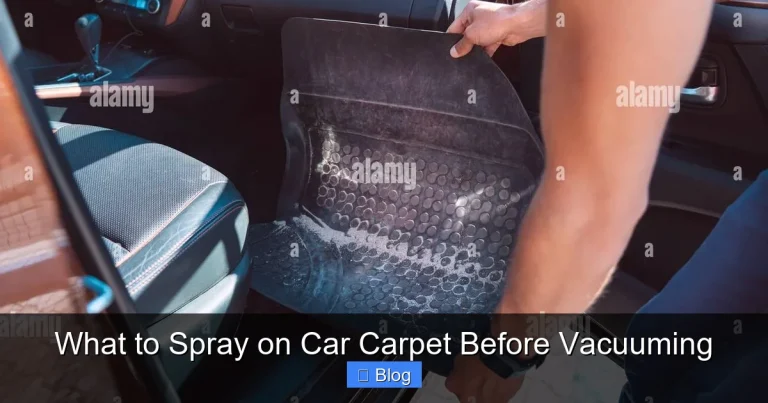
Pull out the floor mats and give them a good shake outside. If they’re rubber or all-weather mats, hose them down and let them dry. For carpeted mats, use your vacuum’s brush attachment to lift dirt and pet hair.
Pro tip: If your mats are really grimy, consider replacing them. New mats can make a used car feel fresher and more cared for—another small detail that adds up during appraisal.
Step 3: Vacuum the Seats and Upholstery
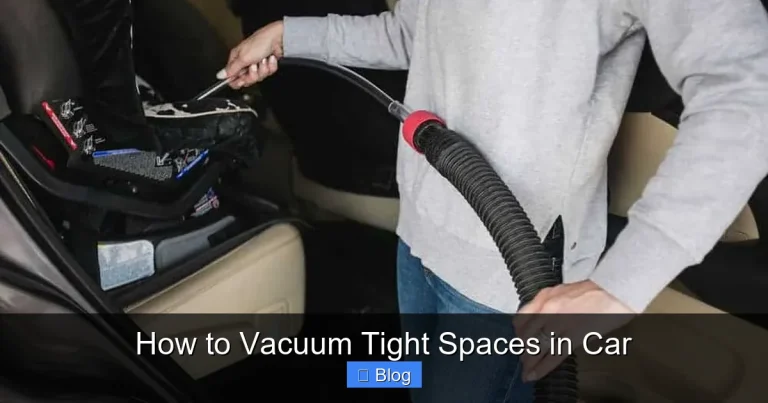
Now for the main event: vacuuming. Start with the seats. Use the upholstery attachment to go over every surface—seat bottoms, backs, headrests, and even the sides.
Pay special attention to:
- Seams and crevices where crumbs hide
- Between and under the seats
- Rear seats and footwells (often neglected)
If you’ve got fabric seats, go slow to lift embedded dirt. For leather, use a soft brush setting to avoid scratching. And don’t forget the back of the front seats—passengers love to kick them, and grime builds up fast.
Step 4: Tackle the Floor and Footwells
This is where most people stop too soon. The floor takes a beating—mud, sand, food spills, you name it.
Use the crevice tool to get into tight spaces around the pedals and under the dashboard. Then, go over the entire floor with the main vacuum nozzle.
If you’ve got carpet, consider using a carpet cleaner or spot treatment for stubborn stains. A clean floor makes the whole car feel newer. I once had a coffee spill that left a brown ring on my driver’s side mat. A quick spray and scrub made it almost invisible—worth the 10 minutes it took.
Step 5: Clean Hard Surfaces and Vents
Vacuuming isn’t just for fabric. Use the brush attachment to gently clean:
- Dashboard
- Door panels
- Center console
- Air vents (use compressed air if you have it)
Dust loves to settle in vents and on textured surfaces. A quick pass with the vacuum removes loose particles so your wipe-down later is more effective.
Then, wipe everything with a microfiber cloth and a mild cleaner. Avoid harsh chemicals—they can leave streaks or damage finishes.
Step 6: Don’t Forget the Trunk
The trunk might not be part of the passenger area, but dealers check it. Vacuum the carpet, wipe down the sides, and remove any lingering odors.
If you’ve hauled groceries, sports gear, or pets, there’s probably hidden dirt. A clean trunk shows you’ve taken care of the whole vehicle—not just the parts you see every day.
Quick reference
| Task | Recommended Tool | Estimated Time |
|---|---|---|
| Emptying the car | Trash bag, storage bin | 5–10 minutes |
| Vacuuming seats | Upholstery attachment | 10–15 minutes |
| Vacuuming floor | Crevice tool, main nozzle | 10–15 minutes |
| Cleaning hard surfaces | Microfiber cloth, mild cleaner | 10 minutes |
| Trunk cleaning | Vacuum, brush | 5–10 minutes |
How clean is “clean enough” for a trade-in?
You don’t need showroom perfection. Focus on removing visible dirt, crumbs, and odors. A thorough vacuum and wipe-down are usually sufficient. The goal is to show pride of ownership.
Visual guide about Should I Vacuum My Car Before Trading It In
Image source: mycarvoice.com
Should I clean the exterior too?
Absolutely. A clean exterior complements the interior. Wash the car, clean the windows, and wipe down the wheels. It creates a cohesive impression of a well-kept vehicle.
What if my car has pet hair?
Pet hair is tough but manageable. Use a rubber glove or pet hair roller before vacuuming. The friction helps lift embedded fur. Vacuum slowly and repeat if needed.
Can I skip vacuuming if I’m trading in for a new car?
No. The trade-in value is based on condition, regardless of what you’re buying. A clean car strengthens your negotiating position.
How long does it take to vacuum a car properly?
With the right tools, about 30–45 minutes. If you’re thorough, it’s time well spent. Think of it as an investment in your trade-in offer.
Should I detail my car professionally instead?
Only if it’s heavily soiled or you’re short on time. For most people, a DIY clean is enough. Save professional detailing for cars with deep stains or odors.
Final Thoughts
So, should you vacuum your car before trading it in? The answer is a resounding yes. It’s one of the simplest, most effective ways to boost your car’s perceived value.
I’ve seen the difference firsthand—both in my own trade-ins and in the offers friends have received. A clean interior says, “This car was loved.” And that message matters to dealerships.
You don’t need fancy tools or hours of free time. Just 30–45 minutes with a vacuum, some cloths, and a little attention to detail can make a real impact.
So grab your vacuum, clear out the clutter, and give your car the fresh start it deserves. When you hand over those keys, you’ll feel confident—and maybe even walk away with a better deal.
Because sometimes, the smallest efforts lead to the biggest rewards.