
How to Vacuum Tight Spaces in Car
Cleaning tight spaces in your car doesn’t have to be a struggle. This guide shows you the best tools and step-by-step methods to vacuum hard-to-reach areas like seat gaps, vents, and cup holders for a truly clean ride.
Keeping your car clean isn’t just about appearances—it’s about comfort, hygiene, and preserving your vehicle’s value. While most people focus on wiping down surfaces and vacuuming the floor mats, the real challenge lies in cleaning those tight, awkward spaces where dirt and crumbs love to hide. From between the seats to inside air vents and under the pedals, these spots are often overlooked but can harbor bacteria, allergens, and unpleasant odors.
In this guide, you’ll learn exactly how to vacuum tight spaces in your car using the right tools, techniques, and a little patience. Whether you’re dealing with pet hair, snack crumbs, or dust buildup, we’ll walk you through a complete cleaning process that leaves every nook and cranny spotless. By the end, you’ll have a system you can repeat regularly to maintain a fresh, clean car interior.
Key Takeaways
- Use the right attachments: Crevice tools, brush nozzles, and upholstery brushes make reaching narrow spaces easier and more effective.
- Work top to bottom: Start with the dashboard and work your way down to avoid re-soiling cleaned areas.
- Pre-clean before vacuuming: Loosen debris with a soft brush or toothbrush to improve suction efficiency.
- Choose the right vacuum: Handheld or cordless vacuums offer better maneuverability in tight car interiors.
- Don’t forget hidden spots: Seat tracks, door pockets, and under seats collect dust and crumbs—clean them regularly.
- Maintain your vacuum: Empty the dustbin and clean filters often to keep suction strong during car cleaning.
- Be gentle on surfaces: Use soft-bristled tools to avoid scratching leather, plastic, or fabric.
Quick Answers to Common Questions
Tip/Question?
Can I use a regular household vacuum for my car?
Yes, but it’s not ideal. Household vacuums are often bulky and lack the right attachments. A portable or cordless vacuum designed for cars is more convenient and effective.
Tip/Question?
How often should I vacuum tight spaces in my car?
For most drivers, a monthly deep clean is sufficient. If you eat in the car or have pets, consider cleaning tight spots every two weeks.
Tip/Question?
What’s the best way to clean pet hair from seat gaps?
Use a rubber glove or pet hair removal tool to loosen the hair first, then vacuum with the upholstery brush. The friction helps lift embedded fur.
Tip/Question?
Can I vacuum leather seats without damaging them?
Yes—use a soft brush attachment on low suction. Avoid crevice tools directly on leather, and always follow up with a leather conditioner.
Tip/Question?
Is it okay to use water or cleaning sprays before vacuuming?
Only on surfaces that can get wet, like rubber floor mats. Never spray liquids near electronics or fabric seats before vacuuming—it can cause mold or damage.
Troubleshooting Common Issues
Even with the right tools, you might run into challenges while vacuuming tight spaces. Here’s how to solve the most common problems.
Low Suction Power
If your vacuum isn’t picking up dirt effectively, check the dustbin—it may be full. Also, inspect the filter and clean or replace it if clogged. For cordless vacuums, ensure the battery is fully charged. Low suction often results from poor maintenance, not a faulty machine.
Attachments Keep Falling Off
Some vacuum attachments don’t lock in securely. Try wrapping a small rubber band around the connection point for a tighter fit. Alternatively, invest in a vacuum with magnetic or snap-on attachments for better stability.
Debris Stuck Deep in Vents
If crumbs or dust are lodged deep inside air vents, use a can of compressed air to blow them out before vacuuming. Hold the can upright and use short bursts to avoid moisture buildup. Then, follow up with the crevice tool to catch loosened debris.
Scratching Surfaces
Hard plastic nozzles can scratch leather or painted surfaces. Always use a brush attachment on delicate areas. If you must use a crevice tool, wrap the tip with a soft cloth to protect the surface.
Maintaining a Clean Car Interior
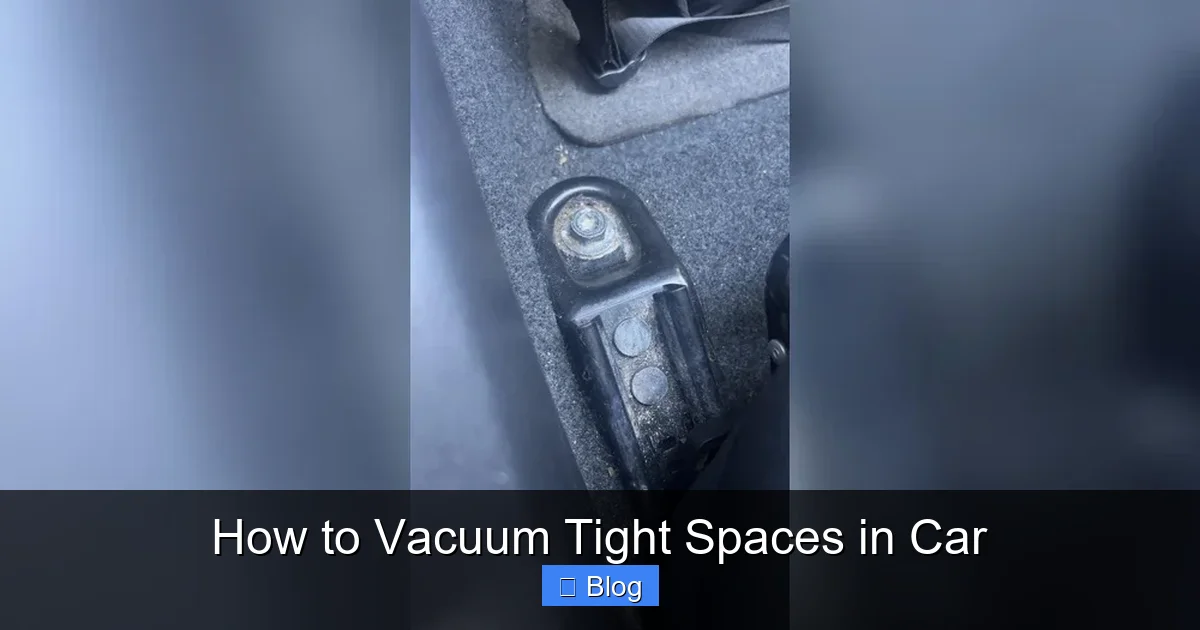
Visual guide about How to Vacuum Tight Spaces in Car
Image source: vacuumcleanertips.com
Why Tight Spaces Are Hard to Clean

Visual guide about How to Vacuum Tight Spaces in Car
Image source: img.ltwebstatic.com
Car interiors are full of narrow gaps and hard-to-reach areas designed for function, not cleanliness. Seat tracks, console crevices, door jambs, and air vents all create pockets where debris accumulates over time. Traditional vacuum nozzles are often too wide or rigid to fit into these spaces, and manual wiping isn’t always effective—especially when dealing with fine dust or embedded dirt.
Additionally, many drivers use household vacuums that lack the portability or specialized attachments needed for car cleaning. This leads to incomplete cleaning and frustration. The good news? With the right approach, even the tightest spots can be cleaned thoroughly and efficiently.
Tools and Materials You’ll Need
Before you start, gather the right tools to make the job easier and more effective. You don’t need expensive equipment—just the right combination of vacuum and accessories.
Essential Vacuum Attachments
- Crevice tool: A long, narrow nozzle perfect for reaching between seats, along door panels, and into console gaps.
- Brush nozzle: Ideal for gently loosening dust from vents, dashboards, and fabric surfaces without scratching.
- Upholstery brush: Soft bristles help lift pet hair and embedded dirt from seats and carpets.
- Flexible hose extension: Adds reach and flexibility, especially useful for under-seat cleaning.
Optional but Helpful Tools
- Soft-bristled toothbrush or detailing brush for pre-cleaning
- Microfiber cloths for wiping surfaces after vacuuming
- Compressed air canister for blowing out stubborn debris from vents
- Portable handheld vacuum (cordless models are ideal)
- Small flashlight to spot hidden dirt
Step-by-Step Guide to Vacuuming Tight Spaces
Follow these steps in order to clean your car thoroughly and efficiently. Working systematically prevents you from missing spots and reduces the chance of re-soiling cleaned areas.
Step 1: Remove Loose Items
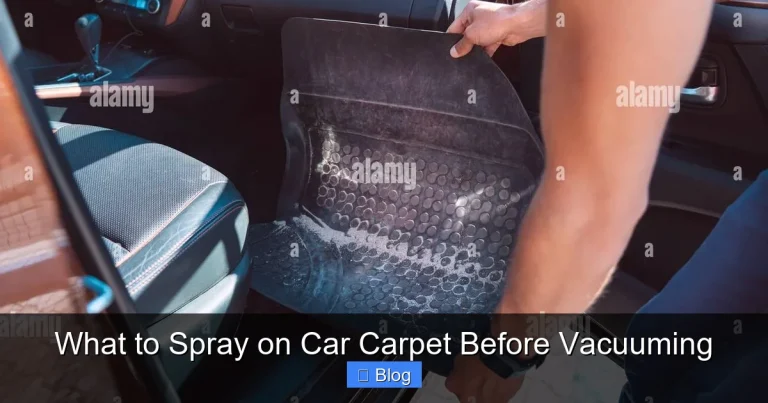
Start by taking out floor mats, seat covers, and any personal items like phones, chargers, or trash. This gives you full access to every surface and prevents items from blocking your vacuum’s path. Shake out floor mats outside to remove large debris before vacuuming them separately.
Step 2: Pre-Clean with a Brush
Use a soft-bristled brush—like an old toothbrush or a dedicated detailing brush—to loosen crumbs, dust, and pet hair from tight spaces. Gently scrub between seat cushions, around seatbelt buckles, and inside cup holders. This step is crucial because it breaks up compacted debris, making it easier for the vacuum to suck it up.
Step 3: Vacuum the Dashboard and Vents
Attach the brush nozzle to your vacuum and start at the top of the car interior. Run the brush over the dashboard, focusing on the air vents. Use short, gentle strokes to avoid scratching the surface. For deeper vent cleaning, insert the crevice tool into each vent slot and move it back and forth to dislodge hidden dust.
Step 4: Clean Between and Under Seats
This is where most dirt accumulates. Slide the crevice tool into the gap between the seat and center console. Move it side to side to pull out crumbs and debris. For under-seat areas, use a flexible hose or extendable crevice tool. If your vacuum has a handheld mode, use it for better control.
Step 5: Tackle Door Panels and Pockets
Open each door and vacuum the door pockets, window switches, and the narrow space between the door panel and seat. Use the crevice tool to reach into corners and the brush nozzle to clean fabric or leather surfaces gently.
Step 6: Clean Floor Areas and Mats
Vacuum the floor thoroughly, paying special attention to the footwells and under the pedals. Use the upholstery brush for carpeted areas and the crevice tool for tight spots near the center console. Don’t forget the back of the front seats and the rear footwells.
Step 7: Finish with a Wipe-Down
After vacuuming, use a microfiber cloth to wipe down hard surfaces like the dashboard, console, and door handles. This removes any remaining dust and gives your car a polished look.
Quick Reference
| Tool | Best For | Tips |
|---|---|---|
| Crevice Tool | Seat gaps, console crevices, door jambs | Use slow, back-and-forth motions to pull out debris |
| Brush Nozzle | Dashboard, vents, fabric surfaces | Avoid high suction on delicate materials |
| Upholstery Brush | Seats, carpets, floor mats | Use in circular motions to lift embedded dirt |
| Handheld Vacuum | Under seats, tight corners, quick cleanups | Keep charged and empty dustbin regularly |
| Detailing Brush | Pre-cleaning, tight spots, vents | Use before vacuuming for best results |
Vacuuming tight spaces shouldn’t be a once-a-year chore. To keep your car looking and smelling fresh, adopt a regular cleaning routine.
- Weekly: Quick vacuum of high-traffic areas like front seats and footwells.
- Monthly: Deep clean all tight spaces, including vents, console gaps, and under seats.
- Seasonally: Remove and clean floor mats, wipe down all surfaces, and check for hidden buildup.
Consider using seat gap covers or console inserts to reduce future debris accumulation. These simple accessories create a barrier that prevents crumbs from falling into hard-to-reach areas.
Conclusion
Vacuuming tight spaces in your car might seem like a small task, but it makes a big difference in overall cleanliness and comfort. With the right tools—like a crevice tool, brush nozzle, and handheld vacuum—and a systematic approach, you can tackle even the most stubborn spots with ease. Remember to pre-clean with a brush, work from top to bottom, and maintain your vacuum for consistent performance.
By following this guide, you’ll not only remove visible dirt but also improve air quality and extend the life of your car’s interior. A clean car is a happy car—and now, you have the know-how to keep it that way.