
How to Use a Car Vacuum Cleaner
Learning how to use a car vacuum cleaner helps you remove dirt, crumbs, and pet hair quickly from every corner of your vehicle. Follow the right steps and attachments to achieve a professional-looking clean without wasting time or effort. This guide covers preparation, technique, and maintenance so you get lasting results.
Knowing how to use a car vacuum cleaner turns a messy interior into a clean, fresh space in under an hour. This guide walks you through every stage so beginners and experienced users alike can get professional results at home. You will learn the best order of steps, which tools to pick, and how to handle tricky areas like floor mats and air vents.
Start by parking your car in a shaded spot with the engine off. Open all doors and the trunk to give yourself plenty of room and light. Remove floor mats, trash, and any loose items that could block the vacuum hose. This simple prep keeps dirt from spreading and lets you focus on the actual cleaning.
Key Takeaways
- Prepare first: Clear clutter and choose the right attachments before you start vacuuming for faster, better results.
- Work top to bottom: Always vacuum from the roof down to the floors so debris falls into your path.
- Use attachments wisely: Switch tools for seats, crevices, and vents to reach every hidden spot effectively.
- Empty often: Stop and empty the canister midway to maintain strong suction throughout the job.
- Finish with maintenance: Wipe surfaces and clean the vacuum after use to keep both your car and machine in top condition.
- Stay consistent: Regular short sessions prevent buildup and make future cleanings much easier.
Quick Answers to Common Questions
How often should I vacuum my car?
Once a week works well for most drivers, especially if you eat or carry pets inside. Quick touch-ups every few days prevent heavy buildup and make deep cleans much easier.
Can I use a household vacuum in my car?
Yes, but a dedicated car vacuum usually offers better reach and cordless convenience. Household models work in a pinch if you add a long extension hose and smaller attachments.
What if my vacuum loses suction mid-job?
Stop and empty the canister right away. Check the filter for clogs and clear any debris stuck in the hose before continuing. Strong suction returns quickly once these issues are fixed.
Should I vacuum wet spills first?
Blot liquids with a towel before vacuuming to protect the motor. Most car vacuums handle dry dirt best, so remove moisture first for safety and better performance.
Is it safe to vacuum car air vents?
Use the crevice tool on low power and avoid pushing too deep. A soft brush attachment loosens dust gently without damaging delicate vent slats or sensors.
Clean Seats and Floor Mats Thoroughly
Switch to the brush attachment for cloth seats. Run it across cushions in overlapping strokes to lift embedded crumbs. For leather seats, use the upholstery tool on low suction to avoid scratches. Vacuum floor mats outside the car so loose dirt does not fall back inside. Pay extra attention to the driver’s side where most debris collects.
Reach Under Seats and Pedals
Slide the crevice tool under the front seats to pull out hidden dirt. Work around the pedals carefully without touching any controls. Use short bursts of suction so you do not scatter dust. This step often removes the most surprising amount of debris.
Finish with Crevices and Vents
Gather the Right Tools
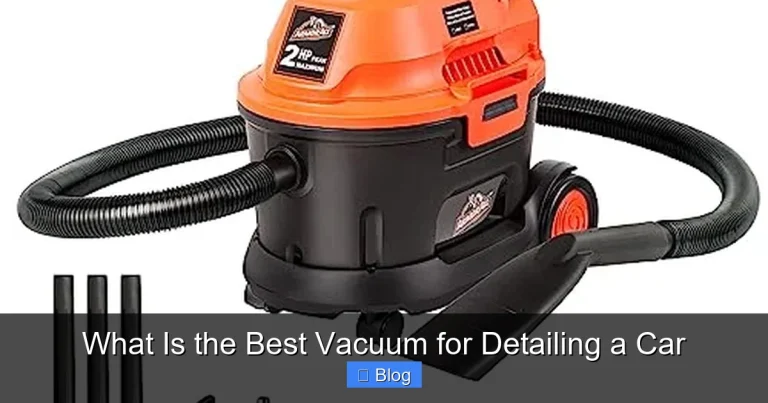
Collect everything you need before you begin. A handheld or cordless car vacuum with strong suction works best. Have a crevice tool, brush attachment, and upholstery nozzle ready. Keep a microfiber cloth, trash bag, and small bucket nearby for quick wipe-downs later.
Visual guide about How to Use a Car Vacuum Cleaner
Image source: l450v.alamy.com
Visual guide about How to Use a Car Vacuum Cleaner
Image source: c-images.carexpert.com.au
Prepare the Car Interior
Shake out floor mats outside the vehicle first. Use the brush attachment to loosen stubborn dirt on the mats before vacuuming them. Check under the seats for coins or toys and remove them by hand. These small actions stop the vacuum from clogging and improve overall suction power.
Start Vacuuming from the Top
Always begin at the highest points and work downward. Use the upholstery nozzle on headliners and seat backs first. Move slowly in straight lines so the vacuum picks up dust without pushing it around. This method lets fallen debris land where you will clean next.
At a Glance: Attachment Guide
| Attachment | Best For | When to Use |
|---|---|---|
| Crevice tool | Tight gaps | Between seats and console |
| Brush nozzle | Fabric surfaces | Seat cushions and mats |
| Upholstery tool | Large flat areas | Headliner and seat backs |
| Extension hose | Hard-to-reach spots | Under pedals and trunk corners |
Run the crevice tool along door pockets, cup holders, and air vents. A small brush helps loosen dust inside vents before vacuuming. Wipe the dashboard and door panels with a damp cloth afterward. These final touches give your car that just-detailed look.
Empty, Clean, and Store the Vacuum
Empty the canister as soon as suction drops. Rinse the filter with water if your model allows it and let it dry fully before reuse. Wipe the outside of the vacuum with a damp cloth to remove dust. Store the machine and attachments in a cool, dry place so they stay ready for the next cleaning session.
Conclusion
Following these steps shows exactly how to use a car vacuum cleaner for consistent, satisfying results. Regular use keeps your vehicle comfortable and protects its resale value. Practice the top-to-bottom method a few times and you will finish the job faster each month. Your car will feel cleaner and smell fresher every time you drive.