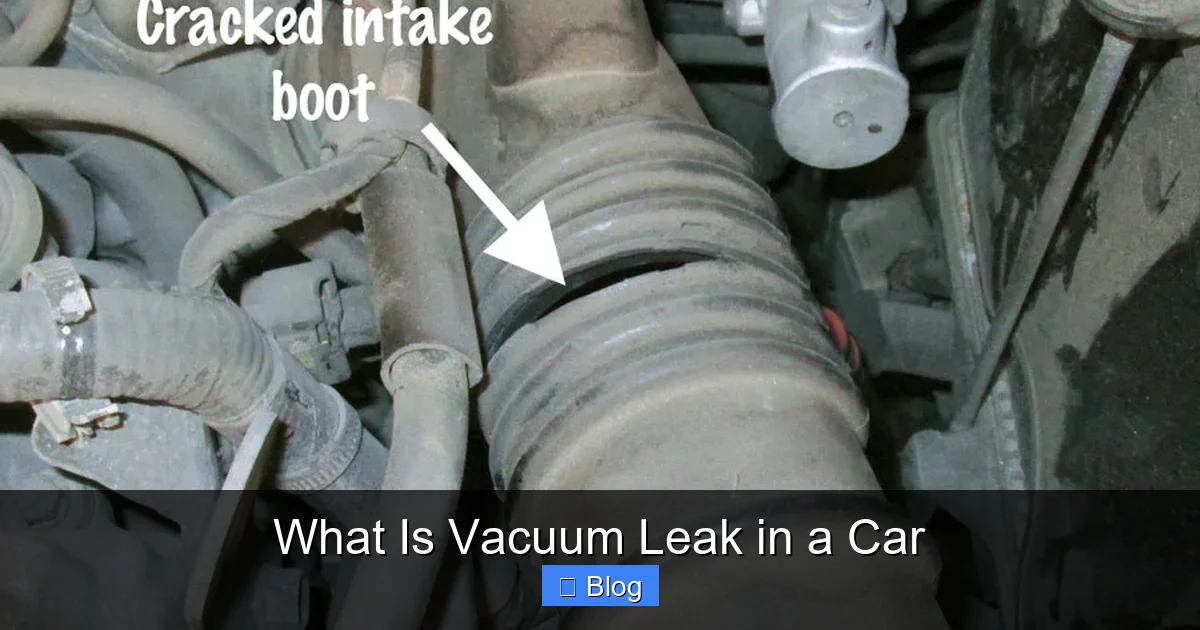
What Is Vacuum Leak in a Car?
A vacuum leak in a car occurs when there is an unintended gap or crack in the engine’s vacuum system, allowing outside air to enter. What is vacuum leak in a car? This leak disrupts the air-fuel mixture, causing the engine to run inefficiently. Common signs include rough idling, stalling, poor acceleration, and higher fuel consumption.
Vacuum leaks can happen in hoses, gaskets, or intake manifolds due to wear, cracks, or loose connections. When air enters where it shouldn’t, sensors detect an imbalance, often triggering the check engine light. Drivers might also notice a hissing sound coming from the engine bay, which is another typical sign of a leak.
Identifying a vacuum leak early is important to prevent engine damage and maintain optimal performance. Regular inspections and timely repairs help keep your car running smoothly, ensuring better fuel efficiency and avoiding costly engine problems in the long run.
Key Takeaways
- Vacuum leaks allow extra air into the engine: This disrupts the precise air-fuel ratio, leading to performance problems.
- Common symptoms include rough idle and stalling: You may also notice a check engine light or poor acceleration.
- Leaks often occur in hoses, gaskets, or intake manifolds: Rubber components degrade over time, especially in older vehicles.
- Use a smoke test or carb cleaner for diagnosis: These methods help locate the source of the leak quickly.
- Repairs range from simple hose replacement to gasket fixes: Many vacuum leaks can be fixed with basic tools and parts.
- Ignoring a vacuum leak can damage the engine: It may lead to increased emissions, overheating, or catalytic converter failure.
- Regular maintenance helps prevent leaks: Inspect vacuum hoses during oil changes or tune-ups.
Quick Answers to Common Questions
Tip/Question?
Can I drive with a vacuum leak? It’s not recommended. While short trips may be safe, prolonged driving can cause engine damage, poor fuel economy, and unsafe braking.
Tip/Question?
How often should I check vacuum hoses? Inspect them every 12,000 miles or during oil changes. Look for cracks, soft spots, or loose connections.
Tip/Question?
Is a vacuum leak expensive to fix? Most repairs are affordable—replacing a hose costs $10–$30, while gasket repairs may range from $100–$300 depending on labor.
Tip/Question?
Can a vacuum leak cause overheating? Indirectly, yes. A lean air-fuel mixture can increase combustion temperatures, potentially leading to overheating.
Tip/Question?
Do all vacuum leaks trigger a check engine light? Not always. Small leaks may not trigger a code immediately, but they can still affect performance and emissions.
What Is a Vacuum Leak in a Car?
So, what exactly is a vacuum leak in a car? Simply put, it’s when outside air sneaks into the engine’s intake system without being measured by the mass airflow (MAF) sensor. Your engine relies on a carefully balanced mix of air and fuel to run smoothly. When extra air enters through a crack, loose hose, or damaged gasket, it throws off this balance. This unmeasured air is called “vacuum leakage,” and it can cause a host of performance issues.
Modern engines use vacuum pressure to operate various components, like the brake booster, PCV valve, and emissions systems. A leak disrupts this pressure, leading to poor engine performance, reduced fuel efficiency, and even safety concerns. While vacuum leaks aren’t always dangerous right away, they should be addressed quickly to avoid long-term damage.
How Does a Vacuum System Work?
To understand vacuum leaks, it helps to know how the vacuum system functions. When your engine runs, the pistons moving down in the cylinders create suction—this is engine vacuum. This vacuum is used to pull air through the intake manifold and into the combustion chamber. The intake manifold is connected to various hoses and components that rely on this vacuum to operate.
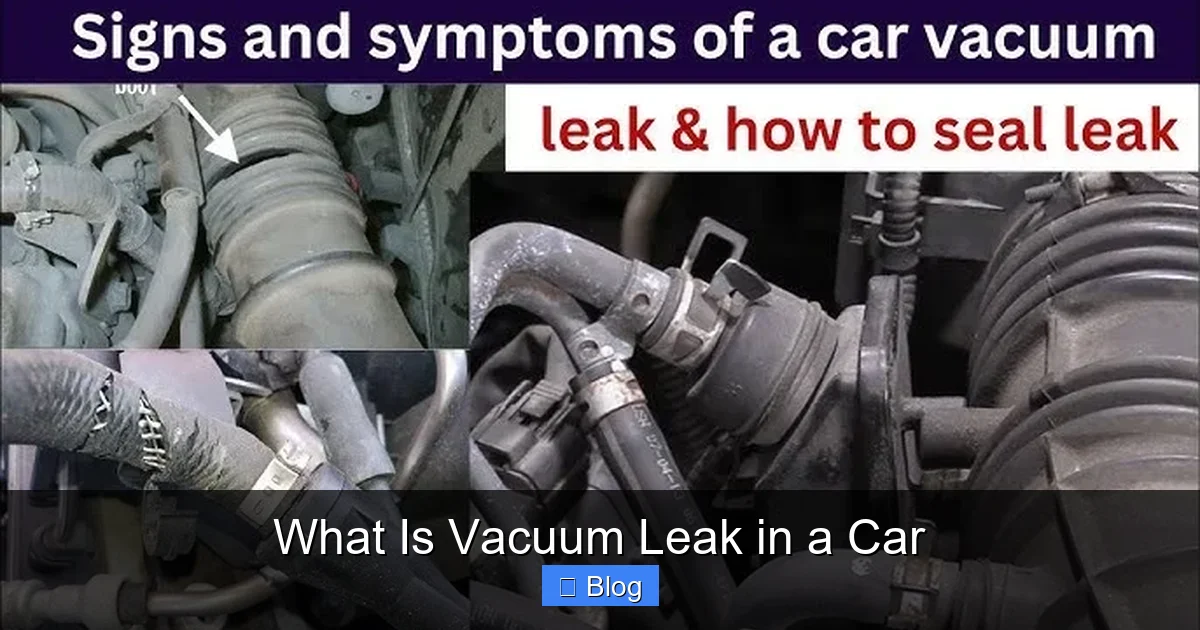
Visual guide about What Is Vacuum Leak in a Car
Image source: automotivian.com
Key Components Involved
- Vacuum hoses: Small rubber tubes that carry vacuum pressure to different parts of the engine.
- Intake manifold gasket: Seals the manifold to the engine block; can crack or warp over time.
- PCV valve: Regulates crankcase pressure and recirculates gases.
- Brake booster: Uses vacuum to assist braking; a leak here can make the brake pedal feel hard.
- EGR valve and EVAP system: Also depend on vacuum to function properly.
When any of these components fail or develop a crack, air can enter the system where it shouldn’t, creating a vacuum leak.
Common Symptoms of a Vacuum Leak
Vacuum leaks don’t always announce themselves loudly, but your car will usually give you clues. Here are the most common signs to watch for:
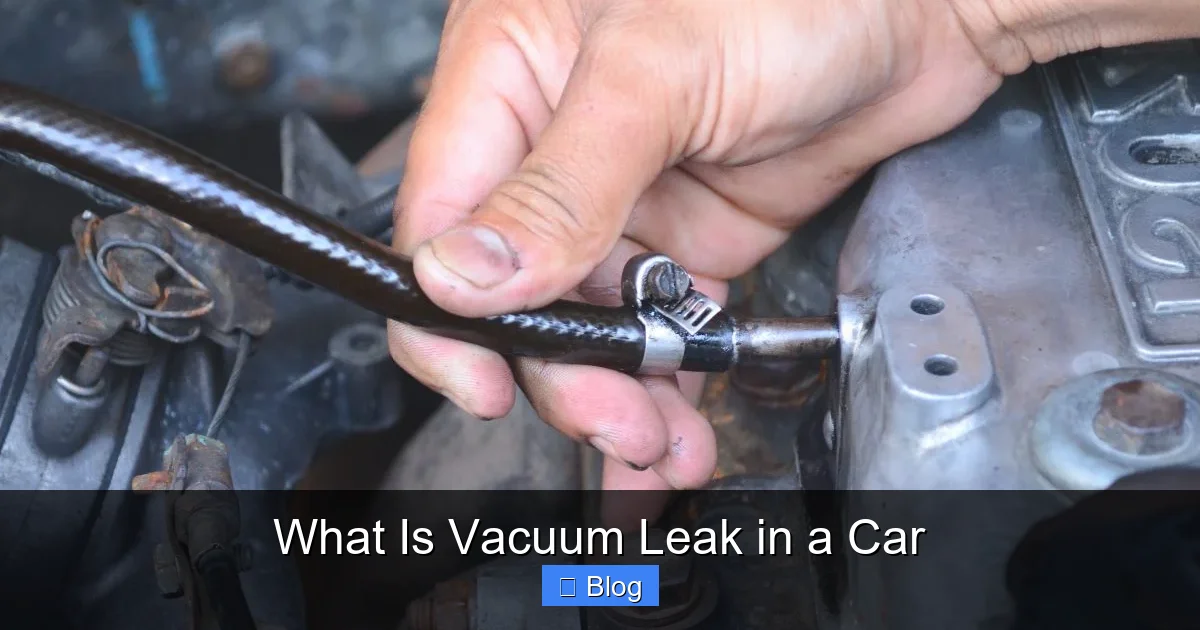
Visual guide about What Is Vacuum Leak in a Car
Image source: grimmermotors.co.nz
Rough or Unstable Idle
If your engine idles roughly, surges, or even stalls when stopped, a vacuum leak could be the culprit. The extra air makes the engine run lean (too much air, not enough fuel), causing uneven combustion.
Check Engine Light
The engine control unit (ECU) monitors air-fuel ratios. A vacuum leak often triggers a lean code, such as P0171 (System Too Lean Bank 1) or P0174 (System Too Lean Bank 2). Use an OBD2 scanner to check for these codes.
Poor Acceleration and Hesitation
You might notice your car hesitates or feels sluggish when you press the gas. This happens because the engine isn’t getting the right air-fuel mix under load.
Hissing Noise Under the Hood
A hissing or whistling sound, especially when the engine is running, can indicate air escaping from a cracked hose or loose connection. Listen carefully near the intake manifold and vacuum lines.
Hard Brake Pedal
If your brake pedal feels stiff or requires more effort, the brake booster may not be getting enough vacuum. This is a safety concern and should be checked immediately.
Common Causes of Vacuum Leaks
Vacuum leaks don’t happen overnight—they’re usually the result of wear and tear. Here are the most common causes:
Deteriorated Vacuum Hoses
Rubber hoses harden, crack, or become brittle over time, especially in hot engine compartments. A small crack or loose clamp can let in air.
Failed Intake Manifold Gasket
The gasket that seals the intake manifold to the engine can warp or degrade, especially in high-heat conditions. This creates gaps where air can enter.
Faulty PCV Valve or Hose
The Positive Crankcase Ventilation (PCV) system uses vacuum to recirculate gases. A stuck or leaking PCV valve or hose can cause a vacuum leak.
Cracked or Loose Throttle Body
The throttle body controls airflow into the engine. If its gasket fails or it becomes loose, air can bypass the throttle plate.
Damaged Brake Booster Diaphragm
Inside the brake booster, a rubber diaphragm can tear, allowing air to leak into the vacuum line. This affects both braking and engine performance.
How to Diagnose a Vacuum Leak
Diagnosing a vacuum leak doesn’t require expensive tools—just some patience and the right approach. Here’s a step-by-step method to find the source.
Step 1: Visual Inspection
Start by opening the hood and looking for obvious signs of damage. Check all vacuum hoses for cracks, splits, or disconnections. Wiggle each hose gently to see if it’s loose. Pay close attention to areas near the intake manifold, throttle body, and PCV valve.
Step 2: Listen for Hissing Sounds
With the engine running, listen carefully around the engine bay. Use a mechanic’s stethoscope or a long screwdriver (carefully!) to amplify sounds. Place the tip on a component and your ear on the handle to listen for leaks.
Step 3: Use Carburetor Cleaner or Brake Cleaner
This is a popular DIY method. With the engine running, spray small amounts of carb or brake cleaner around suspected areas (hoses, gaskets, throttle body). If the engine RPM increases, it means the cleaner is being sucked into the engine through a leak—indicating the source.
Warning: Only use this method in well-ventilated areas and avoid open flames. The cleaner is flammable.
Step 4: Perform a Smoke Test
A smoke test is the most accurate way to find vacuum leaks. A smoke machine pumps non-toxic smoke into the intake system. Wherever smoke escapes, there’s a leak. Many auto shops offer this service, or you can buy a DIY smoke tester online.
Step 5: Check with a Vacuum Gauge
A vacuum gauge measures engine vacuum at the intake manifold. Normal readings are between 17–22 inches of mercury (inHg) at idle. If the reading is low or fluctuates, it suggests a leak. Compare readings at idle, 2,500 RPM, and during deceleration.
How to Fix a Vacuum Leak
Once you’ve found the leak, the fix depends on the cause. Most repairs are straightforward and can be done at home.
Replacing Vacuum Hoses
If a hose is cracked or brittle, replace it with the same diameter and length. Use a vacuum hose repair kit or buy pre-cut hoses from an auto parts store. Make sure connections are tight and secure.
Fixing the Intake Manifold Gasket
This is a more involved repair. You’ll need to remove the intake manifold, clean the surfaces, and install a new gasket. Follow your vehicle’s service manual for torque specs and reassembly steps. Use a high-quality gasket and apply sealant if recommended.
Replacing the PCV Valve
The PCV valve is usually located on the valve cover. Simply unscrew the old one and install a new one. Check the connected hose for cracks and replace if needed.
Repairing the Brake Booster
If the brake booster is leaking, it may need to be replaced. This is a more complex job and may require professional help, especially if the master cylinder is involved.
Tightening or Replacing Throttle Body Gasket
Remove the air intake duct and throttle body. Clean the mating surfaces and install a new gasket. Reassemble and test for leaks.
Troubleshooting Tips
- Don’t ignore small leaks: Even a tiny crack can cause big problems over time.
- Use OEM or high-quality aftermarket parts: Cheap gaskets and hoses may fail quickly.
- Label hoses before removal: Take photos or use tape to mark connections so you don’t mix them up.
- Test after repair: Run the engine and recheck for symptoms or use a smoke test to confirm the leak is gone.
- Clear error codes: After fixing the leak, use an OBD2 scanner to clear any stored trouble codes.
Conclusion
A vacuum leak in a car is more than just a minor annoyance—it can affect performance, fuel economy, and even safety. By understanding what causes these leaks and how to spot them, you can take action before bigger issues arise. Whether it’s a cracked hose or a failing gasket, most vacuum leaks are fixable with basic tools and a little know-how. Regular inspections during routine maintenance can help prevent leaks from developing in the first place. Stay proactive, listen to your car, and keep that engine running smoothly.