Vacuum Leak in Car Engine
A vacuum leak in a car engine happens when unmetered air sneaks into the intake system, disrupting the air-fuel mixture. This common issue can cause rough idling, poor fuel economy, and even engine stalling—but catching it early saves time and money.
Key Takeaways
- Vacuum leaks disrupt engine performance: Unmetered air entering the intake throws off the air-fuel ratio, leading to misfires and hesitation.
- Common symptoms include rough idle and check engine light: Listen for hissing sounds or watch for erratic RPMs at idle.
- Hoses and gaskets are frequent culprits: Cracked, loose, or degraded rubber components often cause leaks over time.
- Modern cars rely on precise vacuum control: Sensors and emissions systems depend on accurate vacuum readings to run efficiently.
- DIY detection is possible with simple tools: Use carb cleaner or a smoke machine to locate leaks safely.
- Ignoring a vacuum leak can damage oxygen sensors: Prolonged imbalance may trigger costly downstream repairs.
- Professional diagnosis ensures accuracy: Mechanics use specialized equipment to pinpoint hard-to-find leaks.
Quick Answers to Common Questions
What does a vacuum leak sound like?
A vacuum leak often produces a high-pitched hissing or whistling noise, especially at idle. The sound comes from air rushing through a crack or loose connection in the intake system.
Can a vacuum leak cause a car to stall?
Yes. A severe vacuum leak can make the engine run so lean that it misfires or stalls, particularly when idling or under light load.
Will a vacuum leak throw a check engine light?
Often, yes. Most modern cars will trigger a check engine light with lean mixture codes (like P0171) when a vacuum leak disrupts the air-fuel ratio.
How much does it cost to fix a vacuum leak?
Costs vary widely. Simple hose replacements may cost $20–$50 in parts, while intake gasket repairs can range from $200 to $600 depending on labor and vehicle complexity.
Can I drive with a vacuum leak?
You can drive short distances, but it’s not recommended. Continued driving can damage sensors, reduce fuel economy, and potentially harm the catalytic converter.
📑 Table of Contents
What Is a Vacuum Leak in a Car Engine?
Imagine your car’s engine as a finely tuned orchestra. Every component—from the fuel injectors to the throttle body—must work in harmony to produce smooth, efficient power. Now, picture an uninvited guest sneaking into the concert hall and playing a random note. That’s essentially what happens when a vacuum leak occurs.
A vacuum leak happens when outside air enters the engine’s intake manifold without passing through the mass airflow (MAF) sensor. The engine control unit (ECU) calculates how much fuel to inject based on the amount of air it expects. But if extra air slips in undetected, the mixture becomes too lean—meaning there’s too much air and not enough fuel. This imbalance throws off combustion, leading to a host of performance problems.
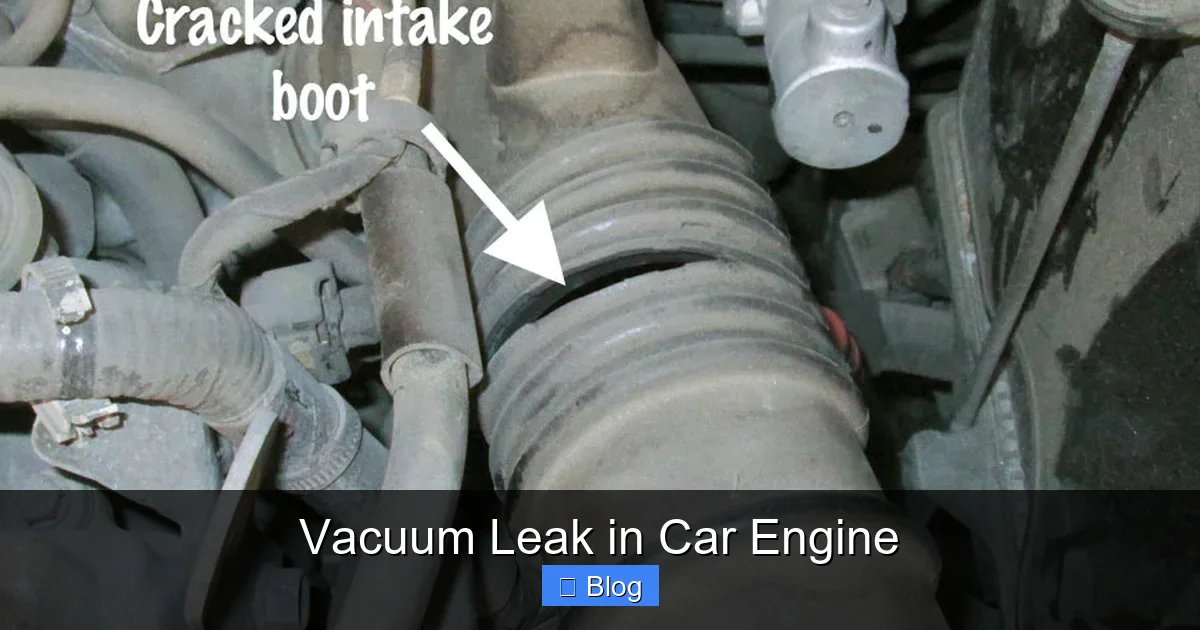
Vacuum leaks are more common than you might think, especially in older vehicles or those with high mileage. Rubber hoses harden and crack, gaskets dry out, and connections loosen over time. Even a tiny gap—no bigger than a pinhole—can cause noticeable issues because modern engines operate with extremely precise tolerances.
Common Causes of Vacuum Leaks
Cracked or Disconnected Vacuum Hoses
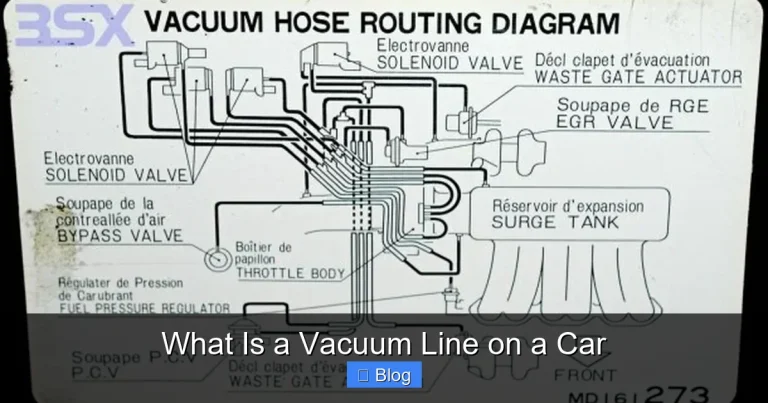
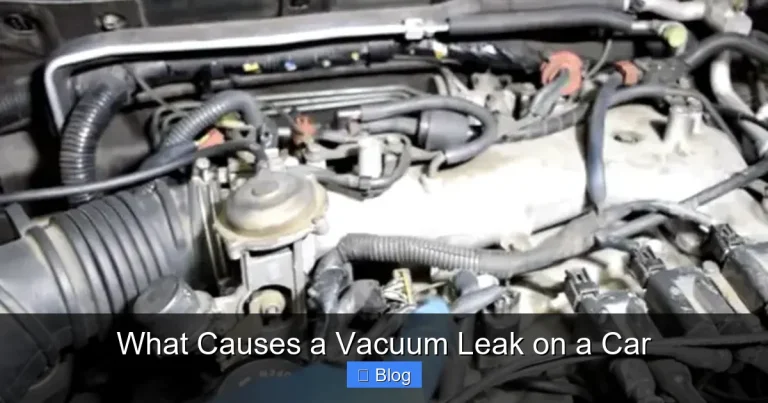
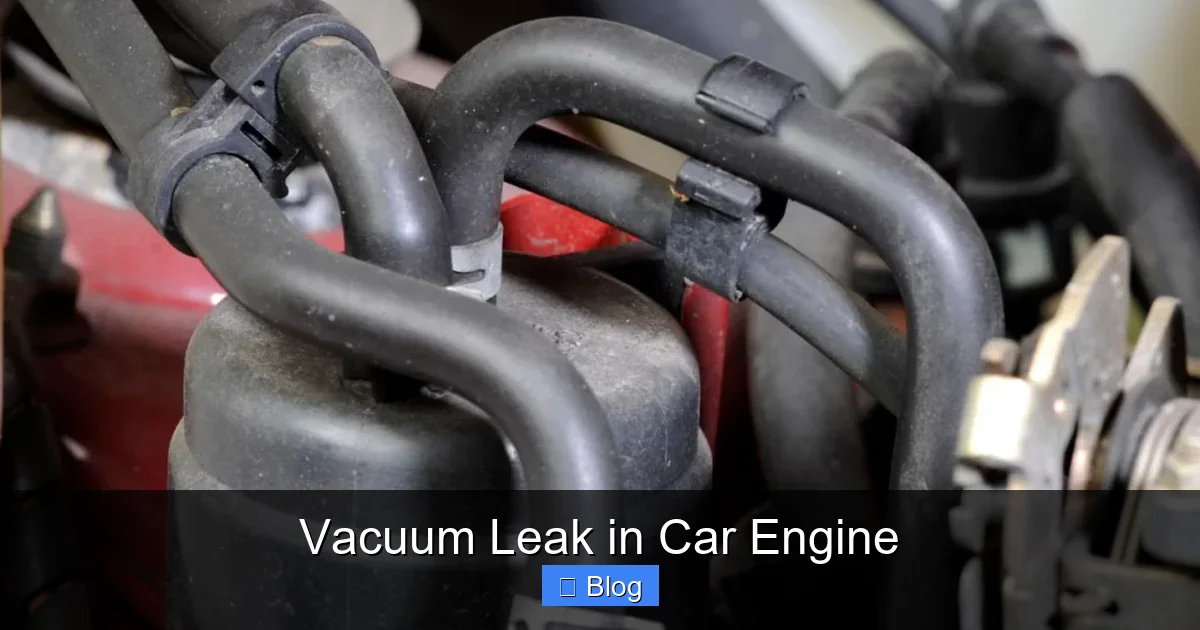
The most frequent cause of vacuum leaks is damaged vacuum hoses. These small rubber tubes carry vacuum pressure to components like the brake booster, PCV valve, and EGR system. Over years of heat cycles and engine vibrations, they become brittle and develop cracks—especially near hose ends where they connect to fittings.
Visual guide about Vacuum Leak in Car Engine
Image source: images.nexusapp.co
For example, a cracked PCV (Positive Crankcase Ventilation) hose might seem minor, but it can allow unmetered air into the intake manifold. Similarly, a loose brake booster hose not only affects braking assist but also creates a significant vacuum leak that impacts engine idle quality.
Worn Intake Manifold Gaskets
The intake manifold sits atop the engine and distributes air to each cylinder. It’s sealed with gaskets that can degrade over time due to heat and pressure fluctuations. When these gaskets fail, air seeps in around the edges, bypassing the MAF sensor.
This type of leak is often harder to detect because it doesn’t produce a loud hissing sound. Instead, it may cause subtle drivability issues like hesitation during acceleration or a fluctuating idle. In some cases, oil residue around the manifold base can indicate a failing gasket.
Faulty Throttle Body or IAC Valve
The idle air control (IAC) valve regulates how much air bypasses the throttle plate when the engine is idling. If its seal wears out or carbon buildup creates gaps, extra air can enter the system. Likewise, a warped throttle body or damaged throttle gasket can create similar problems.
Modern throttle-by-wire systems are even more sensitive to vacuum leaks because they rely on precise electronic signals rather than mechanical linkages. A small leak here can confuse the ECU and trigger error codes like P0505 (Idle Control System Malfunction).
Symptoms of a Vacuum Leak
Rough or Erratic Idle
One of the earliest signs of a vacuum leak is a shaky or uneven idle. Your engine might rev up and down like it’s struggling to find a steady rhythm. You could hear a “hunting” sound—RPMs climbing and dropping repeatedly—especially when the car is cold.
Visual guide about Vacuum Leak in Car Engine
Image source: universityautoflagstaff.com
This happens because the ECU keeps trying to compensate for the unexpected air by adjusting fuel delivery, but without accurate data, it overcorrects. The result? A choppy, unstable idle that feels like the engine is about to stall.
Check Engine Light and Lean Codes
Most vacuum leaks trigger the check engine light due to lean fuel mixture conditions. Common diagnostic trouble codes (DTCs) include P0171 and P0174, which indicate the engine is running too lean on bank 1 or bank 2.
While these codes don’t always point directly to a vacuum leak (they can also stem from faulty oxygen sensors or fuel delivery issues), a vacuum leak is one of the top suspects—especially if there are no other obvious fuel system problems.
Poor Fuel Economy and Hesitation
Because the engine is receiving more air than expected, it burns fuel less efficiently. You might notice your gas mileage dropping noticeably—sometimes by several miles per gallon. Additionally, you may experience hesitation or stumbling when accelerating from a stop, as the ECU struggles to maintain the correct air-fuel ratio under load.
Hissing Noise Under the Hood
In some cases, particularly with larger leaks, you can actually hear a high-pitched hissing sound coming from the engine bay. This noise is caused by air rushing through a crack or loose connection. It’s most noticeable at idle or when the engine is under light load.
Tip: Turn off all accessories (A/C, radio, fans) and listen carefully near vacuum lines and the intake manifold. If you hear a consistent hiss, you’ve likely found your culprit.
How to Diagnose a Vacuum Leak
Visual Inspection
Start with a thorough visual check of all vacuum hoses, especially those connected to the intake manifold, PCV valve, brake booster, and emissions components. Look for cracks, splits, or hoses that appear dry and brittle. Gently wiggle each connection to see if it’s loose or disconnected.
Don’t forget less obvious areas—like the vacuum line running to the fuel pressure regulator or the EVAP system purge valve. Even a disconnected vacuum line on a charcoal canister can cause issues.
Carb Cleaner or Starting Fluid Test
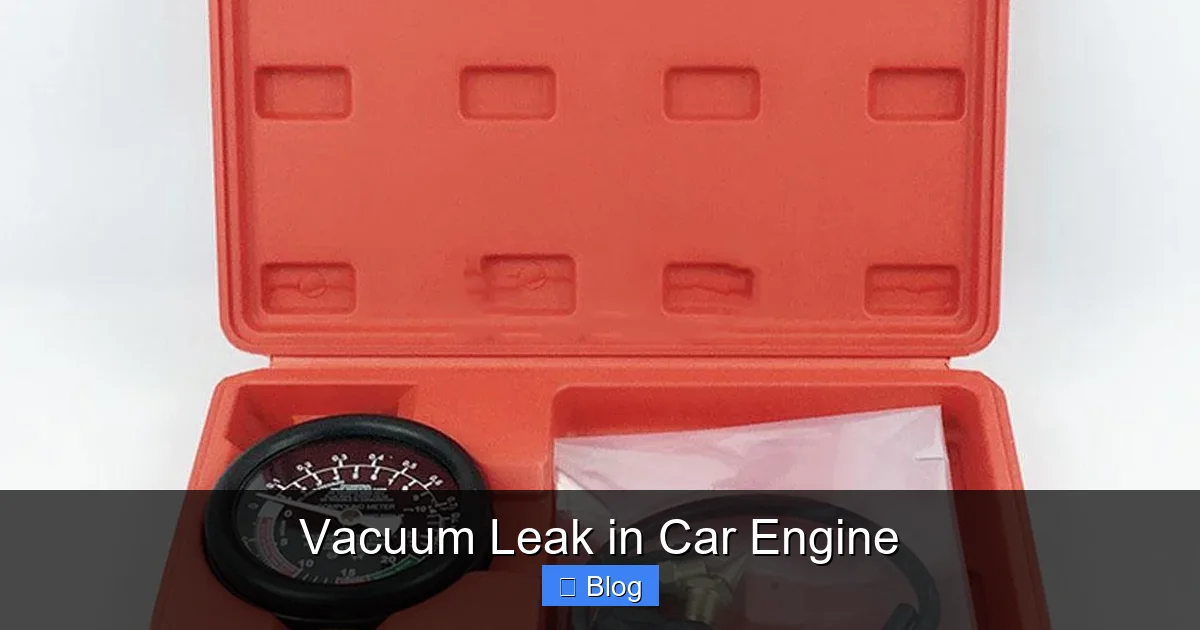
This old-school method works surprisingly well. With the engine running, carefully spray small amounts of carburetor cleaner or starting fluid around suspected leak areas (hoses, gaskets, throttle body). If the engine RPMs suddenly increase, it means the flammable spray is being sucked into the engine through a leak—confirming your suspicion.
Warning: Use this method cautiously. Avoid spraying near electrical components or open flames, and never spray large amounts. This test is best done in a well-ventilated area.
Smoke Machine Test (Professional Method)
For a definitive diagnosis, many mechanics use a smoke machine. This device pumps nontoxic smoke into the intake system while the engine is off. If there’s a leak, smoke will visibly escape from the compromised area—making it easy to pinpoint even the tiniest crack.
While you can buy DIY smoke testers for home use, they’re an investment. For most drivers, a trip to a trusted mechanic with professional equipment is the safest and most accurate option.
Repairing a Vacuum Leak
Replacing Damaged Hoses
If you’ve identified a cracked or brittle vacuum hose, replacement is usually straightforward. Most auto parts stores sell pre-cut vacuum hose kits or bulk tubing that you can cut to size. Make sure to use the correct diameter and material (typically fuel- and oil-resistant rubber).
Pro tip: Label hoses before removing them if they’re bundled together. This prevents confusion during reinstallation, especially on engines with multiple vacuum lines.
Reinstalling or Replacing Gaskets
For intake manifold or throttle body gasket leaks, you’ll need to remove the affected component, clean the mating surfaces thoroughly, and install a new gasket. Use a torque wrench to tighten bolts to manufacturer specifications—over-tightening can warp components and cause new leaks.
In some cases, applying a thin layer of high-temperature RTV silicone sealant (as recommended by the manufacturer) can help ensure a proper seal, especially on older aluminum manifolds prone to warping.
When to Seek Professional Help
While many vacuum leaks are DIY-friendly, some require specialized knowledge. For example, locating a leak in a complex turbocharged system or diagnosing an intermittent leak that only appears under specific conditions often calls for professional diagnostic tools and experience.
If your check engine light remains on after repairs, or if you’re unsure about the source of the problem, don’t hesitate to consult a qualified technician. Ignoring a persistent vacuum leak can lead to premature wear on oxygen sensors, catalytic converters, and even engine internals.
Preventing Future Vacuum Leaks
Regular maintenance is your best defense. During routine oil changes or inspections, ask your mechanic to check vacuum hoses and gaskets for signs of wear. Consider replacing all vacuum hoses every 60,000 to 100,000 miles as a preventive measure—especially if you live in a hot climate where rubber degrades faster.
Also, avoid using harsh chemicals or petroleum-based products near vacuum components, as they can accelerate rubber deterioration. And if you ever work on your engine yourself, handle hoses gently—don’t pull or twist them excessively when disconnecting.
By staying proactive, you’ll keep your engine running smoothly and avoid the frustration—and expense—of unexpected breakdowns caused by something as simple as a tiny air leak.
Frequently Asked Questions
What is the most common place for a vacuum leak?
The most common locations are cracked vacuum hoses, especially near the PCV valve, brake booster, and intake manifold connections. These rubber parts degrade over time and are prone to splitting.
Can a vacuum leak cause poor acceleration?
Yes. Because the engine receives unmetered air, the air-fuel mixture becomes too lean, causing hesitation, stumbling, or lack of power during acceleration.
How long does it take to fix a vacuum leak?
A simple hose replacement might take 15–30 minutes. More complex repairs, like replacing an intake manifold gasket, can take 2–4 hours depending on the vehicle.
Do all vacuum leaks cause a check engine light?
Not always. Small leaks may not trigger a code immediately, but they can still cause drivability issues like rough idle or poor fuel economy.
Can weather affect vacuum leaks?
Yes. Extreme heat can dry out and crack rubber hoses, while cold temperatures can make them stiff and brittle—both increasing the risk of leaks.
Is a smoke test safe for my engine?
Yes, when performed correctly. Professional smoke machines use nontoxic, oil-free smoke that won’t harm engine components or sensors.