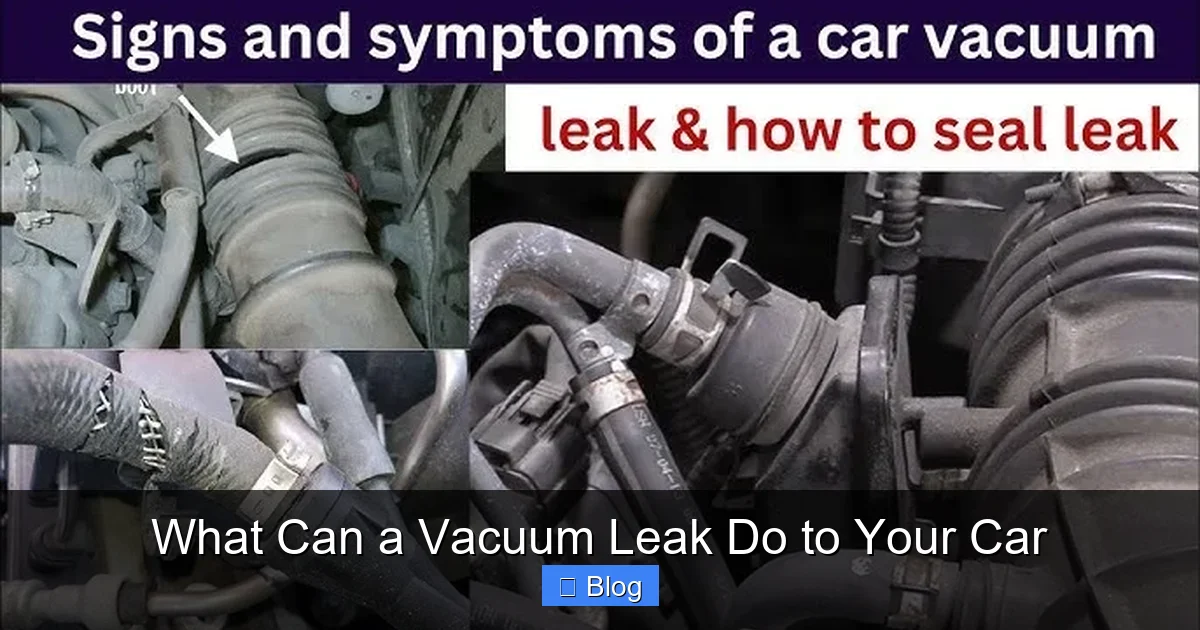
What Can a Vacuum Leak Do to Your Car?
A vacuum leak can seriously affect your vehicle’s performance. What can a vacuum leak do to your car? It can cause rough idling, engine misfires, poor fuel efficiency, and even stalling. When extra air enters the engine without proper measurement, it disrupts the air-fuel mixture, making the engine run too lean and unstable.
You may also notice warning signs like a check engine light, hissing noises from the engine bay, or delayed acceleration. In some cases, a vacuum leak can impact systems like the brakes or air conditioning, since many car components rely on proper vacuum pressure to function correctly.
Ignoring a vacuum leak can lead to bigger problems over time, including engine damage and higher repair costs. Identifying and fixing the issue early helps maintain smooth performance, improves fuel economy, and keeps your car running safely and efficiently.
Key Takeaways
- Vacuum leaks disrupt air-fuel balance: They allow unmetered air into the engine, causing a lean mixture that affects performance.
- Common symptoms include rough idle and stalling: Your car may shake at stoplights or die unexpectedly due to incorrect combustion.
- Fuel efficiency drops significantly: A lean condition forces the engine to work harder, burning more fuel than necessary.
- Check engine light may illuminate: Modern vehicles detect airflow irregularities and trigger diagnostic trouble codes (DTCs).
- Ignition timing can be affected: Vacuum signals used for timing advance may be compromised, reducing power and responsiveness.
- Long-term leaks can damage sensors: Oxygen sensors and catalytic converters may fail prematurely due to improper exhaust readings.
- DIY diagnosis is possible with basic tools: Using a smoke machine or carb cleaner spray, you can locate leaks without expensive equipment.
Quick Answers to Common Questions
Tip/Question?
Can I drive with a vacuum leak?
It’s not recommended. While short trips may be okay, prolonged driving can damage oxygen sensors and the catalytic converter due to improper exhaust readings.
Tip/Question?
Will a vacuum leak cause my car to fail emissions?
Yes. Because it creates a lean air-fuel mixture, your car may produce higher levels of NOx and fail an emissions test.
Tip/Question?
Is a vacuum leak the same as a head gasket leak?
No. A head gasket leak usually involves coolant or oil mixing with combustion gases, while a vacuum leak introduces unmetered air into the intake.
Tip/Question?
Can cold weather worsen a vacuum leak?
Absolutely. Cold temperatures make rubber hoses more brittle, increasing the chance of cracks and leaks.
Tip/Question?
Do electric cars have vacuum leaks?
Most don’t use engine vacuum, but some still have vacuum-assisted brakes powered by an electric pump—so leaks are still possible.
What Is a Vacuum Leak and Why Does It Matter?
Your car’s engine relies on precise control of air and fuel to run smoothly. The intake manifold creates a vacuum that helps draw in the correct amount of air. When a hose, gasket, or seal develops a crack or becomes loose, outside air sneaks in—this is called a vacuum leak. Because this air hasn’t passed through the mass airflow (MAF) sensor, the engine computer doesn’t account for it. As a result, the air-fuel mixture becomes too lean (too much air, not enough fuel), leading to a cascade of performance issues.
Understanding vacuum leaks is crucial because they’re often overlooked during routine maintenance. Unlike a flat tire or dead battery, vacuum leaks develop gradually and mimic other problems. But left unaddressed, they can reduce engine efficiency, increase emissions, and even cause costly damage over time.
Common Causes of Vacuum Leaks
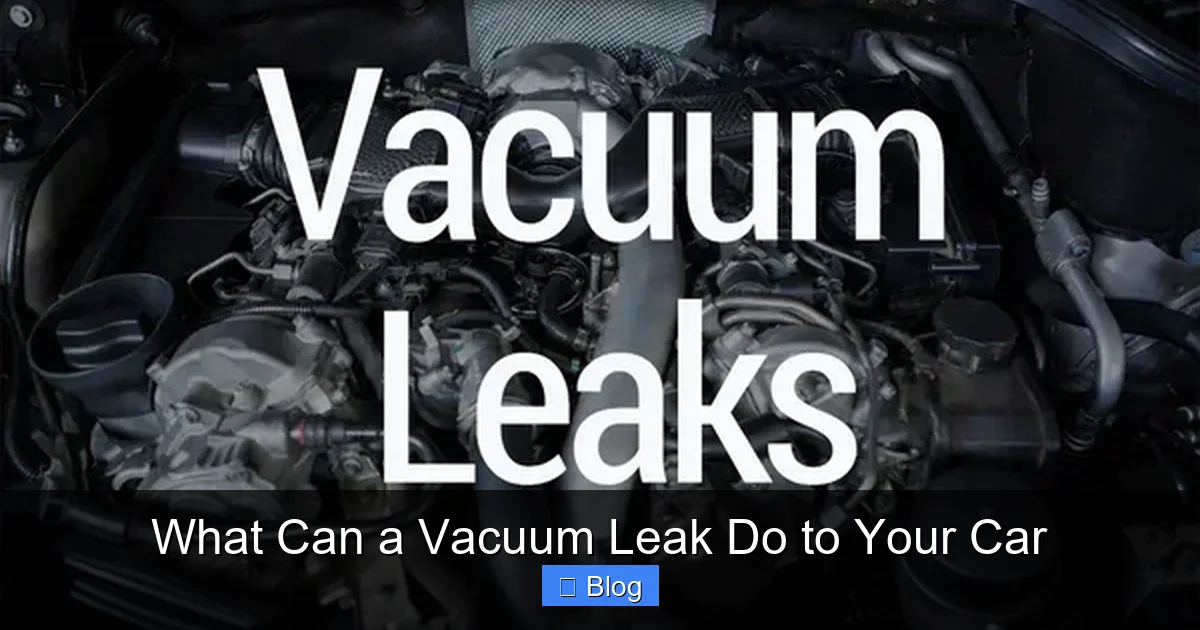
Visual guide about What Can a Vacuum Leak Do to Your Car
Image source: cgsulitstore.com
Vacuum leaks typically stem from wear and tear, poor installation, or environmental damage. Here are the most frequent culprits:
Cracked or Brittle Vacuum Hoses
Over time, rubber hoses harden and crack, especially near heat sources like the engine block. A small split might seem harmless, but even a pinhole can introduce enough extra air to throw off engine operation.
Faulty Intake Manifold Gaskets
These gaskets seal the intake manifold to the engine head. If they degrade or warp, air can seep in around the edges. This type of leak is often harder to detect because it’s internal.
Leaking PCV Valve or Hose
The Positive Crankcase Ventilation (PCV) system recirculates gases back into the intake. A stuck-open PCV valve or cracked hose creates an unintended air path.
Damaged Brake Booster Diaphragm
The brake booster uses engine vacuum to assist braking. If its internal diaphragm fails, it can draw excess air and cause a noticeable hissing sound when you press the brake pedal.
Loose or Misrouted Vacuum Lines
During repairs or maintenance, vacuum lines can be reconnected incorrectly or left dangling. Always double-check routing diagrams after working under the hood.
Signs and Symptoms of a Vacuum Leak
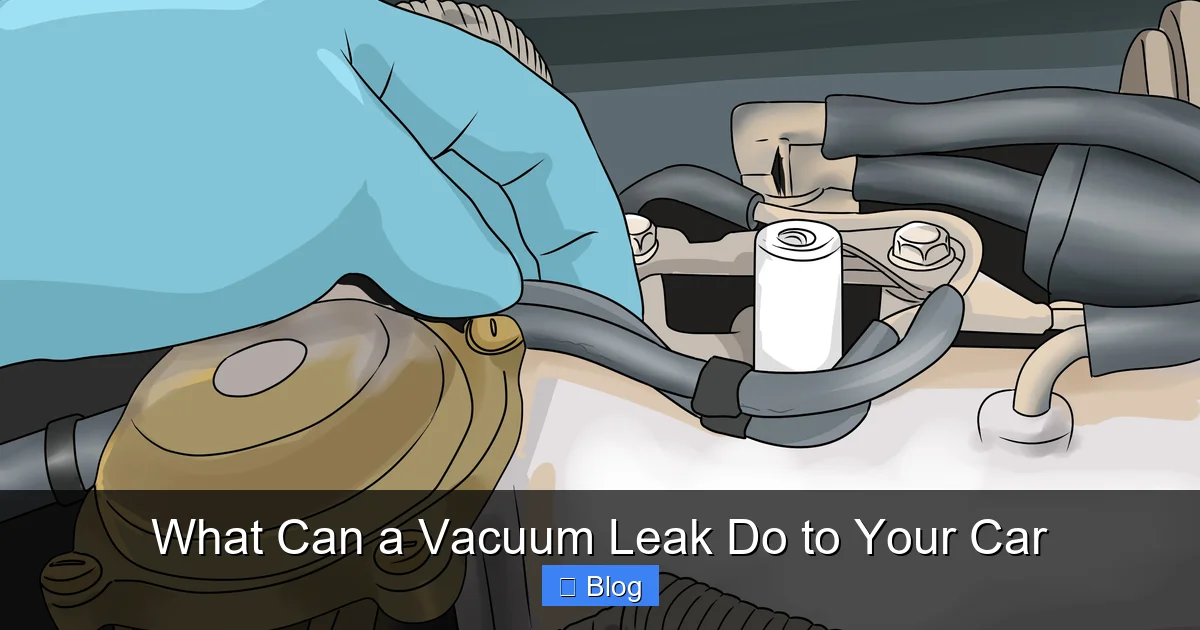
Visual guide about What Can a Vacuum Leak Do to Your Car
Image source: wikihow.com
Recognizing the warning signs early can save you from expensive repairs. Watch for these common indicators:
– **Rough or erratic idle**: The engine may surge, hesitate, or shake when stopped.
– **Hesitation during acceleration**: The car feels sluggish or bogs down when you press the gas.
– **High idle speed**: The RPMs stay elevated even when the engine is warm.
– **Check Engine Light (CEL)**: Codes like P0171 (System Too Lean) often point to vacuum leaks.
– **Poor fuel economy**: You’ll notice more frequent trips to the gas station.
– **Hissing or whistling noises**: Listen near the engine bay—especially when the car is idling.
If you experience any of these, it’s time to investigate further.
Tools and Materials
Before diving into diagnosis, gather these essentials:
Step-by-Step Guide to Diagnosing a Vacuum Leak
| Tool/Material | Purpose | Estimated Cost |
|---|---|---|
| Smoke machine | Introduces smoke into the intake to visually trace leaks | $100–$300 (rental available) |
| Carburetor cleaner spray | Spraying around hoses causes RPM changes if leak is present | $5–$10 |
| Multimeter | Tests sensor voltages affected by lean conditions | $20–$50 |
| Replacement vacuum hoses | Used to replace cracked or worn lines | $10–$30 per foot |
| Torque wrench | Ensures proper tightening of intake manifold bolts | $30–$80 |
Follow these steps to identify and confirm a vacuum leak:
Step 1: Perform a Visual Inspection
Start with the easiest method—look under the hood. Check all vacuum hoses for cracks, splits, or disconnections. Pay close attention to areas near the intake manifold, throttle body, and brake booster. Use a flashlight to inspect hard-to-reach spots.
Step 2: Listen for Hissing Sounds
With the engine running, carefully listen around the intake area. A steady hiss often indicates a leak. Use a mechanic’s stethoscope or a long screwdriver (place the tip on a component and your ear on the handle) to amplify sounds.
Step 3: Use Carb Cleaner Spray (Caution!)
⚠️ **Warning**: Only do this in a well-ventilated area and keep flames away.
Spray small amounts of carburetor cleaner around suspected hoses and gaskets while the engine idles. If the RPMs suddenly increase, it means the cleaner is being sucked into the engine through a leak—confirming its location.
Step 4: Conduct a Smoke Test (Professional Method)
A smoke machine pumps non-toxic smoke into the intake system. Leaks appear as wisps of smoke escaping from hoses, gaskets, or seals. This is the gold standard for accuracy and is often used by mechanics.
Step 5: Scan for Diagnostic Trouble Codes
Use an OBD2 scanner to check for codes like P0171 or P0174 (system too lean). While not all vacuum leaks trigger codes, these are strong indicators—especially if accompanied by driveability issues.
How to Fix a Vacuum Leak
Once you’ve located the leak, repair it promptly:
Replace Damaged Hoses
Cut out the damaged section and splice in a new hose using hose clamps. For best results, use OEM-spec tubing rated for high heat and fuel vapors.
Reinstall or Replace Gaskets
If the intake manifold gasket is leaking, remove the manifold, clean both surfaces thoroughly, and install a new gasket. Torque bolts in the correct sequence to avoid warping.
Service the PCV System
Remove the PCV valve and shake it—if it doesn’t rattle, it’s stuck. Replace it and inspect the connected hose for cracks.
Check Brake Booster Function
With the engine off, press the brake pedal several times to deplete vacuum. Hold the pedal down and start the engine—it should sink slightly. If not, the booster may be leaking.
Troubleshooting Common Issues
Sometimes, fixes don’t resolve the problem immediately. Here’s what to check:
– **Persistent lean codes after repair**: Could indicate a hidden leak or a faulty MAF sensor.
– **No change after hose replacement**: Re-inspect for multiple leaks—vacuum systems often have several weak points.
– **Engine still runs rough**: Consider carbon buildup on intake valves (common in direct-injection engines) or a failing fuel injector.
Preventing Future Vacuum Leaks
Prevention is easier than repair:
– Inspect vacuum lines during every oil change.
– Replace rubber hoses every 5–7 years, even if they look fine.
– Avoid using silicone-based sprays near sensors—they can cause false readings.
– Keep the engine bay clean to spot cracks early.
Conclusion
A vacuum leak might start small, but its impact on your car’s performance, fuel economy, and emissions can be significant. By understanding how vacuum systems work and recognizing the warning signs, you can catch leaks early and avoid costly repairs. Whether you use simple household tools or invest in professional equipment, timely diagnosis and repair keep your engine running smoothly and efficiently. Don’t ignore that hissing sound or rough idle—your car is trying to tell you something.