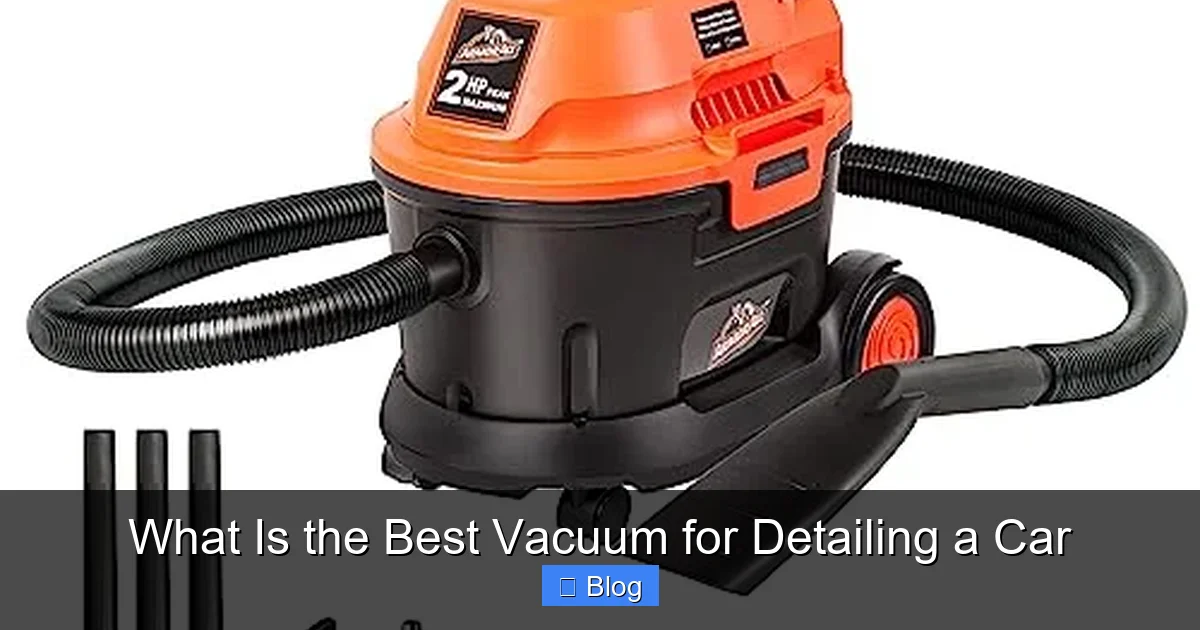
What Is the Best Vacuum for Detailing a Car?
What is the best vacuum for detailing a car? The best vacuum for car detailing is one that combines strong suction, portability, and specialized attachments to reach tight spaces. Look for vacuums with HEPA filters, multiple nozzle options, and wet-dry capability for a thorough clean. A compact, lightweight design makes it easy to maneuver around seats, carpets, and under the dashboard.
A quality car detailing vacuum helps remove dirt, dust, pet hair, and crumbs that accumulate over time. Cordless models offer convenience, while corded versions provide consistent power for longer cleaning sessions. Many come with brush attachments and crevice tools to ensure every corner of your car is spotless.
Choosing the right vacuum not only keeps your vehicle clean but also protects the interior surfaces from wear and damage. Investing in a reliable car detailing vacuum makes maintenance faster, more efficient, and leaves your car looking professionally cleaned every time.
What Is the Best Vacuum for Detailing a Car?
Welcome, fellow car enthusiast! If you’re here, you probably understand that a truly clean car isn’t just about a sparkling exterior; it’s about a pristine interior that feels fresh, inviting, and free of every last crumb and speck of dust. Achieving that level of perfection starts with the right tools, and among them, your vacuum cleaner is king. But with countless options on the market, how do you find the *best vacuum for detailing a car*?
Don’t worry, you’re in the right place! This comprehensive guide will walk you through everything you need to know. We’ll break down the essential features, discuss different types of vacuums, and even share tips on how to use them effectively to achieve professional-level results. By the end, you’ll be equipped to confidently choose the best car detailing vacuum for your needs and transform your car’s interior.
Key Takeaways
- Define Your Needs First: Before buying, consider if you’re a DIY enthusiast or a professional, the types of vehicles you’ll detail, and how often you’ll use the vacuum.
- Suction Power is Paramount: Look for high CFM (Cubic Feet per Minute) and Air Watts, as powerful suction is crucial for lifting stubborn dirt, pet hair, and debris from car carpets and upholstery.
- Portability and Maneuverability Matter: Car interiors are tight spaces. Opt for a vacuum that’s lightweight, compact, and easy to move around, whether it’s a handheld, canister, or smaller shop-vac.
- Specialized Attachments are Game-Changers: A good car detailing vacuum comes with a variety of nozzles, brushes, and crevice tools to reach every nook and cranny, ensuring a thorough clean.
- Wet/Dry Functionality is a Major Plus: For car detailing, a vacuum capable of handling both dry debris and liquid spills (even minor ones from shampooing) offers immense versatility and convenience.
- Effective Filtration is Essential: A multi-stage or HEPA filtration system prevents dust and allergens from being recirculated, contributing to a cleaner, healthier car interior.
Quick Answers to Common Questions
What’s the most important feature for car detailing?
Hands down, it’s suction power. Car carpets and upholstery trap dirt and pet hair tenaciously, so you need a vacuum with high Air Watts and CFM to truly lift debris effectively.
Should I get a corded or cordless vacuum for car detailing?
For extensive detailing, corded offers consistent power. For quick touch-ups or ultimate portability, cordless is great, but ensure it has sufficient battery life and power for your needs. Many detailers use both!
Are specialized car vacuums worth it?
They can be! Many are designed with car interiors in mind, featuring compact sizes and useful attachments. However, compare their suction power and overall build quality against a good shop vac or handheld to ensure you’re getting value.
How do I deal with pet hair in the car?
Beyond a powerful vacuum, consider a specialized pet hair attachment (often a mini-motorized brush). For stubborn spots, using a rubber glove or a dedicated pet hair brush before vacuuming can gather hair into clumps, making it easier to pick up.
Can I use my home vacuum for car detailing?
While possible for light cleaning, most home vacuums lack the compact size, specialized attachments, and robust suction needed to effectively clean car interiors. Their large size also makes them cumbersome in tight spaces.
Understanding Your Detailing Needs
Before we dive into specific features and models, let’s take a moment to consider *your* unique detailing requirements. Not every detailer or car owner needs the same vacuum.
Professional vs. DIY Detailer
Are you a professional detailer working on multiple vehicles daily, or a car owner who likes to keep their own ride immaculate on weekends?
- Professional Detailers: You’ll need a durable, powerful, and reliable vacuum that can withstand heavy, continuous use. Portability might be less critical if it’s a shop-based unit, but robust suction and a comprehensive set of attachments are non-negotiable.
- DIY Enthusiasts: You might prioritize portability, ease of storage, and versatility. While power is still important, you might not need the absolute top-tier industrial model. A good balance of features and price will likely be your sweet spot.
Vehicle Type and Frequency of Use
Consider the types of vehicles you detail and how often.
- Family Cars with Kids & Pets: You’ll likely face more crumbs, spills, and pet hair. A vacuum with strong suction and excellent attachments for upholstery and pet hair is crucial. Wet/dry functionality would be a huge bonus for spills.
- Luxury or Show Cars: You might need a more delicate touch with specific attachments for sensitive surfaces, though power for deep cleaning carpets is still important.
- Frequency: If you detail weekly, durability and ease of maintenance become more important. If it’s a monthly or quarterly affair, a slightly less robust model might suffice.
Key Features to Look for in a Car Detailing Vacuum
When searching for the best vacuum for detailing a car, certain features stand out. These are the elements that separate a good vacuum from a *great* one for car interiors.
Suction Power (CFM, Air Watts)
This is arguably the most critical factor. Car carpets and upholstery are designed to hold onto dirt, and you need serious power to dislodge it.
- CFM (Cubic Feet per Minute): Measures the volume of air the vacuum moves. Higher CFM means more air flow, which is excellent for picking up light, bulky debris like leaves or crumbs.
- Air Watts: A better overall indicator of cleaning power, as it accounts for both airflow (CFM) and suction (water lift). Higher air watts mean more effective deep cleaning, especially for embedded dirt and pet hair.
Tip: Don’t just look at horsepower (HP) for shop vacuums, as it doesn’t directly translate to cleaning power. Focus on CFM and Air Watts.
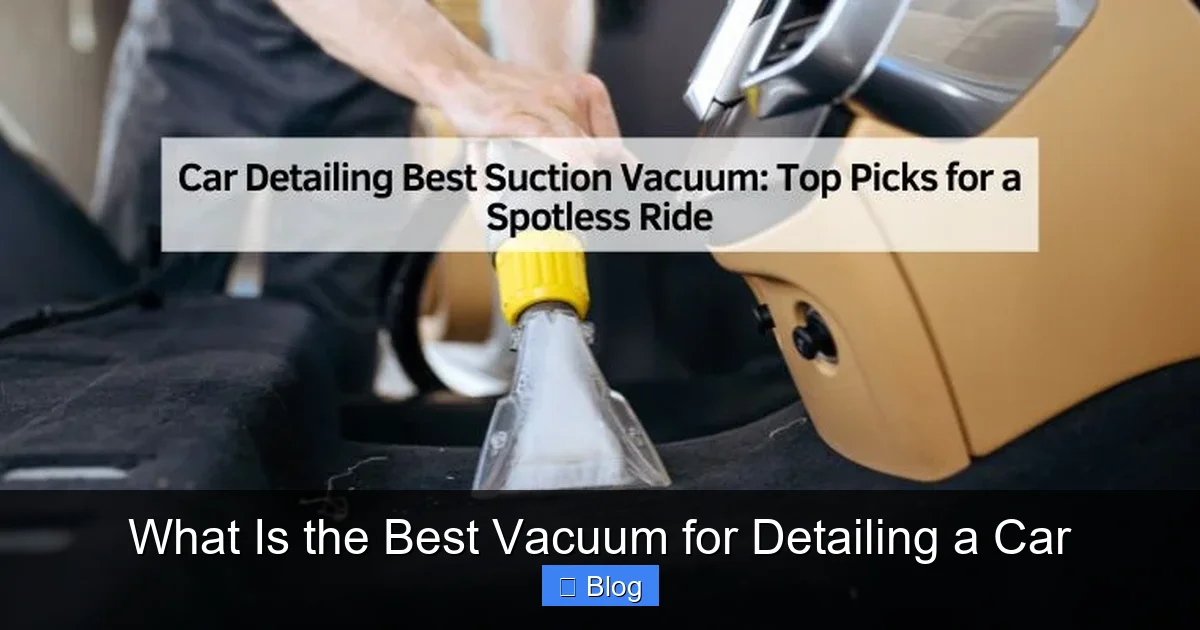
Visual guide about What Is the Best Vacuum for Detailing a Car
Image source: thedailyautomotive.com
Portability and Size
Car interiors are notoriously cramped. The best car detailing vacuum should be easy to maneuver.
- Compact Design: Smaller footprints mean easier storage and less hassle in tight spaces.
- Lightweight: You’ll be lifting and moving the vacuum frequently, so lighter models reduce fatigue.
- Wheels or Handles: Good quality wheels and comfortable handles make transport a breeze, especially for shop-vac style units.
Corded vs. Cordless
Each has its pros and cons for car detailing.
- Corded: Offers consistent, powerful suction for extended periods. Great for extensive detailing sessions without worrying about battery life. The main drawback is managing the cord.
- Cordless: Provides ultimate freedom of movement, perfect for quick clean-ups or getting into tricky spots without an outlet nearby. However, battery life and often slightly less power than corded equivalents are trade-offs. Look for models with swappable batteries or long runtimes.
Filtration System (HEPA, Bagged vs. Bagless)
A good filtration system is essential for health and cleanliness.
- HEPA Filter: Captures 99.97% of particles down to 0.3 microns, including dust mites, pollen, and pet dander. This is ideal for allergy sufferers and ensures a truly clean interior.
- Bagged Systems: Often offer multi-stage filtration and contain dust effectively, preventing release when emptying. Bags need to be purchased and replaced.
- Bagless Systems: More eco-friendly and cost-effective as there are no bags to buy. However, emptying can be a dusty process, and filters need regular cleaning.
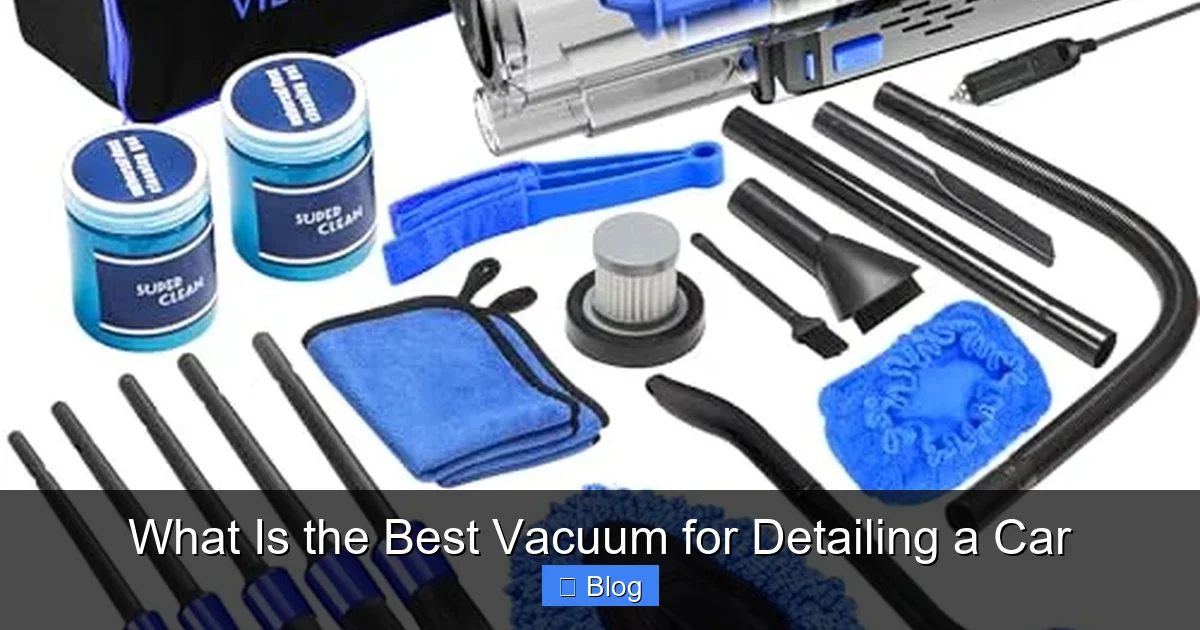
Attachments and Accessories
The right tools make all the difference when getting into every crevice.
- Crevice Tool: Absolutely essential for reaching between seats, door pockets, and console gaps.
- Brush Attachment: For agitating and lifting stubborn dirt from carpets and upholstery. Soft brushes for delicate surfaces.
- Upholstery Tool: Wider mouth for efficiently cleaning seats and floor mats.
- Pet Hair Tool: Often a mini-motorized brush designed specifically to lift embedded pet hair.
- Flexible Hose Extension: Increases reach and maneuverability.
Wet/Dry Functionality
This is a game-changer for car detailing.
- Wet Pickup: Allows you to suck up liquid spills, making it invaluable for cleaning spills or extracting water after shampooing carpets and upholstery. This versatility is a strong indicator of the best vacuum for detailing a car.
Noise Level
While not always a deal-breaker, a quieter vacuum makes detailing more pleasant, especially for extended sessions. Look for models with decibel ratings (dB) if noise is a concern.
Durability and Build Quality
You want a vacuum that can withstand the rigors of detailing. Look for sturdy construction, quality materials, and reputable brands.
Types of Vacuums Best Suited for Car Detailing
Visual guide about What Is the Best Vacuum for Detailing a Car
Image source: m.media-amazon.com
Let’s look at the popular categories and how they stack up.
Shop Vacuums (Wet/Dry Vacs)
Often considered the go-to choice for car detailing.
- Pros: Extremely powerful suction, large capacity, wet/dry functionality, very durable. Generally excellent value.
- Cons: Can be bulky and noisy. Larger units might be harder to maneuver inside the car.
- Ideal For: Professional detailers, serious DIYers, or those needing a versatile utility vacuum for garage and home.
Portable Handheld Vacuums
Compact and convenient.
- Pros: Super portable, great for quick touch-ups, extremely easy to maneuver in tight spots, often cordless.
- Cons: Generally less powerful suction than larger units, smaller capacity, shorter battery life for cordless models. Not suitable for deep cleaning.
- Ideal For: Quick cleans, supplementing a more powerful main vacuum, emergency spill cleanup.
Canister Vacuums
These have a separate canister unit on wheels and a long hose/wand.
- Pros: Powerful suction (often comparable to uprights), good maneuverability with the hose, wide range of attachments. Can be quieter than shop vacs.
- Cons: Can be cumbersome to pull around the car, especially if the wheels aren’t great. Not typically wet/dry.
- Ideal For: Those who prioritize strong dry suction and have space to maneuver.
Specialized Car Vacuums
These are often smaller, corded or cordless vacuums specifically marketed for car use.
- Pros: Designed with car interiors in mind, compact, often come with good car-specific attachments.
- Cons: Power can vary greatly; some are glorified handhelds, while others offer decent performance.
- Ideal For: Dedicated car owners who want a purpose-built tool without needing a full shop-vac.
Extractor Vacuums
While technically a vacuum, an extractor is a specialized tool for deep-cleaning carpets and upholstery by spraying cleaning solution and then vacuuming it up.
- Pros: Unmatched for deep cleaning and stain removal on fabric surfaces.
- Cons: More expensive, bulkier, and not designed for everyday dry vacuuming.
- Ideal For: Professional detailers or enthusiasts who frequently do full interior shampooing and stain removal. It’s a complement, not a replacement, for a regular car detailing vacuum.
Top Contenders (What to Look for in 2026)
As of 2026, the market continues to innovate. While specific models change, the characteristics of a top-tier detailing vacuum remain constant. When looking for the best vacuum for detailing a car, keep these “archetypes” in mind:
The All-Around Workhorse: Enhanced Shop Vac
Expect shop vacs to continue dominating this category, but with significant improvements. Look for models with:
- Advanced Motor Technology: More power (high Air Watts) in a smaller, quieter package.
- Improved Filtration: Multi-stage filtration systems that are easier to clean and maintain, possibly integrated HEPA options.
- Smart Features: Some might even include app connectivity for maintenance reminders or filter status.
- Robust Accessory Kits: Comprehensive sets of nozzles, brushes, and durable hoses specifically designed for car interiors.
The Ultimate Portability Pick: High-Power Cordless Handheld
Cordless technology will continue to advance, making these more viable as primary detailers.
- Lithium-Ion Battery Evolution: Expect longer runtimes and quicker charge times with higher voltage batteries.
- Brushless Motors: Delivering more power and efficiency in a lighter unit.
- Integrated LED Lights: Helping illuminate dark corners of the car.
- Specialized Car Attachments: Coming standard, making them truly effective inside a vehicle.
The Deep Cleaning Specialist: Compact Commercial-Grade Wet/Dry
For those who demand ultimate cleanliness and want wet/dry extraction capability in one unit.
- Enhanced Suction and Water Lift: For thorough extraction of water and cleaning solutions.
- Durable Tanks and Hoses: Built to withstand commercial use.
- User-Friendly Drainage: Easier and cleaner ways to empty liquid waste.
- Quiet Operation: Important for professionals working in client-facing environments.
How to Effectively Use Your Car Detailing Vacuum
Having the best vacuum for detailing a car is only half the battle; knowing how to use it is key to achieving that showroom finish.
Preparation is Key
- Remove Large Debris: Before vacuuming, remove floor mats (and shake them out vigorously), trash, toys, and any large items from the car. This prevents clogging and allows for a more thorough vacuum.
- Brush Carpets First: For heavily soiled carpets or those with embedded pet hair, use a stiff brush or a carpet rake to agitate the fibers and bring dirt to the surface.
Choosing the Right Attachment
This is where your vacuum’s versatility shines.
- Crevice Tool: Essential for tight spots like between seats, under the console, and in door pockets. Take your time to get into every nook.
- Brush Attachment: Use a softer brush for dashboard and console dusting, and a stiffer brush for agitating carpet fibers to loosen dirt before vacuuming.
- Upholstery Tool: Ideal for cleaning seats and floor mats efficiently.
Technique for Different Surfaces
- Carpets: Use overlapping passes, moving slowly to allow the suction to do its work. Go in multiple directions (front-to-back, side-to-side) to lift all embedded dirt. For stubborn areas, use a brush attachment first.
- Upholstery: Use the upholstery tool. Start at the top of the seats and work your way down. Pay extra attention to seams and creases.
- Hard Surfaces (Dash, Console, Door Panels): Use a soft brush attachment on low suction or a detailing brush to dislodge dust, then vacuum it up with a crevice tool or small nozzle. Never use a harsh brush directly on sensitive surfaces.
Dealing with Tough Spots
- Pet Hair: A dedicated pet hair tool (often a mini-motorized brush) is best. Alternatively, use a rubber glove, pet hair brush, or specific pet hair removal tool to gather hair into clumps before vacuuming.
- Sticky Spills/Stains: For dried, sticky messes, gently scrape away what you can first. For wet spills, a wet/dry vacuum is invaluable. For set-in stains, pre-treat with an appropriate cleaner before vacuuming (or using an extractor).
Post-Vacuum Cleaning
After vacuuming, follow up with appropriate interior cleaners and protectants for a complete detail. For example, use carpet spot cleaner, upholstery cleaner, or interior detailer on hard surfaces.
Maintenance for Longevity
To ensure your best vacuum for detailing a car serves you well for years, proper maintenance is crucial.
Emptying and Cleaning Filters
- Empty Frequently: Don’t wait until the vacuum is full. For bagless systems, empty the canister after each significant use. For bagged systems, replace the bag when it’s about 2/3 full.
- Clean Filters Regularly: Washable filters should be cleaned according to the manufacturer’s instructions (usually rinse with water and air dry completely). Non-washable filters need to be tapped out or replaced periodically. A clogged filter severely reduces suction power.
Storing Your Vacuum Properly
- Neat Storage: Coil cords neatly and store attachments in their designated spots. This prevents damage and keeps everything organized for your next detailing session.
- Dry Environment: Store your vacuum in a dry, clean area to prevent rust or mildew, especially if it’s a wet/dry model.
Troubleshooting Common Vacuuming Issues
Even with the best vacuum for detailing a car, you might encounter a snag or two.
Loss of Suction
- Check for Clogs: The most common culprit. Inspect the hose, attachments, and main intake for blockages.
- Filter Status: A dirty or clogged filter will drastically reduce suction. Clean or replace it.
- Bag/Canister Full: Empty the bag or canister.
- Hose/Seal Damage: Check for cracks or loose connections in the hose or around seals that could be causing air leaks.
Overheating
- Clogged Airflow: Overheating is often caused by restricted airflow. Check for clogs in the hose, filter, or intake.
- Motor Strain: If you’re running the vacuum for very long periods, give it a break. Ensure you’re not trying to vacuum something too heavy for the motor.
Odors
- Dirty Canister/Bag: Odors can emanate from a dirty bag or canister, especially if you’ve vacuumed wet or organic material. Empty and clean thoroughly.
- Filter: A dirty filter can also hold odors. Clean or replace it.
- Hose: Sometimes the hose itself can trap odors. Run warm, soapy water (if wet/dry) or a cleaning solution through it, or replace it if necessary.
Conclusion
Choosing the best vacuum for detailing a car isn’t just about buying the most expensive model; it’s about understanding your specific needs and matching them with the right features. Whether you opt for a powerful shop vac, a versatile cordless handheld, or a specialized car detailing vacuum, the key is to prioritize strong suction, effective filtration, useful attachments, and robust build quality.
Armed with this knowledge, you’re now ready to make an informed decision and invest in a tool that will elevate your car detailing game to a professional level. Remember, a clean car interior isn’t just aesthetically pleasing; it enhances your driving experience and preserves your vehicle’s value. Happy detailing!