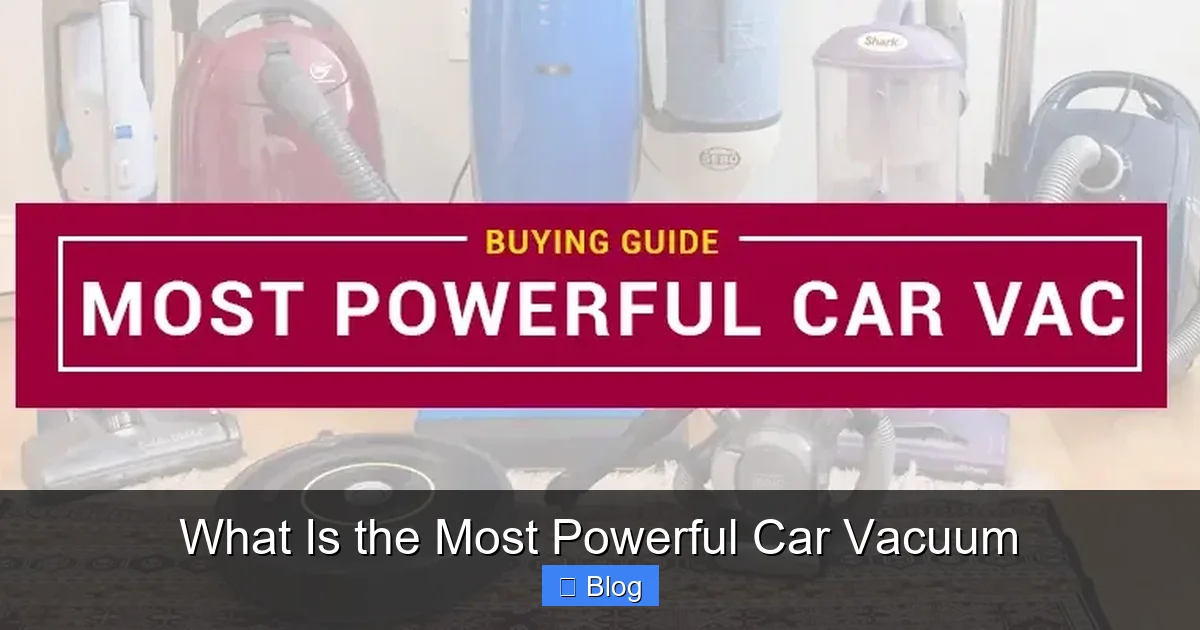
What Is the Most Powerful Car Vacuum?
What is the most powerful car vacuum? The most powerful car vacuum is one that delivers high suction, efficient dirt pickup, and reliable performance in a compact design. These vacuums are specifically built to clean every corner of your vehicle, from carpets to tight crevices, removing dust, crumbs, and debris with ease. High airflow and strong suction are the key factors that make a car vacuum truly powerful.
When choosing the most powerful car vacuum, consider its motor strength, airflow rate, and versatility. Cordless models offer convenience, while corded options usually provide stronger suction. Additional features like HEPA filters, multiple attachments, and long hoses can make cleaning faster and more thorough, especially for larger vehicles.
A powerful car vacuum not only keeps your vehicle spotless but also helps maintain a healthier interior environment by removing allergens and dust. Investing in the right vacuum ensures efficient cleaning every time, saving both effort and time.
What Is the Most Powerful Car Vacuum?
Welcome, fellow car enthusiasts and cleanliness crusaders! If you’re tired of battling stubborn pet hair, embedded sand, or those mysterious crumbs that seem to multiply overnight in your vehicle, you’ve landed in the right place. We all dream of a car interior so pristine it could pass for new, but achieving that often requires more than just a quick swipe with a flimsy handheld. It demands power – serious, deep-cleaning power.
In this comprehensive guide, we’re not just looking for “a good car vacuum.” We’re on a quest to uncover *what truly defines* the most powerful car vacuum on the market in 2026. We’ll demystify the technical jargon, explore different types, and arm you with the knowledge to make an informed decision, ensuring your next car vacuum is an absolute powerhouse capable of tackling anything your interior throws at it. Get ready to transform your car cleaning routine from a chore into a triumph!
Key Takeaways
- Power is More Than Just Suction: The “most powerful car vacuum” isn’t solely defined by a single suction number. It’s a combination of Air Watts (AW), Cubic Feet per Minute (CFM), and Kilopascals (kPa), alongside motor efficiency and effective nozzle design, that dictates true cleaning capability.
- Understand Key Power Metrics: Air Watts (AW) measure actual cleaning power, CFM indicates airflow for picking up light debris, and kPa (or inches of mercury) signifies suction strength for lifting heavier dirt. A balance of these is crucial for versatile cleaning.
- Corded Often Outperforms Cordless for Raw Power: While cordless vacuums offer unmatched convenience, corded models, especially those designed for detailing or shop use, typically deliver sustained, higher raw power for the toughest jobs without battery limitations.
- Attachments and Filtration Matter: Even the most powerful motor needs the right tools. Specialized attachments like crevice tools, brush nozzles, and wide floorheads, combined with multi-stage HEPA filtration, significantly enhance a vacuum’s overall effectiveness and cleaning power.
- Consider Your Specific Needs: The “most powerful” vacuum for you depends on your car’s condition, frequency of use, and specific challenges (pet hair, sand, spills). A heavy-duty wet/dry shop vac might be overkill for light detailing, while a small handheld won’t cut it for a frequently used family vehicle.
- Maintenance Ensures Peak Performance: Regularly cleaning filters, emptying the dustbin, and checking hoses for blockages are vital steps to ensure your powerful car vacuum maintains its optimal suction and cleaning efficiency over time.
Quick Answers to Common Questions
What’s the best way to clean pet hair from car carpets?
For pet hair, the most powerful car vacuum should have a motorized brush head. These attachments agitate and lift embedded hair from carpet fibers much more effectively than suction alone. A rubber brush or squeegee tool can also help gather loose hair before vacuuming.
How often should I clean my car vacuum’s filter?
For optimal performance, check and clean your car vacuum’s filter after every 2-3 significant uses, or whenever you notice a drop in suction power. If it’s a washable filter, let it air dry completely before reinserting. Replacing disposable filters according to manufacturer guidelines is crucial for maintaining a powerful car vacuum.
Can I use a household vacuum for my car?
While you *can* use some household vacuums, dedicated powerful car vacuums or compact shop vacs are usually better. They often come with specialized nozzles for tight car spaces, are more durable for tougher car messes, and are designed for portability. Using a bulky upright household vacuum can be cumbersome and ineffective in a car’s confined space.
Is a higher motor wattage always better for car vacuum power?
Not necessarily. While a higher motor wattage indicates more electrical power consumed, it doesn’t directly translate to more effective cleaning power at the nozzle. Focus instead on Air Watts (AW), which measure the actual cleaning power produced, considering both suction and airflow. An efficient motor can achieve high AW with moderate wattage.
What’s the secret to reaching under seats and in tight crevices?
The secret lies in having the right attachments. A long, narrow crevice tool is essential for reaching between seats and console gaps. For deeper access under seats, a flexible hose extension combined with a crevice tool can work wonders. Some powerful car vacuums also offer angled or hinged nozzle designs specifically for these challenging areas.
Understanding Car Vacuum Power: More Than Just “Strong Suction”
When we talk about the “most powerful car vacuum,” it’s easy to assume it simply means the one that sucks the hardest. While suction is definitely a key factor, true power is a multifaceted concept. It’s a harmonious blend of several metrics working together to deliver superior cleaning. Let’s break down what truly makes a car vacuum powerful.
Decoding the Metrics of Power
To accurately compare car vacuums, you need to understand the numbers that manufacturers often provide.
- Air Watts (AW): This is arguably the single most important metric for overall cleaning power. Air Watts measure the actual power delivered at the end of the hose, taking into account both airflow and suction. Think of it as the effective “work” the vacuum can do. A higher AW rating generally means better cleaning performance on a variety of debris. For a truly powerful car vacuum, look for models boasting 150 AW and above, with top-tier professional-grade vacuums reaching 250 AW or more.
- Cubic Feet per Minute (CFM): CFM measures the volume of air moving through the vacuum per minute. High CFM is excellent for picking up light, bulky debris like pet hair, leaves, or puffed snacks. It’s the “airflow” component. A powerful car vacuum will often have a high CFM to efficiently clear larger areas.
- Kilopascals (kPa) or Inches of Mercury (inHg): These metrics measure static pressure or raw suction strength. High kPa or inHg values indicate how well a vacuum can lift heavy, embedded dirt and sand from carpets or upholstery. It’s the “lifting power.” For heavy-duty cleaning, you’ll want a vacuum with robust kPa figures.
- Motor Wattage (W) / Horsepower (HP): While related, motor wattage or horsepower is not a direct measure of cleaning power. It tells you how much electrical power the motor *consumes*, not necessarily how much effective cleaning power it *generates*. A vacuum with a highly efficient motor can have lower wattage but still deliver excellent AW, CFM, and kPa.
The takeaway? Don’t just look for high motor wattage. Instead, prioritize Air Watts (AW) for a true indication of a vacuum’s overall cleaning prowess. A powerful car vacuum strikes a great balance across all these metrics.
Key Features That Contribute to a Powerful Car Vacuum
Beyond the raw numbers, several design and functional features significantly boost a car vacuum’s effective power and usability.
Robust Motor and Build Quality
A powerful car vacuum needs a motor built to last and to handle continuous, demanding use. Look for:
- Brushless Motors (for cordless): These are more efficient, quieter, and offer a longer lifespan than traditional brushed motors, translating to better sustained power in cordless units.
- Heavy-Duty Construction: A durable housing and quality components ensure the vacuum can withstand the knocks and bumps of regular car cleaning.
Advanced Filtration Systems
A powerful vacuum won’t stay powerful if its filter constantly clogs.
- HEPA Filtration: Essential for trapping fine dust, allergens, and microscopic particles, preventing them from being expelled back into your car’s air. Clean filters maintain optimal suction.
- Multi-Stage Filtration: Many powerful vacuums use several layers of filtration (e.g., cyclone separation, pre-filter, main filter) to protect the motor and prolong filter life, ensuring consistent power.
Optimized Hose and Nozzle Design
The pathway for debris is crucial.
- Wide-Diameter Hoses: Minimize blockages and allow for better airflow, especially when dealing with larger debris.
- Specialized Attachments: A suite of effective tools is vital. Look for:
- Motorized brush heads: Incredibly effective at agitating and lifting embedded dirt and pet hair from carpets and upholstery.
- Crevice tools: Long, narrow nozzles to reach tight spots between seats and consoles.
- Dusting brushes: Soft bristles for vents, dashboards, and delicate surfaces.
- Upholstery tools: Wider nozzles with lint strips or brushes for fabric surfaces.
Container Capacity and Ease of Emptying
A powerful car vacuum handles a lot of dirt, so a decent-sized dustbin is important.
- Large Capacity: Reduces the frequency of emptying, allowing you to clean your entire car without interruption.
- Easy-Empty Design: Look for bagless models with simple one-touch emptying mechanisms to make cleanup quick and mess-free.
Types of Vacuums That Offer the Most Power for Your Car
When searching for the most powerful car vacuum, you’ll generally encounter a few categories, each with its own strengths.
Corded Car Vacuums: The Uninterrupted Powerhouses
For sheer, consistent, raw power, corded vacuums often take the crown.
- Pros: Unlimited runtime, consistent high suction, often higher AW/CFM/kPa ratings than cordless counterparts. No battery degradation concerns.
- Cons: Limited by cord length, requires an accessible power outlet (wall or car’s 12V), less portable.
Who it’s for: Detailers, car enthusiasts who clean regularly at home or in a garage, anyone needing maximum, uninterrupted power for deep cleans.
Wet/Dry Shop Vacuums: The Ultimate Heavy-Duty Option
Often overlooked for car cleaning, a compact wet/dry shop vac can be an incredibly powerful car vacuum, especially for extreme messes.
- Pros: Extremely high AW/CFM/kPa, can handle liquids (spills, wet carpets), large capacity, durable build. Many come with versatile attachments.
- Cons: Can be bulky, louder, may require purchasing specific car detailing attachments separately.
Who it’s for: Pet owners, parents, off-road enthusiasts, those who frequently deal with heavy dirt, sand, mud, or liquid spills.
High-End Cordless Car Vacuums: Powerful Portability
While generally not matching the absolute peak power of corded models, modern cordless technology has come a long way.
- Pros: Unmatched portability and convenience, quick cleanup, great for minor messes and touch-ups. Advances in battery tech (e.g., 20V+ lithium-ion) offer impressive power bursts.
- Cons: Limited runtime, power can diminish as the battery drains, often pricier for comparable power.
Who it’s for: Those prioritizing convenience and quick cleanups, people without easy access to power outlets, or those who want a strong, versatile vacuum for both car and home.
Top Contenders for the Most Powerful Car Vacuum (Categories)
Instead of specific models (as brands and models evolve rapidly), let’s look at the types of vacuums that consistently deliver top-tier power:
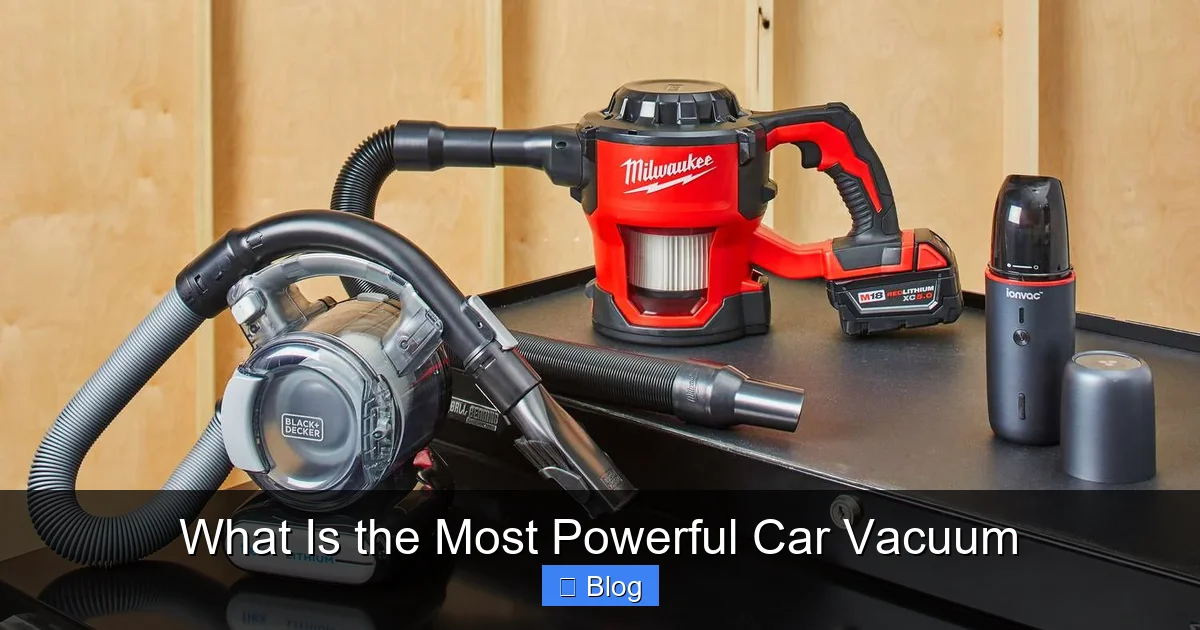
- Professional-Grade Detailer Vacuums: These are purpose-built corded units often found in detailing shops. They feature powerful motors, excellent AW ratings, and a wide array of specialized nozzles for every nook and cranny. Look for models explicitly marketed for auto detailing.
- Compact Wet/Dry Shop Vacs (5-8 Gallon Range): Brands like Vacmaster, Stanley, or specific auto-focused versions of larger brands offer models that balance high power (often 4-6 peak HP) with a manageable size for car use. They excel at deep carpet cleaning and handling various debris types.
- Premium Cordless Handhelds/Stick Vacuums (with high voltage/AW): Brands known for their powerful cordless home vacuums (e.g., Dyson, Shark, Ryobi, Milwaukee M18/M12 systems) often have handheld or stick vac attachments that, while expensive, provide exceptional cordless power for car interiors. Look for models with strong motorhead attachments.
How to Choose Your Ultimate Powerhouse Car Vacuum
Selecting the most powerful car vacuum for *your* needs involves a bit of self-reflection.
Step 1: Assess Your Car Cleaning Habits and Needs
Consider the following:
Visual guide about What Is the Most Powerful Car Vacuum
Image source: thespruce.com
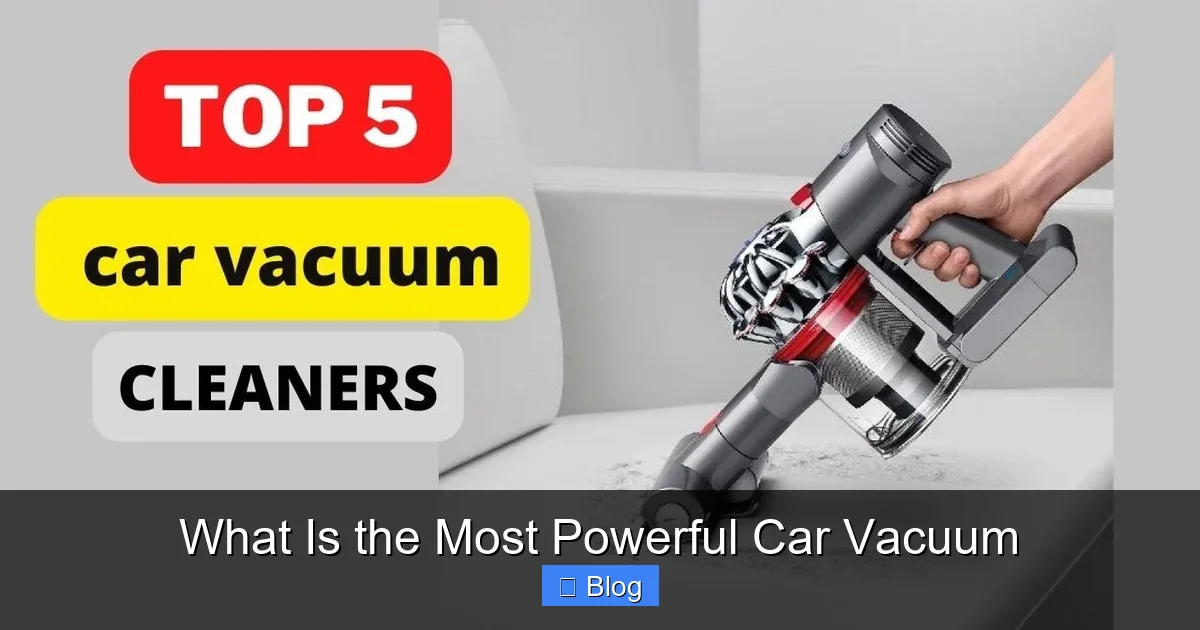
Visual guide about What Is the Most Powerful Car Vacuum
Image source: i.ytimg.com
- What kind of mess do you typically deal with?
- Light dust, crumbs, pet hair: A strong cordless might suffice.
- Heavy sand, mud, embedded dirt, pet hair galore: You’ll need a corded detailer or a shop vac.
- Occasional spills: A wet/dry vac is essential.
- How often do you clean your car?
- Daily/Weekly touch-ups: A powerful cordless is convenient.
- Monthly deep cleans: A corded model or shop vac offers consistent power.
- Where do you typically clean your car?
- Garage with outlets: Corded options are great.
- Street parking/no nearby outlets: Cordless is your only viable option.
Step 2: Prioritize Power Metrics Based on Your Messes
Remember the metrics we discussed:
- For pet hair, leaves, or general light debris: Focus on high CFM.
- For deeply embedded sand, gravel, or matted dirt: High kPa/inHg and good Air Watts are key.
- For all-around versatility and heavy cleaning: Look for a balanced high AW rating.
Step 3: Evaluate Attachments and Accessories
Even the most powerful motor is useless without the right tools. Make sure the vacuum comes with or has available:
- A good quality crevice tool.
- An effective upholstery tool.
- A motorized brush head for carpets (especially if you have pets or kids).
- A flexible hose extension for reaching awkward spots.
Step 4: Consider Portability vs. Sustained Power
Do you need the freedom of movement (cordless) or the consistent, unwavering power of a corded unit? Think about where you store the vacuum and how easily you can move it around your vehicle.
Step 5: Don’t Forget Filtration and Capacity
A powerful car vacuum needs to capture debris effectively and hold it. Ensure it has a good filtration system (preferably HEPA) and a dustbin large enough for a full car clean without constant emptying.
Maintenance for Peak Performance of Your Powerful Car Vacuum
Even the most powerful car vacuum can lose its edge if not properly maintained.
H3: Regular Filter Cleaning/Replacement
This is paramount. Clogged filters drastically reduce suction and airflow. Follow manufacturer guidelines for cleaning (washing reusable filters) or replacing disposable ones. This simple step ensures your powerful car vacuum maintains its optimal performance.
H3: Empty the Dustbin Promptly
Don’t let the dirt accumulate. A full dustbin restricts airflow and can strain the motor. Empty it after each significant cleaning session.
H3: Check Hoses and Nozzles for Blockages
Periodically inspect the hose and any attachments for lodged debris. Even a small blockage can significantly reduce effective suction.
H3: Keep Attachments Clean
Brush rolls, especially, can get tangled with hair. Clean them regularly to ensure they can agitate and lift dirt effectively.
Troubleshooting Common Power Issues
Even with a powerful car vacuum, you might encounter issues. Here’s what to check:
H3: Low Suction
- Check the dustbin: Is it full?
- Inspect filters: Are they dirty or clogged? Clean or replace them.
- Look for blockages: Is the hose or an attachment clogged?
- Ensure proper assembly: Is everything clicked into place securely? Leaks can reduce suction.
H3: Motor Running But No Suction
- This almost always points to a severe blockage. Disassemble the hose, attachments, and main suction path to locate and clear the obstruction.
- Check if the dustbin/canister is properly sealed.
H3: Short Battery Life (Cordless Vacuums)
- Check battery age: Lithium-ion batteries degrade over time.
- Ensure full charge: Are you charging it completely?
- High power mode usage: Consistently using the highest power setting will drain the battery faster. Use it judiciously.
Conclusion: Empower Your Car Cleaning
The quest for the most powerful car vacuum isn’t just about buying the biggest or loudest machine. It’s about understanding the science behind cleaning power, knowing your specific needs, and selecting a vacuum that offers the optimal balance of Air Watts, CFM, thoughtful design, and durable construction.
By focusing on metrics like Air Watts, prioritizing effective attachments, considering corded vs. cordless, and committing to simple maintenance, you can confidently choose a powerful car vacuum that will keep your vehicle’s interior looking immaculate. Say goodbye to neglected grime and hello to a consistently spotless ride. Happy vacuuming!