What Does a Vacuum Pump Do for a Car?
A vacuum pump in a car is responsible for creating and maintaining vacuum pressure that helps power various engine and vehicle systems, especially in engines that do not naturally produce enough vacuum on their own. What Does a Vacuum Pump Do for a Car? It supports components like the brake booster, emissions control systems, and other vacuum-operated parts by ensuring they receive the necessary pressure to function properly.
In many modern vehicles, particularly diesel engines and some turbocharged engines, the vacuum pump plays a crucial role because these engines generate limited natural vacuum. Without it, systems like power brakes may feel stiff, making it harder to stop the vehicle safely. The pump ensures consistent and reliable performance of these systems under different driving conditions.
A failing vacuum pump can lead to warning signs such as hard brake pedals, reduced braking efficiency, or unusual noises. Maintaining a properly working vacuum pump helps ensure smooth braking, better engine performance, and overall vehicle safety.
Key Takeaways
- Creates Engine Vacuum: A vacuum pump generates suction to support systems that rely on vacuum pressure, especially in engines with low natural vacuum.
- <>Supports Power Brakes: It ensures consistent brake assist by maintaining vacuum for the brake booster, improving safety and pedal feel.
- <>Enables Emissions Control: Helps operate EGR valves, PCV systems, and other emissions components that depend on vacuum signals.
- <>Essential for Turbocharged and Diesel Engines: These engines often lack sufficient vacuum, making an electric or mechanical vacuum pump necessary.
- <>Improves Engine Efficiency: By supporting auxiliary systems, it reduces engine load and improves overall performance.
- <>Requires Regular Maintenance: Check for leaks, worn hoses, and pump operation to avoid system failures.
- <>Can Be Mechanical or Electric: Mechanical pumps run off the engine; electric ones offer on-demand vacuum and are common in modern vehicles.
Quick Answers to Common Questions
Tip/Question?
Can a car run without a vacuum pump?
Yes, but only if the engine naturally produces enough vacuum and all systems are designed to work without one. Most modern cars, especially diesels and turbocharged models, rely on a vacuum pump for safe and efficient operation.
Tip/Question?
How often should I check my vacuum pump?
Inspect vacuum hoses and connections during every oil change. Listen for unusual noises and test pump operation if you notice braking or performance issues.
Tip/Question?
Is an electric vacuum pump better than a mechanical one?
Electric pumps are more efficient and offer on-demand operation, making them ideal for modern engines. Mechanical pumps are simpler but can create engine drag.
Tip/Question?
Can I drive with a bad vacuum pump?
It’s not recommended. A failed pump can lead to hard brakes, poor emissions control, and system malfunctions. Address the issue promptly for safety.
Tip/Question?
Do all cars have a vacuum pump?
No. Many gasoline engines use intake manifold vacuum and don’t need a separate pump. But turbocharged, diesel, and hybrid vehicles often require one.
What Does a Vacuum Pump Do for a Car?
If you’ve ever pressed your brake pedal and noticed it feels firm and responsive, you’ve experienced the work of a vacuum pump—even if you didn’t know it. A vacuum pump plays a quiet but vital role in your car’s operation, supporting systems that rely on suction to function properly. From helping you stop safely to reducing harmful emissions, this small component has a big impact.
In this guide, you’ll learn exactly what a vacuum pump does, how it works, which cars need one, and how to maintain it. Whether you’re a DIY mechanic or just curious about your vehicle’s inner workings, this complete how-to will give you the knowledge you need.
How Does a Vacuum Pump Work?
Visual guide about What Does a Vacuum Pump Do for a Car
Image source: vacuumdecision.com
At its core, a vacuum pump creates negative pressure—commonly called “vacuum”—by removing air from a sealed space. In cars, this vacuum is used to operate various mechanical and pneumatic systems. Most gasoline engines naturally produce vacuum in the intake manifold during operation, thanks to the pistons drawing in air. But not all engines generate enough vacuum, especially at idle or under certain conditions.
That’s where a vacuum pump steps in. It supplements or replaces the engine’s natural vacuum to ensure consistent performance of critical systems.
Types of Vacuum Pumps
There are two main types of vacuum pumps used in vehicles:
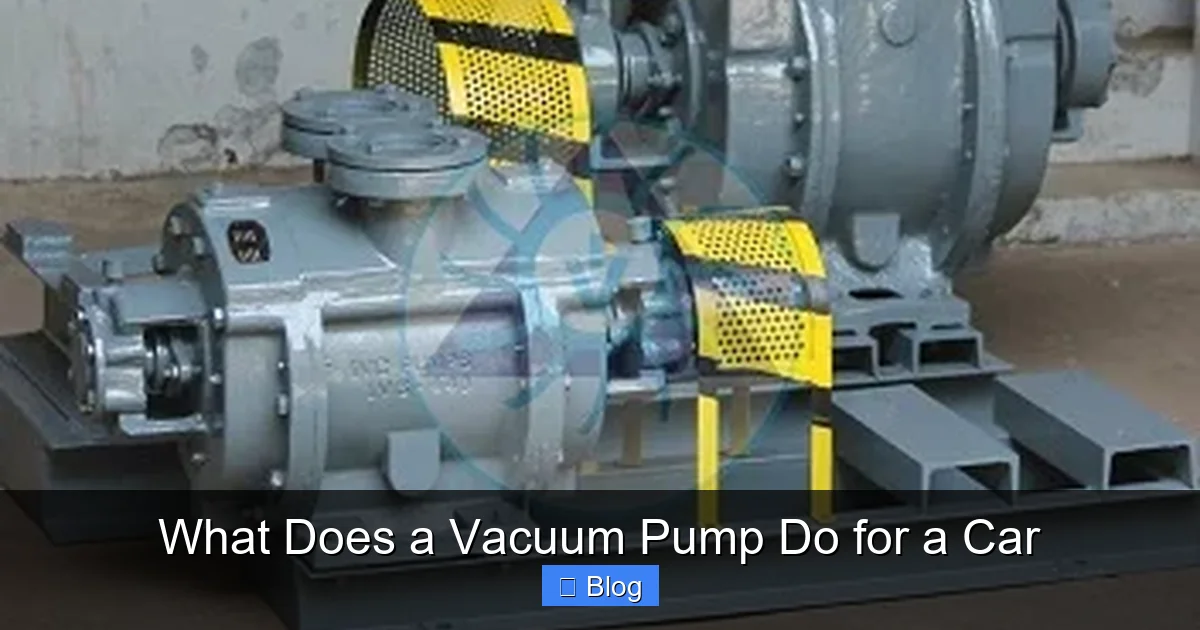
- Mechanical Vacuum Pumps: These are driven by the engine via a belt, gear, or camshaft. They’re common in older vehicles and some high-performance or diesel engines. Because they run continuously with the engine, they provide steady vacuum but can create drag on the engine.
- Electric Vacuum Pumps: Found in many modern cars, especially hybrids, turbocharged, and diesel vehicles, these pumps are powered by the car’s electrical system. They turn on only when needed, offering better efficiency and control. They’re often used to maintain brake booster vacuum when the engine isn’t running (like in stop-start systems).
Where Is the Vacuum Pump Located?
The location varies by vehicle make and model. Mechanical pumps are usually mounted on the engine block or cylinder head. Electric pumps are often tucked away near the firewall, under the dashboard, or in the engine bay. Check your owner’s manual or service guide for specifics.
Why Do Cars Need a Vacuum Pump?
Visual guide about What Does a Vacuum Pump Do for a Car
Image source: asiavacuumpumps.com
You might be wondering: if my car runs fine, do I really need a vacuum pump? The answer depends on your engine type and the systems your vehicle uses. Here’s why a vacuum pump is essential for many modern cars.
1. Power Brake Assistance
The most common use of vacuum in a car is for the power brake booster. When you press the brake pedal, the booster uses vacuum to multiply the force you apply, making braking easier and more responsive. Without sufficient vacuum, the pedal would feel hard and require much more effort—especially dangerous in emergency stops.
In gasoline engines, vacuum is usually drawn from the intake manifold. But in turbocharged, supercharged, or diesel engines, intake vacuum is often too low or inconsistent. That’s when a vacuum pump ensures the brake booster always has the suction it needs.
2. Emissions Control Systems
Modern cars use vacuum to operate several emissions-related components:
- EGR (Exhaust Gas Recirculation) Valve: Reduces nitrogen oxide emissions by recirculating a portion of exhaust gas back into the combustion chamber. The EGR valve often uses vacuum to open and close at the right times.
- PCV (Positive Crankcase Ventilation) System: Prevents blow-by gases from escaping into the atmosphere by routing them back into the intake. Vacuum helps draw these gases through the system.
- Evaporative Emissions (EVAP) System: Captures fuel vapors from the gas tank and sends them to the engine to be burned. Vacuum is used to test for leaks and control purge valves.
If vacuum is weak or inconsistent, these systems may not function properly, leading to increased emissions, failed inspections, or even engine trouble codes.
3. Turbocharged and Diesel Engines
Turbocharged engines compress incoming air, which reduces or eliminates natural intake vacuum. Diesel engines, which don’t use throttle plates, also produce very little vacuum at idle. In both cases, a vacuum pump is often necessary to support brake boosters and other vacuum-dependent systems.
4. Climate Control and HVAC Systems
Some vehicles use vacuum to control air vents and blend doors in the HVAC system. For example, vacuum actuators may direct airflow to the windshield defroster or floor vents. A failing vacuum pump or leak can cause the vents to stop working or default to defrost mode.
5. Engine Performance and Efficiency
By taking over the job of generating vacuum, the pump reduces the load on the engine. This can improve fuel efficiency and performance, especially in engines that struggle to maintain vacuum under certain conditions.
Signs of a Failing Vacuum Pump
Like any car component, vacuum pumps can wear out or fail. Here are common symptoms to watch for:
- Hard Brake Pedal: If the brake pedal feels stiff or requires extra effort, the brake booster may not be getting enough vacuum.
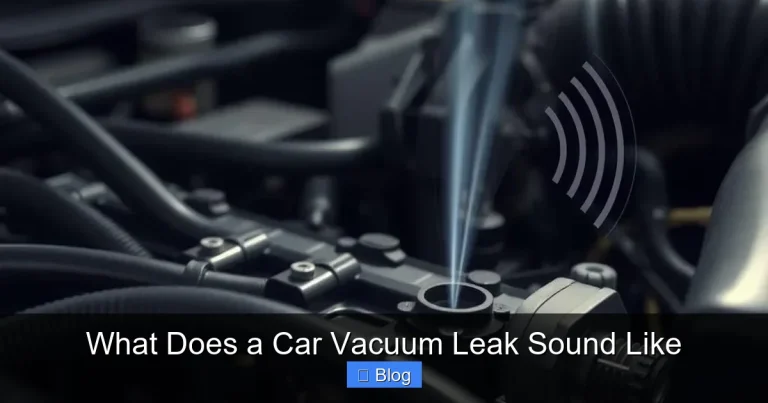
- Hissing Noise: A vacuum leak often sounds like a hiss, especially when the engine is running. Check hoses and connections.
- Check Engine Light: A failing vacuum pump or leak can trigger emissions-related trouble codes, such as P0401 (EGR flow insufficient) or P0440 (EVAP system leak).
- HVAC Issues: If your air vents aren’t working correctly or default to defrost, vacuum loss could be the cause.
- Engine Performance Problems: Rough idle, stalling, or poor acceleration may result from vacuum leaks affecting sensor readings or airflow.
How to Maintain Your Vacuum Pump
Regular maintenance can extend the life of your vacuum pump and prevent unexpected failures. Here’s how to keep it in top shape.
Step 1: Inspect Vacuum Hoses
Vacuum hoses are rubber or plastic tubes that carry suction from the pump to various components. Over time, they can crack, harden, or disconnect.
- Look for visible cracks, bulges, or loose connections.
- Gently squeeze hoses—they should feel firm but not brittle.
- Replace any damaged hoses with the correct size and material.
Step 2: Check for Leaks
A vacuum leak can mimic pump failure. To test:
- Start the engine and listen for hissing sounds.
- Use a spray bottle with soapy water or carb cleaner—spray around hose connections and the pump. If the engine RPM changes, you’ve found a leak.
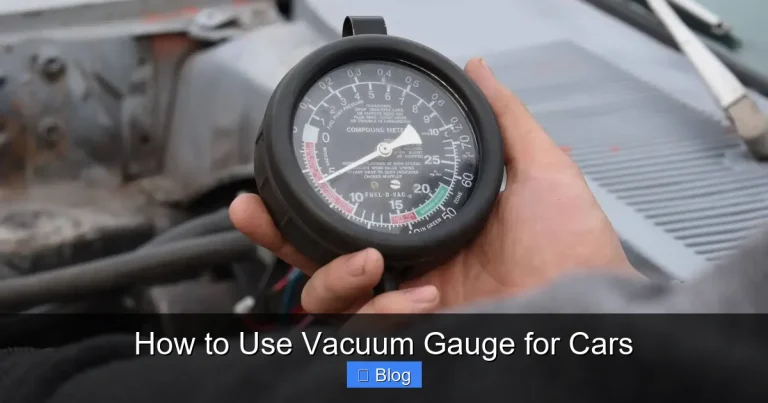
- Use a vacuum gauge to measure pressure at key points (refer to your service manual for specifications).
Step 3: Test the Pump Operation
For electric vacuum pumps:
- Turn the ignition to “on” (without starting the engine). You should hear the pump run for a few seconds to build vacuum.
- If it doesn’t activate, check the fuse, relay, and wiring.
- Use a multimeter to test for power at the pump connector.
For mechanical pumps:
- Check for oil leaks around the pump (some are lubricated by engine oil).
- Ensure the drive belt (if applicable) is tight and not slipping.
Step 4: Replace When Necessary
If the pump is noisy, leaking, or not generating sufficient vacuum, it’s time for a replacement. Always use a high-quality OEM or aftermarket part designed for your vehicle. Follow the manufacturer’s instructions for installation, and bleed the system if required.
Troubleshooting Common Issues
Problem: Brake Pedal Feels Hard
- Check the vacuum hose between the pump and brake booster for cracks or disconnection.
- Test the one-way check valve—it should allow air to flow only one way. Replace if stuck open.
- Verify the pump is running (listen for operation).
Problem: Check Engine Light with EGR or EVAP Codes
- Inspect vacuum lines to the EGR valve and EVAP canister.
- Test the vacuum solenoid or control valve for proper operation.
- Ensure the pump is delivering adequate vacuum under all conditions.
Problem: HVAC Vents Not Working
- Locate the vacuum reservoir (usually a small plastic can near the firewall).
- Check if it holds vacuum—if not, it may be cracked or leaking.
- Trace vacuum lines to the HVAC control unit and actuators.
Conclusion
A vacuum pump may not be the most glamorous part of your car, but it’s one of the most important. It ensures your brakes work when you need them, helps keep emissions in check, and supports a range of systems that keep your vehicle running smoothly. Whether your car uses a mechanical or electric pump, understanding its role and knowing how to maintain it can save you from costly repairs and unsafe driving conditions.
Regular inspections, prompt repairs, and using quality parts will keep your vacuum system—and your car—performing at its best. So the next time you press the brake pedal with ease, remember: there’s a quiet hero under the hood making it all possible.