What Does a Vacuum Hose Do on a Car?
A vacuum hose on a car is a flexible tube that helps carry vacuum pressure from the engine to various components, allowing systems like the brake booster, fuel pressure regulator, and emission controls to function properly. What does a vacuum hose do on a car? It transfers engine vacuum to operate different parts that rely on pressure differences to work efficiently, ensuring smooth engine performance and proper functioning of connected systems.
Vacuum hoses play an important role in maintaining the balance of air and fuel inside the engine. When the engine runs, it creates suction (vacuum), and these hoses distribute that suction to components that need it. If a vacuum hose becomes cracked, loose, or leaks, it can disrupt airflow and cause issues such as rough idling, reduced power, or poor fuel economy.
Regular inspection of vacuum hoses is essential for keeping your vehicle running efficiently. Replacing worn or damaged hoses helps maintain engine performance, improves reliability, and prevents potential mechanical problems over time.
Key Takeaways
- Vacuum hoses transmit engine vacuum to power essential systems like the brake booster, EGR valve, and HVAC controls.
- Cracked, loose, or leaking hoses can cause poor engine performance, rough idling, and reduced fuel efficiency.
- Regular inspection every 15,000 miles helps prevent costly repairs and ensures optimal engine function.
- Replacing a damaged vacuum hose is simple and inexpensive—most cost under $20 and take less than 30 minutes.
- Use OEM or high-quality replacement hoses to ensure durability and proper fit.
- Listen for hissing sounds or check for a check engine light as early warning signs of vacuum leaks.
- Proper routing and secure connections are critical to prevent air leaks and maintain system integrity.
Quick Answers to Common Questions
Tip/Question?
Can I drive with a broken vacuum hose?
It’s not recommended. A broken hose can cause poor engine performance, hard braking, and increased emissions. Fix it as soon as possible.
Tip/Question?
How often should I check vacuum hoses?
Inspect them every 15,000 miles or once a year during routine maintenance.
Tip/Question?
Can I use regular rubber hose as a replacement?
No. Use only vacuum-rated hose designed for automotive use. Regular hose may collapse or degrade quickly.
Tip/Question?
Why does my car smell like gasoline?
A vacuum leak can cause a rich fuel mixture, leading to fuel odor. Check hoses connected to the fuel pressure regulator.
Tip/Question?
Do all cars have vacuum hoses?
Most gasoline-powered cars do. Diesel engines and some modern turbocharged vehicles may use electric actuators instead.
What Does a Vacuum Hose Do on a Car?
If you’ve ever wondered, “What does a vacuum hose do on a car?” you’re not alone. These small, often overlooked rubber tubes play a surprisingly big role in your vehicle’s performance. Vacuum hoses are part of the engine’s vacuum system, which uses suction created by the engine’s intake manifold to operate various components. Without them, your car’s brakes, emissions controls, and even cabin airflow could fail.
In this guide, you’ll learn exactly how vacuum hoses work, where they’re located, what happens when they fail, and how to inspect and replace them yourself. Whether you’re a DIY mechanic or just curious about car maintenance, this step-by-step guide will help you understand and care for one of your engine’s most important—but underappreciated—parts.
How Does a Vacuum Hose Work?
To understand what a vacuum hose does, it helps to know how engine vacuum is created. When your engine runs, the pistons move down during the intake stroke, pulling air through the intake manifold. This creates a partial vacuum—essentially suction—inside the manifold. This vacuum is then routed through small rubber hoses to power various systems that rely on air pressure differences.
Common Systems Powered by Vacuum
- Brake Booster: The most critical use of vacuum. It amplifies the force you apply to the brake pedal, making stopping easier. Without vacuum, braking would require much more effort.
- PCV (Positive Crankcase Ventilation) System: Recirculates harmful blow-by gases from the crankcase back into the combustion chamber to reduce emissions.
- EGR (Exhaust Gas Recirculation) Valve: Uses vacuum to regulate the flow of exhaust gases back into the intake, lowering combustion temperatures and reducing NOx emissions.
- HVAC Controls: In older vehicles, vacuum controls the direction of airflow in the heating and air conditioning system (e.g., defrost, floor, vent).
- Fuel Pressure Regulator: Some engines use vacuum to adjust fuel pressure based on engine load, ensuring the right air-fuel mixture.
Each of these systems depends on a steady supply of vacuum. If a hose cracks, comes loose, or gets clogged, the system can’t function properly—leading to performance issues or even safety concerns.
Signs of a Faulty Vacuum Hose
Because vacuum hoses are hidden under the hood, problems often go unnoticed until they cause noticeable symptoms. Here’s how to spot trouble early:
1. Hissing or Sucking Sounds
A loud hissing noise from under the hood—especially when accelerating or idling—is a classic sign of a vacuum leak. The sound comes from air being sucked into the engine through a cracked or disconnected hose.
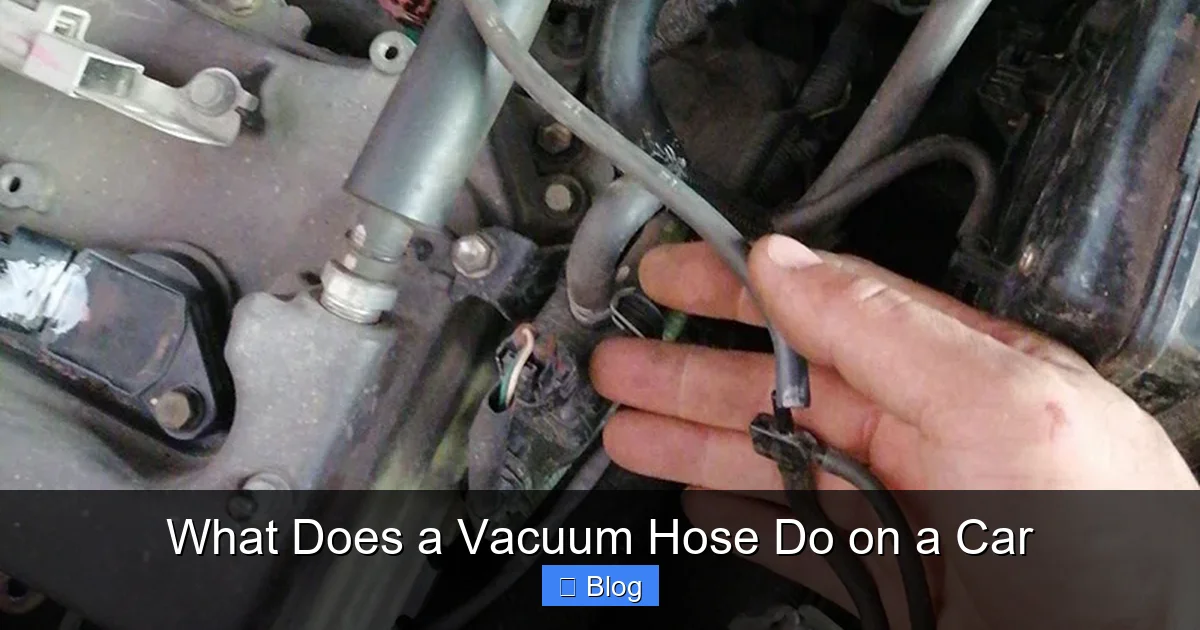
Visual guide about What Does a Vacuum Hose Do on a Car
Image source: engelimports.com
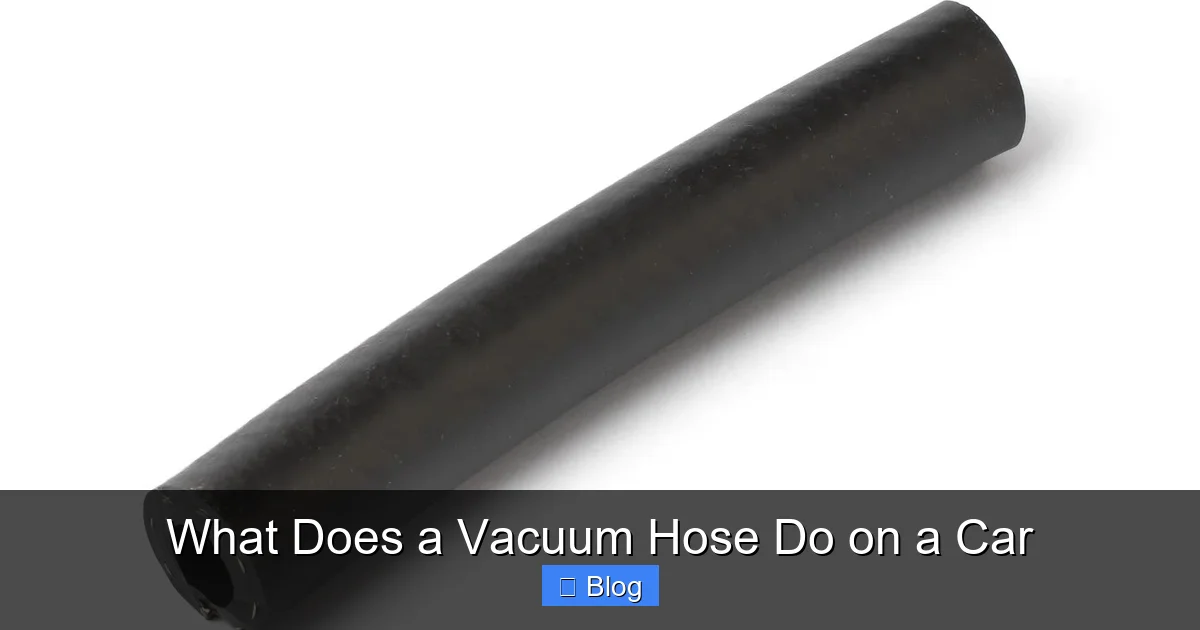
Visual guide about What Does a Vacuum Hose Do on a Car
Image source: images.nexusapp.co
2. Rough Idle or Stalling
If your engine idles roughly, stalls at stoplights, or has trouble starting, a vacuum leak could be allowing unmetered air into the intake manifold. This disrupts the air-fuel ratio, causing misfires and poor combustion.
3. Hard Braking
If the brake pedal feels stiff or requires more force than usual, the brake booster may not be receiving enough vacuum. This is a serious safety issue and should be checked immediately.
4. Check Engine Light
Modern cars have sensors that detect changes in airflow and pressure. A vacuum leak can trigger trouble codes like P0171 (System Too Lean) or P0300 (Random Misfire), turning on the check engine light.
5. Poor Fuel Economy
An engine running lean due to a vacuum leak may compensate by injecting more fuel, reducing gas mileage. If you notice you’re filling up more often, a vacuum hose could be the culprit.
Where Are Vacuum Hoses Located?
Vacuum hoses are typically found in the engine bay, running from the intake manifold to various components. They’re usually black or colored rubber tubes, about 1/4 to 1/2 inch in diameter. Common locations include:
- From the intake manifold to the brake booster
- From the manifold to the PCV valve
- From the manifold to the EGR valve
- From the manifold to the fuel pressure regulator
- From the manifold to the HVAC control unit (in older models)
Some hoses are grouped together in a harness, while others run individually. They may be routed along the firewall, fender, or valve cover. Always consult your vehicle’s service manual for a detailed vacuum diagram.
How to Inspect Vacuum Hoses
Regular inspection is the best way to prevent vacuum hose problems. Here’s how to do it safely and effectively:
Step 1: Let the Engine Cool
Never inspect hoses immediately after driving. The engine and components can be extremely hot and cause burns.
Step 2: Open the Hood and Locate the Hoses
Look for rubber tubes connected to the intake manifold and other components. Use a flashlight if needed.
Step 3: Check for Visible Damage
Look for cracks, splits, brittleness, or swelling. Old hoses become hard and brittle over time, especially near connection points.
Step 4: Feel for Soft or Swollen Spots
Gently squeeze each hose. It should feel firm but flexible. If it’s mushy, sticky, or swollen, it may be deteriorating from oil or heat exposure.
Step 5: Check Connections
Make sure each hose is securely attached to its fitting. Wiggle them gently—loose connections can cause leaks.
Step 6: Listen for Hissing
With the engine running, listen carefully near hoses and connections. A hissing sound indicates a leak.
Step 7: Use a Vacuum Gauge (Optional)
For a more precise check, use a vacuum gauge to measure manifold vacuum. Normal readings are typically 17–22 inches of mercury (inHg) at idle. A lower reading may indicate a leak.
How to Replace a Vacuum Hose
Replacing a vacuum hose is one of the easiest and cheapest repairs you can do. Here’s how:
Step 1: Identify the Damaged Hose
Use your inspection to pinpoint which hose is cracked, leaking, or disconnected.
Step 2: Note the Routing
Before removing the old hose, trace its path and take a photo. This helps ensure the new hose is installed correctly.
Step 3: Remove the Old Hose
Carefully pull the hose off each connection. If it’s stuck, use a flathead screwdriver to gently pry it loose—don’t force it, as you might damage the fitting.
Step 4: Cut the New Hose to Size
If using bulk vacuum hose, cut it to match the length of the original. Use a sharp utility knife for a clean cut.
Step 5: Install the New Hose
Push the new hose firmly onto each fitting until it seats securely. Make sure it’s not kinked or bent sharply.
Step 6: Test the Repair
Start the engine and listen for hissing. Check that idle is smooth and the brake pedal feels normal. If the check engine light was on, it may take a few drive cycles to clear.
Troubleshooting Common Vacuum Hose Issues
Even after replacement, problems can persist. Here’s how to troubleshoot:
Problem: Hose Keeps Coming Loose
Solution: The fitting may be worn. Try using a small zip tie or hose clamp for extra security. Avoid over-tightening, which can crack the hose.
Problem: New Hose Still Leaks
Solution: Check the mating surface on the component (e.g., EGR valve). Dirt or corrosion can prevent a proper seal. Clean the connection with a wire brush.
Problem: Engine Still Runs Rough
Solution: There may be multiple leaks or another issue like a faulty oxygen sensor. Use a smoke machine or carburetor cleaner spray to locate hidden leaks.
Problem: Hose Melts or Swells
Solution: This indicates exposure to excessive heat or oil. Relocate the hose away from hot surfaces or replace it with oil-resistant tubing.
Maintenance Tips for Vacuum Hoses
To extend the life of your vacuum hoses and prevent future issues:
- Inspect hoses every 15,000 miles or during oil changes.
- Replace hoses every 5–7 years, even if they look fine—rubber degrades over time.
- Use OEM or high-quality aftermarket hoses rated for automotive use.
- Avoid routing hoses near exhaust manifolds or turbochargers.
- Keep the engine bay clean to reduce oil and debris buildup.
Conclusion
So, what does a vacuum hose do on a car? In short, it’s a vital link in your engine’s operation, enabling everything from smooth braking to clean emissions. Though small and inexpensive, a faulty vacuum hose can cause big problems—rough idle, poor fuel economy, and even safety risks.
The good news? Checking and replacing vacuum hoses is simple, affordable, and well within the reach of any DIYer. By inspecting them regularly and acting quickly when you spot damage, you’ll keep your engine running efficiently and avoid costly repairs down the road.
Don’t wait for a check engine light or a stiff brake pedal. Take a few minutes to pop the hood and give those hoses a once-over. Your car—and your wallet—will thank you.