What Does a Vacuum Leak Do to a Car?
A vacuum leak allows unmetered air to enter the engine, which disrupts the air-fuel mixture and can cause rough idling, poor acceleration, and engine performance issues. What does a vacuum leak do to a car? It creates an imbalance in the engine’s combustion process by letting extra air in that the system cannot properly measure or compensate for.
When this imbalance occurs, the engine may run too lean (too much air and not enough fuel), leading to symptoms such as stalling, misfires, increased fuel consumption, and even the check engine light turning on. In some cases, you may also hear a hissing sound from the engine bay, which is a common sign of escaping air from a damaged hose or seal.
If left unaddressed, a vacuum leak can reduce engine efficiency and put stress on various components. Identifying and fixing it early helps maintain smooth performance, better fuel economy, and overall engine health.
Key Takeaways
- Vacuum leaks disrupt air-fuel balance: They allow unmetered air into the engine, confusing the ECU and causing poor combustion.
- Symptoms include rough idle and hesitation: You may notice stalling, surging, or difficulty accelerating.
- Common leak sources are hoses and gaskets: Cracked, loose, or deteriorated rubber parts are frequent culprits.
- Check engine light may illuminate: The ECU detects irregularities and triggers diagnostic trouble codes like P0171.
- Fuel efficiency drops significantly: Extra air means the engine burns more fuel to compensate.
- DIY detection is possible with simple tools: Use carb cleaner, smoke tests, or visual inspection to find leaks.
- Prompt repair prevents long-term damage: Ignoring leaks can harm oxygen sensors, catalytic converters, and engine components.
Quick Answers to Common Questions
Tip/Question?
Can a vacuum leak cause a car to fail emissions testing? Yes—because it leads to higher emissions and incorrect air-fuel ratios, a vacuum leak is a common reason for emissions test failure.
Tip/Question?
Is it safe to drive with a vacuum leak? Short trips may be okay, but prolonged driving can damage sensors and reduce engine efficiency. Fix it as soon as possible.
Tip/Question?
Can a vacuum leak cause overheating? Indirectly, yes. Poor combustion and lean running can increase engine temperatures over time.
Tip/Question?
Do all vacuum leaks trigger a check engine light? Not always. Small leaks may not be severe enough to trigger a code, but they still affect performance.
Tip/Question?
Can I use tape to fix a vacuum hose leak? No—tape won’t hold under heat and pressure. Always replace damaged hoses with proper vacuum-rated tubing.
What Does a Vacuum Leak Do to a Car?
If your car is running rough, stalling at stoplights, or getting worse gas mileage than usual, a vacuum leak might be the hidden culprit. But what exactly is a vacuum leak, and why does it matter? In this guide, you’ll learn how vacuum leaks affect your vehicle, how to identify them, and—most importantly—how to fix them before they cause serious engine problems.
Modern engines rely on precise control of air and fuel. The engine control unit (ECU) calculates the right mix based on data from sensors. When extra air sneaks into the system through a leak, it throws off this balance. This unmetered air isn’t measured by the mass airflow (MAF) sensor, so the ECU doesn’t know it’s there. As a result, the engine runs lean—too much air, not enough fuel—leading to a cascade of performance issues.
Understanding vacuum leaks isn’t just for mechanics. With a little know-how, you can spot the signs early, save on fuel, and avoid costly repairs down the road.
How Vacuum Systems Work in Your Car
To grasp why vacuum leaks are problematic, it helps to know how your engine’s vacuum system functions. Inside the intake manifold, the engine creates a partial vacuum (suction) as pistons move down during the intake stroke. This vacuum isn’t just a byproduct—it powers several critical systems.
Key Uses of Engine Vacuum
- Brake booster: Assists your foot when pressing the brake pedal, making braking easier.
- Emissions controls: Helps route exhaust gases through the EGR valve and PCV system.
- HVAC systems: Controls air flow and temperature in your car’s cabin.
- Fuel pressure regulation: Maintains correct fuel pressure in the fuel rail.
When a vacuum leak occurs, these systems can malfunction. But the most immediate impact is on engine performance. The ECU expects a certain amount of air entering the engine. When extra air slips in unnoticed, it disrupts the air-fuel ratio, leading to poor combustion, reduced power, and increased emissions.
Common Symptoms of a Vacuum Leak
Vacuum leaks don’t always announce themselves with a loud noise. Instead, they often show up as subtle changes in how your car behaves. Here are the most common signs to watch for:
Rough or Unstable Idle
One of the earliest signs is a shaky or fluctuating idle. Your engine may rev up and down while stopped, or even stall when you come to a stop. This happens because the extra air causes inconsistent combustion.
Visual guide about What Does a Vacuum Leak Do to a Car
Image source: appgecet.co.in
Visual guide about What Does a Vacuum Leak Do to a Car
Image source: fnnewsonline.com
Hesitation or Surging During Acceleration
When you press the gas, the car might hesitate, jerk, or surge forward unexpectedly. The engine struggles to maintain the correct air-fuel mix, especially under load.
Check Engine Light On
The ECU monitors air-fuel ratios using oxygen sensors. If it detects a lean condition (too much oxygen), it may trigger codes like P0171 (System Too Lean Bank 1) or P0174 (System Too Lean Bank 2). These are strong indicators of a vacuum leak.
Reduced Fuel Economy
Because the engine runs lean, the ECU compensates by injecting more fuel. This increases fuel consumption, and you’ll notice more frequent trips to the gas station.
Hissing Noise Under the Hood
In some cases, you might hear a faint hissing sound near the engine, especially when the car is idling. This is air rushing through a small crack or loose connection.
Hard Starting or Stalling
Severe leaks can make the engine hard to start, particularly when cold. Once running, it may stall unexpectedly, especially at low speeds.
Where Vacuum Leaks Commonly Occur
Vacuum leaks don’t happen randomly. They usually occur at weak points in the system—places where rubber, plastic, or gaskets are exposed to heat, vibration, and age. Here are the most common trouble spots:
Vacuum Hoses
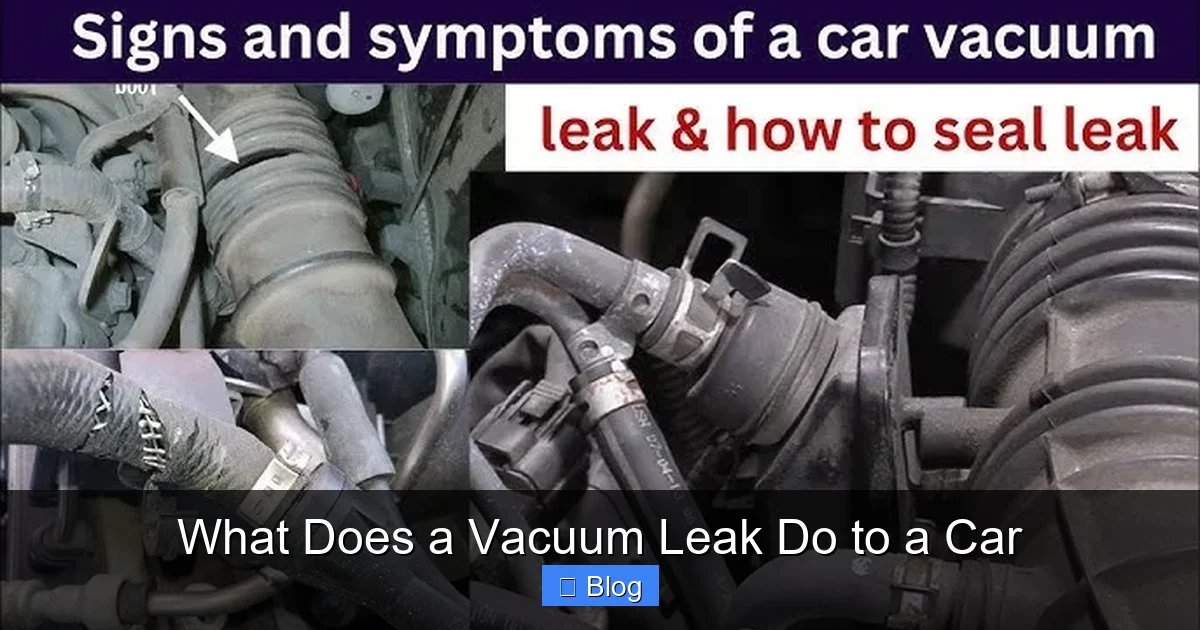
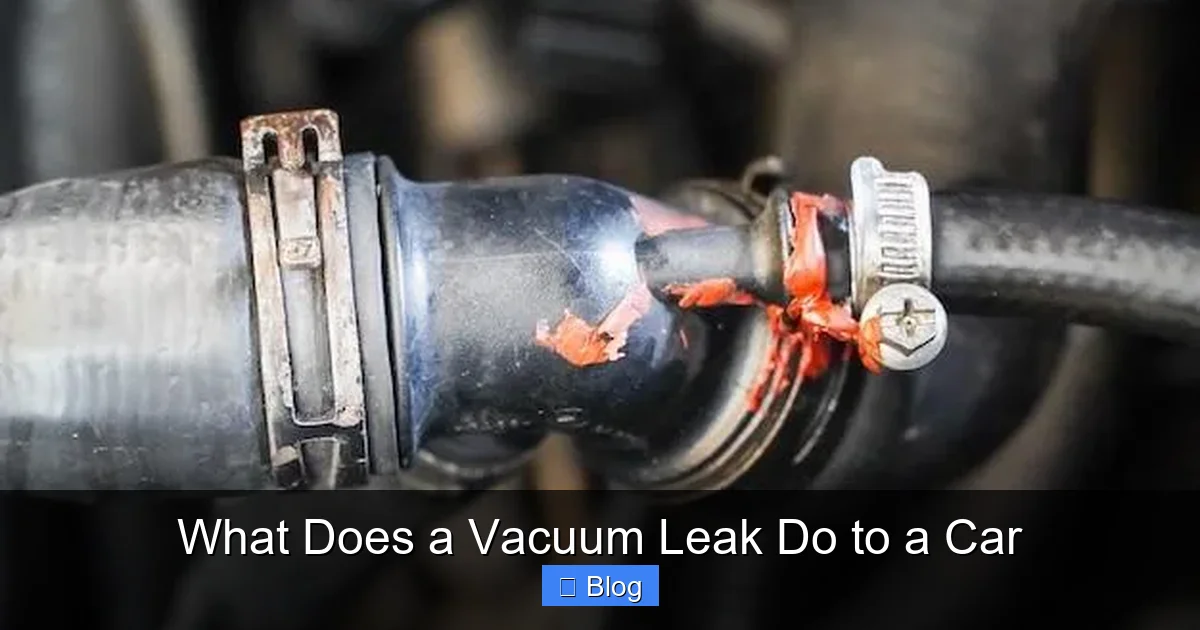
Rubber hoses connect various components and can crack, dry out, or become brittle over time. Look for splits, kinks, or loose connections, especially near the intake manifold and throttle body.
Intake Manifold Gasket
This gasket seals the intake manifold to the engine block. If it fails, air can leak into the engine. Symptoms include rough idle and oil or coolant leaks near the manifold.
Throttle Body Gasket
Located between the throttle body and intake manifold, this gasket can wear out and allow air to enter downstream of the MAF sensor.
PCV Valve and Hose
The Positive Crankcase Ventilation (PCV) system uses vacuum to recirculate gases. A cracked PCV hose or faulty valve can cause leaks.
Brake Booster Diaphragm
The brake booster uses engine vacuum to assist braking. If the internal diaphragm fails, you may notice a hard brake pedal and a hissing noise when pressing the brake.
EGR Valve and Vacuum Lines
The Exhaust Gas Recirculation (EGR) system relies on vacuum to function. Leaks here can cause rough running and increased emissions.
How to Find a Vacuum Leak (Step-by-Step)
Finding a vacuum leak doesn’t require fancy tools—just patience and a methodical approach. Here’s how to do it yourself:
Step 1: Visual Inspection
Start by opening the hood and looking for obvious signs of damage. Check all vacuum hoses for cracks, splits, or loose connections. Wiggle each hose gently to see if it’s secure. Look for oil residue or dirt buildup, which can indicate a leak.
Step 2: Use Carburetor Cleaner (The “Spray Test”)
With the engine running, spray small amounts of carburetor cleaner around suspected areas (hoses, gaskets, throttle body). If the engine RPM increases momentarily, it means the cleaner is being sucked into the engine through a leak. Caution: Only use this method briefly and in well-ventilated areas—carb cleaner is flammable.
Step 3: Perform a Smoke Test
A smoke machine introduces smoke into the intake system. Wherever smoke escapes, there’s a leak. This is the most accurate method and is often used by professionals. Some auto parts stores rent smoke testers.
Step 4: Check for Vacuum with a Gauge
A vacuum gauge connects to a vacuum port and shows engine vacuum levels. Normal readings are 17–22 inches of mercury (inHg) at idle. If the needle fluctuates or reads low, it suggests a leak.
Step 5: Listen for Hissing Sounds
Use a mechanic’s stethoscope or a length of hose as a listening tube. Place one end near suspected areas and listen for a hissing sound while the engine runs.
How to Fix a Vacuum Leak
Once you’ve located the leak, the fix is usually straightforward—but it depends on the source.
Replacing Vacuum Hoses
If a hose is cracked or brittle, replace it with the same size and type. Use a vacuum hose repair kit or purchase pre-cut lengths from an auto parts store. Make sure connections are snug but not over-tightened.
Replacing Gaskets
For intake manifold or throttle body gaskets, you’ll need to remove the component, clean the mating surfaces, and install a new gasket. Use a torque wrench to tighten bolts to manufacturer specs to avoid warping.
Fixing the PCV System
Replace a faulty PCV valve or cracked hose. These are inexpensive parts and easy to swap out—usually just a twist-and-pull job.
Brake Booster Repair
If the brake booster is leaking, it may need replacement. This is more complex and may require professional help, especially if the master cylinder is involved.
Troubleshooting Tips
– Don’t ignore intermittent symptoms: A leak that comes and goes can still cause long-term damage.
– Check after recent repairs: Sometimes, hoses are disconnected during maintenance and not reconnected properly.
– Use OEM or high-quality parts: Cheap gaskets and hoses may fail quickly.
– Clear codes after repair: Use an OBD2 scanner to reset the check engine light and confirm the fix worked.
Conclusion
A vacuum leak might seem like a small issue, but it can have a big impact on your car’s performance, fuel economy, and emissions. By understanding how vacuum systems work and recognizing the warning signs, you can catch leaks early and avoid expensive repairs. Whether it’s a cracked hose or a worn gasket, most vacuum leaks are fixable with basic tools and a little patience. Stay proactive, inspect your engine regularly, and keep your car running smoothly for miles to come.