
What Does a Vacuum Leak Do to Your Car?
A vacuum leak allows extra, unmetered air to enter your engine, which disrupts the air-fuel mixture and can cause rough idling, poor acceleration, and engine misfires. What Does a Vacuum Leak Do to Your Car? It makes the engine run lean, meaning there is more air than fuel, which can lead to decreased performance, increased fuel consumption, and potential damage to engine components over time.
When a vacuum leak occurs, the engine’s sensors may detect incorrect readings and trigger the check engine light. You might also notice hissing sounds from the engine bay, stalling at idle, or difficulty starting the car. These symptoms become more noticeable when the leak is large or left unresolved for a long period.
Identifying and fixing a vacuum leak early is important to maintain smooth engine operation. Regular inspection of hoses and connections helps prevent issues and keeps your vehicle running efficiently and reliably.
Key Takeaways
- Vacuum leaks disrupt engine air-fuel balance: They allow unmetered air into the engine, confusing the ECU and causing poor combustion.
- Common symptoms include rough idle and stalling: You may notice the engine shaking at stoplights or difficulty starting.
- Fuel efficiency drops significantly: The engine compensates by adding more fuel, increasing gas consumption.
- Check engine light may illuminate: Sensors detect abnormal oxygen levels and trigger diagnostic trouble codes like P0171.
- Common leak sources include cracked hoses and intake gaskets: Age, heat, and wear degrade rubber and plastic components over time.
- DIY inspection is possible with basic tools: A visual check and carb cleaner test can help locate leaks.
- Professional diagnosis ensures accuracy: Smoke testing is the most reliable method for finding hard-to-detect leaks.
Quick Answers to Common Questions
Tip/Question?
Can a vacuum leak cause my car to fail an emissions test? Yes—because it creates a lean fuel mixture, leading to higher NOx emissions and incomplete combustion, which can cause a failed test.
Tip/Question?
Is it safe to drive with a vacuum leak? Short trips may be okay, but prolonged driving can damage sensors, reduce fuel economy, and harm engine components. Fix it as soon as possible.
Tip/Question?
Can a vacuum leak cause overheating? Indirectly, yes. A lean mixture burns hotter, which can raise engine temperatures and potentially lead to overheating.
Tip/Question?
Do all vacuum leaks trigger the check engine light? Not always. Small leaks may not be severe enough to trigger a code, but they can still affect performance.
Tip/Question?
Can I use tape or sealant to fix a vacuum hose? No. Use proper replacement hoses and clamps. Temporary fixes often fail and can worsen the leak.
What Does a Vacuum Leak Do to Your Car?
If your car is running rough, idling poorly, or suddenly guzzling more gas than usual, a vacuum leak could be the culprit. But what exactly is a vacuum leak, and how does it affect your vehicle? In this guide, we’ll explain what a vacuum leak does to your car, how to recognize the warning signs, and step-by-step instructions to find and fix the problem—whether you’re a DIY enthusiast or planning to visit a mechanic.
Your car’s engine relies on a precise balance of air and fuel to run efficiently. The intake manifold creates a vacuum that helps draw in the right amount of air. When a vacuum leak occurs, outside air sneaks into the system without being measured by the mass airflow (MAF) sensor. This disrupts the air-fuel ratio, leading to a cascade of performance issues. Left unchecked, a vacuum leak can damage engine components, reduce fuel economy, and even cause your car to fail emissions tests.
By the end of this guide, you’ll know how to identify a vacuum leak, understand its effects, and take action to fix it—saving you time, money, and stress down the road.
How a Vacuum Leak Affects Engine Performance
A vacuum leak introduces unmetered air into the engine’s intake system. Since the engine control unit (ECU) doesn’t account for this extra air, it continues to inject the same amount of fuel, creating a lean mixture—too much air, not enough fuel. This imbalance leads to several problems:
- Rough or unstable idle: The engine may shake, surge, or even stall when stopped.
- Hesitation or stumbling during acceleration: The car feels sluggish or jerky when you press the gas.
- Increased fuel consumption: The ECU tries to compensate by adding more fuel, lowering gas mileage.
- Check engine light: Oxygen sensors detect the lean condition and trigger codes like P0171 (System Too Lean).
- Hard starting: Especially when cold, the engine may struggle to turn over.
Over time, running with a lean mixture can cause engine knocking, overheating, and damage to oxygen sensors and catalytic converters. That’s why addressing a vacuum leak early is crucial.
Common Causes of Vacuum Leaks
Vacuum leaks don’t happen overnight. They’re usually the result of wear and tear, heat exposure, or improper maintenance. Here are the most common sources:
Cracked or Deteriorated Vacuum Hoses
Rubber hoses connect various engine components and can dry out, crack, or become brittle over time. Even a tiny split can allow air to enter the system. Common locations include the PCV valve hose, brake booster line, and emissions control hoses.

Visual guide about What Does a Vacuum Leak Do to Your Car
Image source: thedailyautomotive.com
Visual guide about What Does a Vacuum Leak Do to Your Car
Image source: familyhandyman.com
Faulty Intake Manifold Gasket
The gasket seals the intake manifold to the engine block. If it fails—due to age, overheating, or improper installation—air can leak into the intake. This is especially common in older vehicles or those with aluminum manifolds that warp under heat.
Leaking Throttle Body Gasket
The throttle body controls airflow into the engine. If its gasket is damaged or loose, air can bypass the throttle plate, causing idle issues and poor throttle response.
Damaged PCV Valve or System
The Positive Crankcase Ventilation (PCV) system recirculates blow-by gases. A stuck-open PCV valve or cracked hose can create a vacuum leak, especially at idle.
Faulty Brake Booster or Diaphragm
The brake booster uses engine vacuum to assist braking. If the diaphragm inside fails, it can leak vacuum and cause a hissing sound when you press the brake pedal.
Step-by-Step Guide to Diagnosing a Vacuum Leak
You don’t need to be a mechanic to check for a vacuum leak. With a few tools and some patience, you can perform a basic inspection at home.
Step 1: Listen for Hissing Sounds
Start the engine and let it idle. Use a mechanic’s stethoscope or a long screwdriver (carefully!) to listen near vacuum hoses, the intake manifold, and the throttle body. A hissing noise often indicates air escaping from a leak.
Step 2: Perform a Visual Inspection
Turn off the engine and inspect all vacuum hoses. Look for cracks, splits, loose connections, or dry rot. Pay special attention to hoses near hot engine parts, as heat accelerates deterioration. Replace any damaged hoses immediately.
Step 3: Use the Carb Cleaner Test (Caution Advised)
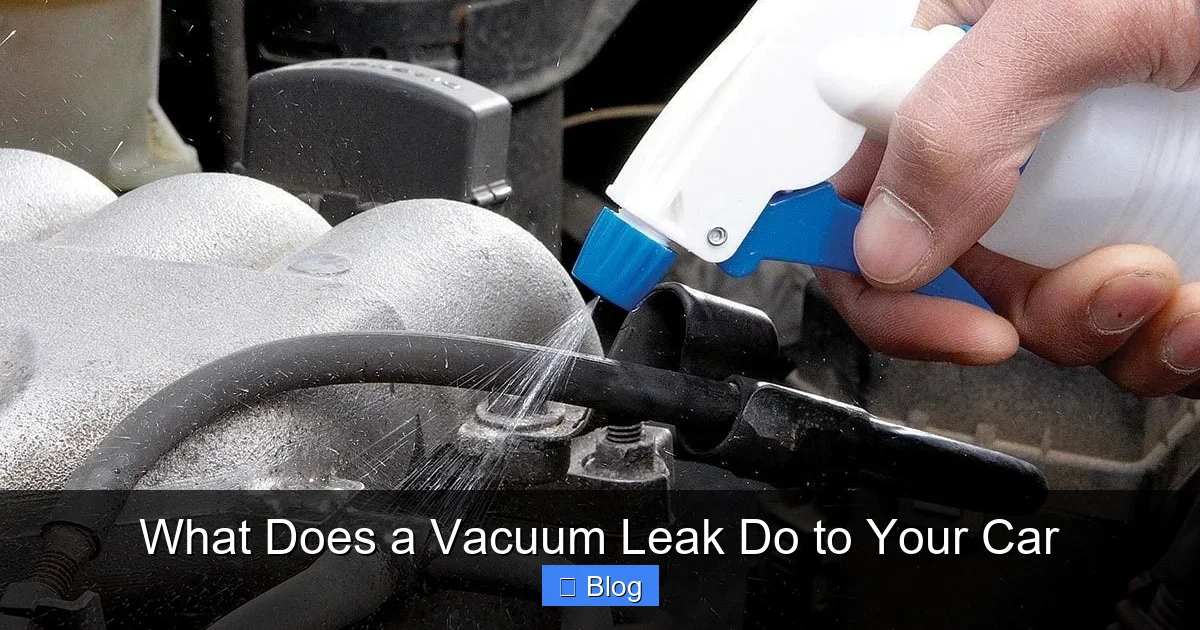
With the engine running, spray small amounts of carburetor cleaner around suspected areas (hoses, gaskets, throttle body). If the engine RPM increases, it means the cleaner is being sucked into the engine through a leak—confirming the location. Never spray near open flames or hot exhaust parts.
Step 4: Check for Diagnostic Trouble Codes
Use an OBD2 scanner to read trouble codes. Codes like P0171 or P0174 indicate a lean condition, often caused by a vacuum leak. While not definitive, they point you in the right direction.
Step 5: Perform a Smoke Test (Professional Method)
For a definitive diagnosis, a mechanic can perform a smoke test. Smoke is pumped into the intake system, and leaks are visible as smoke escapes from cracks or loose fittings. This is the most accurate method and is recommended for persistent or hard-to-find leaks.
How to Fix a Vacuum Leak
Once you’ve located the leak, the fix depends on the source.
Replacing Vacuum Hoses
Cut out the damaged section or replace the entire hose. Use OEM or high-quality replacement hoses rated for engine heat. Ensure connections are tight and secure. Label hoses during removal to avoid confusion during reinstallation.
Replacing Intake Manifold Gasket
This is a more involved repair. Remove the intake manifold, clean the mating surfaces, and install a new gasket. Torque bolts to manufacturer specifications in the correct sequence to prevent warping. Consider replacing the throttle body gasket at the same time.
Servicing the PCV System
Remove and inspect the PCV valve. Shake it—if it doesn’t rattle, it’s likely stuck. Replace it and check the hose for cracks. A functioning PCV system maintains proper crankcase pressure and prevents vacuum leaks.
Repairing the Brake Booster
If the brake booster is leaking, it may need replacement. This is a safety-critical component, so if you’re unsure, consult a professional. A leaking booster can also cause a spongy brake pedal.
Troubleshooting Common Issues
Even after repairs, some symptoms may persist. Here’s how to troubleshoot:
- Engine still runs rough after hose replacement: Check for multiple leaks or a damaged intake gasket. Use a smoke test for confirmation.
- Check engine light remains on: Clear the codes and drive the car. If the light returns, the leak may not be fully resolved or another issue exists.
- No improvement in fuel economy: Ensure all hoses are properly connected and no new leaks have formed. Also, reset the ECU by disconnecting the battery for 10 minutes.
- Hissing noise continues: Recheck all connections. Sometimes, a loose clamp or misrouted hose can mimic a leak.
Preventing Future Vacuum Leaks
An ounce of prevention is worth a pound of cure. Follow these tips to avoid future leaks:
- Inspect hoses during oil changes: Make it a habit to check vacuum lines for cracks or soft spots.
- Use heat-resistant hose protectors: Especially on lines near exhaust manifolds.
- Avoid over-tightening clamps: This can crush hoses and cause leaks.
- Replace hoses every 50,000–70,000 miles: Even if they look fine, rubber degrades over time.
- Keep the engine clean: Oil and grime can weaken rubber components.
Conclusion
A vacuum leak might seem like a small issue, but its effects on your car’s performance, fuel efficiency, and engine health can be significant. From rough idling to increased emissions, the signs are hard to ignore. By understanding what a vacuum leak does to your car and knowing how to diagnose and fix it, you can keep your vehicle running smoothly and avoid costly repairs.
Whether you tackle the repair yourself or seek professional help, early detection is key. Regular maintenance and visual inspections can catch problems before they escalate. Remember, a healthy engine starts with a sealed intake system—so don’t let a tiny leak turn into a big headache.