
Why Do Cars Have Vacuum Lines?
Vacuum lines are vital for engine operation, helping control emissions, power brakes, and fuel mixture. This guide explains their function, importance, and how to maintain them for optimal vehicle performance.
Cars have vacuum lines to transfer engine vacuum (low-pressure air) to operate various components. They control systems like the brake booster, emission controls, EGR valve, HVAC actuators, and fuel pressure regulators. Vacuum lines ensure these parts function properly, improving engine efficiency, emissions, and safety. Leaks or damage can cause poor performance or malfunctions.
Key Takeaways
- Vacuum lines create engine vacuum to power essential systems like brakes, emissions controls, and HVAC.
- They help regulate fuel mixture and improve engine efficiency by supporting sensors and actuators.
- Cracked or leaking vacuum lines can cause poor performance, rough idling, or check engine lights.
- Regular inspection and replacement of old lines prevent costly repairs and maintain safety.
- Understanding vacuum systems helps diagnose issues early and improves DIY troubleshooting skills.
- Modern cars still use vacuum lines despite advanced electronics due to reliability and cost-effectiveness.
- Proper routing and material matter—use high-quality, heat-resistant hoses for longevity.
Quick Answers to Common Questions
Tip/Question?
How often should I check my vacuum lines?
Inspect vacuum lines every 12,000 miles or during routine oil changes. Look for cracks, leaks, or loose connections.
Tip/Question?
Can I drive with a vacuum leak?
It’s not recommended. A vacuum leak can cause poor performance, increased emissions, and unsafe braking. Address it promptly.
Tip/Question?
What material is best for vacuum lines?
Silicone is more durable and heat-resistant than rubber, making it ideal for long-term use in engine compartments.
Tip/Question?
Do all cars have vacuum lines?
Most gasoline-powered cars do, though some newer models use electric actuators. Diesel engines also use vacuum for certain systems.
Tip/Question?
Can I use regular hose for vacuum lines?
No—use vacuum-specific hose rated for engine heat and pressure. Regular hose may collapse or degrade quickly.
Why Do Cars Have Vacuum Lines? A Complete How-To Guide
If you’ve ever popped the hood of your car and seen a tangled web of small rubber or plastic tubes snaking around the engine, you’ve likely encountered vacuum lines. These unassuming hoses play a surprisingly big role in how your car runs—yet many drivers don’t understand what they do or why they’re so important. In this guide, we’ll break down everything you need to know about vacuum lines: what they are, how they work, why they’re essential, and how to maintain them.
By the end of this article, you’ll understand how vacuum lines contribute to engine performance, safety, and emissions control—and you’ll be equipped to spot problems before they lead to bigger issues.
What Are Vacuum Lines?

Visual guide about Why Do Cars Have Vacuum Lines
Image source: koala.sh
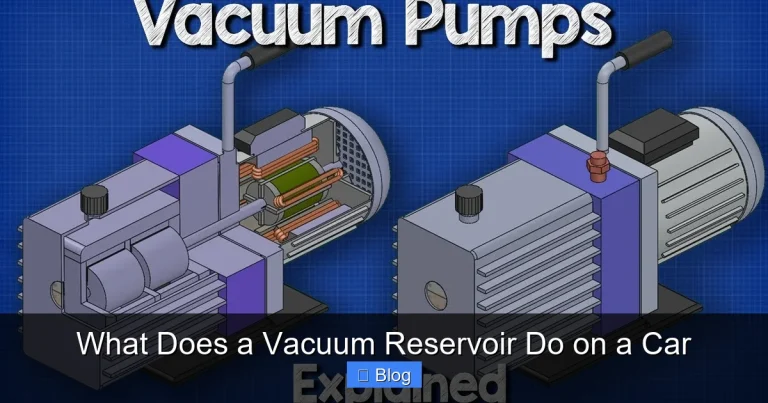
Vacuum lines are small-diameter hoses that transport engine vacuum from the intake manifold to various components throughout the vehicle. Engine vacuum is created when the pistons move down during the intake stroke, creating a low-pressure area in the intake manifold. This vacuum is a powerful, free source of energy that automakers harness to operate several systems without needing extra motors or electricity.
These lines are typically made of rubber, silicone, or reinforced plastic and are color-coded or labeled for easy identification. They connect to vacuum ports on the intake manifold, throttle body, or vacuum reservoir and run to components like the brake booster, PCV valve, EGR valve, and HVAC controls.
How Do Vacuum Lines Work?

Visual guide about Why Do Cars Have Vacuum Lines
Image source: vehiclewisdom.com
To understand how vacuum lines function, it helps to know a bit about engine vacuum. When your engine is running—especially at idle or under light load—the throttle plate is mostly closed, creating a strong vacuum in the intake manifold. This vacuum is like a suction force that can be used to pull air, fuel vapors, or mechanical linkages.
Vacuum lines channel this suction to different parts of the car that need it. For example:
– The brake booster uses vacuum to multiply the force you apply to the brake pedal, making stopping easier.
– The PCV (Positive Crankcase Ventilation) system uses vacuum to pull blow-by gases from the crankcase back into the combustion chamber.
– The EGR (Exhaust Gas Recirculation) valve uses vacuum to open and allow a small amount of exhaust gas back into the intake, reducing emissions.
Without vacuum lines, these systems would either not work or require complex mechanical or electrical alternatives.
Why Are Vacuum Lines Important?
Vacuum lines are critical for several reasons. Let’s look at the main systems that depend on them.
1. Power Brake Assistance
One of the most important uses of vacuum is in the brake booster. When you press the brake pedal, the booster uses engine vacuum to amplify your foot pressure, making it easier to stop the car. If a vacuum line to the booster leaks or breaks, you’ll notice the brake pedal becomes very hard to press—and stopping distances increase significantly. This is a serious safety issue.
2. Emissions Control
Modern cars must meet strict emissions standards. Vacuum lines help control systems like the EGR valve and evaporative emissions (EVAP) canister. The EGR valve reduces nitrogen oxide (NOx) emissions by recirculating a small amount of exhaust gas into the intake. The EVAP system captures fuel vapors from the gas tank and sends them back to the engine to be burned. Both rely on vacuum to operate properly.
3. Engine Performance and Fuel Efficiency
Vacuum signals are used by sensors like the MAP (Manifold Absolute Pressure) sensor to help the engine computer (ECU) determine engine load. This information is crucial for calculating the correct air-fuel mixture. A vacuum leak can trick the ECU into thinking the engine is under less load than it actually is, leading to a rich fuel mixture, poor fuel economy, and rough idling.
4. HVAC and Climate Control
In many vehicles, vacuum controls the air vents and defrosters in the HVAC system. For example, vacuum actuators may switch airflow between the floor, dashboard, and windshield. A vacuum leak here can cause the vents to stop working or default to defrost mode—especially annoying in cold weather.
Common Problems with Vacuum Lines
Even though vacuum lines seem simple, they can cause big problems when they fail. Here are the most common issues:
Cracked or Brittle Hoses
Over time, rubber vacuum lines dry out, crack, and become brittle—especially in hot engine compartments. This is the most common cause of vacuum leaks. You might see small cracks or notice the hose feels hard and crumbly.
Disconnected or Loose Lines
Lines can come loose due to vibration, improper installation, or engine movement. A disconnected line often results in an immediate performance issue, like a check engine light or loss of brake assist.
Leaking Connections
Even if the hose is intact, the connection to a valve or manifold can leak. This might be due to a worn O-ring, cracked fitting, or improper clamp.
Incorrect Routing or Length
Using the wrong length or routing a line too tightly can cause kinks or stress points that lead to failure. Always follow the factory routing when replacing lines.
How to Inspect and Maintain Vacuum Lines
Regular inspection and maintenance can prevent vacuum-related problems. Here’s a step-by-step guide:
Step 1: Visual Inspection
Start by looking at all visible vacuum lines under the hood. Check for:
– Cracks or splits
– Swelling or soft spots (signs of oil or heat damage)
– Loose or disconnected ends
– Kinks or sharp bends
Use a flashlight and look closely—some cracks are tiny and hard to see.
Step 2: Listen for Hissing Sounds
With the engine running, listen around the engine bay for a hissing noise. This could indicate a vacuum leak. Be careful—don’t touch moving parts or hot surfaces.
Step 3: Use a Vacuum Gauge or Smoke Machine
For a more accurate diagnosis, use a vacuum gauge to measure manifold vacuum. Normal readings are typically 17–22 inches of mercury (inHg) at idle. A lower reading may indicate a leak.
Professional mechanics often use a smoke machine, which fills the intake system with smoke. If smoke escapes from a vacuum line, you’ve found the leak.
Step 4: Replace Damaged Lines
When replacing vacuum lines:
– Use the correct diameter and material (silicone lasts longer than rubber)
– Cut the new line to the exact length needed
– Use proper clamps or push-to-connect fittings
– Label lines if necessary to avoid confusion during reassembly
Step 5: Test After Repair
After replacing lines, start the engine and check for smooth operation. Listen for unusual noises and verify that systems like the brakes and HVAC are working correctly.
Troubleshooting Common Vacuum Line Issues
Rough Idle or Stalling
A vacuum leak can cause unmetered air to enter the intake, leaning out the fuel mixture. This leads to rough idling, hesitation, or stalling—especially at low speeds.
Check Engine Light
The ECU monitors engine parameters and may trigger a check engine light if it detects a vacuum leak. Common trouble codes include P0171 (system too lean) or P0300 (random misfire).
Hard Brake Pedal
If the brake booster isn’t getting vacuum, the pedal will feel stiff. Check the large vacuum hose running from the intake manifold to the booster. Also, test the one-way check valve—it should allow air to flow only one way.
HVAC Vents Not Working
If your vents won’t switch or default to defrost, suspect a vacuum leak in the HVAC system. Check the small vacuum lines under the dashboard or behind the glove box.
Conclusion
Vacuum lines may seem like minor components, but they’re essential to your car’s performance, safety, and emissions control. From helping you stop safely to keeping your engine running smoothly, these small hoses do a lot of heavy lifting. Understanding why cars have vacuum lines empowers you to spot problems early, perform basic maintenance, and avoid costly repairs.
Regular inspection, prompt replacement of damaged lines, and attention to proper routing can keep your vacuum system in top shape. Whether you’re a DIY enthusiast or just want to be a more informed car owner, knowing how vacuum lines work is a valuable skill.
So next time you’re under the hood, take a closer look at those little tubes—they might just be the unsung heroes of your engine.