What Does a Vacuum Leak in a Car Sound Like?
A vacuum leak in a car typically sounds like a high-pitched hissing or whistling noise, especially when the engine is running. What does a vacuum leak in a car sound like? It often resembles air escaping from a small opening and may become more noticeable when you accelerate or when the engine is idling.
This sound occurs because unmetered air is entering the engine through a crack, loose hose, or damaged gasket in the vacuum system. Along with the hissing noise, you may also notice rough idling, engine stalling, or a sudden drop in fuel efficiency. In some cases, the engine may feel weak or less responsive when you press the accelerator.
Identifying a vacuum leak early is important to maintain proper engine performance. Listening carefully for unusual sounds and inspecting hoses and connections can help you detect the issue before it leads to more serious engine problems.
Key Takeaways
- Vacuum leaks often sound like a hiss or whistle near the engine. These noises are most noticeable at idle or when the engine is under light load.
- The intake manifold, hoses, and gaskets are common leak points. Cracked or loose components can allow unmetered air into the engine.
- Rough idling and poor fuel economy are key symptoms. Your car may also hesitate during acceleration or stall unexpectedly.
- Use carb cleaner or soapy water to help locate leaks. Spraying around suspected areas can reveal air leaks by changing engine RPM or creating bubbles.
- Always inspect vacuum lines when replacing parts or doing maintenance. Proactive checks can prevent future issues and costly repairs.
- Modern cars with electronic throttle bodies may not show classic symptoms. Use a scan tool to check for lean fuel codes like P0171.
- Small leaks can worsen over time. Address them early to avoid damage to sensors and engine components.
Quick Answers to Common Questions
Tip/Question?
Can a vacuum leak cause hard starting?
Yes, especially when the engine is cold. Extra air can make the mixture too lean to ignite properly, leading to cranking without starting.
Tip/Question?
Is a vacuum leak dangerous?
Not usually life-threatening, but it can lead to engine damage over time. It may also cause the brake pedal to feel hard if the brake booster is affected.
Tip/Question?
Can I drive with a vacuum leak?
You can drive short distances, but it’s not recommended. Poor performance, stalling, and increased emissions are common risks.
Tip/Question?
Do vacuum leaks affect AC performance?
Yes, if the HVAC system uses vacuum to control vents or defrosters. A leak can cause the system to default to defrost mode.
Tip/Question?
How much does it cost to fix a vacuum leak?
Simple hose replacements cost $20–$50 in parts. Intake gasket repairs can range from $200–$600 depending on labor and vehicle type.
What Does a Vacuum Leak in a Car Sound Like?
If your car is making a strange noise under the hood—especially a high-pitched hiss or whistle—you might be dealing with a vacuum leak. While not always loud or obvious, vacuum leaks can seriously affect your engine’s performance, fuel efficiency, and drivability. In this guide, you’ll learn exactly what a vacuum leak sounds like, how to find it, and what to do about it.
Understanding vacuum leaks starts with knowing how your engine’s intake system works. Your engine creates a vacuum as it draws in air. This vacuum is used to operate everything from the brake booster to the PCV system. When a hose cracks, a gasket fails, or a seal breaks, outside air sneaks into the system. This extra air isn’t measured by the mass airflow (MAF) sensor, so the engine control unit (ECU) doesn’t adjust fuel delivery properly. The result? A lean air-fuel mixture that can cause rough running, stalling, and poor performance.
But how do you know if that weird noise is a vacuum leak? Let’s break it down.
Common Sounds of a Vacuum Leak
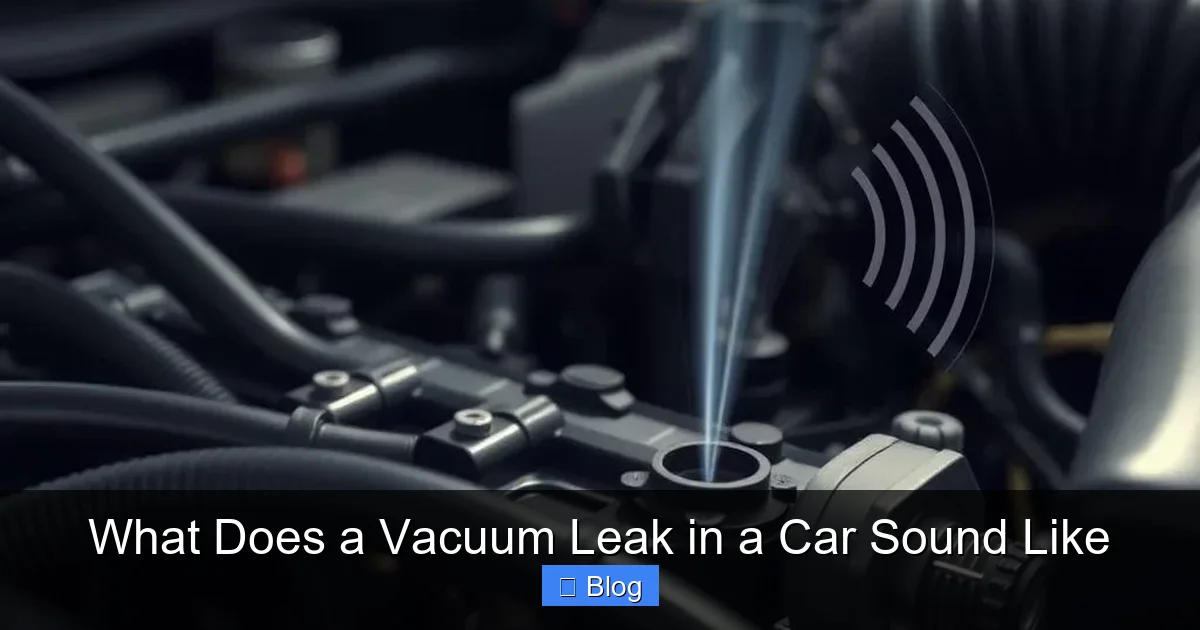
The most telltale sign of a vacuum leak is a hissing or whistling sound coming from the engine bay. This noise is caused by air rushing through a small gap or crack in a vacuum line, intake manifold gasket, or other sealed component.
Hissing at Idle
One of the most common places to hear a vacuum leak is when the engine is idling. Because the engine is drawing in air slowly, even a tiny leak can create a noticeable hiss. You might hear it near the firewall, around the throttle body, or along the intake manifold. The sound may get louder when you rev the engine slightly, as more air is being pulled through the system.
Visual guide about What Does a Vacuum Leak in a Car Sound Like
Image source: automotivian.com
Whistling Under Acceleration
Some vacuum leaks become more obvious when you press the gas pedal. As engine load increases, the vacuum changes, and air may rush through a compromised seal or hose. This can produce a high-pitched whistle that rises and falls with engine RPM. If you hear this noise only when accelerating, it’s a strong clue that unmetered air is entering the intake.
Squealing or Chirping (Less Common)
In rare cases, a vacuum leak might sound like a squeal or chirp—especially if it’s near a belt or pulley. However, this is more likely to be a worn accessory belt or tensioner. Still, if you hear a high-pitched noise that doesn’t go away, it’s worth checking for leaks nearby.
Other Symptoms That Point to a Vacuum Leak
While sound is a big clue, vacuum leaks often come with other warning signs. These symptoms help confirm that the noise you’re hearing is actually a leak and not something else.
Rough or Unstable Idle
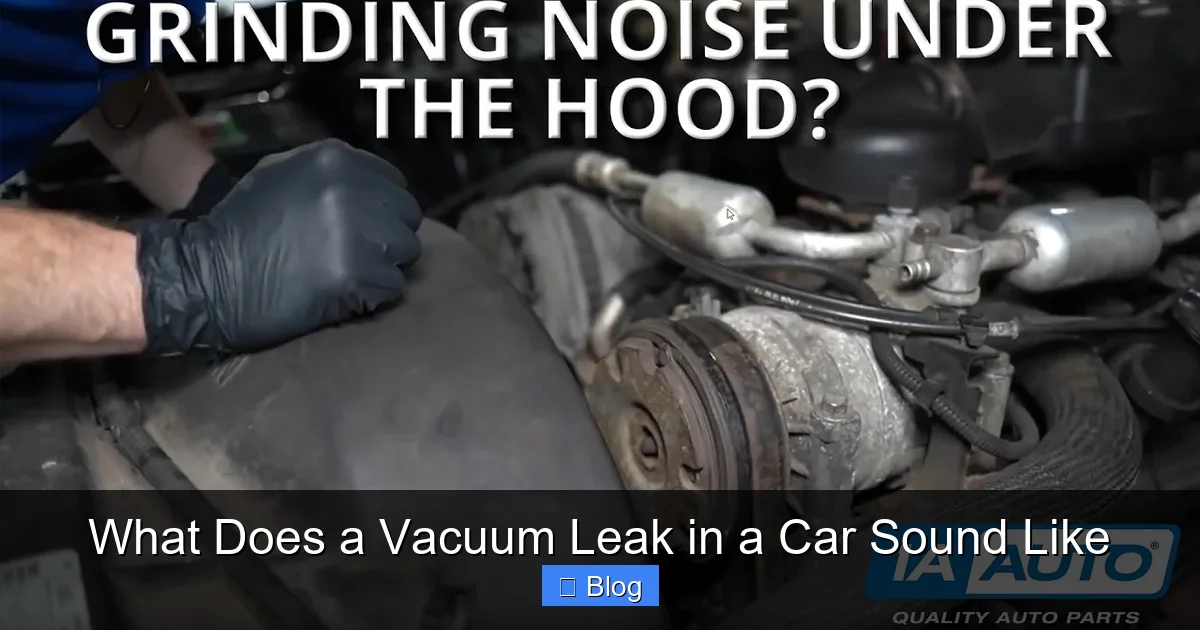
A classic sign of a vacuum leak is an engine that idles roughly, surges, or even stalls. Because extra air is entering the engine, the air-fuel mixture becomes too lean. The ECU tries to compensate, but it can’t keep up with the unpredictable airflow. You might notice the RPMs bouncing up and down or the engine feeling “shaky” at a stoplight.
Visual guide about What Does a Vacuum Leak in a Car Sound Like
Image source: i.ytimg.com
Poor Fuel Economy
When the engine runs lean, it may burn more fuel trying to maintain performance. Over time, this leads to noticeably lower gas mileage. If you’re filling up more often without changing your driving habits, a vacuum leak could be the culprit.
Hesitation or Misfires During Acceleration
Because the air-fuel mixture is off, your engine may hesitate when you press the gas. In severe cases, it can even misfire—causing a jerking sensation or a “pop” from the exhaust. These issues are especially common when accelerating from a stop or going uphill.
Check Engine Light and Lean Codes
Modern vehicles are equipped with oxygen sensors that monitor exhaust gases. If the mixture is too lean, the ECU will detect it and trigger the check engine light. Common trouble codes include P0171 (System Too Lean – Bank 1) and P0174 (System Too Lean – Bank 2). These codes strongly suggest a vacuum leak, especially if there’s no obvious fuel delivery issue.
How to Find a Vacuum Leak: Step-by-Step
Now that you know what to listen for, let’s walk through how to find the actual source of the leak. With a few simple tools and some patience, you can track it down yourself.
Step 1: Listen Carefully
Start the engine and let it idle. Pop the hood and listen closely around the intake manifold, vacuum hoses, and throttle body. Use a mechanic’s stethoscope or a long screwdriver (carefully!) to amplify sounds. Place the tip on a component and put your ear near the handle. Be cautious of moving parts like belts and fans.
Step 2: Inspect Vacuum Hoses
Look for cracked, brittle, or disconnected vacuum hoses. These rubber lines can dry out and split over time, especially near heat sources. Gently squeeze each hose—if it feels hard, cracked, or crumbly, it’s time to replace it. Pay special attention to hoses connected to the brake booster, PCV valve, and EVAP system.
Step 3: Check the Intake Manifold Gasket
The intake manifold gasket seals the manifold to the engine block. If it fails, air can leak in around the edges. Look for oil residue, coolant stains, or carbon tracking around the gasket. A hissing sound near the manifold is a red flag.
Step 4: Use Carb Cleaner or Soapy Water
This is a classic DIY method. With the engine running, spray small amounts of carburetor cleaner or soapy water around suspected areas. If the engine RPM increases when you spray a certain spot, that’s a leak. The cleaner acts as a combustible vapor that the engine briefly “burns,” causing a temporary rise in RPM. With soapy water, look for bubbles forming at the leak site.
Caution: Only use this method in well-ventilated areas and avoid open flames. Carb cleaner is flammable.
Step 5: Use a Smoke Machine (Professional Method)
For a more accurate diagnosis, many mechanics use a smoke machine. It pumps smoke into the intake system, and any leaks will show up as smoke escaping from cracks or loose connections. While not practical for most homeowners, this is the gold standard for finding small or hidden leaks.
Troubleshooting Tips and Common Mistakes
Even with the right steps, finding a vacuum leak can be tricky. Here are some tips to avoid common pitfalls.
Don’t Ignore Small Leaks
A tiny hiss might not seem like a big deal, but even a pinhole-sized leak can cause performance issues over time. Small leaks can also grow larger as engine heat and vibration take their toll.
Check All Vacuum-Operated Systems
Vacuum isn’t just for the intake. It powers the brake booster, HVAC controls, and emissions systems. A leak in the brake booster diaphragm, for example, can cause a hissing sound when you press the brake pedal. Make sure to inspect all vacuum-dependent components.
Beware of False Positives
Not every hiss is a vacuum leak. Worn belts, loose heat shields, or exhaust leaks can also make noise. Always confirm with a secondary test—like the carb cleaner method—before replacing parts.
Replace, Don’t Just Patch
If you find a cracked hose, replace the entire section. Duct tape or epoxy might work temporarily, but they won’t hold up under heat and pressure. Use OEM or high-quality aftermarket parts for the best results.
How to Fix a Vacuum Leak
Once you’ve located the leak, the fix is usually straightforward.
Replace Damaged Hoses
Cut out the damaged section and install a new hose of the same diameter and length. Use hose clamps to secure the connections. For hard-to-reach areas, consider using a hose repair kit with flexible tubing.
Replace the Intake Manifold Gasket
This is a more involved job that may require removing the intake manifold. Clean the mating surfaces thoroughly and install a new gasket according to the manufacturer’s torque specifications. Reassemble carefully to avoid new leaks.
Check and Replace the PCV Valve
A stuck or clogged PCV valve can create pressure imbalances that mimic a vacuum leak. Remove the valve and shake it—if it doesn’t rattle, it’s likely faulty. Replace it with a new one.
Reset the ECU
After fixing the leak, clear any trouble codes with an OBD2 scanner. Then drive the car for a few days to allow the ECU to relearn fuel trims. You should notice smoother idling and better performance.
When to See a Mechanic
While many vacuum leaks are DIY-friendly, some situations call for professional help.
– If the leak is near the throttle body or inside the intake manifold
– If you suspect a cracked engine component (like the intake manifold itself)
– If the check engine light remains on after repairs
– If you’re not comfortable working on your engine
A certified mechanic can perform a smoke test and use advanced diagnostics to pinpoint hard-to-find leaks.
Conclusion
A vacuum leak in a car often sounds like a hiss or whistle, especially at idle or under light acceleration. While the noise might seem minor, it’s a sign that unmetered air is entering your engine, disrupting the air-fuel mixture and hurting performance. By listening carefully, inspecting hoses and gaskets, and using simple tests like carb cleaner or soapy water, you can find and fix most leaks yourself. Addressing vacuum leaks early saves fuel, improves drivability, and prevents more serious engine problems down the road. Stay alert to unusual sounds under the hood—your ears might just save you a costly repair bill.