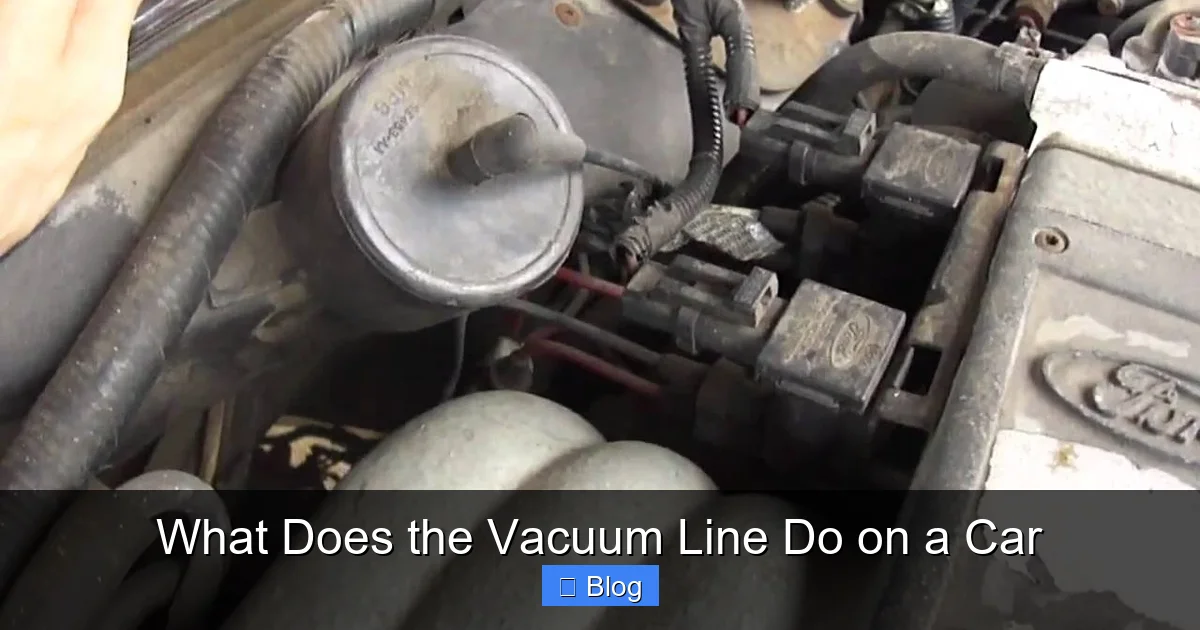
What Does the Vacuum Line Do on a Car?
What does the vacuum line do on a car? It carries vacuum pressure from the engine to different components, helping them function properly. The vacuum line plays a key role in controlling systems like the brake booster, fuel pressure regulator, and emission controls by using engine suction to operate them efficiently.
In simple terms, vacuum lines act like small hoses that transfer air pressure signals throughout the engine. When these lines work correctly, they help maintain smooth engine performance, proper fuel efficiency, and reliable braking support. If a vacuum line becomes cracked, loose, or blocked, it can lead to rough idling, poor acceleration, or even brake issues.
Regular inspection of vacuum lines is important to keep your car running smoothly. Replacing damaged lines early can prevent bigger engine problems, improve performance, and ensure all connected systems operate as they should.
Key Takeaways
- Understanding Vacuum Lines: Vacuum lines play a critical role in the operation of various vehicle systems, including engine control, brake boosting, and emission control.
- Working of Vacuum Lines: They use the vacuum created by the engine to actuate various components and systems in the vehicle.
- Common Issues: Vacuum lines can face issues like leaks, which can lead to poor engine performance and braking issues.
- Troubleshooting Vacuum Lines: Identifying and fixing vacuum line issues can often be done at home with a few simple tools.
- Maintenance of Vacuum Lines: Regular inspections and maintenance of vacuum lines can prevent potential issues and improve vehicle performance.
Quick Answers to Common Questions
What are the symptoms of a vacuum leak?
Symptoms can include poor engine performance, increased fuel consumption, and a rough idle.
How often should vacuum lines be inspected?
Vacuum lines should be inspected at least once a year or during regular vehicle maintenance.
Can vacuum leaks cause serious damage?
While not directly damaging, vacuum leaks can lead to poor engine performance and increased fuel consumption, which can result in damage over time.
Can I fix a vacuum leak myself?
Yes, with the right tools and a bit of know-how, a vacuum leak can often be fixed at home.
Where are the vacuum lines located?
Vacuum lines are usually found in the engine compartment, running from the intake manifold to various components.
Introduction
One of the most overlooked, yet vital components of a car’s engine system is the vacuum line. This guide aims to shed light on what vacuum lines do in a car, how they work, and the steps you can take to troubleshoot them.
Understanding Vacuum Lines
Vacuum lines are small rubber or plastic tubes that create and transport vacuum to various parts of the car, such as the engine and brake systems. They are essential for the efficient operation of the vehicle, including fuel and emission control, brake boosting, and engine control.

Visual guide about What Does the Vacuum Line Do on a Car
Image source: mychway.com
How Vacuum Lines Work
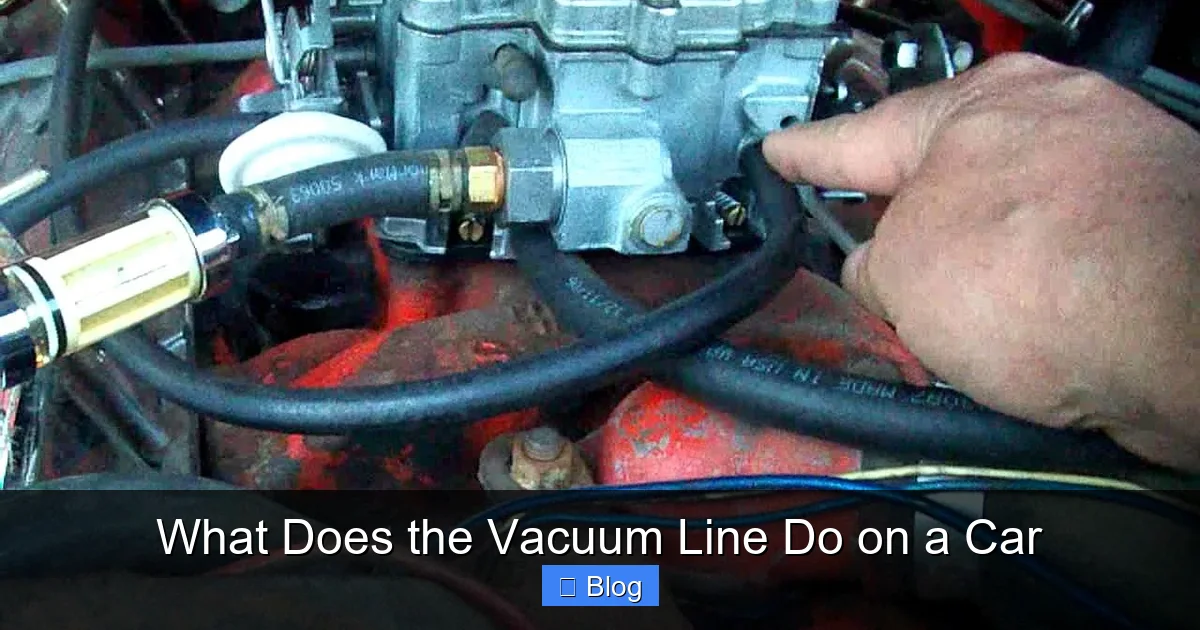
The vacuum in an engine is created by the downward movement of the pistons during the intake stroke. This vacuum is then used to power various components and systems in the vehicle, such as the power brakes and the HVAC (Heating, Ventilation, and Air Conditioning) controls. Vacuum lines transport this vacuum to these components.
Visual guide about What Does the Vacuum Line Do on a Car
Image source: i.ytimg.com
Common Vacuum Line Issues
Vacuum lines, like any other car component, can face issues over time. The most common problem is vacuum leaks. These can occur due to cracks in the lines or loose connections, leading to poor engine performance, increased fuel consumption, and decreased brake power.
Troubleshooting Vacuum Lines
If you suspect a vacuum leak, there are several steps you can take to identify and fix the issue. This can include listening for a hissing sound, using a vacuum gauge, or using a smoke machine.
Maintenance of Vacuum Lines
Regular maintenance and inspection of vacuum lines can help to prevent issues before they become serious. This can include checking for signs of wear or damage, ensuring connections are secure, and replacing old or damaged lines.
Conclusion
Understanding and maintaining the vacuum lines in your car can significantly enhance its performance and lifespan. Regular checks and maintenance can prevent potential issues and ensure smooth vehicle operation.