What Can Cause a Vacuum Leak in a Car
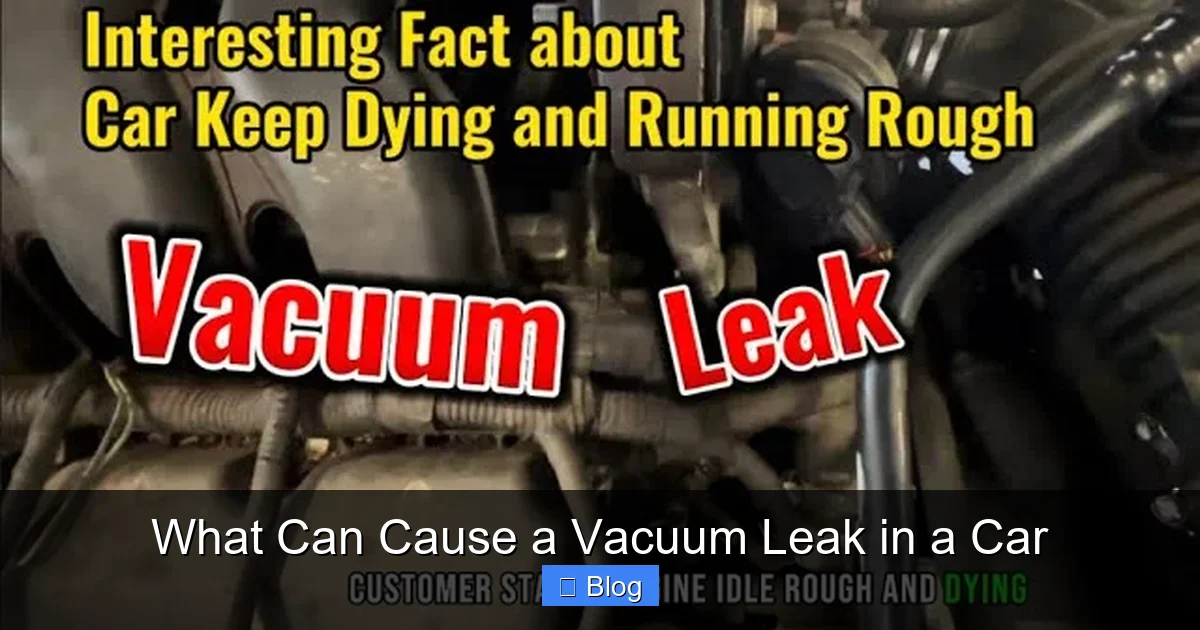
A vacuum leak in your car can lead to poor engine performance, rough idling, and increased emissions. This guide explains the common causes, how to spot them early, and what you can do to fix or prevent leaks before they cause serious damage.
Key Takeaways
- Worn or cracked vacuum hoses are the most common cause of vacuum leaks due to heat and age.
- Faulty intake manifold gaskets can degrade over time, allowing air to enter the engine improperly.
- Damaged PCV valves or hoses disrupt crankcase pressure and create unwanted air pathways.
- Leaking brake booster diaphragms affect both braking performance and engine vacuum levels.
- Improperly installed or damaged throttle body gaskets allow unmetered air into the intake system.
- Regular inspection and maintenance can prevent most vacuum leaks before they impact drivability.
- Using a smoke machine or carb cleaner test helps accurately locate hard-to-find leaks.
Quick Answers to Common Questions
Tip/Question?
Can a vacuum leak cause poor fuel economy?
Yes. A vacuum leak introduces extra air, making the engine run lean. The ECU compensates by adding more fuel, which reduces fuel efficiency.
Tip/Question?
Is it safe to drive with a vacuum leak?
Short-term driving may be possible, but prolonged exposure can damage oxygen sensors, catalytic converters, and cause engine misfires. Get it checked promptly.
Tip/Question?
Can I use duct tape to fix a vacuum hose?
No. Duct tape won’t seal under vacuum pressure and can degrade quickly. Always use proper vacuum hose and clamps.
Tip/Question?
How often should I inspect vacuum hoses?
Check them every 12,000 miles or during oil changes. Look for cracks, brittleness, or loose connections.
Tip/Question?
Do all cars have vacuum systems?
Most gasoline engines do, especially those with vacuum-assisted brakes and emissions controls. Diesel engines and some modern turbocharged models use less vacuum but still have related components.
What Is a Vacuum Leak and Why Does It Matter?
A vacuum leak occurs when unmetered air enters your car’s engine through unintended gaps or cracks in the intake system. Your engine relies on precise air-fuel ratios for efficient combustion, and the mass airflow (MAF) sensor measures only the air that passes through the throttle body. When extra air sneaks in elsewhere, the engine control unit (ECU) doesn’t account for it, leading to a lean fuel mixture, poor performance, and potential long-term damage.
Understanding what can cause a vacuum leak in a car is the first step toward maintaining optimal engine health. These leaks often develop gradually, so early detection is key. Left unchecked, they can trigger check engine lights, reduce fuel economy, and even cause stalling or hesitation during acceleration.
Common Causes of Vacuum Leaks
Vacuum leaks can stem from several components that degrade over time or suffer from poor installation. Below are the most frequent culprits, along with explanations of how and why they fail.
Visual guide about What Can Cause a Vacuum Leak in a Car
Image source: samarins.com
1. Cracked or Brittle Vacuum Hoses
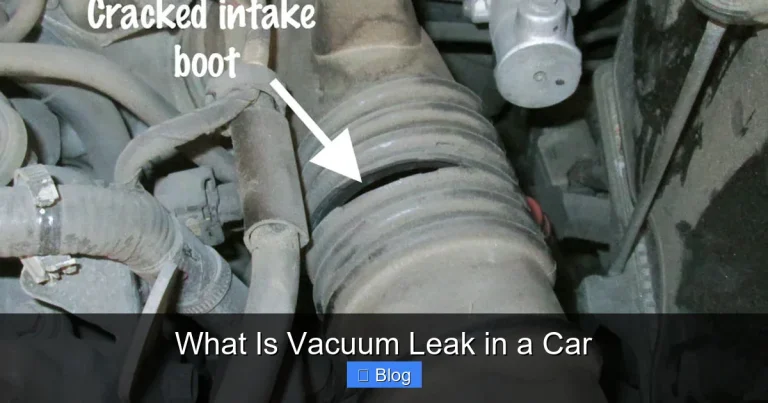
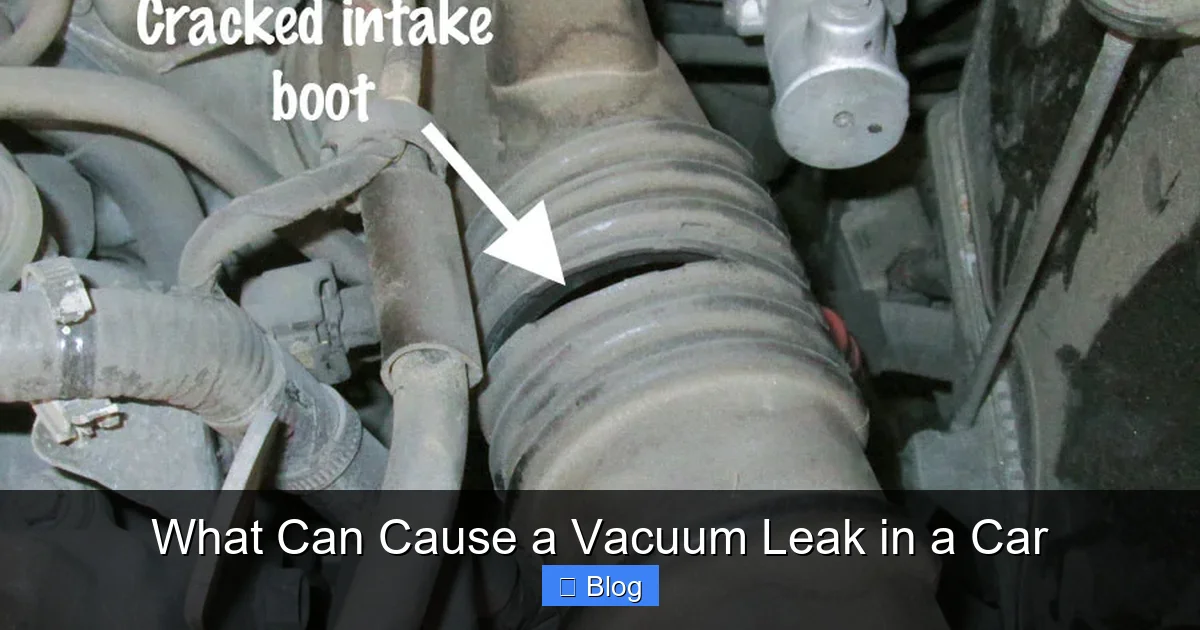
Vacuum hoses are made of rubber or silicone and connect various engine components like the intake manifold, brake booster, and emissions systems. Over time, exposure to heat, oil, and engine vibrations causes these hoses to harden, crack, or split—especially near connection points.
For example, a small crack near the base of a vacuum line connected to the EGR valve might only leak under certain conditions, like high engine load. These intermittent leaks can be tricky to diagnose but often show up as erratic idle or hesitation.
2. Failed Intake Manifold Gaskets
The intake manifold gasket seals the gap between the engine block and the intake manifold. If this gasket fails—due to overheating, improper torque, or age—it allows air to be sucked into the intake system from outside the engine.
This type of leak is often more severe and can cause significant drivability issues. You might notice a hissing sound near the top of the engine, especially when the engine is cold or under load.
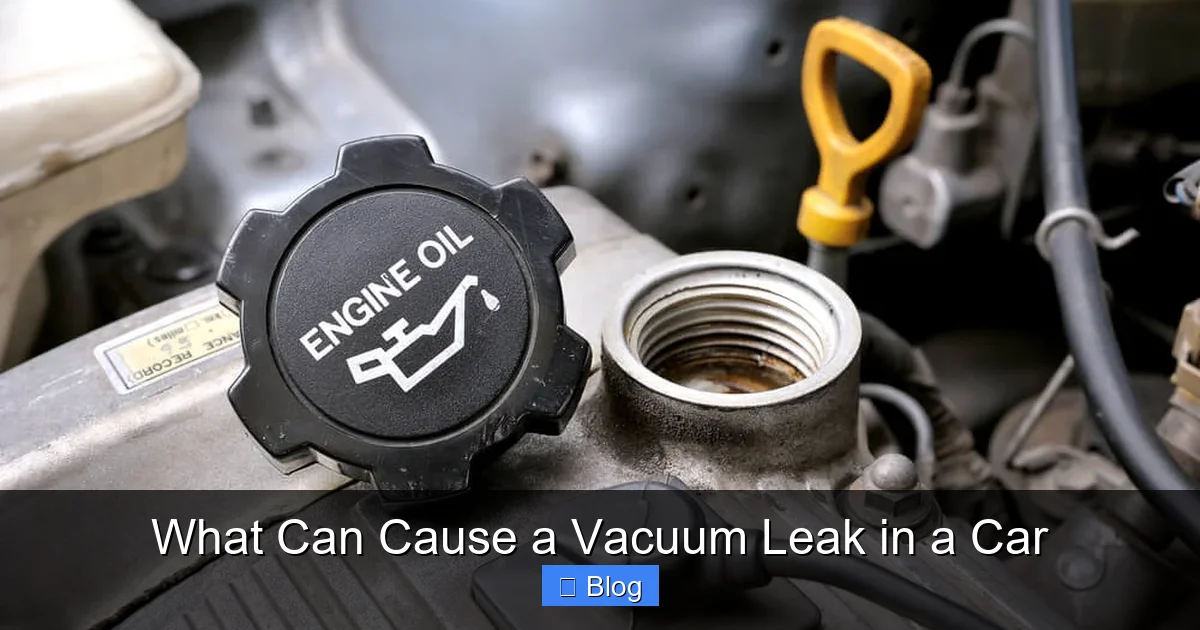
3. Faulty PCV Valve or Hoses
The Positive Crankcase Ventilation (PCV) system recirculates blow-by gases from the crankcase back into the intake manifold. A clogged or stuck-open PCV valve, or a cracked PCV hose, can create a vacuum leak by allowing excess air into the system.
Signs include oil leaks around the valve cover, increased oil consumption, or a rough idle. Replacing the PCV valve is inexpensive and should be done every 30,000 to 50,000 miles as part of routine maintenance.
4. Leaking Brake Booster Diaphragm
The brake booster uses engine vacuum to assist braking. If the internal diaphragm tears or the booster develops a crack, it can draw in outside air, reducing vacuum pressure and affecting both braking feel and engine performance.
You may notice a harder brake pedal, longer stopping distances, or a hissing noise when pressing the brake. This issue is especially dangerous because it impacts safety-critical systems.
5. Damaged Throttle Body Gasket
The throttle body gasket seals the throttle body to the intake manifold. If it becomes warped, compressed, or misaligned during service, it can allow air to bypass the throttle plate.
This often happens after DIY throttle body cleaning if the gasket isn’t reinstalled correctly. Symptoms include idle surging, stalling, or a check engine light with codes related to air-fuel mixture.
6. Loose or Misrouted Vacuum Lines After Repairs
After engine work—such as replacing a sensor, cleaning the intake, or installing new components—vacuum lines can be reconnected incorrectly or left loose. Even a slightly disconnected line can cause a significant leak.
Always double-check vacuum routing diagrams in your vehicle’s service manual after any under-hood work. A misplaced line might look connected but still allow air in.
7. Cracked or Warped Intake Manifold (Less Common)
In rare cases, the intake manifold itself can crack due to thermal stress or manufacturing defects. This is more common in plastic manifolds found on many modern engines.
A cracked manifold can be difficult to detect without a pressure test or smoke test. Look for coolant leaks or inconsistent performance across cylinders.
Tools and Materials
Before diagnosing or fixing a vacuum leak, gather the right tools and materials. Having everything ready will save time and improve accuracy.
Visual guide about What Can Cause a Vacuum Leak in a Car
Image source: dmbsportscamp.com
How to Diagnose a Vacuum Leak
Once you suspect a vacuum leak, follow these steps to confirm and locate the source.
| Tool/Material | Purpose | When to Use |
|---|---|---|
| Smoke machine | Introduces smoke into the intake to visually locate leaks | Best for pinpointing hard-to-find leaks |
| Carburetor cleaner or propane torch (unlit) | Sprayed near suspected areas; engine RPM changes if leak is present | Quick field test (use with caution) |
| Vacuum gauge | Measures intake manifold vacuum levels | Useful for diagnosing overall system health |
| Replacement vacuum hoses | Used to replace cracked or brittle lines | Always keep spares on hand |
| Gasket sealant (if needed) | Helps seal minor imperfections in gaskets | Only for specific applications—check manufacturer guidelines |
Step 1: Listen for Hissing Sounds
With the engine running, listen carefully around the intake manifold, throttle body, and vacuum lines. A hissing noise often indicates air being sucked in through a crack or loose connection. Use a mechanic’s stethoscope or a length of hose to help isolate the sound.
Step 2: Use the Carb Cleaner Test
With the engine idling, carefully spray small amounts of carburetor cleaner around suspected areas (hoses, gaskets, throttle body). If the engine RPM increases momentarily, it means the cleaner is being sucked into the engine through a leak—indicating the problem area.
Warning: This method involves flammable chemicals. Never spray near open flames, sparks, or hot exhaust components. Work in a well-ventilated area.
Step 3: Perform a Smoke Test
A smoke machine is the most accurate way to find vacuum leaks. It fills the intake system with non-toxic smoke and reveals exactly where it escapes. This method is commonly used in professional shops but can be rented or borrowed from auto parts stores.
Step 4: Check Vacuum Gauge Readings
Connect a vacuum gauge to a port on the intake manifold. Normal readings at idle should be steady between 17–22 inHg. Fluctuating or low readings suggest a leak or other engine issue.
Step 5: Inspect Visually and by Touch
Look for cracked, disconnected, or swollen hoses. Feel along hose connections for looseness. Check the condition of gaskets—look for oil stains, warping, or gaps.
Troubleshooting Common Issues
Even with testing, some vacuum leaks are elusive. Here’s how to handle tricky scenarios.
Intermittent Leaks
Some leaks only appear under specific conditions, like high engine temperature or load. Monitor your car’s behavior over several days. Use a scan tool to check for pending codes or fuel trim data—long-term fuel trims above +10% often indicate a lean condition from a vacuum leak.
Multiple Small Leaks
Instead of one big leak, you might have several tiny ones adding up. Replace all old vacuum hoses during diagnosis, even if they look fine. Prevention is cheaper than repeated repairs.
False Alarms from Other Problems
A misfire, faulty oxygen sensor, or dirty MAF sensor can mimic vacuum leak symptoms. Always rule out these issues first using an OBD2 scanner before assuming a vacuum leak.
How to Fix and Prevent Vacuum Leaks
Once you’ve identified the source, repair is usually straightforward.
Replace Damaged Hoses
Cut out the damaged section and replace it with new vacuum hose of the same diameter. Use hose clamps if needed, but many modern systems use push-fit connectors.
Reinstall or Replace Gaskets
If the intake manifold or throttle body gasket is faulty, remove the component, clean the mating surfaces, and install a new gasket. Torque bolts to manufacturer specifications in the correct sequence.
Service the PCV System
Replace the PCV valve and inspect the hose. Ensure the valve rattles when shaken—if not, it’s likely clogged.
Inspect After Repairs
After any engine work, double-check all vacuum connections. Refer to your vehicle’s vacuum diagram (often found under the hood or in the service manual).
Conclusion
Knowing what can cause a vacuum leak in a car empowers you to act quickly and avoid costly repairs. From aging hoses to faulty gaskets, most causes are preventable with regular maintenance. By listening for symptoms, using the right tools, and addressing issues early, you’ll keep your engine running smoothly, efficiently, and safely. Don’t ignore a rough idle or check engine light—your car’s performance depends on a sealed intake system.