What Is a Vacuum Hose on a Car?
A vacuum hose on a car is a flexible tube that carries vacuum pressure from the engine to various components, helping them operate efficiently. It plays a crucial role in systems like the brake booster, emissions control, and HVAC controls. Without properly functioning vacuum hoses, your car’s engine performance and accessory systems can be compromised.
These hoses are usually made of rubber or plastic and can wear out over time due to heat, oil, or age. Signs of a damaged vacuum hose include rough idling, engine misfires, decreased fuel efficiency, or hissing sounds from the engine bay. A small leak in a vacuum hose can affect multiple systems, making it important to inspect them regularly.
Understanding what a vacuum hose on a car does helps drivers recognize problems early and maintain optimal engine performance. Replacing old or cracked hoses ensures smooth operation, better fuel economy, and prevents more serious engine issues.
What Is a Vacuum Hose on a Car?
Ever popped open your car’s hood and noticed a complex maze of wires and tubes? Among them are small, often overlooked, but incredibly important components: the vacuum hoses. While they might seem like simple rubber or plastic tubes, a vacuum hose on a car plays a surprisingly crucial role in how your vehicle performs, from its engine efficiency to its safety systems.
In this comprehensive guide, we’ll demystify these tiny titans of automotive engineering. You’ll learn exactly what a vacuum hose is, why they are so vital, what systems they support, and how to spot the signs of a failing one. We’ll also walk you through basic inspection techniques and even cover how to replace a damaged vacuum hose yourself. By the end, you’ll have a clear understanding of these unsung heroes and be empowered to keep your car running smoothly into 2026 and beyond.
Key Takeaways
- Fundamental Function: A vacuum hose on a car uses suction created by the engine to operate various systems, playing a crucial role in your vehicle’s overall performance and safety.
- Widespread Impact: These small hoses power critical components like the brake booster, PCV system, EGR valve, fuel pressure regulator, and even HVAC controls, affecting everything from braking to emissions.
- Common Failure Symptoms: Watch out for rough idle, a “Check Engine” light, reduced fuel economy, lack of power, or a noticeable hissing sound, as these often point to a compromised vacuum hose.
- Easy Visual Inspection: Regularly inspect your car’s vacuum hoses for visible cracks, kinks, dry rot, or loose connections, as many problems can be identified with a simple look.
- DIY Replacement Potential: With the right tools and a little care, replacing a damaged vacuum hose is often a straightforward DIY task that can restore proper vehicle function.
- Preventative Maintenance is Key: Proactive checks and timely replacement of old or brittle hoses can prevent larger, more expensive problems down the road, ensuring your car runs efficiently.
Quick Answers to Common Questions
What causes a vacuum hose on a car to fail?
Vacuum hoses primarily fail due to age and exposure to heat and engine chemicals. Over time, the rubber or plastic material can become brittle, crack, dry rot, or collapse, leading to leaks or blockages.
Can I drive with a broken vacuum hose?
While you might be able to drive with some minor vacuum hose issues, it’s generally not recommended. A broken vacuum hose can lead to significant problems like rough idle, reduced braking power (if it’s the brake booster hose), poor fuel economy, and increased emissions, potentially damaging other engine components over time.
Are all vacuum hoses the same size?
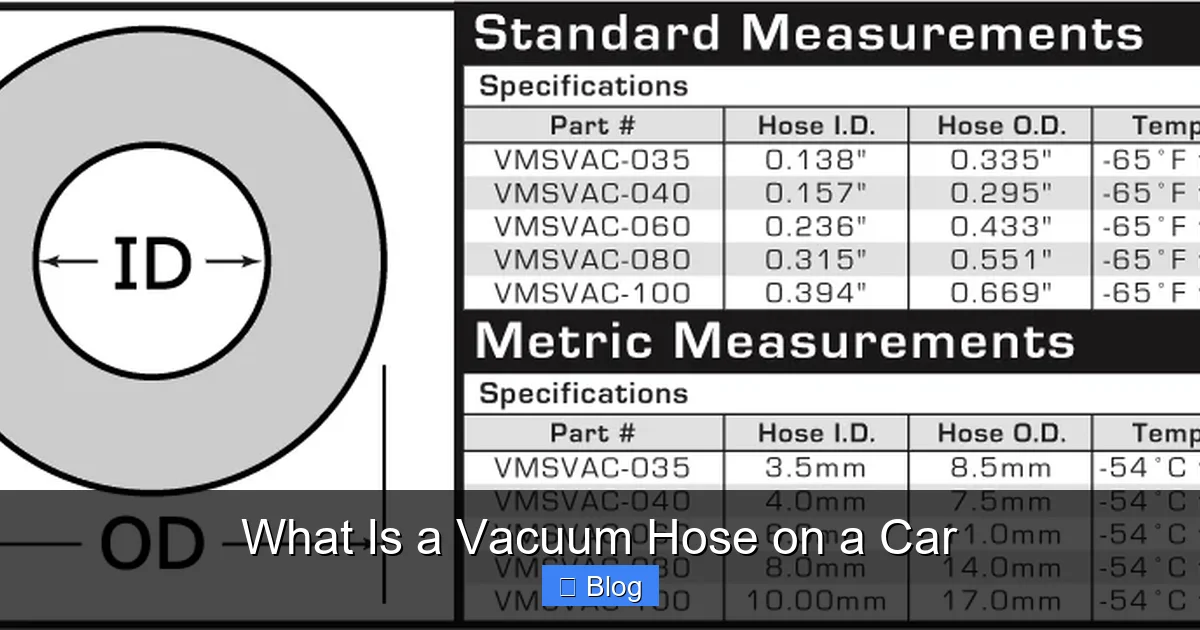
No, vacuum hoses come in various inner diameters (IDs) to suit different applications and fittings. It’s crucial to use a replacement hose with the exact same ID as the original to ensure a tight, leak-free seal.
How can I temporarily fix a leaking vacuum hose?
For a very temporary fix, you might be able to wrap electrical tape tightly around a small crack or use a piece of heat shrink tubing. However, these are not permanent solutions and should only be used to get you home or to a repair shop for proper replacement.
Should I replace all my vacuum hoses at once?
If your car is older and you notice multiple hoses showing signs of age, it’s often a good idea to consider replacing all accessible vacuum hoses at once as preventative maintenance. This can restore overall system integrity and prevent future, staggered failures.
What Exactly Is a Vacuum Hose?
At its core, a vacuum hose on a car is a specialized tube designed to transmit vacuum pressure. But what does that mean? In an internal combustion engine, when the pistons move down during the intake stroke, they create a low-pressure area, or vacuum, in the intake manifold. This vacuum is a powerful force, and modern cars are designed to harness it for various functions.
Think of it like a very strong straw. When you suck on a straw, you create a vacuum, and liquid rushes up. Similarly, the engine “sucks” air, creating a vacuum. The vacuum hoses are simply the conduits that direct this suction force to different parts of the car that need it.
These hoses are typically made from durable materials like rubber, silicone, or sometimes hard plastic. They come in various diameters to suit different applications and are designed to withstand the heat and chemicals found under the hood. While small, their integrity is paramount. Even a tiny crack or a loose connection in a vacuum hose can disrupt an entire system.
Why Are Vacuum Hoses So Important?
You might be thinking, “It’s just a hose, how important can it be?” The answer is: very! The vacuum created by your engine is a free source of energy, and engineers have cleverly designed many systems to utilize it. When a vacuum hose on a car fails, it’s not just an inconvenience; it can lead to a host of problems.
Engine Performance
One of the primary impacts of a healthy vacuum system is on engine performance. The engine’s computer (ECU) relies on precise air-fuel mixture readings. Many sensors that feed information to the ECU, such as the Manifold Absolute Pressure (MAP) sensor, depend on accurate vacuum readings. If a vacuum hose leaks, the sensor gets incorrect data, leading to:
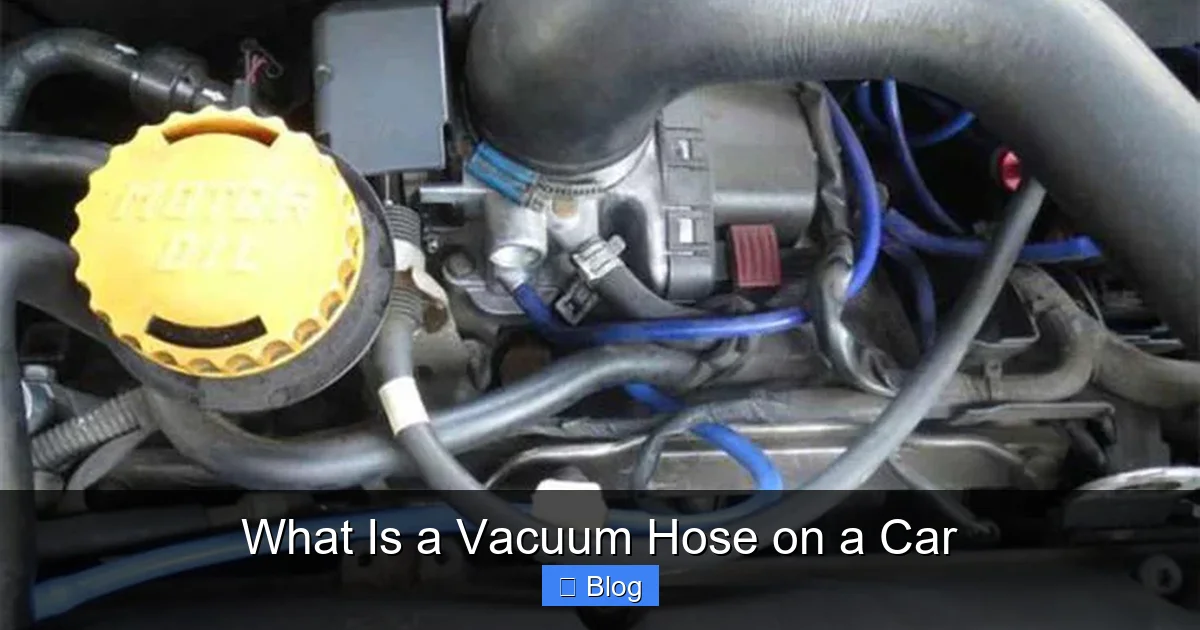
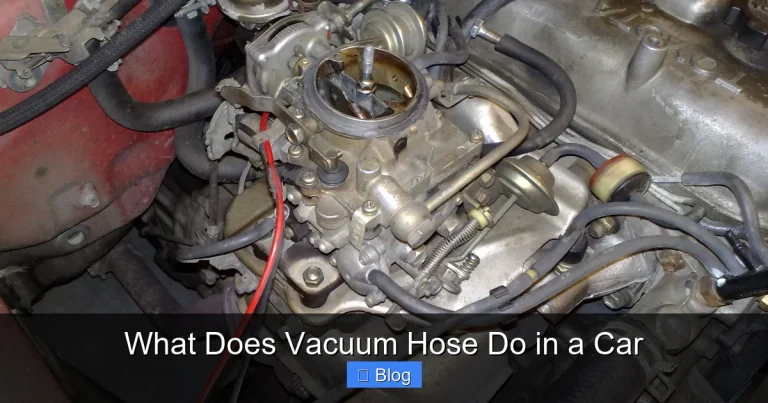
Visual guide about What Is a Vacuum Hose on a Car
Image source: bryansgarage.com
- Poor fuel economy
- Reduced engine power and acceleration
- Rough or erratic idle
- Stalling
- Difficulty starting
Emissions Control
Modern vehicles have strict emissions standards. Vacuum hoses are integral to several emissions control systems, like the PCV (Positive Crankcase Ventilation) system and the EGR (Exhaust Gas Recirculation) valve. A failing vacuum hose can lead to increased harmful emissions, potentially causing your vehicle to fail an inspection and contribute to air pollution.
Safety Features
Perhaps one of the most critical safety features that relies on a vacuum hose is the brake booster. This component amplifies the force you apply to the brake pedal, making it much easier to stop your car. Without a properly functioning vacuum hose to the brake booster, stopping your car would require significantly more effort, potentially leading to dangerous situations.
Comfort and Convenience
Beyond performance and safety, vacuum hoses also operate systems that enhance your driving comfort. On many older and some newer vehicles, the vacuum system controls various functions within the heating, ventilation, and air conditioning (HVAC) system, directing airflow to different vents. In some cars, vacuum can also power cruise control mechanisms or even door locks.
Key Systems That Rely on Vacuum Hoses
Let’s dive into some specific examples of where you’ll find a vacuum hose on a car and what critical functions they perform.
Brake Booster
This is arguably the most vital vacuum-operated component. A large vacuum hose connects the brake booster to the engine’s intake manifold. The vacuum assists you in pushing the brake pedal, making braking effortless. If this hose leaks, your brake pedal will feel much harder to push, and stopping distances will increase significantly.
Visual guide about What Is a Vacuum Hose on a Car
Image source: crankshift.com
PCV (Positive Crankcase Ventilation) System
The PCV system is crucial for managing blow-by gases that escape past the piston rings into the crankcase. Vacuum hoses draw these harmful gases out of the crankcase and back into the intake manifold to be re-burned. This prevents pressure buildup, reduces oil sludge, and minimizes emissions. A clogged or leaking PCV vacuum hose can cause oil leaks, rough idle, and increased emissions.
EGR (Exhaust Gas Recirculation) Valve
The EGR valve helps reduce nitrogen oxide (NOx) emissions, a major component of smog. Vacuum pressure is often used to open and close the EGR valve, which routes a small amount of exhaust gas back into the combustion chambers. This cools combustion temperatures, reducing NOx. A faulty vacuum hose to the EGR can cause rough idle, hesitation, and a “Check Engine” light.
Fuel Pressure Regulator
This component maintains a consistent fuel pressure in the fuel rail, ensuring your injectors deliver the correct amount of fuel. Many fuel pressure regulators have a small vacuum hose connected to them. This vacuum connection helps the regulator adjust fuel pressure based on engine load, ensuring optimal fuel delivery and efficiency. A vacuum leak here can lead to incorrect fuel pressure, affecting engine performance and fuel economy.
MAP (Manifold Absolute Pressure) Sensor
While many MAP sensors are directly mounted to the intake manifold, some might have a small vacuum hose connecting them to a specific point on the manifold. This sensor measures the absolute pressure inside the intake manifold, providing crucial data to the ECU for calculating engine load and adjusting fuel delivery and ignition timing. An issue with its vacuum hose can lead to incorrect readings, impacting engine efficiency.
HVAC Controls
In many vehicles, especially older ones, vacuum actuators are used to open and close air doors within the heating and air conditioning system. These doors direct airflow to the defroster, floor, or dash vents. If a vacuum hose in this system leaks, you might find that air only blows out of the defroster vents (a common fail-safe position) or that you can’t control where the air goes.
Cruise Control
Some cruise control systems use vacuum to actuate a diaphragm that pulls on the throttle cable, maintaining a set speed. A vacuum leak in this system would prevent cruise control from engaging or holding speed consistently.
Transmission Modulator
On some older automatic transmissions, a vacuum modulator helps the transmission shift smoothly by sensing engine load. A vacuum hose connects the modulator to the engine. A broken or leaking hose can cause harsh or erratic shifts.
Common Signs of a Failing Vacuum Hose
Knowing what to look for can save you a lot of headache and diagnostic costs. Here are the most common symptoms that a vacuum hose on your car might be failing:
Rough Idle
This is one of the most classic signs. If your engine feels like it’s shaking or struggling to maintain a steady RPM when idling, a vacuum leak is a prime suspect. The engine’s computer tries to compensate for the extra unmetered air entering the system, leading to an inconsistent idle.
Check Engine Light
A vacuum leak often triggers the “Check Engine” light on your dashboard. Common diagnostic trouble codes (DTCs) associated with vacuum leaks include P0171 and P0174 (System Too Lean Bank 1 and Bank 2), indicating that the engine is receiving too much air relative to the fuel it’s being given.
Reduced Fuel Economy
When the engine is struggling with a vacuum leak, it has to work harder and often runs richer (uses more fuel) to compensate for the extra air. This directly translates to more frequent trips to the gas station.
Lack of Power or Acceleration
If your car feels sluggish, struggles to accelerate, or doesn’t have its usual pep, a vacuum leak could be robbing your engine of power. The improper air-fuel mixture makes the engine less efficient.
Hissing Sound
Sometimes, a larger vacuum leak will produce an audible hissing or whistling sound, especially when the engine is running. This sound is the air being sucked into the intake manifold through the compromised hose.
Hard Brake Pedal
As mentioned, if the vacuum hose to your brake booster is compromised, the brake pedal will become noticeably harder to push, requiring significant effort to stop the vehicle. This is a critical safety issue.
HVAC Malfunctions
If your heating or air conditioning system isn’t blowing air from the correct vents (e.g., only out of the defroster) or you can’t switch airflow, it could be a sign of a vacuum leak affecting the HVAC controls.
Inspecting Your Car’s Vacuum Hoses
A visual inspection is often the first and most effective step in diagnosing a vacuum leak. You can perform this yourself with basic tools and a bit of patience.
Safety First
Always ensure your car is parked on a level surface with the engine off and cooled down. Wear appropriate safety gear, including gloves and eye protection. The engine bay can be hot and contain moving parts.
Visual Inspection
This is where you play detective. Start by visually scanning all the vacuum hoses you can see under the hood. Look for:
- Cracks and Splits: Rubber hoses can become brittle and crack over time due to heat and age.
- Dry Rot: The hose might look chalky, stiff, or have a textured, aged appearance.
- Kinks or Pinches: Hoses can get pinched or kinked during other repairs, restricting vacuum flow.
- Loose or Disconnected Ends: A hose might have simply come off its fitting or be partially pulled away.
- Collapse: In some cases, a hose might have softened and collapsed internally, blocking flow.
Trace each vacuum hose from one end to the other, making sure it’s securely attached to all fittings, sensors, and actuators. Pay extra attention to areas where hoses bend sharply or are exposed to excessive heat.
Audible Inspection (Engine Running)
If a visual inspection doesn’t reveal an obvious problem, try listening for leaks with the engine running. A small leak might produce a subtle hiss. You can use a long piece of hose or a mechanic’s stethoscope (carefully!) to pinpoint the sound. Move the hose around different sections of the vacuum system, listening for any changes in sound.
The “Wiggle Test”
With the engine idling (and being very careful around moving belts and fans), gently wiggle each vacuum hose. Listen closely for any changes in the engine’s idle speed or sound. If wiggling a specific hose causes the idle to fluctuate, you’ve likely found your culprit.
Smoke Test (Advanced)
For persistent or hard-to-find leaks, a professional mechanic might perform a smoke test. A special machine injects non-toxic smoke into the intake manifold. The smoke will then visibly escape from any cracks or leaks in the vacuum system, making them easy to spot. This is usually not a DIY method but is highly effective.
Replacing a Damaged Vacuum Hose
Once you’ve identified a compromised vacuum hose, replacing it is often a relatively simple DIY task.
Gather Tools & Parts
- New Bulk Vacuum Hose: Make sure to get the correct inner diameter (ID) and material (rubber or silicone) to match the hose you’re replacing. It’s often smart to buy a few feet of common sizes.
- Hose Cutters or Sharp Utility Knife: For clean cuts.
- Pliers: Needle-nose or small slip-joint pliers can help remove stubborn hoses or clamps.
- Vacuum Caps: Small rubber caps used to block off unused vacuum ports.
- Zip Ties or Small Hose Clamps: For securing connections if needed.
- Pen/Marker: To label hoses before removal.
- Camera: To take reference photos before you start disassembling.
Identify the Damaged Hose
If you haven’t already, confirm which hose is damaged. Take a photo of its routing and connections before you touch anything. If there are multiple hoses nearby, use a marker to label them to avoid confusion.
Remove the Old Hose
Carefully pull or cut the old vacuum hose off its fittings. If it’s very brittle, it might crumble. Be gentle with the plastic or metal barb fittings it attaches to, as these can sometimes be fragile.
Measure & Cut New Hose
Hold the old hose next to the new bulk hose and cut the new one to the exact same length. It’s important not to make it too short, which can put strain on the fittings, or too long, which can cause kinks.
Install the New Hose
Push the new vacuum hose firmly onto the barb fittings. It should fit snugly. If it’s a tight fit, a tiny bit of silicone spray or warm water can help it slide on. Ensure it’s fully seated and not just partially on the fitting. For critical connections, or if the original had one, secure it with a small hose clamp or zip tie.
Test
Start your engine and listen carefully for any hissing sounds. Check the affected system (e.g., if you replaced a brake booster hose, test the brakes carefully; if it was an HVAC hose, test the vent controls). Drive the car and monitor for any recurring symptoms or a “Check Engine” light. If the light was on due to the leak, it might turn off on its own after a few drive cycles, or you might need to clear the code with an OBD-II scanner.
Preventative Maintenance Tips
Maintaining your car’s vacuum hoses is simple and can prevent future problems.
- Regular Visual Checks: Make it a habit to quickly scan your vacuum hoses every time you check your oil or perform other under-hood maintenance.
- Proactive Replacement: If you notice any hoses that are starting to look stiff, cracked, or dry-rotted, consider replacing them proactively, especially if they are inexpensive and easy to access. Silicone hoses offer superior durability and heat resistance compared to rubber.
- Handle with Care: When working on other parts of your engine, be mindful of vacuum hoses. Avoid pulling on them, pinching them, or resting heavy tools on them.
- Proper Routing: If you ever disconnect a hose, ensure you route it back exactly as it was. Incorrect routing can lead to kinks or rubbing against hot or moving parts.
Conclusion
Hopefully, you now have a much clearer understanding of “what is a vacuum hose on a car” and why these seemingly insignificant tubes are so crucial to your vehicle’s performance, emissions, and safety. From assisting your brakes to ensuring your engine runs efficiently, vacuum hoses are truly the unsung heroes under your hood.
By knowing the common signs of failure, performing regular visual inspections, and tackling simple replacements, you can empower yourself to prevent minor issues from becoming major, costly repairs. So next time you’re under the hood, give those little vacuum hoses a nod of appreciation – they’re working hard to keep you moving safely and efficiently down the road.