What Is a Vacuum Line on a Car?
A vacuum line on a car is a flexible hose that carries vacuum pressure from the engine to various components, helping them operate efficiently. It plays a critical role in controlling systems like the brake booster, emissions controls, and the HVAC system. Without properly functioning vacuum lines, these components may not work correctly, leading to poor engine performance or safety issues.
Vacuum lines are usually made of rubber or plastic and connect the intake manifold to different parts of the engine. Over time, they can become cracked, brittle, or disconnected, which may cause symptoms like rough idling, engine stalling, or hissing noises. A damaged vacuum line can also trigger the check engine light, signaling the need for inspection.
Understanding what a vacuum line does and keeping it in good condition is essential for maintaining your car’s efficiency. Regularly checking these lines ensures smooth engine operation, better fuel economy, and prevents costly repairs.
What Is a Vacuum Line on a Car?
Ever popped open your car’s hood and wondered about all those seemingly random hoses and tubes snaking around the engine? Among them are some unsung heroes: the vacuum lines. They might look small and insignificant, but these humble components play a surprisingly huge role in how your car runs, from helping you stop safely to ensuring your air conditioning works.
In this comprehensive guide, we’re going to dive deep into answering the question, “What is a vacuum line on a car?” We’ll explore their fundamental purpose, where you can find them, what crucial functions they perform, and most importantly, how to identify and even fix problems related to them. By the end of this read, you’ll have a clear understanding of these vital automotive parts and why keeping them in good shape is essential for your vehicle’s health and performance in 2026 and beyond.
Let’s get started and unravel the mystery of the vacuum line on a car!
Key Takeaways
- Crucial System Operation: Vacuum lines use engine vacuum to power vital components like the brake booster for safe stopping, the PCV valve for emissions, and even your HVAC controls.
- Common Problem Source: As they age, vacuum lines can crack, harden, or disconnect, leading to vacuum leaks that are a frequent cause of rough idle, poor performance, and illuminated check engine lights.
- Symptoms of a Leak: Watch out for symptoms such as a hissing sound under the hood, a rough or erratic idle, decreased braking performance, poor fuel economy, or specific Check Engine Light codes (e.g., P0171, P0174).
- DIY Inspection is Possible: You can often visually inspect vacuum lines for signs of wear, cracks, or disconnections. A simple “wiggle test” can sometimes reveal a loose connection.
- Impact on Safety and Emissions: A faulty vacuum line connected to the brake booster compromises braking safety, while issues with PCV or EGR vacuum lines can increase emissions and harm engine longevity.
- Simple Repairs Can Help: Many minor vacuum line issues can be resolved with basic tools and readily available replacement hose, making it a good DIY maintenance task.
- When to Seek Professional Help: If you’re unsure about diagnosing a complex leak, lack the right tools, or the problem persists after basic checks, it is always best to consult a certified mechanic.
Quick Answers to Common Questions
What causes vacuum lines to fail?
Vacuum lines primarily fail due to age, heat, and exposure to engine bay chemicals. Rubber lines can harden, crack, or soften, while plastic lines become brittle and prone to fracturing. Constant vibration also contributes to wear and tear.
Can a vacuum leak affect my car’s acceleration?
Yes, absolutely! A significant vacuum leak can disrupt the engine’s air-fuel mixture, making it run “lean” (too much air, not enough fuel). This can lead to hesitation, reduced power, and poor acceleration, especially under load.
Is it safe to drive with a vacuum leak?
It depends on the severity and location of the leak. A small leak might cause minor performance issues. However, if the leak affects critical systems like the brake booster, it can compromise braking safety, making it extremely unsafe to drive. Always address vacuum leaks promptly.
How often should I inspect my car’s vacuum lines?
A good practice is to visually inspect your vacuum lines during routine maintenance checks, like oil changes or tire rotations, typically every 6-12 months. Pay closer attention if you notice any of the common symptoms of a vacuum leak.
Can I use any type of hose to replace a vacuum line?
No, you should always use automotive-grade vacuum hose that matches the original line’s material and, crucially, its internal diameter (ID). Using standard garden hose or incorrect material can lead to poor sealing, premature failure, or incompatibility with engine bay temperatures and chemicals.
Understanding Engine Vacuum: The Power Source
Before we talk about the lines themselves, it’s helpful to grasp the concept of “engine vacuum.” Think of your car’s engine as a giant air pump. As the pistons move up and down, they create areas of low pressure, or a vacuum, within the intake manifold. This vacuum is essentially a suction force.
Modern cars harness this suction for a multitude of tasks. Instead of requiring separate pumps or electrical motors for every small function, the engine’s natural vacuum becomes a free and efficient power source. A vacuum line on a car is simply the conduit—the tube or hose—that directs this suction to where it’s needed.
What Exactly Is a Vacuum Line on a Car?
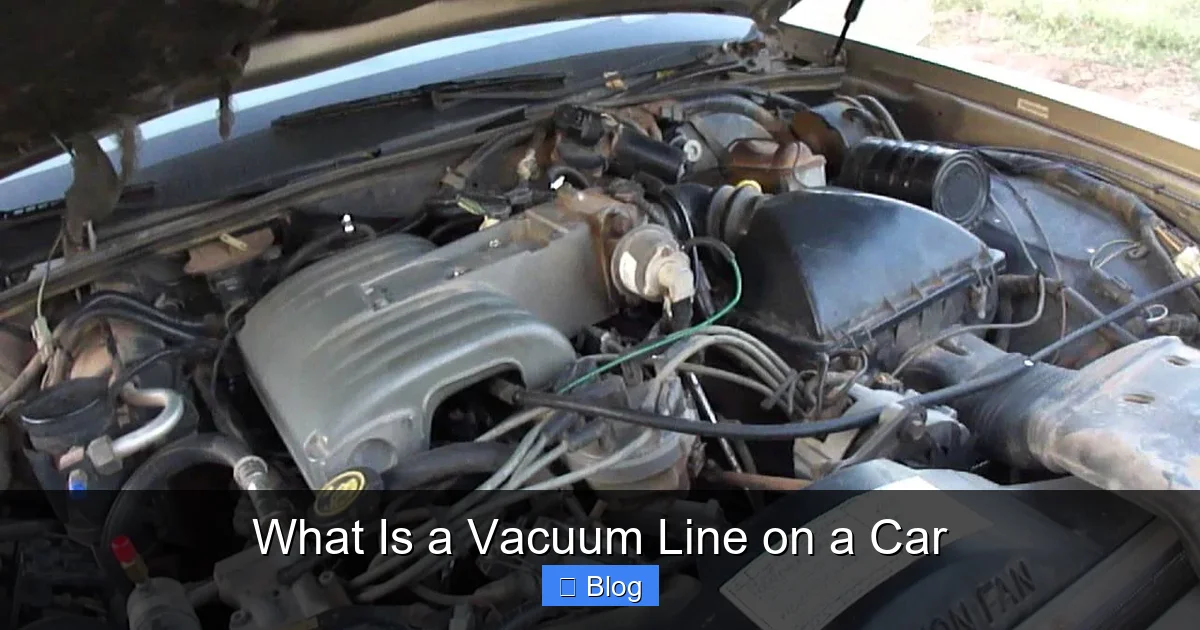
Simply put, a vacuum line on a car is a specialized hose or tube designed to transmit engine vacuum from the intake manifold to various vacuum-actuated components. These lines are typically made from rubber, plastic, or sometimes nylon, and they connect different parts of your engine and car systems.
You’ll find them in various sizes, from pencil-thin to about an inch in diameter. They’re designed to be durable, resisting heat, oil, and fuel vapors, but over time, they can become brittle, crack, or soften, leading to leaks. Knowing what is a vacuum line on a car and how it looks can help you spot potential problems early.
Why Are Vacuum Lines So Important? Crucial Functions Explained
The importance of a vacuum line on a car cannot be overstated. They are integral to both your car’s performance and safety. Here are some of the critical systems that rely on these lines:
Brake Booster
This is arguably one of the most critical uses of engine vacuum. The brake booster is a large, round component usually located between the brake master cylinder and the firewall. It uses engine vacuum to multiply the force you apply to the brake pedal, making it much easier to stop your car. Without a working vacuum line to the brake booster, your brake pedal would feel incredibly hard, requiring a lot more effort to slow down or stop, which is a major safety hazard.
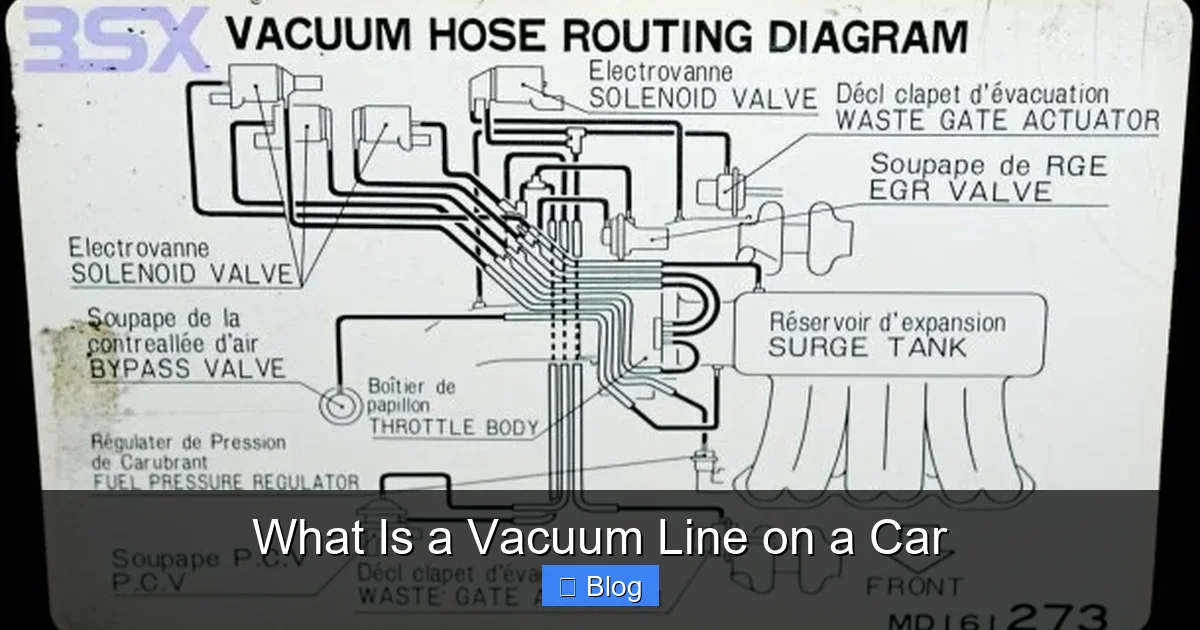
Visual guide about What Is a Vacuum Line on a Car
Image source: i.ytimg.com
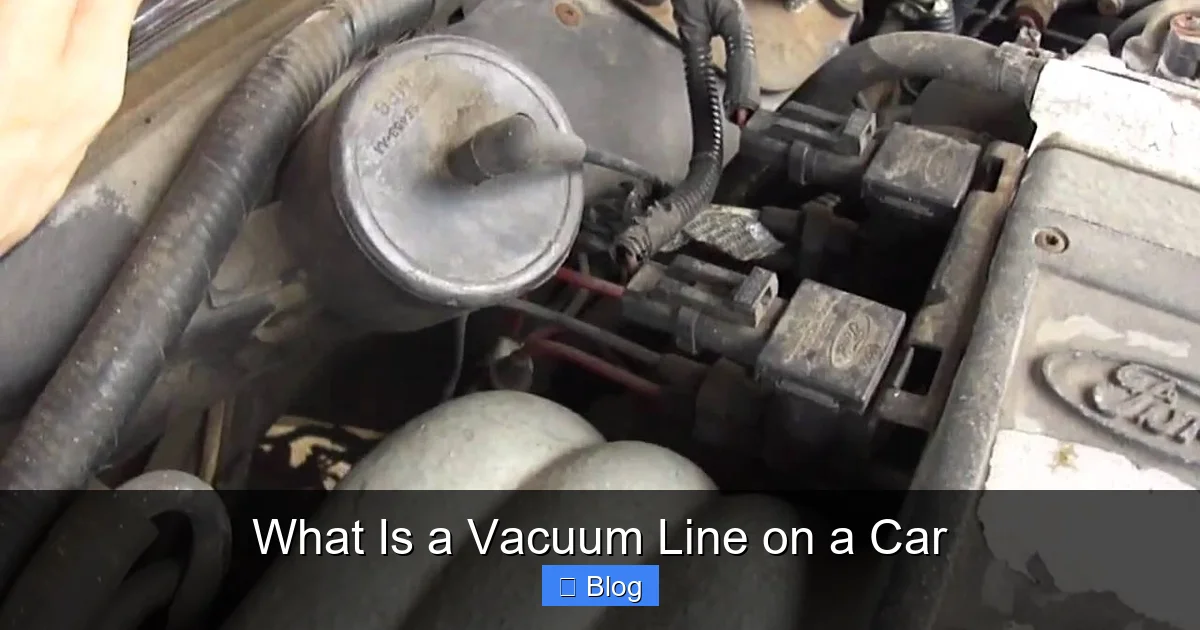
Visual guide about What Is a Vacuum Line on a Car
Image source: i.ytimg.com
PCV Valve (Positive Crankcase Ventilation)
The PCV system uses a vacuum line to draw harmful blow-by gases (unburnt fuel and exhaust gases that sneak past the piston rings) out of the crankcase and back into the engine’s intake to be re-burned. This prevents pressure buildup in the crankcase, reduces emissions, and helps keep your engine oil cleaner. A clogged or leaking PCV vacuum line can lead to oil leaks, poor idle, and increased emissions.
EGR Valve (Exhaust Gas Recirculation)
The EGR valve helps reduce nitrogen oxide (NOx) emissions by recirculating a small amount of exhaust gas back into the engine’s combustion chambers. This cools down the combustion process, which in turn reduces NOx formation. Many EGR valves are vacuum-actuated, meaning a vacuum line controls their opening and closing. A problem with this vacuum line can lead to increased emissions and a rough-running engine.
Fuel Pressure Regulator (FPR)
Some cars use a vacuum line to the fuel pressure regulator. This device maintains a consistent fuel pressure for the injectors. The vacuum signal helps the FPR adjust fuel pressure based on engine load, ensuring optimal fuel delivery and efficiency. A faulty vacuum line here can lead to incorrect fuel pressure, affecting performance and fuel economy.
HVAC Controls
Believe it or not, the air conditioning and heating system in many older and some newer cars use vacuum lines to operate the blend doors and vents. These doors direct airflow within the cabin, allowing you to choose where the air comes from (defrost, vents, floor) and whether it’s hot or cold. If your vents suddenly only blow air out of the defrost, or you can’t change airflow direction, a vacuum line issue might be the culprit.
Cruise Control
In many vehicles, especially older models, the cruise control actuator relies on a vacuum line to operate. This vacuum helps to open the throttle to maintain your set speed. If your cruise control stops working, a vacuum leak could be the reason.
Other Systems
Depending on your car’s make and model, vacuum lines might also control things like transmission shift modulators, turbocharger wastegates or bypass valves (for boost control), or even headlight doors on some classic cars. The versatility of engine vacuum makes a vacuum line on a car a fundamental component across many systems.
Common Types and Materials of Vacuum Lines
Vacuum lines aren’t a one-size-fits-all component. They come in different forms and materials, each suited for its specific application:
Rubber Hoses
These are the most common type, especially for larger diameter lines or where flexibility is required. They are usually black and can be found in various wall thicknesses. Over time, rubber can harden, crack, or become soft and spongy, making it prone to leaks.
Hard Plastic Lines
Many modern cars use rigid plastic lines, which are often color-coded for easier identification of their function. These are durable but can become brittle with age and crack, especially if exposed to excessive heat or vibration. They are less flexible than rubber hoses.
Nylon Tubing
Similar to hard plastic lines, nylon tubing offers good resistance to chemicals and heat. It’s often used for smaller diameter lines. Like plastic, it can become brittle.
Vacuum Check Valves and Reservoirs
Interspersed within the vacuum system, you’ll also find check valves (which allow vacuum to flow in only one direction) and vacuum reservoirs (which store vacuum to ensure consistent operation of components even when engine vacuum fluctuates, like during hard acceleration). These components are also prone to failure and can cause vacuum-related problems.
How to Identify a Vacuum Leak: Symptoms and Sounds
Now that you know what is a vacuum line on a car and its importance, how do you tell if you have a problem? Vacuum leaks are incredibly common and can manifest in several ways:
Common Symptoms
- Rough or Erratic Idle: This is a classic symptom. The engine might idle too high, too low, or fluctuate wildly. A lean air-fuel mixture caused by unmetered air entering through a leak can disrupt combustion.
- Check Engine Light (CEL): A vacuum leak often triggers the Check Engine Light. Common diagnostic trouble codes (DTCs) include P0171 and P0174 (System Too Lean Bank 1/2), which directly point to excess air entering the engine.
- Poor Fuel Economy: Your engine might compensate for the extra air by adding more fuel, or simply run less efficiently due to incorrect air-fuel ratios.
- Lack of Power or Hesitation: Especially during acceleration, the engine might feel sluggish or hesitant due to an improper air-fuel mixture.
- Hard Brake Pedal: If the vacuum line to your brake booster is compromised, you’ll notice a significantly stiffer brake pedal, requiring much more effort to stop. This is a serious safety concern.
- Malfunctioning HVAC Controls: As mentioned, if your vents aren’t blowing air where they should, or you can’t switch modes, a vacuum leak could be the cause.
- Hissing or Sucking Sounds: Sometimes, larger vacuum leaks can be heard as a distinct hissing or sucking sound coming from the engine bay.
DIY Inspection and Basic Maintenance of Vacuum Lines
Finding a vacuum leak can be tricky, but armed with knowledge about what is a vacuum line on a car, you can perform some basic inspections yourself.
What You’ll Need:
- Safety glasses
- Work gloves
- Flashlight
- Pliers (for hose clamps, if present)
- Maybe a pair of automotive shears or a sharp utility knife
- Replacement vacuum hose (if you find a bad section)
Step-by-Step Visual Inspection:
1. Prioritize Safety
Always work on a cool engine. Disconnect the negative battery terminal if you’re going to be reaching into tight spots or doing any work that could potentially short something out, although for a simple visual inspection, this isn’t strictly necessary. Be aware of moving parts (fan) if the engine is running for a listen test.
2. Locate the Vacuum Lines
Start by identifying the main vacuum source, which is usually a port on the intake manifold. From there, follow the lines. Look for lines going to the brake booster (large diameter), PCV valve (often on a valve cover), EGR valve, and other actuators. Remember what is a vacuum line on a car – look for rubber or plastic tubes.
3. Perform a Thorough Visual Check
Examine every accessible vacuum line, fitting, and connector. Look for:
- Cracks or splits: Especially at bends or where lines connect to fittings.
- Hardening or Brittleness: Old rubber lines often lose their flexibility and become stiff.
- Soft or Swollen Spots: Can indicate internal damage or exposure to harsh chemicals.
- Disconnected Hoses: Sometimes a line just pops off a port or connector.
- Kinks or Pinches: Blockages can also cause problems.
- Loose Fittings: Check where lines connect to components or other lines.
4. The “Wiggle Test”
With the engine idling (if safe to do so and symptoms allow), gently wiggle each vacuum line, especially at its connections. If the engine idle changes (stumbles, smooths out, or RPMs shift), you’ve likely found a loose connection or a compromised line that’s temporarily sealing or unsealing as you move it.
5. Listen for Hissing
With the engine idling, listen carefully for any distinct hissing sounds. Use a mechanic’s stethoscope or a length of hose held to your ear (carefully!) to pinpoint the source of the noise.
Advanced Detection Methods (Use with Caution or Seek Professional Help):
Smoke Test
A professional smoke machine introduces non-toxic smoke into the intake system. Smoke will visibly emanate from any leaks, making them easy to spot. This is the most effective method but requires specialized equipment.
Carburetor Cleaner/Propane Test
With the engine idling, carefully spray short bursts of unlit propane or carburetor cleaner around suspicious areas of the vacuum lines. If the engine RPMs briefly increase, it indicates that the engine is sucking in the flammable substance through a leak. This method should be used with extreme caution due to fire risk and requires good ventilation.
Replacing a Faulty Vacuum Line
If you find a compromised vacuum line on a car, often replacing it is a straightforward DIY task.
Step-by-Step Replacement:
1. Gather Supplies
You’ll need replacement vacuum hose of the correct diameter and material (rubber for flexible sections, plastic for rigid sections). Automotive parts stores sell vacuum hose by the foot. Match the internal diameter (ID) of the old hose exactly.
2. Disconnect the Old Line
Carefully remove the old vacuum line. If it’s a rubber hose with a clamp, use pliers to loosen it. If it’s a plastic line, it might have a special quick-disconnect fitting or simply be a snug push-fit. Be gentle to avoid breaking the nipples on components.
3. Cut the New Line
Measure the old line and cut the new hose to the exact same length using a sharp utility knife or shears. A clean, straight cut ensures a good seal.
4. Connect the New Line
Push the new vacuum line onto the fittings. For rubber hoses, it should be a snug fit. If it’s difficult, you can lightly lubricate the inside of the hose end with a tiny bit of silicone spray or water (not oil-based lubricants). Ensure it’s fully seated on both ends.
5. Test the Repair
Once the new line is installed, start the engine and listen for any hissing. Check for an improvement in the original symptom (e.g., smoother idle, better braking). Drive the car and see if the Check Engine Light clears itself after a few drive cycles, or clear it with an OBD-II scanner.
Troubleshooting Common Vacuum Line Problems
Let’s link specific symptoms to potential vacuum line culprits:
Rough Idle or Stalling
- Check: PCV valve vacuum line, EGR valve vacuum line, brake booster vacuum line, or any small vacuum lines connected to sensors or solenoids on the intake manifold.
- Tip: These are often smaller diameter lines that can be overlooked.
Hard Brake Pedal
- Check: The large diameter vacuum line running from the intake manifold to the brake booster. Also, inspect the check valve in this line if present.
- Tip: This is a critical safety item; address it immediately.
HVAC Vents Not Working Correctly
- Check: Vacuum lines leading to the HVAC control panel, vacuum actuators for blend doors, and the vacuum reservoir (often a spherical or cylindrical plastic component).
- Tip: These lines are often plastic and can become brittle where they pass through the firewall.
Check Engine Light with “Lean” Codes (P0171, P0174)
- Check: All vacuum lines, especially those connected to the intake manifold, PCV system, and any emissions-related components. These codes directly indicate too much unmetered air entering the engine.
- Tip: Don’t forget small, thin plastic lines, as even a pinhole leak can trigger these codes.
When to Seek Professional Help
While many vacuum line issues are DIY-friendly, there are times when it’s best to call in the professionals.
* Complex Diagnostics: If you’ve checked all accessible lines and still can’t find the leak, a mechanic has specialized tools like smoke machines that can quickly pinpoint hard-to-find leaks.
* Safety Concerns: If a vacuum leak is severely affecting your brakes or other safety-critical systems, don’t risk driving; have it towed to a professional.
* Lack of Confidence or Tools: If you’re uncomfortable working on your engine or don’t have the necessary tools, a professional can handle it safely and efficiently.
* Persistent Issues: If you’ve replaced lines and the problem persists, it might indicate a deeper issue beyond a simple vacuum leak.
Conclusion
Understanding what is a vacuum line on a car might seem like a small detail in the vast world of automotive mechanics, but these tiny tubes are mighty. They are the silent workhorses that enable many of your car’s essential systems to function correctly, from stopping safely to maintaining optimal engine performance and low emissions.
Regular inspection of your car’s vacuum lines can prevent minor issues from escalating into major problems, saving you headaches and repair costs down the road. So, the next time you peek under the hood, give a nod to those humble vacuum lines – they’re doing a lot more than you might think! Keeping them healthy is a simple yet effective way to ensure your car runs smoothly and reliably for years to come.