What Does a Vacuum Reservoir Do on a Car?
A vacuum reservoir stores extra vacuum pressure to keep important car systems working smoothly when engine vacuum drops. What does a vacuum reservoir do on a car? It ensures a steady supply of vacuum for components like the brake booster, HVAC controls, and cruise control, even during acceleration or when the engine is under load.
Without a properly functioning vacuum reservoir, you may notice issues like weak braking performance, inconsistent airflow from vents, or cruise control failure. These problems happen because the engine alone cannot always maintain constant vacuum pressure, especially during sudden throttle changes.
The vacuum reservoir acts as a backup system, improving overall driving safety and comfort. By maintaining stable vacuum levels, it helps your vehicle run efficiently and ensures key systems respond reliably in different driving conditions.
Key Takeaways
- Role of a Vacuum Reservoir: Understand the fundamental role of a vacuum reservoir in a vehicle.
- How it Works: Gain insight into the operation of a vacuum reservoir and its integration with other car systems.
- Importance: Learn the significance of a vacuum reservoir and the potential issues in its absence.
- Maintenance: Discover essential tips on how to maintain and troubleshoot a vacuum reservoir for long-lasting performance.
- Replacement: Know when and how to replace a faulty vacuum reservoir.
Quick Answers to Common Questions
Why is my power brake not functioning properly?
It could be due to a faulty vacuum reservoir. Check for any damages or cracks in the reservoir.
How often should I check my vacuum reservoir?
It’s advisable to check your vacuum reservoir regularly, at least once every six months, for any signs of wear or damage.
What are the signs of a failing vacuum reservoir?
Common signs of a failing vacuum reservoir include difficulties with the power brakes and climate control system, and an unusually high engine idle speed.
Can I replace a vacuum reservoir myself?
Yes, if you’re comfortable with car maintenance tasks. However, if you’re unsure, it’s best to let a professional handle it.
Where is the vacuum reservoir located?
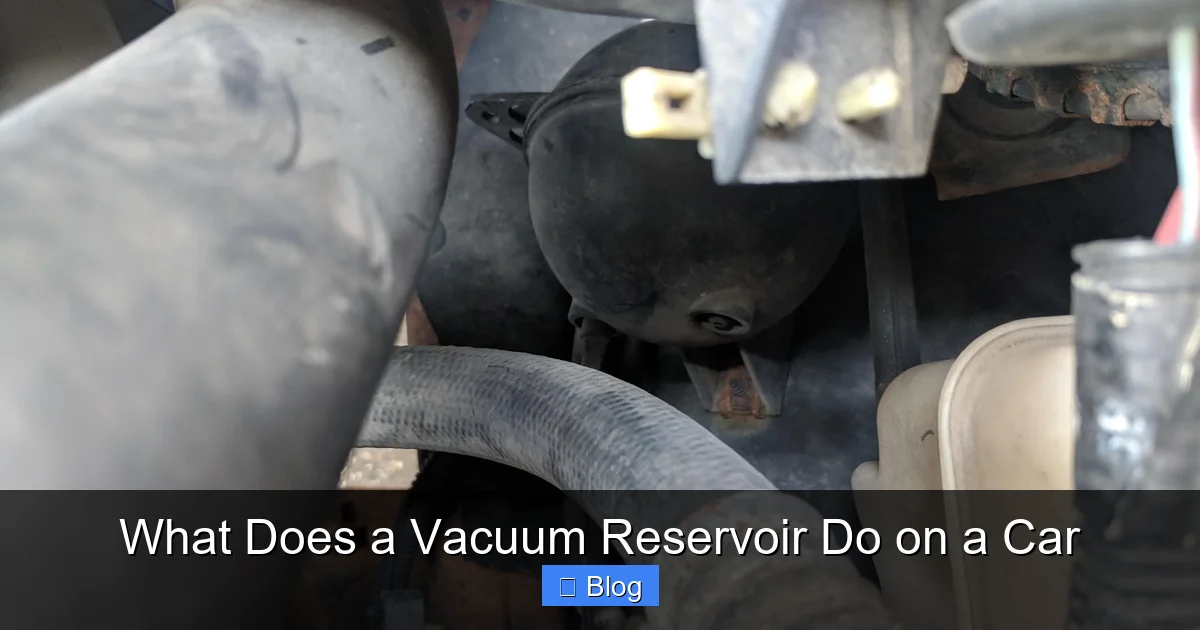
The vacuum reservoir is typically located in the engine bay, but the exact location can vary depending on the vehicle model.
Introduction
One of the many components that ensure your car performs optimally is the vacuum reservoir. This guide will teach you what a vacuum reservoir is, its role in your vehicle, how it works, and why it’s essential for your car’s overall functionality. You’ll also learn how to maintain it and when to consider a replacement.
What is a Vacuum Reservoir?
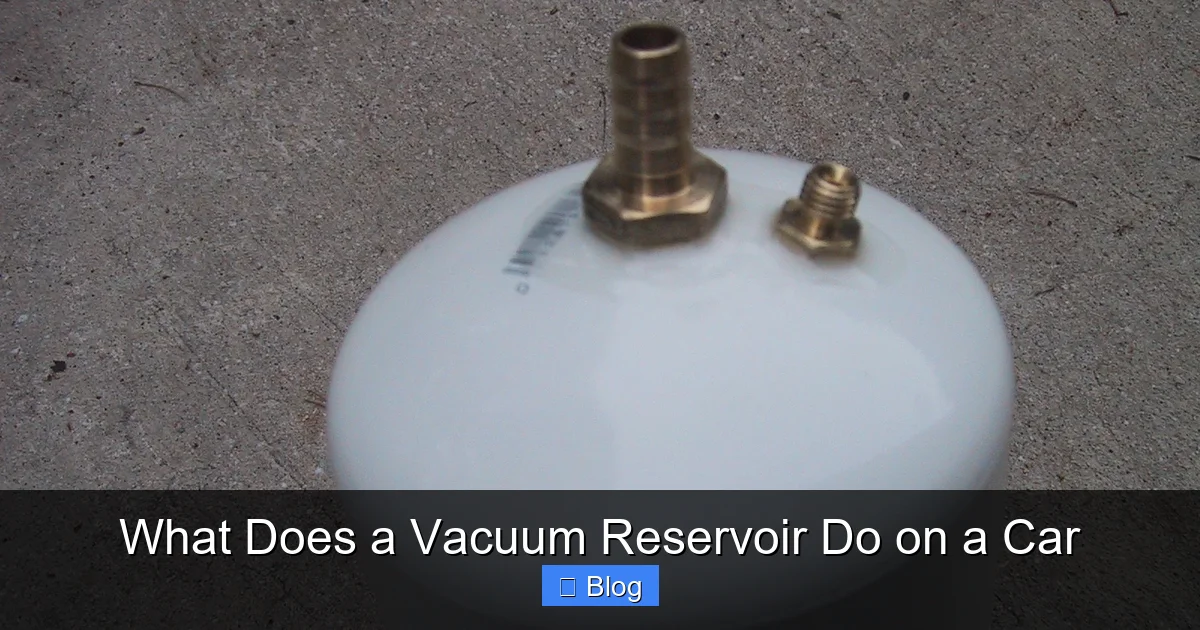
A vacuum reservoir, sometimes referred to as a vacuum canister, is a component in a vehicle that stores vacuum pressure for use by other parts of the car when the engine doesn’t provide enough vacuum.
Visual guide about What Does a Vacuum Reservoir Do on a Car
Image source: summet.com
How Does a Vacuum Reservoir Work?
A vacuum reservoir functions by storing vacuum from the intake manifold when the engine is running at high speed, where the vacuum is highest. When the engine speed drops, and the vacuum pressure decreases, the stored vacuum is used to power various car systems such as power brakes and climate control systems.
Visual guide about What Does a Vacuum Reservoir Do on a Car
Image source: i.redd.it
The Importance of a Vacuum Reservoir
The importance of a vacuum reservoir can’t be overstated. Without it, components like power brakes and climate control systems would not function properly, especially during instances when the engine isn’t producing enough vacuum pressure. This could lead to driving difficulties and discomfort for the driver and passengers.
Maintaining Your Vacuum Reservoir
Proper maintenance of your vacuum reservoir is vital for its longevity and the overall performance of your car. Regularly check for any cracks or damages, ensure all connections are tight, and replace any worn-out components immediately.
When and How to Replace a Vacuum Reservoir
If you notice issues with your power brakes or climate control system, it might be time to check your vacuum reservoir. If it’s cracked or damaged, it should be replaced immediately. Replacing a vacuum reservoir involves removing the old one, installing the new one, and ensuring all connections are secure.
Conclusion
Understanding how a vacuum reservoir works and its importance in your vehicle is crucial to maintaining your car’s optimal performance. Regular check-ups and maintenance can prevent potential issues and ensure a smooth and safe driving experience.