What Does a Vacuum Hose Do in a Car?
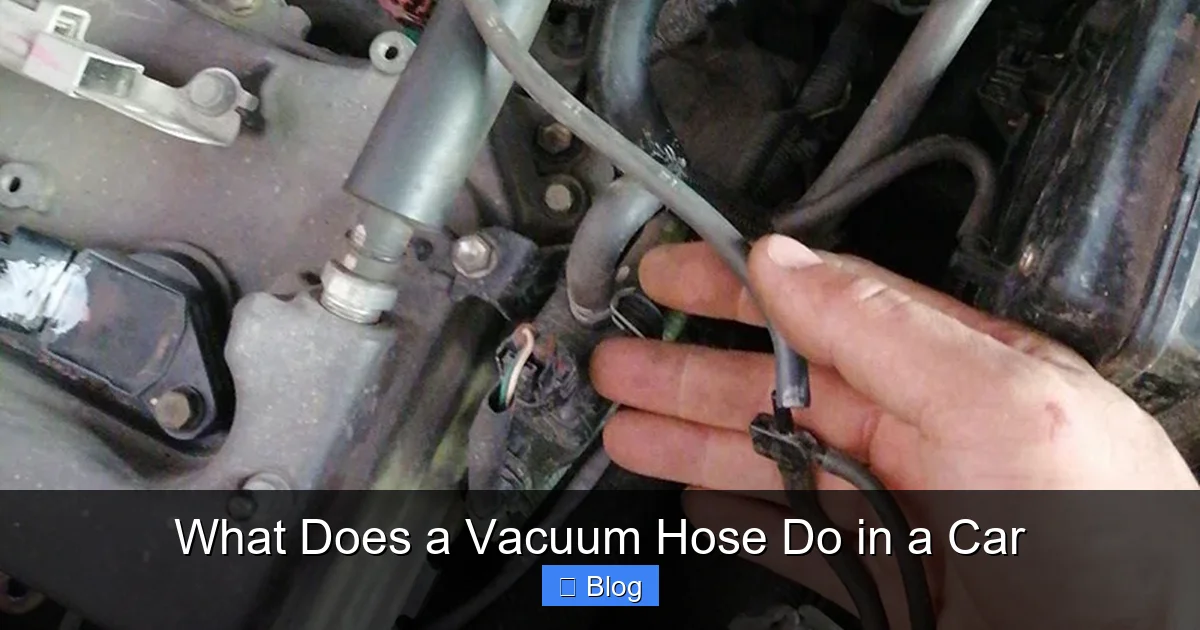
A vacuum hose in a car is a small but essential component that helps transfer vacuum pressure from the engine to various systems, enabling them to function properly. What Does a Vacuum Hose Do in a Car? It carries vacuum created by the engine to operate parts like the brake booster, emission control system, and other engine controls, ensuring smooth and efficient performance.
These hoses play a key role in maintaining proper engine operation by helping regulate air-fuel mixture and supporting systems that rely on vacuum pressure. When a vacuum hose becomes cracked, loose, or leaks, it can disrupt this balance, leading to rough idling, poor fuel efficiency, or even engine stalling.
Because they are made of rubber or similar materials, vacuum hoses can wear out over time due to heat and pressure. Regular inspection and timely replacement help prevent performance issues and keep the vehicle running efficiently and safely.
Key Takeaways
- Vacuum hoses transfer engine vacuum to operate systems like power brakes and emissions controls.
- Cracked, loose, or leaking hoses can cause poor engine performance and increased emissions.
- Regular inspection every 15,000 miles helps prevent unexpected failures.
- Replacing a vacuum hose is affordable and can be done with basic tools.
- Using the correct hose diameter and material ensures long-term reliability.
- Vacuum leaks often mimic other engine problems, so proper diagnosis is key.
- Maintaining vacuum integrity improves fuel efficiency and engine responsiveness.
Quick Answers to Common Questions
Tip/Question?
Can I drive with a vacuum hose leak?
Driving with a vacuum leak is not recommended. It can lead to poor engine performance, increased emissions, and unsafe braking. Address the issue as soon as possible.
Tip/Question?
How often should I check my vacuum hoses?
Inspect them every 15,000 miles or once a year. Older vehicles may need more frequent checks due to rubber degradation.
Tip/Question?
Can I use any hose as a replacement?
No. Use a hose rated for vacuum and fuel/oil resistance. Standard garden hose or air compressor hose won’t work and may degrade quickly.
Tip/Question?
Why does my car idle rough after replacing a hose?
You may have installed it incorrectly or introduced air into the system. Double-check connections and routing, and let the engine run to relearn idle settings.
Tip/Question?
Do electric cars have vacuum huses?
Some do. While they lack traditional engines, many EVs use vacuum-assisted brakes and still require vacuum hoses connected to an electric vacuum pump.
What Does a Vacuum Hose Do in a Car?
If you’ve ever wondered what those small rubber tubes snaking through your engine bay are for, you’re not alone. One of the most overlooked yet essential components in your car is the vacuum hose. Despite its modest appearance, the vacuum hose plays a vital role in keeping your vehicle running smoothly. In this guide, we’ll explore what a vacuum hose does, how it works, why it matters, and how to maintain it.
Whether you’re a seasoned DIYer or a curious car owner, understanding the function of vacuum hoses can save you time, money, and frustration. We’ll walk you through everything from basic function to troubleshooting and replacement—step by step.
Understanding Engine Vacuum
Before diving into the hose itself, it’s important to understand what “vacuum” means in a car engine. Contrary to what the name suggests, engine vacuum isn’t a suction created by a pump. Instead, it’s a natural byproduct of the engine’s operation.
When the pistons move down during the intake stroke, they create a partial vacuum (low-pressure area) in the intake manifold. This vacuum is strong enough to pull air and fuel into the combustion chamber. But that same vacuum is also harnessed to power various engine and vehicle systems.
Think of engine vacuum as a free source of power—your car uses it to assist in braking, control emissions, regulate cabin airflow, and even operate certain sensors. And that’s where vacuum hoses come in.
The Role of Vacuum Hoses in Your Vehicle
Vacuum hoses are flexible tubes that carry this low-pressure air (vacuum) from the intake manifold to different parts of the car that need it. They act like electrical wires, but instead of electricity, they transmit vacuum pressure.
Here are the key systems that rely on vacuum hoses:
Power Brakes
The brake booster, located behind the brake pedal, uses vacuum to multiply the force you apply when pressing the brake. Without vacuum, braking would require significantly more effort—especially at low speeds. Most brake boosters are connected to the engine via a dedicated vacuum hose, often with a one-way check valve to maintain vacuum when the engine is off.
Visual guide about What Does a Vacuum Hose Do in a Car
Image source: engelimports.com
Visual guide about What Does a Vacuum Hose Do in a Car
Image source: images.nexusapp.co
Emissions Control Systems
Modern cars use vacuum to operate components like the EGR (Exhaust Gas Recirculation) valve and the PCV (Positive Crankcase Ventilation) system. These systems reduce harmful emissions by recirculating exhaust gases or venting crankcase fumes back into the engine. Vacuum hoses ensure these valves open and close at the right time.
HVAC and Climate Control
Your car’s heating, ventilation, and air conditioning (HVAC) system uses vacuum to control air flow doors. For example, vacuum can switch the system from defrost to floor vents or recirculate cabin air. If a vacuum hose leaks, you might notice your AC defaults to defrost mode—even when you didn’t select it.
Fuel Pressure Regulators
In some fuel-injected engines, the fuel pressure regulator uses vacuum to adjust fuel pressure based on engine load. At idle (high vacuum), fuel pressure drops to prevent over-fueling. Under acceleration (low vacuum), pressure increases for more power. A leak here can cause rough idling or poor fuel economy.
Turbochargers and Superchargers
In forced-induction engines, vacuum hoses help manage boost pressure and operate wastegates or bypass valves. Even though these systems create pressure, they still rely on vacuum for precise control.
Common Signs of a Faulty Vacuum Hose
Because vacuum hoses are out of sight, they’re often out of mind—until something goes wrong. But recognizing the symptoms early can prevent bigger problems.
Hissing Noise Under the Hood
A loud hissing sound, especially when the engine is running, is a classic sign of a vacuum leak. The escaping air creates a high-pitched noise as it rushes through a crack or loose connection.
Rough Idle or Stalling
Unmetered air entering the engine through a leak can disrupt the air-fuel mixture. This leads to a rough, uneven idle, hesitation during acceleration, or even stalling—especially when cold.
Check Engine Light
A vacuum leak can trigger the check engine light. Common trouble codes include P0171 (system too lean) or P0174 (bank 2 too lean), indicating the engine is getting too much air and not enough fuel.
Hard Braking
If the brake booster loses vacuum, the brake pedal will feel stiff and require more force. This is dangerous, especially in emergency stops. If your brakes suddenly feel harder to press, check the vacuum hose to the booster.
AC Defaults to Defrost
As mentioned earlier, a vacuum leak in the HVAC system can cause the vents to default to defrost. This happens because the system loses the vacuum needed to hold the airflow doors in position.
How to Inspect Vacuum Hoses
Regular inspection is the best way to catch problems before they affect performance. Here’s how to do it safely and effectively.
Step 1: Locate the Hoses
Open the hood and look for small rubber or silicone tubes (usually 1/4″ to 3/8″ in diameter) connected to the intake manifold, throttle body, and various components. They’re often black, but some are colored for identification.
Step 2: Visual Inspection
Check each hose for cracks, brittleness, swelling, or soft spots. Old rubber can dry out and split, especially near connection points. Look for oil residue, which can degrade rubber over time.
Step 3: Feel for Leaks
With the engine running, gently squeeze each hose. A healthy hose should feel firm but slightly flexible. If it’s mushy or collapses easily, it may be internally collapsed or blocked. Listen for changes in engine sound when you squeeze—this can help pinpoint leaks.
Step 4: Check Connections
Make sure each hose is securely attached to its fitting. Wiggle them gently. Loose hoses can suck in air and cause leaks. Also, inspect the fittings for cracks or wear.
Step 5: Use a Vacuum Gauge (Optional)
For a more precise check, use a vacuum gauge connected to the intake manifold. Normal readings should be steady between 17 and 22 inches of mercury (inHg) at idle. Fluctuating or low readings may indicate a leak or other engine issue.
How to Replace a Vacuum Hose
Replacing a vacuum hose is one of the easiest and most cost-effective repairs you can do. Here’s a step-by-step guide.
Step 1: Identify the Problem Hose
Use the inspection steps above to locate the damaged or leaking hose. Take a photo or make a sketch of the routing to help during reinstallation.
Step 2: Purchase the Right Replacement
Buy a hose that matches the original in diameter, length, and material. Most vacuum hoses are made of rubber or silicone. Silicone lasts longer and resists heat better, but rubber is cheaper and sufficient for most applications. Check your vehicle’s manual or auto parts store for specifications.
Step 3: Remove the Old Hose
Carefully pull the hose off each connection. If it’s stuck, use a flathead screwdriver to gently pry it loose—don’t force it, as you might damage the fitting. Avoid cutting the hose unless necessary.
Step 4: Install the New Hose
Cut the new hose to the correct length if needed. Push it firmly onto each fitting until it seats securely. Make sure it follows the same routing as the original to avoid kinks or pinches.
Step 5: Test the Repair
Start the engine and listen for hissing. Check that the idle is smooth and that all systems (brakes, AC, etc.) are working properly. Take the car for a short test drive to confirm everything is functioning.
Troubleshooting Vacuum Issues
Sometimes, the problem isn’t the hose itself but how it’s used or connected.
Incorrect Hose Routing
If a hose is connected to the wrong port, it can cause malfunctions. Always refer to a vacuum diagram (often found in the owner’s manual or under the hood) to ensure correct routing.
Clogged or Collapsed Hoses
Over time, hoses can become clogged with debris or collapse internally due to age. Replace any hose that feels soft or won’t hold its shape.
Faulty Check Valves
Some vacuum lines include a one-way check valve (common in brake boosters). If this valve fails, vacuum won’t be maintained when the engine is off. Test it by blowing through it—air should only flow one way.
Multiple Leaks
In older vehicles, several hoses may be deteriorating at once. If you find one leak, inspect all hoses—even if they look okay. Preventative replacement can save future headaches.
Maintenance Tips for Long-Lasting Vacuum Hoses
To keep your vacuum system in top shape, follow these simple tips:
- Inspect hoses every 15,000 miles or during oil changes.
- Replace hoses every 5–7 years, even if they look fine.
- Keep the engine bay clean to prevent oil and dirt from degrading rubber.
- Use zip ties or clips to secure loose hoses and prevent rubbing.
- Label hoses during replacement to avoid confusion.
Conclusion
The vacuum hose may be small, but its impact on your car’s performance is huge. From helping you stop safely to keeping emissions in check and your cabin comfortable, these unassuming tubes are essential. By understanding what a vacuum hose does, recognizing the signs of failure, and performing regular maintenance, you can avoid costly repairs and keep your vehicle running efficiently.
Don’t wait for a check engine light or a stiff brake pedal—take a few minutes to inspect your vacuum hoses today. It’s a simple step that can make a big difference in your car’s reliability and your peace of mind.