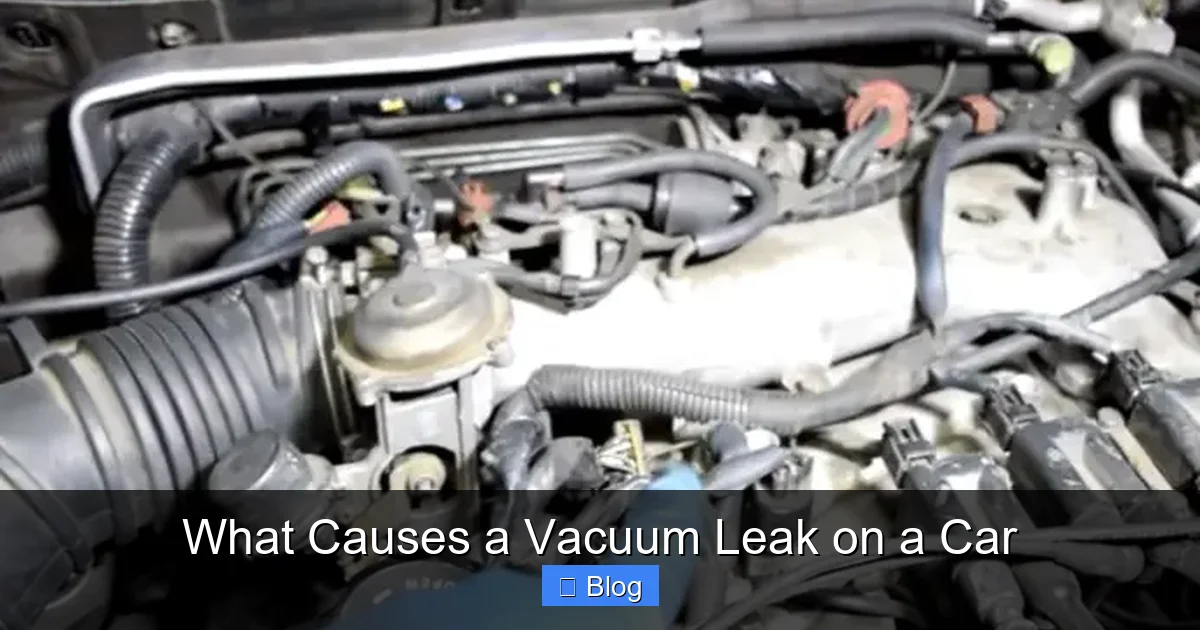
What Causes a Vacuum Leak on a Car?
A vacuum leak on a car is mainly caused by damaged, cracked, or disconnected vacuum hoses, intake manifold leaks, or faulty gaskets that allow unmetered air to enter the engine. What causes a vacuum leak on a car is usually wear and tear on rubber hoses, loose connections, or deteriorated seals that fail to maintain proper engine vacuum pressure.
When extra air enters the engine without being measured by the sensors, it disrupts the air-fuel mixture. This can lead to rough idling, engine misfires, poor acceleration, increased fuel consumption, and even stalling. Over time, small leaks can become bigger problems if not identified and repaired early.
Understanding the common causes of vacuum leaks helps in quick diagnosis and maintenance. Regular inspection of hoses, clamps, and intake components can prevent leaks and ensure smooth engine performance, better fuel efficiency, and overall vehicle reliability.
Key Takeaways
- Vacuum leaks disrupt engine performance: Unmetered air entering the intake system throws off the air-fuel ratio, leading to rough idling, stalling, and poor acceleration.
- Common causes include cracked hoses and faulty gaskets: Over time, rubber vacuum hoses dry out and crack, while intake manifold gaskets can degrade and fail.
- PCV system issues are a frequent culprit: A clogged or malfunctioning Positive Crankcase Ventilation valve can create pressure imbalances and lead to leaks.
- Brake booster failure can mimic a vacuum leak: A damaged brake booster diaphragm may cause hissing sounds and reduced braking power, often mistaken for other vacuum problems.
- Regular inspection prevents major issues: Checking hoses, connections, and gaskets during routine maintenance helps catch leaks early.
- DIY diagnosis is possible with simple tools: Using a spray test or smoke machine, you can locate leaks without expensive equipment.
- Ignoring a vacuum leak wastes fuel and harms emissions: Even small leaks reduce fuel efficiency and increase harmful exhaust emissions.
Quick Answers to Common Questions
Tip/Question?
Can a vacuum leak cause poor fuel economy?
Yes! A vacuum leak makes the engine run lean, causing the ECU to add more fuel to compensate. This wastes gas and reduces mileage.
Tip/Question?
Is it safe to drive with a vacuum leak?
Short-term driving may be okay, but prolonged exposure can damage sensors, increase emissions, and lead to engine damage. Fix it as soon as possible.
Tip/Question?
Can cold weather cause vacuum leaks?
Yes. Cold temperatures make rubber hoses brittle, increasing the risk of cracks. Inspect hoses more frequently in winter.
Tip/Question?
Do all vacuum leaks trigger a check engine light?
Not always. Small leaks may not set off the light immediately but can still affect performance and fuel economy.
Tip/Question?
Can I use tape to fix a vacuum hose?
No. Electrical or duct tape won’t seal under vacuum pressure. Always replace damaged hoses with proper materials.
What Causes a Vacuum Leak on a Car: A Complete Guide
If your car is idling roughly, stalling at stoplights, or struggling to accelerate, you might be dealing with a vacuum leak. But what exactly causes a vacuum leak on a car? Simply put, it’s when outside air sneaks into the engine’s intake system without passing through the mass airflow (MAF) sensor. This “unmetered” air confuses the engine control unit (ECU), which expects a precise mix of air and fuel. The result? Poor performance, reduced fuel economy, and even a check engine light.
In this guide, you’ll learn the most common causes of vacuum leaks, how to identify them, and what you can do to fix them—often with basic tools and a little patience. Whether you’re a DIY enthusiast or just want to understand your car better, this step-by-step breakdown will help you keep your engine running smoothly.
Understanding How Vacuum Works in Your Engine
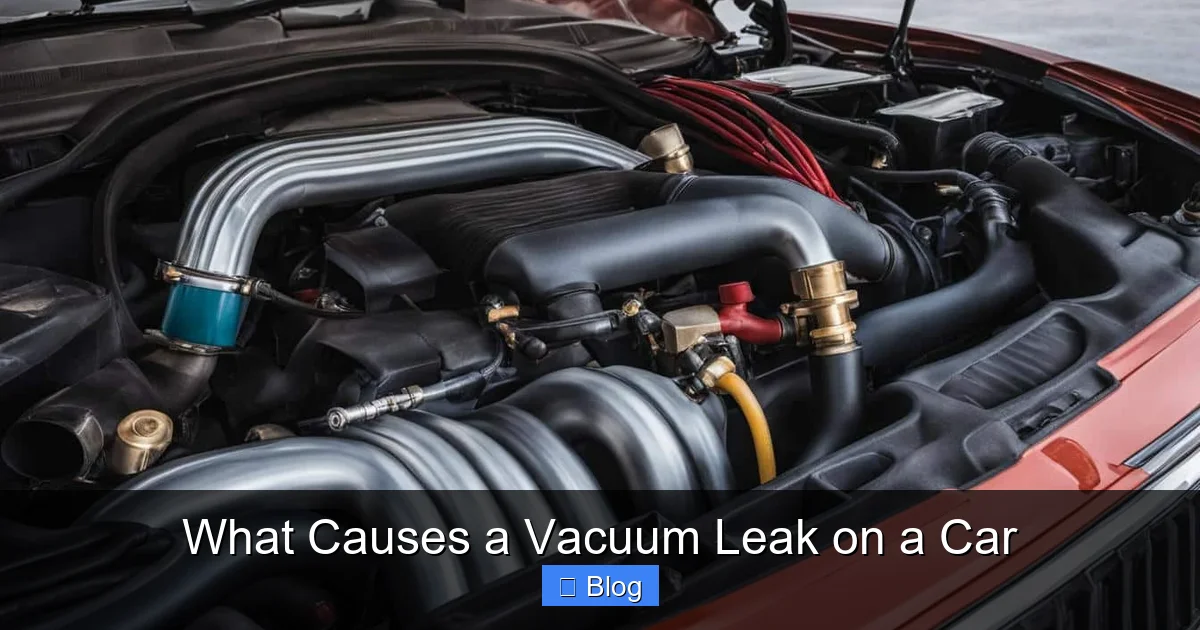
Visual guide about What Causes a Vacuum Leak on a Car
Image source: kiwimotorhub.co.nz
Before diving into causes, it helps to understand why vacuum matters. In a gasoline engine, the intake stroke creates a partial vacuum (suction) as the pistons move down. This vacuum pulls air through the throttle body and into the combustion chambers. The ECU monitors airflow using sensors and adjusts fuel injection accordingly.
Vacuum isn’t just for air intake—it also powers critical systems like the brake booster, emissions controls, and even some HVAC functions. When a leak occurs, these systems can malfunction, and the engine may run lean (too much air, not enough fuel), causing hesitation, misfires, or stalling.
Common Causes of Vacuum Leaks
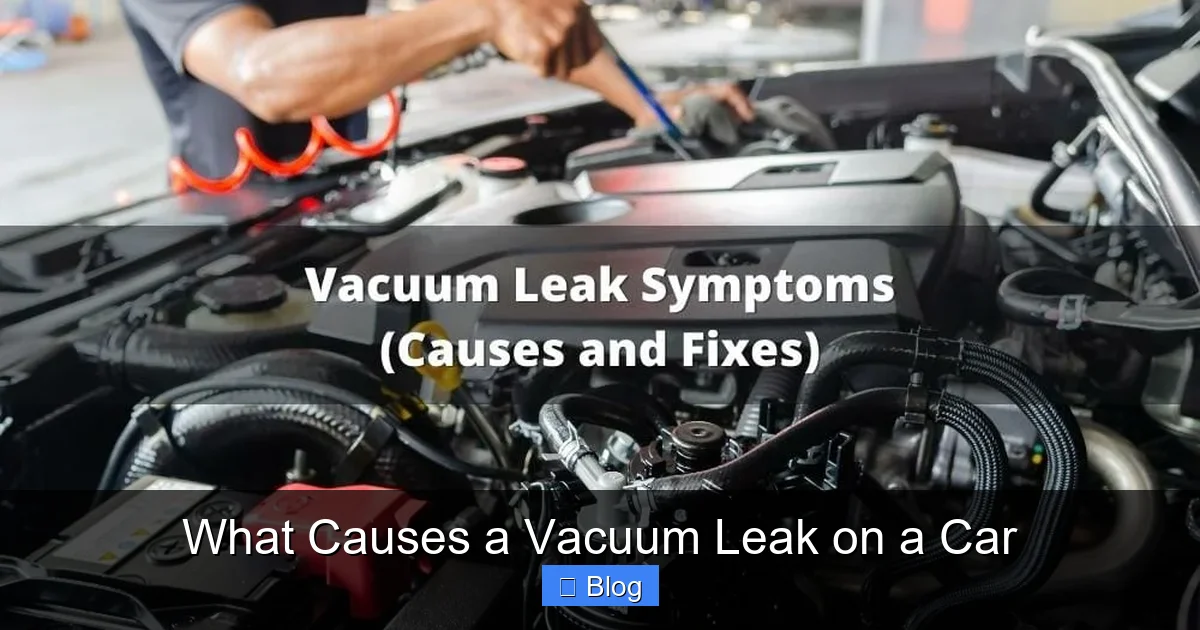
Visual guide about What Causes a Vacuum Leak on a Car
Image source: vehiclefreak.com
Now that you know why vacuum is important, let’s look at the most frequent culprits behind leaks.
1. Cracked or Deteriorated Vacuum Hoses
Rubber vacuum hoses connect various engine components to the intake manifold. Over time, heat, oil exposure, and age cause these hoses to dry out, crack, or become brittle. Even a small split can let in enough air to disrupt engine operation.
Example: A 1/8-inch crack in a vacuum line near the throttle body might seem minor, but it can cause a noticeable drop in idle quality and trigger a P0171 (system too lean) code.
2. Failed Intake Manifold Gasket
The intake manifold sits atop the engine and distributes air to the cylinders. It’s sealed with a gasket that can degrade over time, especially in high-heat environments. When this gasket fails, air leaks into the manifold before the throttle body.
This type of leak is often harder to spot because it’s internal and may not produce a visible crack. However, it can cause significant performance issues, especially under load.
3. Faulty PCV Valve or System
The Positive Crankcase Ventilation (PCV) system recirculates blow-by gases from the crankcase back into the intake. A clogged or stuck-open PCV valve can create excess vacuum or allow unmetered air to enter, depending on the failure mode.
Tip: Shake the PCV valve—if it doesn’t rattle, it’s likely clogged and needs replacement.
4. Damaged Brake Booster or Diaphragm
The brake booster uses engine vacuum to assist braking. If the diaphragm inside the booster ruptures, it can create a constant vacuum leak. You might hear a hissing sound when pressing the brake pedal, and the engine may idle roughly or stall when braking.
This is one of the more serious vacuum leaks because it affects safety-critical systems.
5. Loose or Misconnected Vacuum Lines
During repairs or maintenance, vacuum lines can be accidentally disconnected or reconnected to the wrong port. Even a slightly loose connection can allow air to seep in.
Always double-check vacuum routing diagrams (usually found under the hood or in the service manual) after working on the engine.
6. Throttle Body Gasket Failure
The throttle body controls how much air enters the engine. Its gasket can wear out, especially in older vehicles or those with high mileage. A leak here often causes idle problems and may be accompanied by a whistling sound.
7. Aftermarket Modifications or Poor Repairs
Installing cold air intakes, turbo kits, or other performance parts can sometimes introduce vacuum leaks if not done correctly. Improperly sealed connections or incompatible components are common causes.
Tools and Materials for Diagnosing Vacuum Leaks
| Tool | Purpose | Best For |
|---|---|---|
| Carb cleaner or brake cleaner | Spray test to detect leaks | Quick visual check of hoses and gaskets |
| Flashlight | Inspect hard-to-see areas | Finding cracks in tight spaces |
| Smoke machine (optional) | Professional-grade leak detection | Pinpointing elusive internal leaks |
| Vacuum gauge | Measure vacuum levels | Confirming low or fluctuating vacuum |
| Replacement hoses and clamps | Repair common leaks | Fixing cracked or loose lines |
You don’t need a mechanic’s garage to find a vacuum leak. Here’s what you’ll need for most DIY diagnostics:
How to Diagnose a Vacuum Leak
Once you suspect a vacuum leak, follow these steps to locate and confirm it.
Step 1: Listen for Hissing Sounds
Start the engine and listen carefully around the intake manifold, hoses, and brake booster. A hissing or whistling noise often indicates air entering where it shouldn’t. Use a mechanic’s stethoscope or a long screwdriver (carefully!) to amplify sounds.
Step 2: Perform the Spray Test
With the engine running, spray small amounts of carburetor cleaner or brake cleaner around suspected areas—hoses, gaskets, throttle body, etc. If the engine RPMs increase momentarily, it means the cleaner is being sucked in through a leak, confirming its location.
Warning: Use this method cautiously—flammable sprays near hot engine parts can be dangerous. Never spray near open flames or sparks.
Step 3: Check Vacuum Readings
Connect a vacuum gauge to a manifold vacuum port (usually on the intake manifold or a vacuum line). At idle, a healthy engine should show steady vacuum between 17–22 inHg. If the reading is low, fluctuating, or drops suddenly, a leak is likely.
Step 4: Use a Smoke Machine (Advanced)
For hard-to-find leaks, a smoke machine fills the intake system with smoke. Any escaping smoke reveals the leak location. This is the most accurate method but requires specialized equipment.
Step 5: Inspect the PCV System
Remove the PCV valve and shake it. A functioning valve should rattle. If not, replace it. Also, check the hose connected to the valve for cracks or looseness.
How to Fix Common Vacuum Leaks
Once you’ve found the leak, fixing it is usually straightforward.
Replace Cracked Hoses
Cut out the damaged section and replace it with new vacuum hose of the same diameter. Use high-quality silicone or rubber hose rated for engine heat. Secure with new clamps.
Replace Intake Manifold Gasket
This is more involved and may require removing the intake manifold. Clean the mating surfaces thoroughly before installing a new gasket. Torque bolts to spec in the correct sequence.
Replace the PCV Valve
Simply unscrew the old valve and install a new one. Use OEM or high-quality aftermarket parts for best results.
Repair or Replace Brake Booster
If the brake booster is leaking, it often needs replacement. This is a safety-critical repair—consider professional help if you’re unsure.
Troubleshooting Tips
– If the check engine light is on, scan for codes like P0171 (system too lean) or P0507 (high idle), which often point to vacuum leaks.
– After repairs, clear the codes and test drive to ensure the issue is resolved.
– Some leaks only appear under load or when the engine is warm—test in different conditions.
Conclusion
Understanding what causes a vacuum leak on a car empowers you to maintain your vehicle’s performance and efficiency. From cracked hoses to failed gaskets, most vacuum leaks are preventable with regular inspection and timely repairs. By learning to diagnose and fix these issues yourself, you save money and gain confidence in your car’s reliability. Remember: a small leak today can become a big problem tomorrow—so stay proactive and keep that engine breathing right.