How to Vacuum Pet Hair from Car
Pet hair in cars is stubborn and frustrating, but with the right tools and techniques, it’s easy to remove. This guide walks you through a complete process—from preparation to deep cleaning—so your vehicle stays fresh and fur-free.
Key Takeaways
- Use a vacuum with strong suction and specialized attachments: A handheld or car vacuum with a crevice tool and brush nozzle is essential for lifting embedded pet hair.
- Start with dry removal methods: Use rubber gloves, sponges, or pet hair rollers before vacuuming to loosen and gather loose fur.
- Clean in sections for thorough results: Work systematically—seats, floor mats, carpets, and hard-to-reach areas—to avoid missing hidden hair.
- Don’t forget air vents and seat gaps: Pet hair clings to tight spaces; use narrow attachments and compressed air for complete removal.
- Maintain regularly to prevent buildup: Vacuum your car weekly and use seat covers to reduce future cleaning time.
- Choose the right vacuum for your needs: Cordless models offer convenience, while wet/dry vacuums handle heavy shedding better.
- Combine tools for best results: Pair vacuuming with lint rollers, rubber brooms, or static cloths to capture every last strand.
Quick Answers to Common Questions
Tip/Question?
Can I use a regular household vacuum in my car?
Yes, but it’s not ideal. Household vacuums are bulky and may lack the right attachments. A handheld or car-specific vacuum is more convenient and effective.
Tip/Question?
How often should I vacuum my car if I have a pet?
Aim for once a week. Heavy shedders may need cleaning every 3–4 days to prevent buildup.
Tip/Question?
Is it safe to use water on car seats?
Only use a slightly damp cloth on fabric seats. Avoid soaking. For leather, use a cleaner designed for automotive use.
Tip/Question?
What’s the best way to clean pet hair from air vents?
Use a crevice tool or compressed air to blow hair out, then vacuum the loosened strands.
Tip/Question?
Do pet hair removal tools really work?
Yes—especially rubber gloves and squeegees. They create static or friction that lifts hair better than vacuuming alone.
Troubleshooting Common Problems
Even with the best tools, you might run into issues. Here’s how to solve them:
- Hair won’t lift from fabric: Use a rubber glove or brush first to loosen it. Try vacuuming in short, firm strokes instead of long sweeps.
- Vacuum loses suction: Empty the dustbin or replace the filter. Clogged filters reduce performance, especially with fine pet hair.
- Hair keeps coming back: Your pet may be shedding heavily. Consider using seat covers and brushing your pet before car rides.
- Static cling after cleaning: Wipe surfaces with a dryer sheet (lightly) to reduce static that attracts more hair.
- Odor remains after cleaning: Sprinkle baking soda on seats and carpets, let it sit for 15 minutes, then vacuum. It neutralizes pet smells.
Prevention Tips for a Fur-Free Car
Cleaning doesn’t have to be a weekly battle. Prevent pet hair buildup with these smart habits:
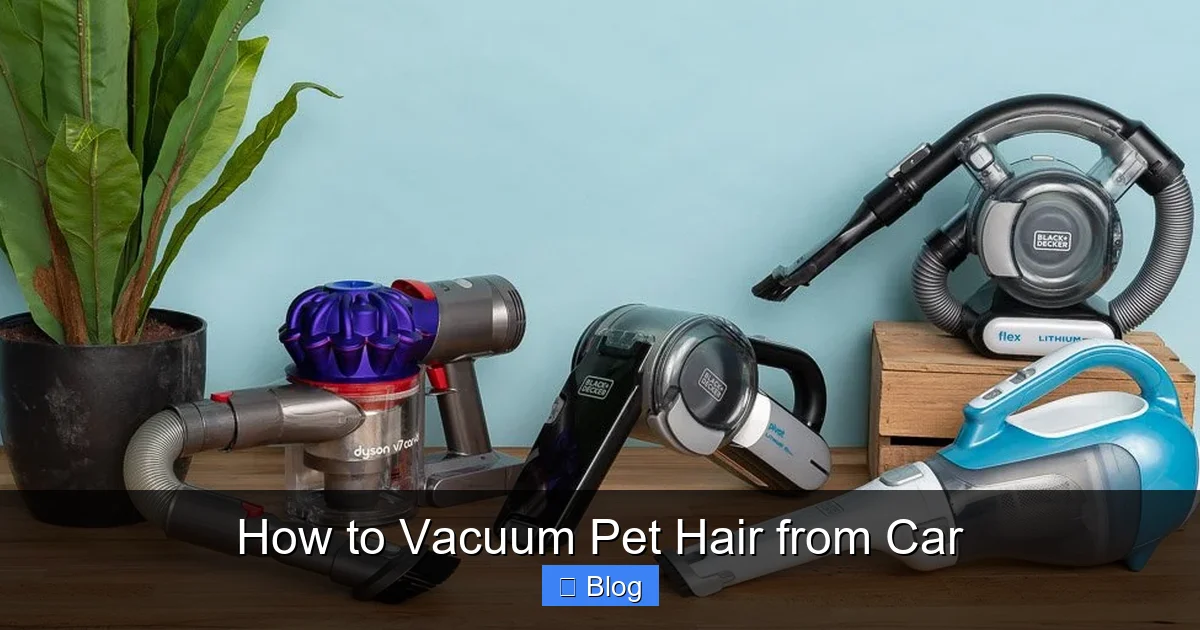
Visual guide about How to Vacuum Pet Hair from Car
Image source: relentlesshome.com
Why Pet Hair in Cars Is a Challenge
Pet hair seems to defy gravity—clinging to fabric seats, embedding in carpet fibers, and sneaking into air vents. Unlike regular dust or crumbs, pet fur has tiny barbs that grip surfaces, making it notoriously difficult to remove. Whether you drive a compact sedan or an SUV, shedding from dogs or cats can quickly turn your car into a fur-filled zone. Not only is it unsightly, but it can also trigger allergies and make passengers uncomfortable. The good news? With the right approach, you can restore your car’s interior to a clean, fresh state. This guide will show you exactly how to vacuum pet hair from your car—efficiently and effectively.
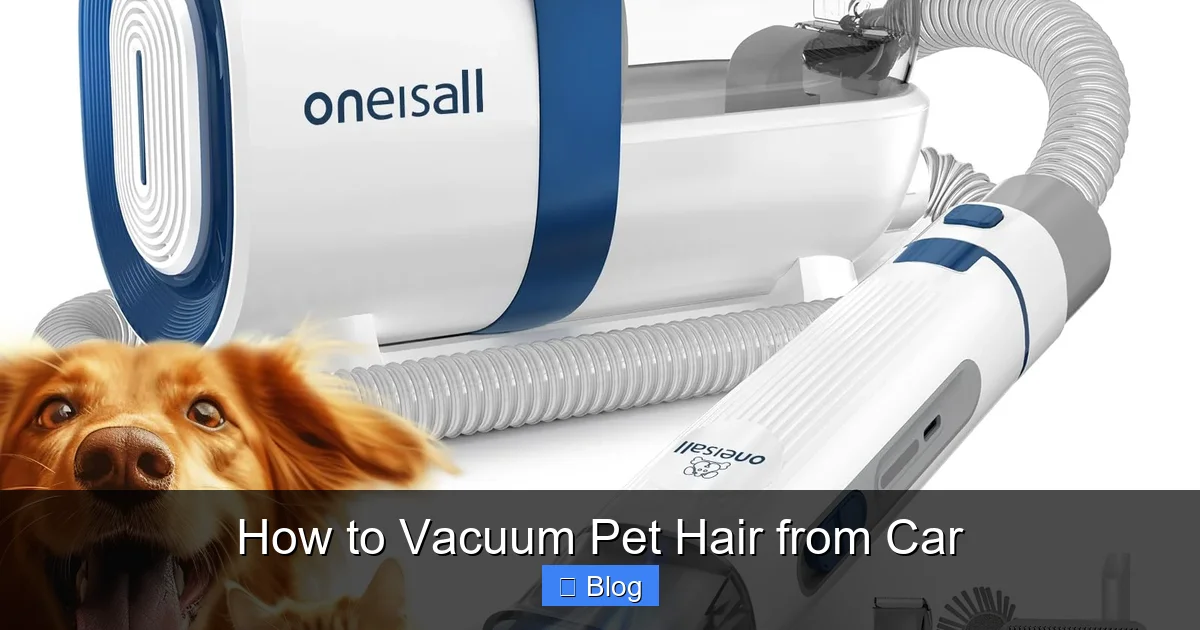
Visual guide about How to Vacuum Pet Hair from Car
Image source: images-na.ssl-images-amazon.com
Tools and Materials You’ll Need
Before you start, gather the right tools. Using the wrong equipment can waste time and leave hair behind. Here’s what works best:
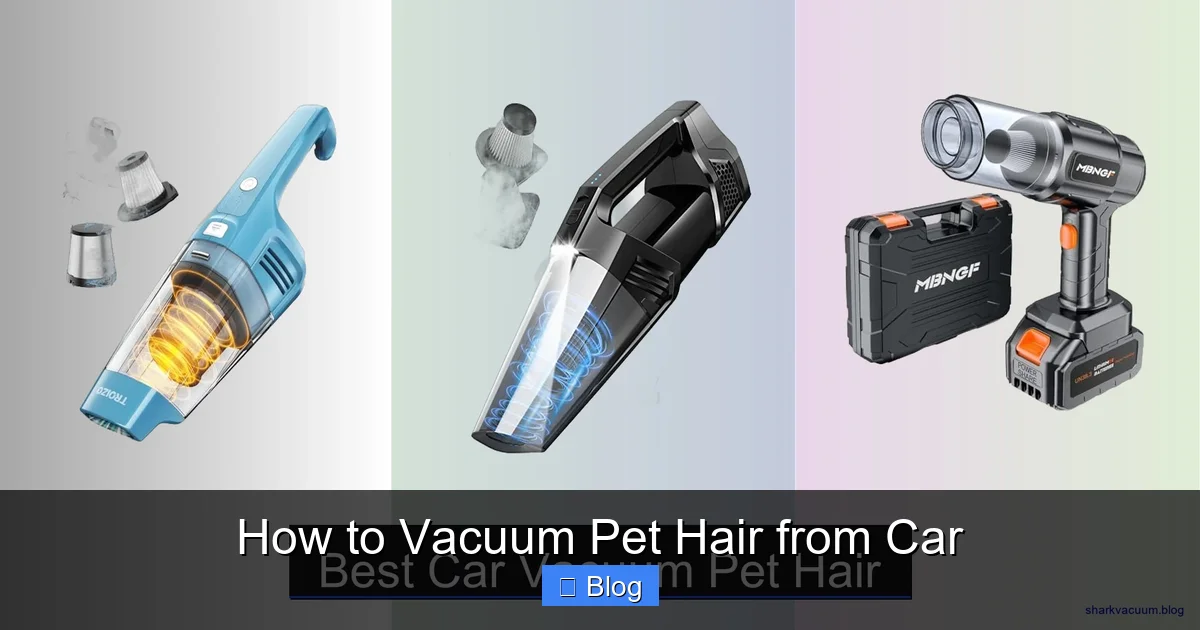
- Car vacuum or handheld vacuum: Look for strong suction and a long cord or battery life. Models with cyclonic action are ideal.
- Crevice tool: Perfect for seat gaps, door pockets, and under seats.
- Brush attachment: Soft bristles help lift hair from fabric without damaging surfaces.
- Rubber gloves or pet hair removal mitt: Creates static to pull hair from upholstery.
- Microfiber cloths: Great for wiping down hard surfaces and trapping loose fur.
- Pet hair roller or lint roller: Quick fix for seats and armrests.
- Stiff-bristled brush or rubber squeegee: Helps gather hair into piles before vacuuming.
- Compressed air (optional): Blows hair out of vents and tight crevices.
- Trash bag: For collecting hair and debris.
Step-by-Step Guide to Vacuuming Pet Hair from Your Car
Step 1: Prepare Your Vehicle
Start by removing all loose items from your car. Take out floor mats, seat covers, toys, and any personal belongings. This gives you full access to every surface and prevents hair from getting redistributed. Open all doors and the trunk to improve airflow and make cleaning easier. If possible, park in a shaded area—direct sunlight can make the interior uncomfortably hot and cause cleaning products to dry too quickly.
Step 2: Shake Out Floor Mats
Remove your floor mats and take them outside. Give them a vigorous shake to dislodge loose hair and dirt. For rubber mats, a quick rinse with a hose can help loosen embedded fur. Let them air dry completely before placing them back. Fabric mats may need extra attention—use a stiff brush to scrub the surface before vacuuming.
Step 3: Use Dry Removal Methods First
Vacuuming alone often isn’t enough. Start with dry methods to loosen and gather hair:
- Rubber gloves method: Put on a pair of rubber dishwashing gloves. Run your hands over fabric seats and carpets. The static charge will attract and lift pet hair, forming clumps you can easily pick up.
- Pet hair roller: Roll it over seats, armrests, and headrests. Replace the sticky sheets as they fill up.
- Microfiber cloth or damp sponge: Dampen slightly and wipe surfaces. The moisture helps capture hair without soaking the material.
- Rubber squeegee: Drag it across carpets and seats in one direction. Hair will gather at the edge, ready for pickup.
These methods reduce the workload for your vacuum and improve overall results.
Step 4: Vacuum Seats Thoroughly
Now it’s time to bring in the vacuum. Begin with the front seats, then move to the back. Use the brush attachment for fabric seats—gently agitate the surface to lift embedded hair. For leather or vinyl seats, switch to a soft brush or microfiber attachment to avoid scratches. Don’t forget the seat backs, headrests, and under the seats. Pet hair loves to hide in these areas.
Step 5: Tackle Floor Carpets and Mats
Place the floor mats back in the car (if dry) and vacuum them in place. Use the crevice tool along the edges where the mat meets the door sill. For carpets, go over each section multiple times in different directions. Hair often lies flat and resists suction, so overlapping passes help capture more. If your vacuum has a turbo brush, use it—it’s designed for deep carpet cleaning.
Step 6: Clean Hard-to-Reach Areas
Pet hair sneaks into the tiniest spaces. Use the crevice tool to clean:
- Between and under seats
- Door panel pockets and cup holders
- Air vents (gently insert the tool to avoid damage)
- Seat belt buckles and retractor wells
- Trunk and cargo areas
For stubborn hair in vents, spray a burst of compressed air to blow it out, then vacuum the loosened strands.
Step 7: Wipe Down Hard Surfaces
Use a microfiber cloth to wipe down dashboard, steering wheel, door panels, and center console. Pet hair can cling to plastic and vinyl surfaces. A slightly damp cloth works best—just avoid excess moisture near electronics. For extra shine, follow up with a car-safe interior cleaner.
Tools and Materials
| Tool | Best For | Why It Works |
|---|---|---|
| Handheld vacuum | Seats, carpets, tight spaces | Portable, strong suction, easy to maneuver |
| Rubber gloves | Fabric seats and carpets | Creates static to lift embedded hair |
| Crevice tool | Seat gaps, vents, under seats | Narrow design reaches tight spots |
| Pet hair roller | Seats, armrests, clothing | Sticky sheets grab loose fur quickly |
| Microfiber cloth | Hard surfaces, final wipe-down | Traps dust and hair without scratching |
- Use seat covers: Waterproof or machine-washable covers protect seats and are easy to clean.
- Brush your pet regularly: Reduce shedding at the source by grooming your dog or cat before trips.
- Keep a travel lint roller: Store one in your glove compartment for quick touch-ups.
- Vacuum weekly: Short, regular sessions prevent hair from embedding deeply.
- Use a pet hammock: Install a backseat hammock to contain hair and protect the seats.
Conclusion
Removing pet hair from your car doesn’t have to be a frustrating chore. With the right tools—like a powerful vacuum, rubber gloves, and a crevice tool—you can tackle even the most stubborn fur. Start with dry removal methods to loosen hair, then vacuum systematically from top to bottom. Don’t skip the small spaces where hair hides. And remember: prevention is just as important as cleaning. By using seat covers, brushing your pet, and maintaining a regular cleaning routine, you’ll keep your car looking and smelling fresh. Follow this guide, and you’ll transform your fur-filled vehicle into a clean, comfortable space for both you and your four-legged friend.