
Is It Necessary to Vacuum Car Ac System
Vacuuming a car’s AC system is absolutely necessary to remove moisture, air, and contaminants that can compromise performance and damage components. Without a proper vacuum process, even a correctly recharged system may fail to cool efficiently or develop leaks over time. This critical step ensures long-term reliability and optimal cooling, making it a non-negotiable part of any AC repair or recharge.
“`html
Key Takeaways
- Vacuuming removes moisture to prevent ice blockages and corrosion in the AC system.
- Eliminates air and non-condensables that reduce cooling efficiency and strain the compressor.
- Ensures proper refrigerant flow by clearing contaminants from lines and components.
- Prevents compressor failure caused by moisture-induced acid buildup and sludge.
- Required after system opening to maintain performance and extend AC lifespan.
- Use a vacuum pump for at least 30 minutes to achieve a deep vacuum.
- Skipping vacuuming risks damage and costly repairs down the road.
Quick Answers to Common Questions
Is it necessary to vacuum car AC system before recharging?
Yes, it’s essential to vacuum the car AC system to remove moisture and air, which can cause corrosion and reduce cooling efficiency.
What happens if you don’t vacuum the AC system?
Skipping the vacuum process can trap moisture and air, leading to poor performance, ice buildup, or even compressor damage.
How long should you vacuum a car AC system?
Most professionals recommend vacuuming the car AC system for at least 30 to 45 minutes to ensure all contaminants are removed.
Can you recharge AC without vacuuming?
Technically yes, but it’s not recommended—recharging without vacuuming risks damaging the system and reduces its lifespan.
Does vacuuming the AC system remove refrigerant?
No, vacuuming doesn’t remove refrigerant; it evacuates air and moisture so the system can be properly recharged with fresh refrigerant.
Pro Tips & Common Mistakes to Avoid
Pro Tip: Always wear safety goggles. Refrigerant can freeze skin on contact, and debris from old seals can fly out when disconnecting hoses.
One of the biggest mistakes I see is rushing the vacuum process. Some people run the pump for just 10 minutes and assume it’s enough. But moisture hides in tiny crevices and takes time to evaporate. Skipping this step can lead to ice blockages or acid buildup, which ruins the compressor over time.
Another common error? Adding refrigerant without vacuuming first. If you’re topping off a system that’s lost charge due to a leak, you must vacuum it afterward. Air and moisture dilute the refrigerant and reduce cooling efficiency. It’s like trying to cool a room with a window open—no matter how much AC you run, it won’t work well.
Also, don’t confuse “vacuuming” with using a shop vacuum to clean the cabin filter. That’s totally different. The AC system vacuum is about creating a deep, sealed vacuum inside the refrigerant lines—not sucking dust out of the vents.
FAQs About Is It Necessary to Vacuum Car Ac System
Q: Can I skip vacuuming if I’m just adding refrigerant?
A: Technically, you might get away with it if the system never lost pressure—but it’s risky. Even a slow leak introduces moisture. Vacuuming ensures a clean, dry system. So yes, it’s still necessary.
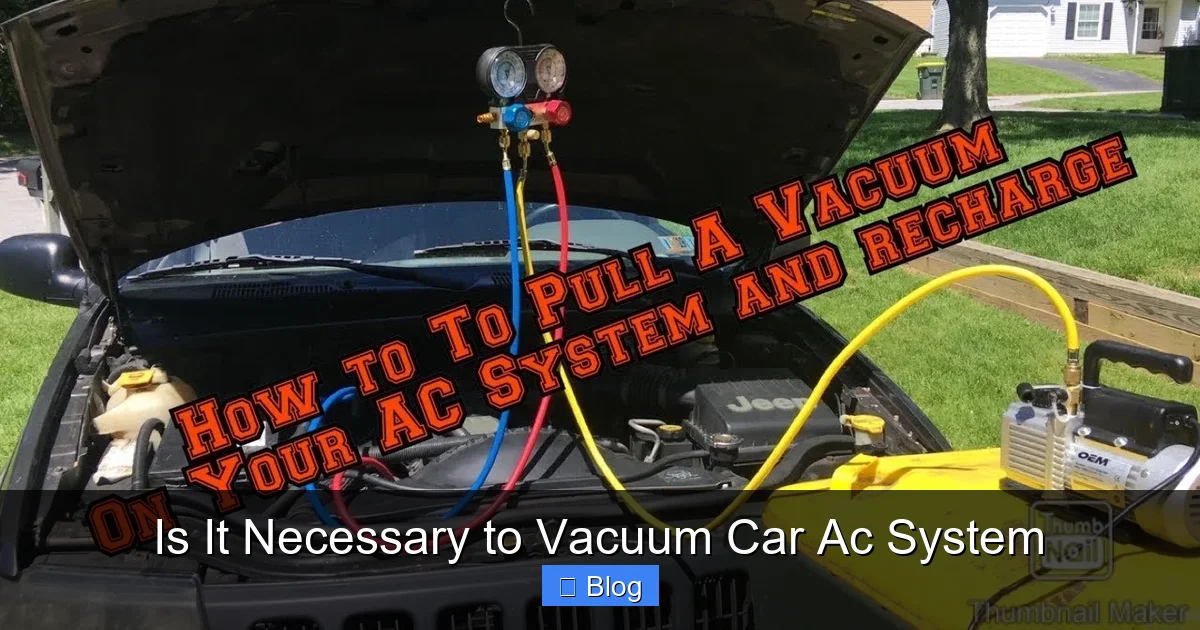
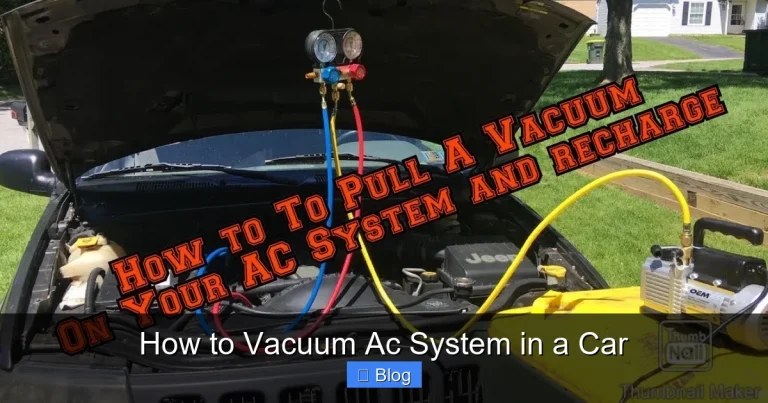
Visual guide about Is It Necessary to Vacuum Car Ac System
Image source: i.ytimg.com
Why This Matters / Understanding the Problem
Let’s be honest—your car’s AC system isn’t something you think about until it stops working. One day it’s blowing ice-cold air, and the next? Warm, stale breezes that make summer drives feel like saunas. I learned this the hard way during a road trip through Arizona when my AC suddenly gave up. After a mechanic explained the issue, I realized I’d been skipping a crucial step: vacuuming the AC system.
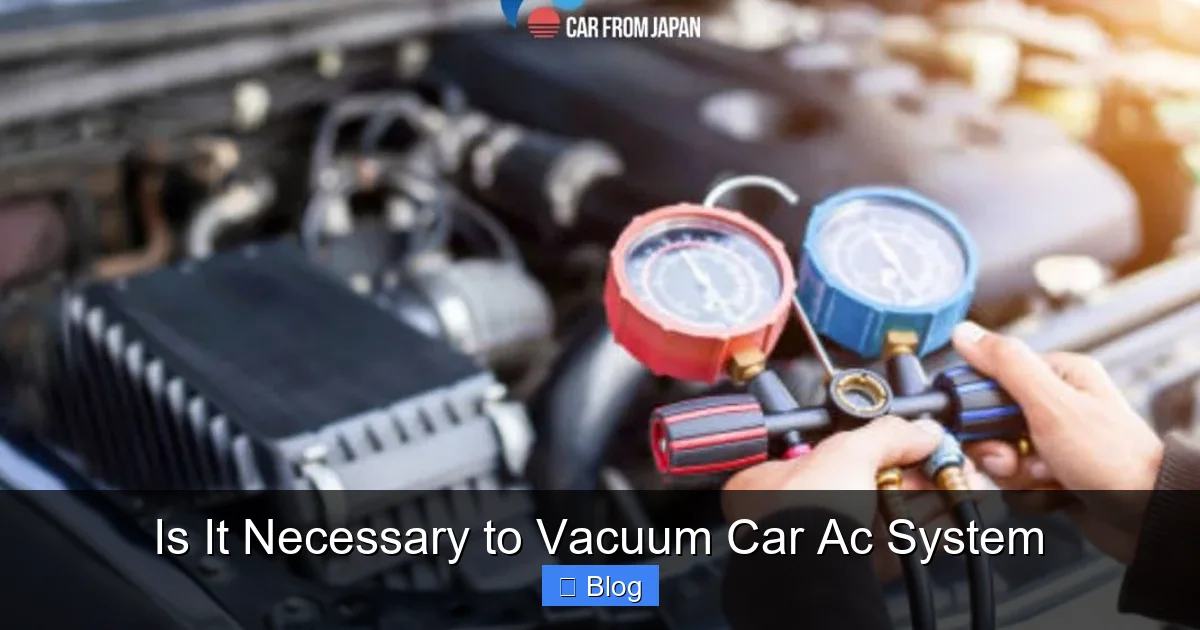
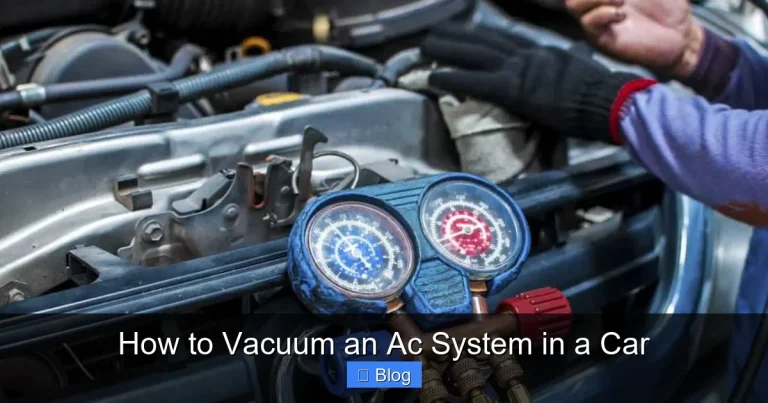
Visual guide about Is It Necessary to Vacuum Car Ac System
Image source: carfromjapan.com
So, is it necessary to vacuum car AC system? The short answer: yes—especially if you’re recharging, repairing, or replacing any part of your AC. Moisture, air, and contaminants can sneak into the system, leading to poor cooling, corrosion, or even compressor failure. Vacuuming removes these threats and ensures your AC runs efficiently. Think of it like priming a water pump before use—it’s not optional if you want things to work right.
What You Need
Before diving in, gather these tools. Most are affordable and reusable, so they’re worth the investment if you plan on doing basic car maintenance yourself.
- A vacuum pump (manual or electric)
- Manifold gauge set (with hoses)
- Refrigerant (check your vehicle’s specs—R-134a is common)
- Safety goggles and gloves
- Leak detection kit (optional but helpful)
- Shop towels and a clean workspace
You don’t need to be a mechanic to do this, but having the right gear makes all the difference. I once tried using a DIY workaround with a hand pump—it took twice as long and didn’t pull a strong enough vacuum. Lesson learned: proper tools save time and frustration.
Step-by-Step Guide to Is It Necessary to Vacuum Car Ac System
Step 1: Turn Off the Engine and Locate the Service Ports
First, park your car on a level surface and let the engine cool. Pop the hood and locate the low- and high-pressure service ports—usually near the AC compressor. The low-side port is larger and has an “L” or “LOW” marking; the high-side is smaller with an “H” or “HIGH.” Never open the system while the engine is running—refrigerant under pressure can cause serious injury.
Step 2: Connect the Manifold Gauge Set
Attach the blue hose from your manifold gauge to the low-pressure port and the red hose to the high-pressure port. The yellow hose connects to your vacuum pump or refrigerant can. Make sure all connections are tight—loose fittings lead to leaks and inaccurate readings. I once forgot to hand-tighten a connection and spent 20 minutes troubleshooting why the vacuum wasn’t holding. Small mistake, big headache.
Step 3: Evacuate the System with the Vacuum Pump
Turn on the vacuum pump and open both valves on the manifold gauge. Let it run for at least 30–45 minutes. Why so long? Moisture turns to vapor under vacuum, and it takes time to fully remove. Aim for a vacuum level of 29–30 inches of mercury (inHg) on your gauge. If the needle drops after shutting off the pump, you’ve got a leak—time to inspect seals, hoses, or connections.
Step 4: Close Valves and Let It Sit
After reaching the target vacuum, close both valves and shut off the pump. Let the system sit for 10–15 minutes. This “vacuum decay test” confirms there are no leaks. If the pressure stays stable, you’re good to go. If it rises, recheck connections or consider using a leak detector.
Step 5: Recharge the AC System
With the vacuum holding steady, it’s time to add refrigerant. Attach your refrigerant can to the yellow hose, open the low-side valve slowly, and let the system draw in the correct amount. Never open the high-side valve during recharge—this can damage the compressor. Follow your vehicle’s specified refrigerant charge (usually listed under the hood or in the manual).
Quick Reference
| Step | Tool Used | Time Required | Key Check |
|---|---|---|---|
| Locate service ports | None | 2–3 minutes | Identify low/high sides |
| Connect manifold gauge | Manifold gauge set | 5 minutes | Secure all hoses |
| Run vacuum pump | Vacuum pump | 30–45 minutes | Reach 29–30 inHg |
| Vacuum decay test | Gauge set | 10–15 minutes | Pressure stable? |
| Recharge with refrigerant | Refrigerant can | 10–15 minutes | Use correct amount |
Q: How often should I vacuum my car’s AC system?
A: Only when servicing it—like after a repair, compressor replacement, or if the system has been open to air. You don’t need to do it annually unless there’s a known issue.
Q: What happens if I don’t vacuum the AC system?
A: Moisture can freeze in the expansion valve, blocking refrigerant flow. Air reduces cooling efficiency and increases pressure, straining the compressor. Over time, this leads to costly repairs.
Q: Can I use a hand pump instead of an electric vacuum pump?
A: You can, but it’s much slower and harder to achieve a deep vacuum. Electric pumps are more reliable for consistent results—especially in humid climates.
Q: How do I know if my AC system has a leak?
A: If the vacuum doesn’t hold after pumping, or if your AC loses cooling quickly after recharge, you likely have a leak. Use a UV dye kit or electronic leak detector to find it.
Q: Is it safe to vacuum the AC system myself?
A: Yes, if you follow safety steps and use the right tools. Just avoid opening pressurized lines without proper training. When in doubt, consult a professional.
Final Thoughts
So, is it necessary to vacuum car AC system? Absolutely—if you want your AC to work efficiently and last longer. It’s not just a mechanic’s formality; it’s a critical step that protects your investment and keeps you cool on hot days. I used to think it was overkill until I saw the difference in performance after properly vacuuming my own system. The cooling was instant, consistent, and lasted all summer.
You don’t need to be a gearhead to do this. With the right tools and a little patience, it’s totally doable at home. Just remember: skip the shortcuts. Take the time to pull a proper vacuum, and your AC will thank you with years of reliable service.
“`