What Is the Best Vacuum for Cars?
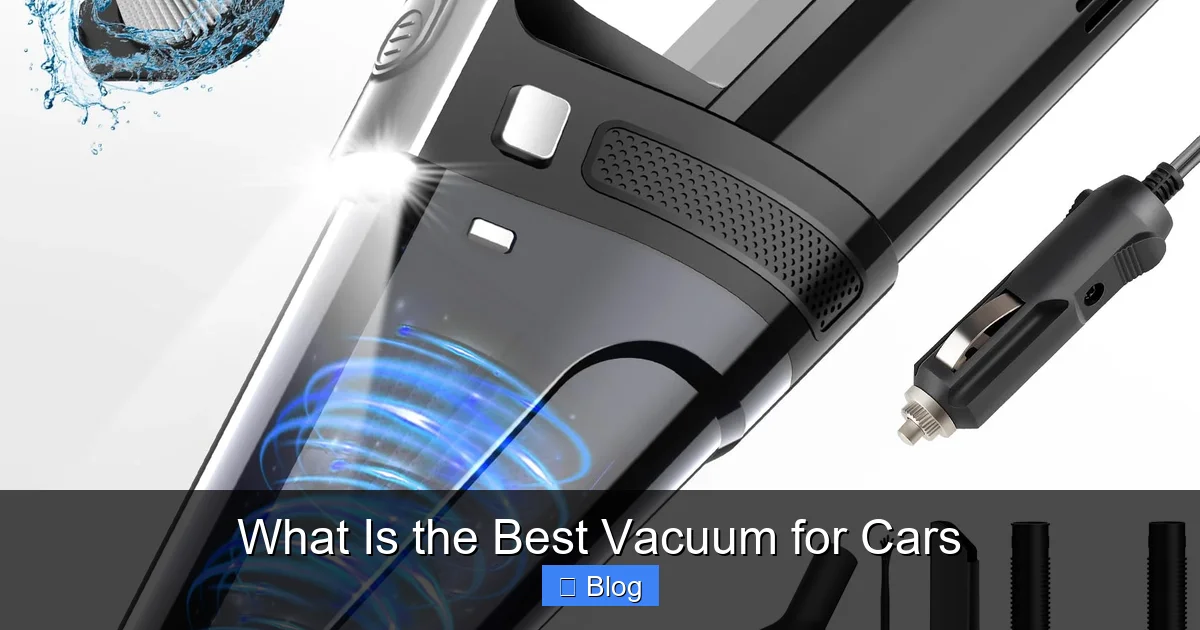
Looking for what is the best vacuum for cars? The best choice depends on convenience, suction power, and portability. A top-rated car vacuum should be lightweight, easy to maneuver, and capable of cleaning tight spaces like between seats and under mats. Cordless models are popular for their portability, while corded options often offer stronger suction for deep cleaning.
Features like HEPA filters, wet/dry capability, and multiple attachments make a vacuum more effective for car cleaning. A model with strong suction can remove dirt, pet hair, and crumbs efficiently, while specialized nozzles help reach corners, vents, and upholstery. Compact designs also make storage in the car simple.
Choosing the right vacuum improves the cleanliness and longevity of your vehicle’s interior. Investing in a reliable car vacuum ensures hassle-free maintenance, a fresher ride, and protection for your upholstery from dirt, spills, and debris.
What Is the Best Vacuum for Cars?
Keeping your car clean is more than just aesthetics; it’s about comfort, hygiene, and even preserving your vehicle’s interior value. But anyone who’s tried to clean their car with a regular household vacuum knows it can be a frustrating and often ineffective endeavor. Car interiors present unique challenges: tight corners, various fabric types, and stubborn debris like sand, pet hair, and spilled snacks.
So, what is the best vacuum for cars? The truth is, there isn’t one universal “best.” The ideal vacuum for *your* car depends on *your* specific needs, your vehicle type, and the kind of messes you typically face. This comprehensive guide will walk you through everything you need to know to find the perfect car vacuum cleaner. We’ll explore key features, different types, and practical tips to ensure your car always looks its best.
Let’s dive in and transform your car cleaning routine!
Key Takeaways
- No Single “Best”: The “best vacuum for cars” depends on your specific needs, such as the type of mess, car size, and power source preference (corded or cordless).
- Prioritize Suction Power: Adequate suction is crucial for lifting stubborn dirt, pet hair, and deeply embedded debris from car carpets and upholstery.
- Attachments Are Key: Look for specialized nozzles like crevice tools, brush attachments, and perhaps a pet hair tool to effectively clean tight spaces, vents, and fabric surfaces.
- Portability and Power Source: Cordless vacuums offer unmatched freedom but require good battery life, while corded options provide consistent, strong suction without recharging concerns.
- Filtration and Dustbin Capacity: A good filtration system prevents dust from recirculating, and a larger dustbin means fewer interruptions for emptying.
- Consider Wet/Dry Capability: If you frequently deal with liquid spills or want to shampoo carpets, a wet/dry car vacuum cleaner offers versatile cleaning.
- Ease of Use & Maintenance: A lightweight, ergonomic design and easy-to-clean filters will make your car cleaning routine much more pleasant and sustainable.
Quick Answers to Common Questions
What’s the most important feature for a car vacuum?
Without a doubt, strong suction power is the most crucial feature. It ensures that deeply embedded dirt, sand, and pet hair are effectively lifted from carpets and upholstery, leading to a truly clean interior.
Should I choose corded or cordless for my car vacuum?
The choice depends on your priority: Cordless offers unparalleled portability and freedom, perfect for quick cleans anywhere. Corded provides consistent, often stronger suction without worrying about battery life, ideal for deep cleans near a power source.
Are specialized attachments really necessary?
Absolutely! Car interiors have many tight spaces and varied surfaces. A crevice tool for gaps, a brush for upholstery and vents, and a pet hair tool for fur are essential for a thorough and efficient clean.
How often should I clean my car’s vacuum filter?
For optimal performance, it’s best to clean your vacuum’s filter after every few uses, or whenever you notice a reduction in suction power. If it’s washable, rinse it thoroughly and allow it to air dry completely before reinstalling.
Can I use a household vacuum for my car?
While you *can* use a household vacuum, it’s often cumbersome and less effective. Household vacuums typically lack the specialized attachments and compact design needed to navigate tight car interiors and tackle specific messes like embedded sand or pet hair efficiently.
Understanding Your Car Cleaning Needs
Before you start shopping, take a moment to consider what kind of “dirt” you’re usually dealing with and what you expect from a vacuum for cars.
What Kind of Mess Do You Face?
Are you battling daily crumbs from kids, persistent pet hair, sand from beach trips, general dust, or mud from outdoor adventures? The type of mess dictates the power and attachments you’ll need. For instance, pet hair demands strong suction and specialized brush tools, while sand benefits from robust lifting power.
How Often Do You Clean?
If you’re a frequent cleaner who does quick touch-ups, a lightweight, highly portable cordless car vacuum might be ideal. If you do deep cleans once a month, a more powerful corded option might be better.
What’s Your Car Type?
A compact sedan has different cleaning needs than a large SUV or a work truck. Larger vehicles often mean more surface area to cover and potentially more heavy-duty messes.
Key Features to Look For in the Best Vacuum for Cars
When searching for the best vacuum for cars, several features stand out. These are the aspects that separate a mediocre car vacuum from a truly excellent one.
Powerful Suction
This is arguably the most crucial feature. Car carpets and upholstery can trap dirt deep within their fibers. A strong motor with high suction power is essential to effectively lift embedded grime, pet hair, and sand. Don’t settle for weak suction; it will only lead to frustration and an incomplete clean. Look for models that specifically highlight their “strong suction” or “motor power.”
Visual guide about What Is the Best Vacuum for Cars
Image source: i.ebayimg.com
Portability and Maneuverability
Car interiors are tight. You need a vacuum that’s easy to handle, lightweight, and can reach into awkward spaces. Consider the overall design and balance of the unit. Is it cumbersome, or can you easily move it around seats, under pedals, and into door pockets?
Attachments and Nozzles
The right tools make all the difference when cleaning a car. The best vacuum for cars will come with a variety of specialized attachments:
- Crevice Tool: Essential for reaching narrow gaps, between seats, and along console edges.
- Brush Tool: Great for agitating dirt on carpets, upholstery, and cleaning vents without scratching.
- Pet Hair Tool: Often a small motorized brush, specifically designed to lift stubborn pet hair from fabric. A must-have for pet owners!
- Flexible Hose: Allows you to keep the main unit stationary while reaching farther into tight spots.
Power Source: Corded vs. Cordless
This is a major decision point and directly impacts portability and consistent power.
Cordless Car Vacuums
- Pros: Unmatched freedom and portability. You can clean anywhere without needing an outlet. Perfect for quick clean-ups and detailing.
- Cons: Battery life can be limited (typically 15-30 minutes on a full charge). Suction might slightly diminish as the battery drains. Requires recharging.
- What to Look For: Good battery life (ideally 20+ minutes), quick charging, and consistent suction throughout the battery cycle. Some models use interchangeable batteries, which can be a huge plus.
Corded Car Vacuums
- Pros: Consistent, strong suction for as long as you need. No battery to worry about. Often more powerful than cordless counterparts.
- Cons: Requires an accessible power outlet (either a home outlet with a long extension cord or a 12V car outlet). Limited by cord length and can be less convenient.
- What to Look For: A sufficiently long power cord (at least 15-20 feet for household outlets, or a robust 12V adapter for in-car use), durable construction.
Filtration System
A good filtration system captures dust and allergens, preventing them from being expelled back into your car’s air. Look for washable filters for easy maintenance and potentially HEPA filtration for superior air quality, especially if you have allergies.
Dustbin Capacity and Ease of Emptying
A larger dustbin means fewer trips to the trash can. Look for a vacuum for cars with a clear, easy-to-empty dustbin that detaches simply and cleanly. Avoid designs where dirt gets trapped or requires excessive fiddling.
Wet/Dry Capability
Some car vacuums offer both wet and dry cleaning capabilities. This is incredibly useful for tackling spilled drinks, wet mud, or even for assisting with shampooing carpets. If you frequently deal with liquid messes, this feature makes a car vacuum truly versatile.
Types of Car Vacuums: Which is Best for You?
Understanding the different categories of car vacuums will help you narrow down your choices for the best vacuum for cars.
Handheld Car Vacuums
These are the most common type. They are compact, lightweight, and designed for easy maneuverability in tight spaces. They can be corded (often 12V car plug) or cordless (rechargeable battery). Ideal for quick clean-ups and reaching challenging areas.

Visual guide about What Is the Best Vacuum for Cars
Image source: realsimple.com
Shop-Vac/Wet-Dry Vacuums
These are heavy-duty, powerful vacuums, typically larger and corded. They excel at picking up large debris, liquids, and are fantastic for deep cleaning, especially if you plan to shampoo your car’s interior. While not as portable as handhelds, some smaller versions are still manageable for garage use.
Stick Vacuums (with handheld conversion)
Some modern cordless stick vacuums designed for homes offer attachments and can convert into handheld units, making them surprisingly effective for car cleaning. They usually have excellent suction and battery life but might be a larger initial investment.
Choosing the Best Vacuum for Cars: Your Personalized Approach
Now, let’s put it all together. Here’s how to make your final decision.
Step 1: Define Your Budget
Car vacuums range from budget-friendly options under $50 to premium models over $200. Set a realistic budget based on how often you’ll use it and the features you need.
Step 2: Prioritize Power Source
Do you value ultimate freedom (cordless) or consistent, strong power (corded)? Consider where you’ll be cleaning your car most often. If it’s always in your driveway near an outlet, corded is fine. If you park on the street or need to clean on the go, cordless is the winner.
Step 3: Consider the Mess Makers
- Pet Owners: Absolutely prioritize strong suction and a dedicated pet hair tool.
- Parents with Kids: Look for easy-to-empty dustbins, wet/dry capability for spills, and good crevice tools for crumbs.
- Outdoor Enthusiasts/Construction Workers: Wet/dry capability and robust suction for mud, dirt, and larger debris are key.
- Light Duty/Dust: A simple, lightweight handheld with decent suction will suffice.
Step 4: Evaluate Attachments and Accessories
Ensure the chosen car vacuum comes with the necessary tools for your specific cleaning needs. Don’t underestimate the importance of a good crevice tool!
Step 5: Read Reviews
Once you’ve narrowed down your options, read user reviews. Pay attention to comments about suction power, battery life (for cordless), durability, and ease of use. This feedback can be invaluable.
Tips for Effective Car Vacuuming
Having the best vacuum for cars is only half the battle. Knowing how to use it effectively will yield the best results.
Tip 1: Prepare Your Car
Before you even turn on the vacuum, remove all trash, floor mats (shake them out and vacuum separately), and any loose items. This clears the way and prevents the vacuum from sucking up unwanted objects.
Tip 2: Work in Sections
Don’t try to tackle the entire car at once. Work on one section at a time – e.g., driver’s side floor, then passenger side, then back seats. This ensures you don’t miss any spots.
Tip 3: Use the Right Attachment
Switch attachments as needed. Use the crevice tool for tight spots, the brush tool for carpets and upholstery, and the pet hair tool for stubborn fur.
Tip 4: Overlap Your Passes
Just like vacuuming your home carpet, overlap your passes to ensure thorough cleaning. For very dirty areas, make multiple passes from different directions.
Tip 5: Don’t Forget the Details
Use the brush attachment to clean air vents, dashboard crevices, and door panel pockets. The crevice tool is great for around seat rails and console edges.
Maintaining Your Car Vacuum
Even the best vacuum for cars needs a little love to perform optimally.
H3: Empty the Dustbin Regularly
A full dustbin reduces suction power. Empty it after every use, or when it reaches its “max fill” line.
H3: Clean or Replace Filters
Clogged filters severely impact suction. If your filter is washable, clean it thoroughly according to the manufacturer’s instructions (usually rinse with water and let air dry completely). If it’s a disposable filter, replace it when needed.
H3: Check for Blockages
If suction suddenly drops, check the nozzle, hose, and main intake for blockages. Hair, fabric, or larger debris can easily get stuck.
H3: Store Properly
Store your car vacuum in a clean, dry place. For cordless models, ensure the battery is charged before storage if it will be unused for a while, or follow manufacturer guidelines for long-term storage.
Troubleshooting Common Issues
Low Suction Power
If your car vacuum is losing suction, first check the dustbin to see if it’s full. A full bin is the most common culprit. Next, inspect the filter; a clogged filter will dramatically reduce performance. Clean or replace it as needed. Finally, check the nozzle, hose, and intake for any blockages like tangled hair or debris.
Cordless Vacuum Not Holding a Charge
Ensure you’re using the correct charger and that it’s properly plugged into both the vacuum and the power outlet. Over time, all batteries degrade; if your vacuum is old, the battery might simply be at the end of its life and require replacement if the model allows. Always follow manufacturer guidelines for charging and storage to prolong battery health.
Attachments Not Staying On
This can happen if the attachment or the vacuum’s nozzle is dirty or worn. Clean both connection points to ensure a snug fit. If the plastic has become worn down or cracked, you might need to replace the specific attachment or even the vacuum if it’s a structural issue with the main unit.
Conclusion: Finding Your Perfect Car Cleaning Companion
Finding the best vacuum for cars truly boils down to understanding your personal needs and priorities. Whether you opt for the freedom of a powerful cordless model, the unwavering suction of a corded unit, or the versatility of a wet/dry shop-vac, the right choice will make car cleaning a much more enjoyable and effective task.
By focusing on key features like strong suction, versatile attachments, and appropriate power sources, you can invest in a car vacuum cleaner that keeps your vehicle’s interior pristine for years to come. Say goodbye to crumbs, pet hair, and dirt, and hello to a consistently clean and comfortable ride! Happy cleaning!