What Is Vacuum Pump in Car?
A vacuum pump in a car is a device that creates a vacuum to power various systems, especially in engines that don’t generate enough vacuum on their own. Its main function is to supply vacuum pressure for components like brake boosters, turbochargers, and emission control devices, ensuring the car operates safely and efficiently. Without a properly working vacuum pump, systems relying on vacuum may fail, affecting performance and safety.
Modern cars, particularly those with diesel engines or turbocharged petrol engines, often rely on vacuum pumps because these engines produce less natural vacuum. The pump helps maintain consistent braking performance, smooth operation of engine valves, and proper functioning of emission controls.
Understanding how a vacuum pump works and recognizing signs of failure, such as hard brakes or poor engine response, is important for vehicle maintenance. Regular inspection ensures that the car remains safe, efficient, and performs at its best on the road.
Key Takeaways
- Vacuum pumps create suction for critical car systems. They help power brake boosters, emission controls, and turbochargers.
- Modern engines often need a vacuum pump. Turbocharged, supercharged, and diesel engines don’t generate enough vacuum naturally.
- The vacuum pump is usually belt-driven or electric. Belt-driven types connect to the engine, while electric ones are common in hybrids and EVs.
- Regular inspection prevents failure. Check for leaks, unusual noises, or brake stiffness to catch issues early.
- A failing vacuum pump can affect braking and performance. Symptoms include hard brake pedals, warning lights, or poor engine response.
- Replacement requires mechanical skill. If you’re not experienced, consult a professional mechanic.
- Proper maintenance extends pump life. Change oil if it’s oil-lubricated and keep hoses and connections clean.
Quick Answers to Common Questions
Tip/Question?
Can a vacuum pump fail suddenly?
Yes, vacuum pumps can fail suddenly due to seal wear, electrical issues, or belt breakage. Regular inspections help catch problems early.
Tip/Question?
Do all cars have a vacuum pump?
No. Many naturally aspirated gasoline engines generate enough vacuum from the intake manifold and don’t need a separate pump.
Tip/Question?
How long does a vacuum pump last?
Most last 80,000 to 120,000 miles, but lifespan depends on driving conditions, maintenance, and vehicle type.
Tip/Question?
Can I test the vacuum pump myself?
Yes, using a vacuum gauge or by checking brake pedal behavior. But for accurate diagnosis, a mechanic’s tools are best.
Tip/Question?
Is the vacuum pump the same as the brake booster?
No. The brake booster uses vacuum to assist braking, but the vacuum pump generates that vacuum. They work together but are separate components.
What Is a Vacuum Pump in a Car?
A vacuum pump in a car is a device that creates negative pressure—also known as vacuum—inside sealed systems. This vacuum is essential for operating several important automotive functions, especially in modern vehicles with advanced engine designs. Unlike older engines that naturally generate vacuum from the intake manifold, many newer engines—such as turbocharged, supercharged, or diesel models—can’t produce enough vacuum on their own. That’s where the vacuum pump steps in.
Think of the vacuum pump as a helper. It ensures that systems like the brake booster, exhaust gas recirculation (EGR), and turbocharger controls get the vacuum they need to work properly. Without it, you might notice a stiffer brake pedal, reduced engine performance, or even warning lights on your dashboard.
How Does a Car Vacuum Pump Work?
Visual guide about What Is Vacuum Pump in Car
Image source: image.shutterstock.com
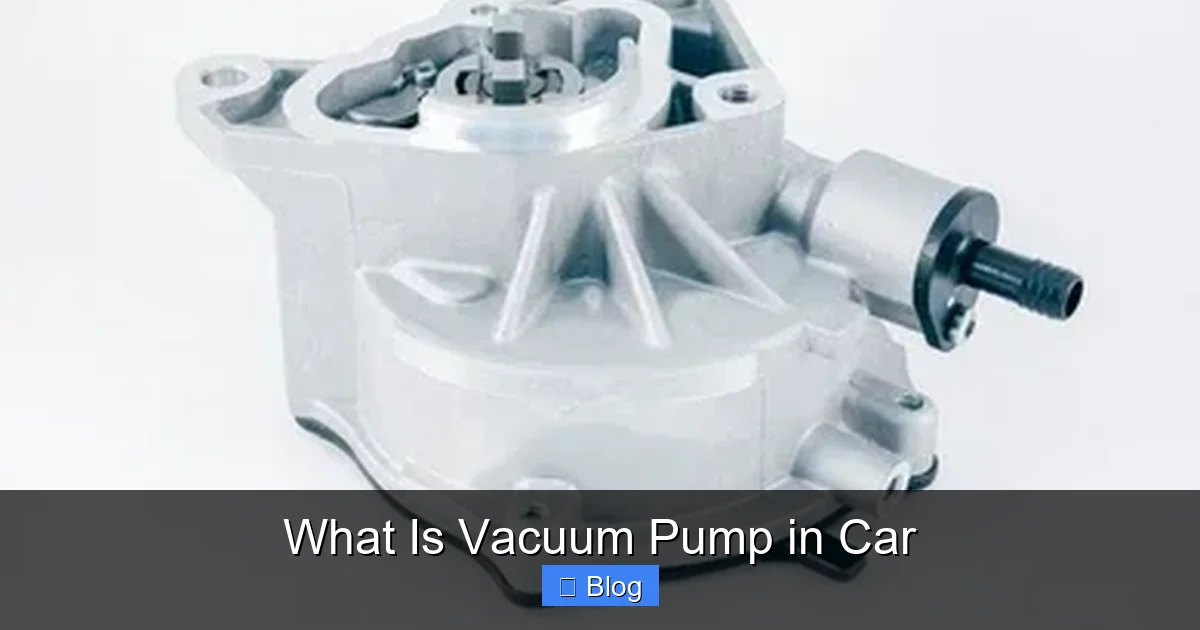
The vacuum pump works by removing air from a sealed chamber, creating suction. This suction is then used by various vehicle systems. There are two main types of vacuum pumps used in cars: mechanical (belt-driven) and electric.
Mechanical Vacuum Pumps
These are connected to the engine via a belt or gear. As the engine runs, it turns the pump, which pulls air out of the vacuum lines. Mechanical pumps are common in older or high-performance vehicles. They’re reliable but depend entirely on engine speed—meaning they produce less vacuum at idle.
Electric Vacuum Pumps
Electric pumps are powered by the car’s electrical system and can operate independently of engine speed. This makes them ideal for hybrid and electric vehicles, where the engine may not run continuously. They’re also used in turbocharged gasoline engines that don’t generate enough vacuum at low RPMs.
Both types use similar principles: a rotating mechanism (like a vane or diaphragm) creates chambers that expand and contract, drawing in air and expelling it. The result is a steady supply of vacuum stored in a reservoir or used directly by components.
What Does a Vacuum Pump Do in a Car?
Visual guide about What Is Vacuum Pump in Car
Image source: media.takealot.com
The vacuum pump supports several critical systems. Let’s look at the most important ones.
Brake Booster Assistance
The brake booster uses vacuum to multiply the force you apply to the brake pedal. When you press the pedal, the vacuum helps push the brake master cylinder, making braking easier and safer. Without enough vacuum, the pedal becomes hard to press, increasing stopping distance and driver fatigue.
Exhaust Gas Recirculation (EGR) System
The EGR system reduces nitrogen oxide emissions by recirculating a portion of exhaust gases back into the engine. The vacuum pump helps control the EGR valve, ensuring it opens and closes at the right times. This improves fuel efficiency and reduces pollution.
Turbocharger and Wastegate Control
In turbocharged engines, vacuum is used to regulate the wastegate, which controls boost pressure. The vacuum pump ensures the system responds quickly and accurately, preventing over-boosting and engine damage.
Climate Control and HVAC Systems
Some older vehicles use vacuum to control air vents and defrosters in the HVAC system. While less common today, vacuum-operated climate controls still exist in certain models.
Evaporative Emissions Control (EVAP)
The EVAP system captures fuel vapors from the gas tank and routes them back to the engine to be burned. Vacuum helps pull these vapors through the system, reducing harmful emissions.
Where Is the Vacuum Pump Located?
The location of the vacuum pump varies by vehicle make and model. In most cases, you’ll find it:
- Near the engine block, often driven by a belt or gear
- Mounted on the firewall or inner fender in the engine bay
- In hybrid or electric vehicles, it may be tucked near the brake booster or under the dashboard
To locate yours, consult your owner’s manual or service guide. Look for a small, cylindrical or rectangular component with vacuum hoses connected to it. If it’s electric, it may also have a wiring harness.
Signs of a Failing Vacuum Pump
A malfunctioning vacuum pump can cause noticeable problems. Watch for these warning signs:
Hard Brake Pedal
If the brake pedal feels stiff or requires extra effort to press, the vacuum pump may not be generating enough suction. This is a serious safety concern and should be checked immediately.
Engine Warning Lights
A failing pump can trigger the check engine light or brake warning light. Use an OBD2 scanner to check for codes related to vacuum pressure or brake boost.
Hissing Noises
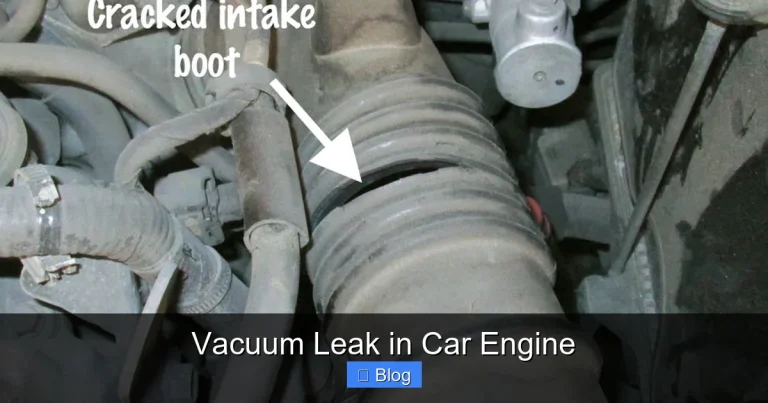
A hissing sound from under the hood may indicate a vacuum leak. This could be from a cracked hose, loose connection, or a damaged pump seal.
Poor Engine Performance
If the EGR or turbo system isn’t getting enough vacuum, you might notice reduced power, rough idling, or increased emissions.
Brake Pedal Sinks Slowly
When you press the brake pedal and it slowly sinks to the floor, it could mean the vacuum booster isn’t holding pressure—possibly due to a failing pump.
How to Maintain Your Car’s Vacuum Pump
Proper maintenance can extend the life of your vacuum pump and prevent unexpected failures.
Inspect Vacuum Hoses Regularly
Check all vacuum lines for cracks, brittleness, or loose connections. Replace damaged hoses with OEM or high-quality replacements.
Listen for Unusual Noises
A whining, grinding, or clicking noise from the pump area could indicate worn internal parts. Have it inspected by a mechanic.
Check Fluid Levels (If Applicable)
Some mechanical vacuum pumps are oil-lubricated. Check the oil level and condition regularly, and change it as recommended by the manufacturer.
Test the Brake Booster
Turn off the engine and press the brake pedal several times to release residual vacuum. Then, press and hold the pedal while starting the engine. If the pedal drops slightly, the booster and pump are working. If not, there may be a problem.
Use a Vacuum Gauge
For a more precise check, use a vacuum gauge to measure pressure at the pump or booster. Compare readings to your vehicle’s specifications.
Can You Drive with a Bad Vacuum Pump?
Technically, yes—but it’s not safe. A failed vacuum pump can make braking much harder, especially at low speeds or in emergencies. It can also affect emissions systems and engine performance. If you suspect a problem, have your vehicle inspected as soon as possible.
In some cases, the car may still run, but you’ll notice reduced power, increased fuel consumption, or warning lights. Never ignore these signs, especially if braking feels different.
Replacing a Vacuum Pump: What to Know
Replacing a vacuum pump is a job for experienced DIYers or professional mechanics. Here’s a general overview:
Step 1: Disconnect the Battery
Always disconnect the negative terminal to prevent electrical shocks or short circuits.
Step 2: Locate the Pump
Refer to your service manual to find the pump and understand its mounting and connections.
Step 3: Remove Vacuum Hoses and Wiring
Carefully disconnect all hoses and electrical connectors. Label them if needed to avoid confusion during reinstallation.
Step 4: Unbolt the Pump
Remove mounting bolts and take out the old pump. Note the orientation for proper installation of the new one.
Step 5: Install the New Pump
Mount the new pump, reconnect hoses and wiring, and tighten all bolts securely.
Step 6: Test the System
Reconnect the battery, start the engine, and test the brakes and other vacuum-dependent systems.
Step 7: Check for Leaks
Listen for hissing sounds and use a smoke machine or soapy water to detect leaks in the vacuum lines.
Troubleshooting Common Vacuum Pump Issues
No Vacuum at All
- Check if the pump is receiving power (for electric types)
- Inspect the drive belt for slippage or breakage (mechanical types)
- Test the pump with a vacuum gauge
Intermittent Vacuum
- Look for loose or cracked hoses
- Check the pump’s internal seals
- Ensure the reservoir tank isn’t damaged
Pump Runs Constantly
- This may indicate a large vacuum leak
- Check all connections and components
- Test the brake booster for internal leaks
Conclusion
The vacuum pump in a car is a small but vital component that supports braking, emissions, and engine performance. While often overlooked, it plays a crucial role in modern vehicles—especially those with turbochargers, diesels, or hybrid systems. Understanding how it works, recognizing failure signs, and performing regular maintenance can keep your car running safely and efficiently. If you’re unsure about any aspect of your vacuum pump, don’t hesitate to consult a trusted mechanic. Your safety and your car’s performance depend on it.