What to Spray on Car Carpet Before Vacuuming? Expert Solutions
Before vacuuming your car carpet, the best thing to spray is a fabric or carpet cleaner spray specifically designed for automotive interiors. These sprays help loosen dirt, dust, crumbs, and stubborn stains, making it easier for your vacuum to lift debris effectively. Some sprays also contain a mild deodorizer to leave your car smelling fresh. Always check the product label to ensure it is safe for car fabrics.
Using a spray before vacuuming also helps protect the carpet fibers. Lightly misting the carpet allows the cleaner to penetrate dirt particles without soaking the fabric, which prevents damage or discoloration. For heavily soiled areas, a little scrubbing with a soft brush can enhance the cleaning effect before vacuuming.
Additionally, certain sprays can help repel future dirt and make regular maintenance easier. Choosing a quality car carpet spray not only improves cleanliness but also extends the life of your vehicle’s interior, keeping it looking neat and fresh longer.
Key Takeaways
- Pre-spraying loosens embedded dirt: A light mist helps dislodge particles deep in carpet fibers, making vacuuming more efficient.
- Use water-based or enzyme cleaners: Avoid harsh chemicals that can damage carpet or leave harmful residues.
- DIY sprays work well: A mix of water, white vinegar, and mild dish soap is affordable and effective for most stains and odors.
- Always test in a hidden area first: Prevent discoloration or damage by testing any spray on a small, inconspicuous spot.
- Let the spray sit before vacuuming: Allow 5–10 minutes for the solution to break down grime before using your vacuum.
- Focus on high-traffic zones: Pay extra attention to driver and passenger footwells where dirt accumulates fastest.
- Regular maintenance prevents buildup: Spraying and vacuuming monthly keeps your car carpet looking and smelling fresh.
Quick Answers to Common Questions
Should I spray the carpet if it’s already wet?
No. Avoid spraying additional liquid on already damp carpet, as this can lead to mold or mildew. Let it dry completely first, then proceed with cleaning.
Can I use carpet shampoo in a spray bottle?
Yes, but only if it’s labeled safe for spot cleaning and diluted properly. Heavy shampoos can leave residue, so rinse lightly with water after if needed.
How often should I spray and vacuum my car carpet?
For most drivers, once a month is sufficient. If you have pets, kids, or drive in muddy conditions, consider doing it every two weeks.
Is it safe to use essential oils in my spray?
Yes, but use sparingly—just a few drops per bottle. Oils like lemon or tea tree add a fresh scent and have mild antibacterial properties, but too much can irritate sensitive skin.
What if I don’t have a spray bottle?
You can use a damp cloth to lightly wipe the carpet, but a spray bottle gives more even coverage. Alternatively, pour a small amount into a bowl and apply with a sponge.
What to Spray on Car Carpet Before Vacuuming: A Complete How-To Guide
Keeping your car’s interior clean isn’t just about appearances—it’s about comfort, hygiene, and preserving your vehicle’s value. One of the most overlooked yet effective steps in car cleaning is spraying the carpet before vacuuming. This simple pre-treatment can make a huge difference in how clean your floors look and smell.
In this guide, you’ll learn exactly what to spray on car carpet before vacuuming, why it works, and how to do it safely and effectively. Whether you’re dealing with muddy footprints, coffee spills, or lingering pet odors, the right spray can lift dirt, neutralize smells, and make vacuuming far more efficient.
We’ll cover DIY solutions, commercial products, application tips, and troubleshooting advice—all designed to help you achieve a spotless, fresh-smelling car interior with minimal effort.
Why Spray Before Vacuuming?
Visual guide about What to Spray on Car Carpet Before Vacuuming
Image source: c8.alamy.com
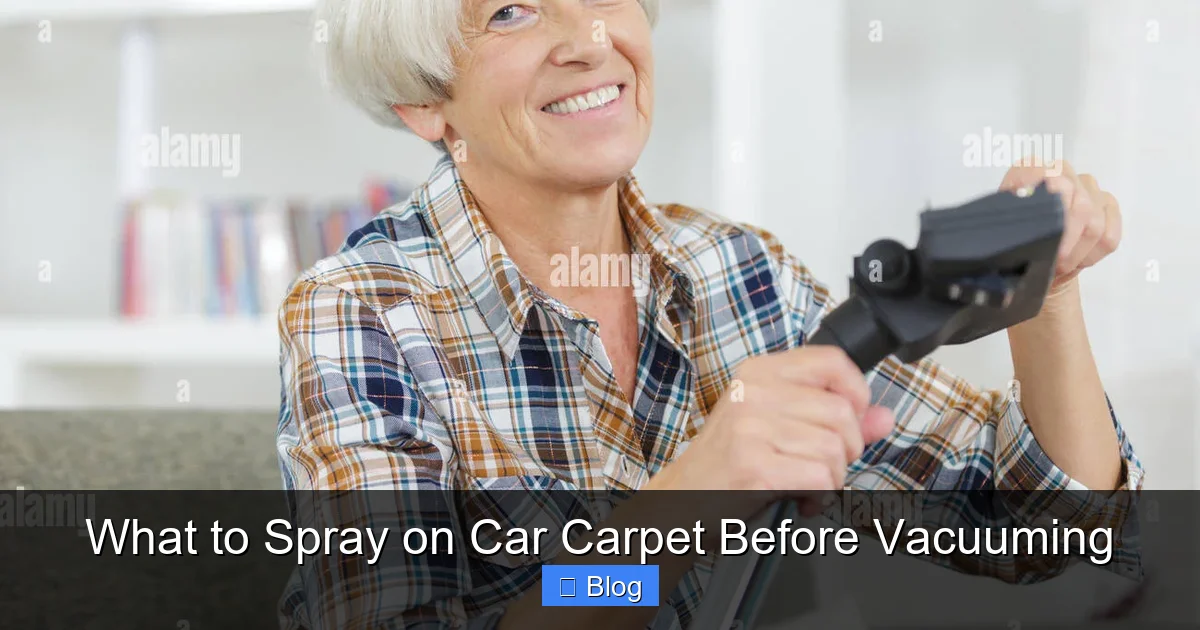
You might be wondering: why spray at all? Can’t you just vacuum and be done? While vacuuming removes surface debris, it often misses the dirt, oils, and odors trapped deep within carpet fibers. That’s where pre-spraying comes in.
When you spray a cleaning solution on the carpet, it does three key things:
- Loosens embedded dirt: Moisture helps break the bond between grime and fibers, making it easier for the vacuum to suck it up.
- Neutralizes odors: Many sprays contain ingredients like vinegar or baking soda that eliminate smells instead of just masking them.
- Prepares stains for removal: If you have dried spills or sticky residues, a quick spray softens them so they can be lifted during vacuuming or wiped away afterward.
Think of it like pre-treating a stain on your clothes before washing. Skipping this step might leave you with a less-than-perfect result.
Best Sprays to Use on Car Carpet
Visual guide about What to Spray on Car Carpet Before Vacuuming
Image source: img.freepik.com
Not all sprays are created equal. Some can leave sticky residues, damage fibers, or emit strong fumes. Here are the safest and most effective options:
1. DIY Vinegar and Water Solution
One of the most popular and affordable options is a simple mix of white vinegar and water. Vinegar is a natural deodorizer and mild disinfectant, making it perfect for eliminating odors and breaking down grime.
Recipe: Mix 1 part white vinegar with 2 parts water in a spray bottle. Add a few drops of mild dish soap for extra cleaning power.
Best for: General cleaning, odor removal, and light stains.
2. Baking Soda Spray
Baking soda is excellent at absorbing odors. While it’s usually used dry, you can make a light spray by dissolving 1 tablespoon of baking soda in 1 cup of warm water. Shake well before use.
Note: This solution works best when followed by a dry baking soda treatment—sprinkle dry baking soda after vacuuming for extra odor control.
3. Enzyme-Based Cleaners
These commercial products use natural enzymes to break down organic matter like food, pet accidents, or sweat. They’re especially effective for tough odors and stains.
Examples: Nature’s Miracle, Rocco & Roxie Stain & Odor Eliminator.
Best for: Pet owners, families, or anyone dealing with stubborn biological stains.
4. Mild All-Purpose Cleaners
Look for water-based, non-toxic cleaners labeled safe for carpets. Avoid anything with bleach, ammonia, or strong solvents, as these can fade colors or damage materials.
Tip: Always dilute concentrated cleaners according to the label instructions.
5. Water Only (for Light Cleaning)
If your carpet just needs a refresh and isn’t stained or smelly, plain water in a spray bottle can do the trick. It’s safe, simple, and effective for loosening light dust and dirt.
Step-by-Step Guide: How to Spray and Vacuum Car Carpet
Follow these steps for a thorough, safe cleaning process.
Step 1: Remove Loose Debris
Before spraying, take out floor mats and shake them out. Use a brush or your hands to remove large pieces of dirt, leaves, or crumbs from the carpet. This prevents clogging your vacuum and ensures the spray works on embedded grime, not surface litter.
Step 2: Choose and Prepare Your Spray
Select one of the sprays mentioned above. If using a DIY mix, shake the bottle well to combine ingredients. For commercial products, follow the label directions—some may require dilution.
Step 3: Test in a Hidden Area
Spray a small amount on an inconspicuous spot, like under the driver’s seat. Wait 5–10 minutes, then blot with a clean cloth. Check for discoloration, fading, or residue. If all looks good, proceed.
Step 4: Apply the Spray Evenly
Hold the spray bottle 6–8 inches above the carpet and mist lightly. Focus on high-traffic areas like the driver and passenger footwells. Avoid soaking the carpet—too much moisture can lead to mold or mildew, especially if the car isn’t well-ventilated.
Pro Tip: Use a spray with a fine mist setting for even coverage without over-wetting.
Step 5: Let It Sit
Allow the spray to work for 5–10 minutes. This gives it time to penetrate fibers, break down dirt, and neutralize odors. For tougher stains, you can gently agitate the area with a soft-bristle brush.
Step 6: Vacuum Thoroughly
Use a powerful vacuum with a crevice tool and upholstery attachment. Go over each section slowly, using overlapping strokes. Pay extra attention to corners and under seats where dirt hides.
Bonus: For deep cleaning, consider using a handheld steam cleaner after vacuuming—heat helps sanitize and lift remaining residue.
Step 7: Air Dry Completely
Leave the car doors open or park in a sunny, well-ventilated area to speed up drying. Never close the car up while the carpet is damp—this can lead to mold and mildew.
Troubleshooting Common Issues
Even with the best intentions, things can go wrong. Here’s how to handle common problems:
Spray Leaves a Sticky Residue
This usually happens when too much soap or undiluted cleaner is used. To fix it, lightly mist the area with water and blot with a clean cloth. Then vacuum again.
Carpet Smells Worse After Cleaning
If odors return or worsen, it could mean moisture is trapped underneath. Ensure the carpet dries completely. For persistent smells, try an enzyme cleaner or sprinkle baking soda, let it sit overnight, then vacuum.
Discoloration or Fading
This is often due to using harsh chemicals or over-saturating the carpet. Always test first and avoid bleach or ammonia-based products. If fading occurs, consult a professional detailer for color restoration options.
Vacuum Isn’t Picking Up Dirt
Your vacuum may not be strong enough, or the spray may have been too light. Try reapplying the spray and letting it sit longer. Also, check that your vacuum filter is clean and the canister isn’t full.
Tips for Maintaining Clean Car Carpets
Prevention is just as important as cleaning. Follow these habits to keep your car carpet looking great:
- Use floor mats: All-weather rubber mats protect carpet from mud, snow, and spills.
- Clean spills immediately: The faster you act, the less likely a stain will set.
- Vacuum weekly: Regular maintenance prevents dirt from building up.
- Rotate mats: Switch front and back mats occasionally to even out wear.
- Deep clean monthly: A full spray-and-vacuum session keeps odors and grime at bay.
Conclusion
Spraying your car carpet before vacuuming is a simple step that delivers big results. It lifts dirt, fights odors, and makes your vacuum more effective—all while helping your car feel fresher and last longer.
Whether you go with a DIY vinegar mix or a trusted enzyme cleaner, the key is consistency and care. Test first, spray lightly, let it work, and vacuum thoroughly. With these tips, you’ll keep your car’s interior looking and smelling like new, no matter the season or the mess.
So next time you reach for the vacuum, don’t forget the spray bottle. Your car—and your nose—will thank you.