Why Does My Car Sound Like a Vacuum?
If your car sounds like a vacuum, it’s likely due to a vacuum leak, intake issue, or faulty PCV system. This guide walks you through diagnosing and fixing the problem step by step.
Why does my car sound like a vacuum? If your car sounds like a vacuum, it’s often due to a vacuum leak in the intake system. Cracks in hoses, a loose intake manifold, or a faulty brake booster can let extra air in, causing a high-pitched whistling or humming sound. Fixing the leak usually restores normal engine noise and performance.
Key Takeaways
- Vacuum leaks are the most common cause: Hissing or whistling noises often come from cracked hoses or loose connections in the intake system.
- Check the PCV valve: A stuck or clogged Positive Crankcase Ventilation valve can create suction-like sounds and affect engine performance.
- Inspect the intake manifold gasket: A worn gasket can allow air to leak, causing a vacuum noise and triggering a check engine light.
- Use soapy water or carb cleaner to find leaks: Spraying around hoses and gaskets while the engine runs can reveal leaks by changing engine sound or RPM.
- Don’t ignore the noise: Even small vacuum leaks can reduce fuel efficiency, increase emissions, and damage engine components over time.
- Listen for changes in sound: A vacuum noise that gets louder under acceleration often points to a larger leak or failing component.
- When in doubt, consult a mechanic: Some leaks are hard to find and may require professional diagnostic tools.
Quick Answers to Common Questions
Tip/Question?
Can a vacuum leak cause poor gas mileage?
Yes! A vacuum leak lets unmetered air into the engine, causing a lean fuel mixture. The engine compensates by using more fuel, which reduces gas mileage.
Tip/Question?
Is it safe to drive with a vacuum leak?
Short trips may be okay, but prolonged driving can damage oxygen sensors, catalytic converters, and engine components. Get it fixed as soon as possible.
Tip/Question?
Why does the noise get louder when I accelerate?
Under acceleration, the engine creates more vacuum. A larger leak or failing component may only become noticeable when vacuum demand increases.
Tip/Question?
Can weather affect vacuum leaks?
Yes. Cold weather can make rubber hoses brittle and more likely to crack. Heat can also degrade gaskets over time.
Tip/Question?
Do electric cars have vacuum systems?
Most don’t use engine vacuum, but some still have vacuum-assisted brakes powered by an electric pump. However, vacuum-like sounds are far less common in EVs.
Why Does My Car Sound Like a Vacuum? A Complete How-To Guide
You’re driving along, and suddenly you hear a strange hissing or whistling sound—like a vacuum cleaner running under the hood. It’s unsettling, especially if you’re not sure what’s causing it. The good news? That “vacuum sound” is usually a sign of a vacuum leak, and while it can be annoying, it’s often fixable with some basic troubleshooting.
In this guide, we’ll walk you through why your car sounds like a vacuum, how to identify the source of the noise, and what you can do to fix it—whether you’re a DIY enthusiast or just want to understand what your mechanic is talking about. We’ll cover the most common causes, step-by-step diagnostic methods, and practical solutions to get your car running quietly and efficiently again.
What Causes a Vacuum-Like Sound in Your Car?
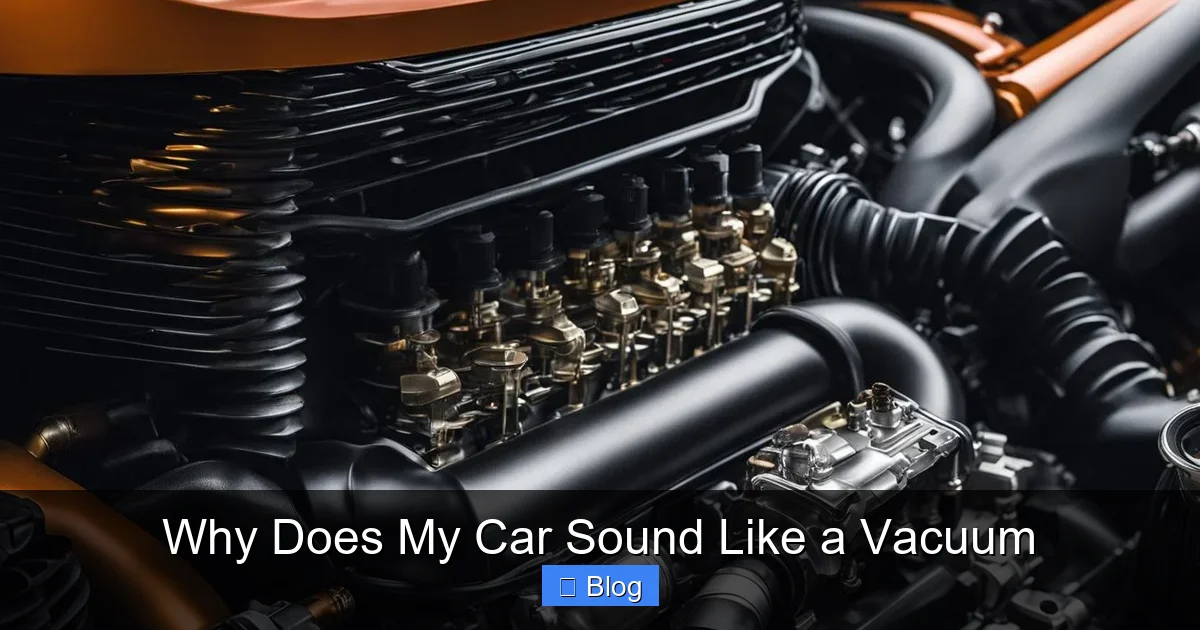
Engines rely on a precise balance of air and fuel to run smoothly. To manage airflow, modern cars use a network of hoses, valves, and gaskets that create a controlled vacuum inside the intake system. When something goes wrong—like a cracked hose or loose connection—outside air sneaks in where it shouldn’t. This creates a hissing or whistling noise that sounds just like a vacuum cleaner.
Visual guide about Why Does My Car Sound Like a Vacuum
Image source: cdn.shopify.com
The most common culprits include:
- Cracked or disconnected vacuum hoses
- Faulty PCV (Positive Crankcase Ventilation) valve
- Leaking intake manifold gasket
- Damaged throttle body gasket
- Worn brake booster diaphragm
Even a small leak can cause big problems over time, so it’s important to address the issue quickly.
Step 1: Listen Carefully to Locate the Noise
Before you start pulling parts apart, take a moment to listen. The sound might seem like it’s coming from everywhere, but with a little patience, you can narrow it down.

Visual guide about Why Does My Car Sound Like a Vacuum
Image source: autoily.com
Where to Listen
- Under the hood: Open the hood and have someone start the engine while you listen near the intake manifold, throttle body, and around vacuum hoses.
- At idle vs. acceleration: Does the noise get louder when you press the gas? That often points to a larger leak or a failing component under load.
- Near the firewall: The brake booster and PCV system are often located here and can produce vacuum-like sounds if damaged.
Tip: Use a Stethoscope or Screwdriver
If you have a mechanic’s stethoscope, use it to pinpoint the source. No stethoscope? A long screwdriver can work in a pinch—place the handle to your ear and touch the metal tip to different components. Be careful not to touch moving parts!
Step 2: Inspect Vacuum Hoses and Connections
Vacuum hoses are small rubber tubes that carry air throughout the engine. Over time, they can dry out, crack, or become disconnected—especially in older vehicles.
How to Check Hoses
- Turn off the engine and let it cool.
- Visually inspect all vacuum hoses for cracks, splits, or brittleness.
- Gently squeeze each hose—if it feels hard or crumbly, it’s time to replace it.
- Check connections at both ends. Are they tight? Is there any residue or soot (a sign of a leak)?
Common Hose Locations
- From the intake manifold to the PCV valve
- From the intake to the brake booster
- Connected to the EGR valve, EVAP canister, or MAP sensor
If you find a damaged hose, replace it with the same size and type. Most auto parts stores can help you match the right replacement.
Step 3: Test the PCV Valve
The PCV valve regulates pressure in the engine crankcase by routing blow-by gases back into the intake. If it’s stuck open or clogged, it can create a vacuum leak and that telltale hissing sound.
How to Check the PCV Valve
- Locate the PCV valve—usually on the valve cover, connected by a hose.
- Remove the valve and shake it. You should hear a rattle. If it’s silent, it’s likely clogged.
- Inspect the hose connected to it for cracks or blockages.
- Replace the valve if it’s old or not functioning (most cost under $20).
Bonus Tip: The Engine Oil Test
With the engine running, carefully remove the oil filler cap and place a piece of cardboard over the opening. If the cardboard is sucked down tightly, your PCV system is working. If there’s little or no suction, the valve may be faulty.
Step 4: Check the Intake Manifold Gasket
The intake manifold distributes air to the cylinders. It’s sealed with a gasket that can wear out over time, especially in high-heat environments. A leaking gasket allows air to enter the system, creating a vacuum noise.
Signs of a Bad Intake Gasket
- Hissing sound near the top of the engine
- Rough idle or stalling
- Check engine light with codes like P0171 (system too lean)
- Coolant or oil leaks around the manifold
How to Diagnose
This one’s trickier to test at home. You can try the “carb cleaner test”:
- With the engine running, spray small amounts of carburetor cleaner around the intake manifold gasket.
- If the engine RPM increases or the sound changes, you’ve found a leak.
- ⚠️ Caution: Use in a well-ventilated area and avoid open flames—carb cleaner is flammable.
If you suspect a leaking intake gasket, it’s best to consult a mechanic. Replacing it requires removing the manifold and can be labor-intensive.
Step 5: Inspect the Brake Booster
The brake booster uses engine vacuum to assist braking. If its diaphragm is torn or the check valve fails, you might hear a hissing sound—especially when you press the brake pedal.
How to Test
- Start the engine and let it idle.
- Press the brake pedal several times until it feels firm.
- Hold the pedal down and turn off the engine.
- If the pedal slowly sinks, the booster may be leaking.
A failing brake booster can reduce braking power and should be repaired immediately for safety.
Step 6: Use the Soapy Water Test for Small Leaks
For tiny leaks that are hard to hear, the soapy water test is a simple and effective method.
How It Works
- Mix dish soap with water in a spray bottle.
- With the engine running, spray the solution around suspected areas (hoses, gaskets, throttle body).
- If bubbles form, you’ve found a leak.
This method is safe, inexpensive, and works well for pinpointing elusive leaks.
Troubleshooting Tips and Common Mistakes
Even experienced DIYers can miss things. Here are some tips to avoid common pitfalls:
- Don’t ignore the check engine light: A vacuum leak often triggers lean fuel mixture codes. Use an OBD2 scanner to check for trouble codes.
- Replace hoses in sets: If one hose is cracked, others may be close to failing. Consider replacing all vacuum hoses if your car is over 10 years old.
- Use OEM or high-quality parts: Cheap gaskets and valves may fail prematurely.
- Be patient: Some leaks only appear under specific conditions, like high engine load or temperature.
When to Call a Mechanic
While many vacuum leaks are DIY-friendly, some situations call for professional help:
- You can’t locate the source of the noise
- The intake manifold or head gasket is suspected
- You’re not comfortable working on the engine
- The check engine light stays on after repairs
A mechanic has access to smoke machines and pressure testers that can detect even the smallest leaks.
Conclusion
Hearing your car sound like a vacuum can be alarming, but it’s usually a sign of a fixable issue—most commonly a vacuum leak. By listening carefully, inspecting hoses and valves, and using simple tests like soapy water or carb cleaner, you can often identify and resolve the problem yourself.
Remember: even small leaks can affect performance, fuel economy, and emissions. Don’t ignore that hissing sound. With the steps in this guide, you’ll be able to diagnose the issue confidently and get your car back to running quietly and efficiently.
And if you’re ever in doubt, there’s no shame in calling a pro. Your safety and your car’s health are worth it.