
What Does a Vacuum Line Do in a Car?
A vacuum line in a car is a hose that carries engine vacuum to operate and control various components, helping systems like the brakes, emissions controls, and engine functions work properly. What does a vacuum line do in a car? It uses the engine’s vacuum pressure to move air and signals between different parts, enabling components such as the brake booster, EGR valve, and sensors to function efficiently. Without a working vacuum line, many of these systems would not operate correctly, leading to performance and safety issues.
Vacuum lines are usually made of rubber or plastic and are connected throughout the engine bay. Over time, they can wear out, crack, or become loose due to heat and engine vibration. When this happens, vacuum leaks may occur, causing rough idling, engine misfires, reduced fuel efficiency, or even a check engine light.
Maintaining and inspecting vacuum lines regularly helps ensure smooth engine operation. Replacing damaged lines promptly keeps the vehicle running efficiently and prevents further mechanical problems.
Key Takeaways
- Vacuum lines carry engine vacuum to control systems: They deliver vacuum pressure from the intake manifold to components like the brake booster, EGR valve, and PCV system.
- They improve engine efficiency and emissions: Proper vacuum operation ensures optimal air-fuel mixture and reduces harmful exhaust emissions.
- Cracked or disconnected lines cause performance issues: Symptoms include rough idle, poor fuel economy, and warning lights on the dashboard.
- Regular inspection prevents major problems: Checking vacuum lines during routine maintenance can catch wear before it leads to breakdowns.
- Replacing vacuum lines is simple and affordable: Most lines cost under $20 and can be replaced in under an hour with basic tools.
- Use the right hose material: Always replace with fuel- and oil-resistant vacuum hose, not standard rubber tubing.
- Proper routing matters: Lines must be routed away from heat sources and sharp edges to avoid damage.
Quick Answers to Common Questions
Tip/Question?
Can I use regular rubber hose instead of vacuum hose?
No—regular rubber hose isn’t designed to handle fuel vapors, oil, or constant suction. Always use fuel- and oil-resistant vacuum hose to prevent swelling, cracking, or failure.
Tip/Question?
How often should I check my vacuum lines?
Inspect them every 6–12 months or during routine maintenance like oil changes. Replace them every 5–7 years as a preventive measure.
Tip/Question?
Will a vacuum leak always trigger a check engine light?
Not always. Small leaks may not be detected by the ECU, but they can still cause rough idle, poor fuel economy, or hard braking.
Tip/Question?
Can I drive with a vacuum leak?
You can, but it’s not recommended. A leak can worsen over time, damage engine components, and increase emissions. Fix it as soon as possible.
Tip/Question?
Do electric cars have vacuum lines?
Some do. Even though they lack traditional engines, many EVs use vacuum-assisted brakes and may have vacuum pumps to support the brake booster.
What Does a Vacuum Line Do in a Car?
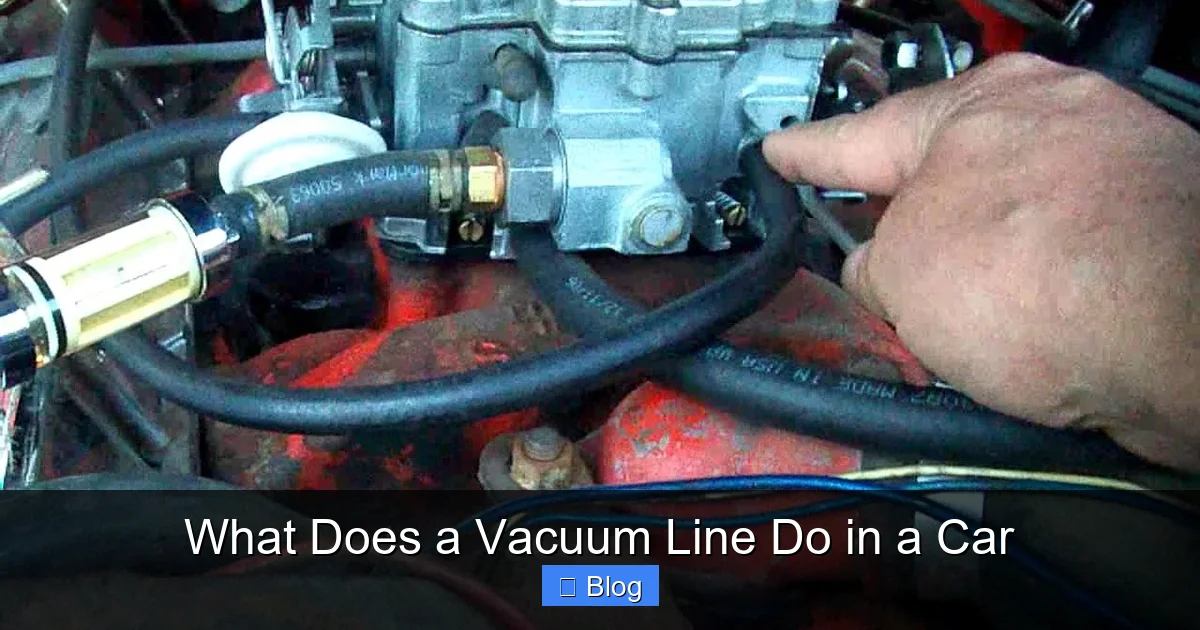
If you’ve ever popped the hood of your car and seen a tangle of small rubber hoses snaking around the engine, you’ve likely encountered vacuum lines. These unassuming tubes play a surprisingly important role in how your car runs. But what exactly does a vacuum line do in a car? In simple terms, vacuum lines transport engine vacuum—created by the intake manifold—to various components that rely on this suction to function properly.
From helping your brakes work smoothly to controlling emissions, vacuum lines are essential for both performance and environmental compliance. In this guide, we’ll break down how vacuum lines work, why they matter, how to spot problems, and how to maintain or replace them. Whether you’re a DIY enthusiast or just curious about your car’s inner workings, this guide will give you the knowledge you need to keep your vehicle in top shape.
How Engine Vacuum Works
Before diving into vacuum lines, it helps to understand where engine vacuum comes from. When your engine runs, the pistons move down during the intake stroke, creating a partial vacuum (or low pressure) in the intake manifold. This vacuum is a natural byproduct of the combustion process and is used to power several engine systems.
Think of it like sucking air through a straw—your engine creates a similar suction effect. This vacuum is strong enough to pull in air and fuel, but it’s also harnessed to operate mechanical and pneumatic components throughout the vehicle. Vacuum lines act as the delivery system, channeling this suction to where it’s needed.
Key Functions of Vacuum Lines
Vacuum lines aren’t just random hoses—they serve specific, vital functions. Here are the main systems that rely on vacuum lines:
Brake Booster
The most common use of vacuum is in the brake booster. When you press the brake pedal, the booster uses engine vacuum to multiply the force you apply, making braking easier. Without proper vacuum, your brakes would feel hard and require much more effort to stop the car.
Visual guide about What Does a Vacuum Line Do in a Car
Image source: i.ytimg.com

Visual guide about What Does a Vacuum Line Do in a Car
Image source: mychway.com
EGR Valve (Exhaust Gas Recirculation)
The EGR valve reduces nitrogen oxide emissions by recirculating a small amount of exhaust gas back into the combustion chamber. Vacuum lines control when and how much gas is redirected, helping your car meet emissions standards.
PCV System (Positive Crankcase Ventilation)
The PCV system prevents harmful blow-by gases from escaping into the atmosphere by routing them back into the intake manifold. A vacuum line helps regulate this flow, keeping the engine clean and efficient.
Evaporative Emissions Control (EVAP)
The EVAP system captures fuel vapors from the gas tank and sends them to the engine to be burned. Vacuum lines help control when these vapors are purged into the intake, reducing fuel smell and emissions.
Turbocharger and Supercharger Systems
In forced-induction engines, vacuum lines help manage boost pressure and operate wastegates or bypass valves. They ensure the system responds correctly to throttle changes and engine load.
HVAC Controls
In older vehicles, vacuum lines control the climate control system, directing air to different vents based on your settings. A loss of vacuum can cause the system to default to defrost mode.
Common Symptoms of Vacuum Line Problems
Because vacuum lines are critical to so many systems, a leak or failure can cause noticeable issues. Here are the most common signs that your vacuum lines need attention:
- Rough or erratic idle: A vacuum leak can cause the engine to run unevenly, especially at idle.
- Hard braking: If the brake booster isn’t getting enough vacuum, the pedal will feel stiff.
- Check Engine Light: Modern cars monitor vacuum levels, and a leak can trigger diagnostic trouble codes like P0171 (system too lean).
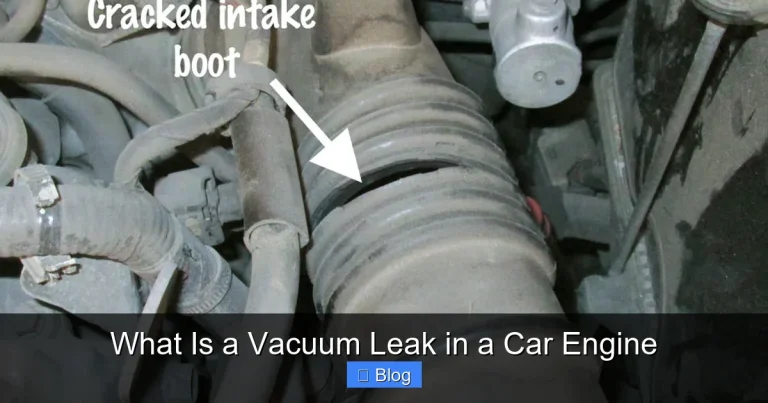
- Hissing noise under the hood: A cracked or disconnected line may produce a noticeable hiss, especially when the engine is running.
- Poor fuel economy: Unmetered air entering the engine through a leak can throw off the air-fuel ratio, reducing efficiency.
- Engine hesitation or stalling: Severe vacuum leaks can cause the engine to stumble or even shut off unexpectedly.
How to Inspect Vacuum Lines
Regular inspection is the best way to prevent vacuum line issues. Here’s a step-by-step guide to checking your lines:
Step 1: Locate the Vacuum Lines
Open the hood and look for small-diameter rubber hoses (usually 3–6mm) connected to the intake manifold, throttle body, and various engine components. They’re often black or colored and may be bundled together.
Step 2: Visual Inspection
Look for cracks, brittleness, swelling, or disconnected ends. Pay special attention to areas near heat sources like the exhaust manifold or radiator.
Step 3: Feel for Soft or Hard Spots
Gently squeeze the hoses. They should feel firm but flexible. If they’re sticky, soft, or hard and brittle, they’re likely degraded and need replacement.
Step 4: Check Connections
Make sure all lines are securely attached. A loose connection can cause a vacuum leak even if the hose itself is intact.
Step 5: Listen for Hissing
With the engine running, listen near the lines for a hissing sound. Use a piece of paper or your hand (carefully) to feel for air escaping—don’t touch hot components.
How to Replace a Vacuum Line
Replacing a vacuum line is a simple DIY task that requires minimal tools. Here’s how to do it safely and correctly:
Step 1: Identify the Faulty Line
Use your inspection to pinpoint the damaged or leaking hose. Trace it from end to end to understand its routing.
Step 2: Note the Routing
Take a photo or sketch the line’s path before removing it. This ensures you reinstall the new line correctly.
Step 3: Remove the Old Line
Gently twist and pull the hose off the fittings. Avoid yanking, as this can damage ports. If it’s stuck, use a small flathead screwdriver to loosen it.
Step 4: Cut the New Hose to Length
Use a sharp knife or tubing cutter to cut the replacement hose to the correct length. Leave a little extra to ensure a snug fit.
Step 5: Install the New Line
Push the new hose firmly onto each fitting until it seats completely. Make sure it’s not kinked or bent sharply.
Step 6: Test the Repair
Start the engine and listen for leaks. Check that all systems (brakes, idle, etc.) are working properly.
Troubleshooting Vacuum Issues
Even after replacing lines, problems may persist. Here’s how to dig deeper:
Use a Vacuum Gauge
A vacuum gauge connects to the intake manifold and shows real-time vacuum levels. Normal readings are 17–22 inches of mercury (inHg) at idle. Lower readings may indicate leaks or mechanical issues.
Perform a Smoke Test
A smoke machine fills the intake system with smoke to reveal leaks. This is a professional method but highly effective for hard-to-find leaks.
Check for Other Causes
Sometimes, symptoms mimic vacuum leaks. A faulty MAF sensor, bad O2 sensor, or intake gasket leak can cause similar issues. Rule these out with a scan tool.
Maintenance Tips for Vacuum Lines
Prevention is better than repair. Follow these tips to keep your vacuum lines in great condition:
- Inspect during oil changes: Add vacuum line checks to your regular maintenance routine.
- Replace hoses every 5–7 years: Rubber degrades over time, even if it looks fine.
- Use quality replacement hoses: Choose fuel- and oil-resistant vacuum hose, not standard rubber tubing.
- Avoid heat and sharp edges: Route lines away from exhaust components and metal edges.
- Label complex systems: On older cars with many lines, label them during removal to avoid confusion.
Conclusion
So, what does a vacuum line do in a car? It’s far more than just a piece of rubber tubing. Vacuum lines are the silent workhorses that help your engine run efficiently, your brakes respond smoothly, and your car meet emissions standards. While they’re often overlooked, a simple crack or disconnection can lead to serious performance issues.
By understanding their role and learning how to inspect and maintain them, you can save money on repairs, improve fuel economy, and keep your car running reliably. Whether you’re troubleshooting a rough idle or just staying ahead of maintenance, paying attention to your vacuum lines is a smart move for any car owner.