
What Is the Strongest Suction Car Vacuum?
The strongest suction car vacuum is designed to remove dirt, dust, and debris from every corner of your vehicle quickly and efficiently. These vacuums usually combine powerful motors with specialized nozzles to reach tight spaces, making cleaning faster and more thorough. If you want a spotless car interior, choosing a vacuum with high suction power is essential.
When looking for the strongest suction car vacuum, consider factors like corded vs. cordless design, battery life, and portability. Some models come with HEPA filters to trap fine particles, while others include attachments for carpets, seats, and vents. Strong suction ensures even stubborn dirt, pet hair, and crumbs are removed without repeated effort.
Investing in a high-quality car vacuum saves time and keeps your vehicle cleaner for longer. By focusing on suction power, durability, and versatility, you can maintain a fresh, well-kept car interior with minimal effort.
What Is the Strongest Suction Car Vacuum
Every car owner dreams of a spotless interior, free from crumbs, pet hair, dust, and stubborn dirt. But achieving that pristine look often hinges on one crucial tool: a powerful car vacuum. Yet, when you start shopping, you’re hit with a barrage of specifications—watts, amps, kPa, CFM, Air Watts—and it can feel like deciphering a secret code. So, what is the strongest suction car vacuum, and how do you even begin to find it?
This comprehensive guide will demystify the world of car vacuum suction. We’ll break down the technical jargon into simple terms, help you understand what truly makes a car vacuum powerful, and guide you through choosing, using, and maintaining the best high-suction model for your vehicle. By the end, you’ll be equipped with the knowledge to make an informed decision and keep your car’s interior looking factory-fresh.
Key Takeaways
- Understand Key Metrics: True suction power is best measured by Air Watts (AW) and Cubic Feet per Minute (CFM), not just motor wattage. These metrics indicate effective cleaning capability.
- Corded vs. Cordless Power: While cordless offers convenience, corded car vacuums typically provide more consistent and stronger sustained suction, especially for heavy-duty tasks.
- Filters and Attachments are Crucial: A clean, high-quality filter maintains suction, and specialized attachments (crevice tools, brush nozzles) are essential for tackling different types of dirt and reaching tight spaces effectively.
- Regular Maintenance is Key: To preserve your car vacuum’s strong suction, regularly clean or replace filters and empty the dustbin. Neglecting these steps is a primary cause of performance loss.
- Match Your Needs: The “strongest” vacuum for one person might not be for another. Consider your typical messes, vehicle size, and desired portability when choosing your ideal high-suction car vacuum.
- Troubleshooting is Simple: Most suction issues can be resolved by checking for clogs in the hose or nozzle, ensuring the dustbin is properly seated, or charging the battery (for cordless models).
Quick Answers to Common Questions
Air Watts vs. Motor Watts for Suction?
Always prioritize Air Watts (AW) when evaluating suction strength. While motor watts indicate electrical consumption, Air Watts directly measure the effective cleaning power, combining both airflow and suction force at the nozzle.
Corded or Cordless for Maximum Suction?
For the absolute strongest and most consistent suction, corded car vacuums generally outperform cordless models. They receive uninterrupted power, allowing for higher Air Watt ratings and longer, more demanding cleaning tasks without power fade.
How Often Should I Clean My Car Vacuum’s Filter?
To maintain peak suction, clean or replace your car vacuum’s filter after every 1-3 uses, especially if you’re tackling heavy dirt or pet hair. A clogged filter is the most common reason for a noticeable drop in suction power.
Can Attachments Really Improve Suction Effectiveness?
Absolutely! The right attachment focuses and directs the vacuum’s strong suction precisely where it’s needed. A crevice tool intensifies suction for tight gaps, while a brush tool agitates and lifts embedded dirt from upholstery, making cleaning more efficient.
Why is My Strong Suction Car Vacuum Losing Power?
Most suction loss issues are easily fixable. Check for a full dustbin, a clogged filter, or a blockage in the hose or nozzle. For cordless models, ensure the battery is fully charged. Addressing these common problems will often restore your vacuum’s strong suction.
1. Demystifying Car Vacuum Suction: What Makes it “Strong”?
It’s easy to assume that a higher “wattage” means stronger suction, but that’s not always the full picture. The true measure of a car vacuum’s cleaning prowess involves a combination of factors. Let’s explore them.
Understanding Key Suction Metrics
- Air Watts (AW): The Real Measure of Cleaning PowerIf there’s one metric to pay close attention to, it’s Air Watts. Air Watts represent the actual effective cleaning power of a vacuum. It’s a combination of airflow (CFM) and suction (water lift/kPa), showing how much air is moved and how much power is available to lift debris. A higher Air Watt rating generally means a more powerful vacuum that can pick up heavier, more embedded dirt.
- Cubic Feet per Minute (CFM): The Airflow KingCFM measures the volume of air that the vacuum moves per minute. High CFM is excellent for picking up light, bulky debris like leaves, pet hair, and cereal. It indicates how quickly the vacuum can clear an area. For large-area cleaning, high CFM is your friend.
- Kilopascals (kPa) / Inches of Water Lift: The Suction StrengthkPa (kilopascals) or “inches of water lift” measures the maximum suction force a vacuum can create. This metric tells you how well a vacuum can pull air through resistance, making it crucial for lifting heavy debris, extracting dirt from deep carpets, and tackling embedded grime. A higher kPa means more intense pulling power.
- Motor Watts (W): Don’t Be FooledMotor watts indicate the electrical power consumed by the motor, not necessarily the cleaning power delivered at the nozzle. A vacuum might have a high motor watt rating but be inefficient at converting that power into effective suction due to poor design. Always look for Air Watts, CFM, and kPa for a clearer picture of performance.
The Power Source: Corded vs. Cordless
The power source plays a significant role in determining how strong and consistent a car vacuum’s suction will be.
- Corded Car Vacuums: Uninterrupted Powerhouse
- Pros: Corded vacuums, typically plugging into a standard wall outlet or your car’s 12V socket, offer consistent, strong, and often superior suction power. They don’t lose power as a battery drains, making them ideal for long cleaning sessions and heavy-duty messes. Many of the truly strongest suction car vacuums are corded.
- Cons: Limited by cord length, requiring an extension cord or access to an outlet. Less portable than cordless options.
- Cordless Car Vacuums: Convenience On-the-Go
- Pros: Unbeatable portability and convenience. Perfect for quick clean-ups, reaching every corner of your car without worrying about outlets.
- Cons: Suction power can be lower than corded models and may diminish as the battery drains. Battery life is a limiting factor for extensive cleaning. While some premium cordless models offer impressive suction, they rarely match the sustained peak power of their corded counterparts.
Beyond Raw Power: Filters, Attachments, and Design
Even the most powerful motor won’t guarantee a clean car if other elements aren’t up to par.
- Filters: The Lungs of Your VacuumA clean, efficient filter is vital for maintaining suction. Clogged filters dramatically reduce airflow and, consequently, suction power. Look for vacuums with washable or easily replaceable filters. HEPA filters are excellent for trapping allergens and fine dust, improving air quality.
- Attachments: Specialized Tools for Specialized DirtThe right attachment can significantly enhance the effectiveness of even moderate suction. A narrow crevice tool focuses airflow for tight spaces, while a brush attachment agitates dirt from carpets. A flexible hose can make reaching under seats much easier. A strong suction car vacuum is only as good as its ability to apply that suction where it’s needed.
- Design & Build Quality: Durability and EfficiencyA well-designed vacuum will minimize air leaks, ensuring that all the motor’s power is directed to the nozzle. Durable construction also means better seals and components that hold up to rigorous use, maintaining optimal suction over time.
2. Identifying Top Contenders for Strongest Suction Car Vacuums
With a better understanding of the metrics, how do you spot a truly strong suction car vacuum?

Visual guide about What Is the Strongest Suction Car Vacuum
Image source: m.media-amazon.com
What to Look for in High-Performance Models
- High Air Watts/CFM/kPa: Prioritize vacuums that clearly state these metrics, especially Air Watts. Aim for at least 100+ Air Watts for impressive performance, or high CFM/kPa values if Air Watts aren’t specified.
- Robust Motor and Fan Design: These are the core components. Research reviews for reliability and sustained performance.
- Durable Construction with Good Seals: Leaks anywhere in the system (hose, dustbin, attachments) will reduce effective suction.
- Versatile and Effective Attachments: A good array of tools for different surfaces and tight spots.
- Efficient Filtration System: Multi-stage filtration or HEPA filters ensure fine dust is captured and the motor is protected.
- Large Dustbin Capacity: Less frequent emptying, which helps maintain consistent suction.
Categories of Strong Suction Car Vacuums
While we won’t recommend specific brands (as models change rapidly), we can highlight categories that consistently offer the strongest suction:
Professional-Grade & Shop Vacs
These are often the undisputed kings of suction. Designed for heavy-duty cleaning in workshops, garages, and professional detailing, they boast powerful motors, large capacities, and extremely high Air Watts and CFM. Many detailers use compact shop vacuums for their cars due to their immense power. They are corded and can be bulky, but their performance for deeply embedded dirt is unmatched.
High-Performance Corded Car Vacuums
Specifically designed for automotive use, these vacuums plug into either a standard wall outlet or your car’s 12V socket. The best ones offer strong, consistent suction, often with dedicated car-cleaning attachments. Look for models with high Air Watt ratings and reputable brands known for quality motors. They strike a good balance between power and portability for car use.
Premium Cordless Handhelds
While generally not as powerful as corded or shop vacs, the top-tier cordless handheld car vacuums have made significant strides. Brands known for their home cordless stick vacuums often produce powerful handheld versions that can deliver strong bursts of suction. These are fantastic for convenience and quick cleans, but scrutinize battery life and peak suction claims.
3. How to Choose the Best Strong-Suction Car Vacuum for Your Needs
The “strongest” isn’t always the “best” for everyone. Here’s how to pick the right one for you.
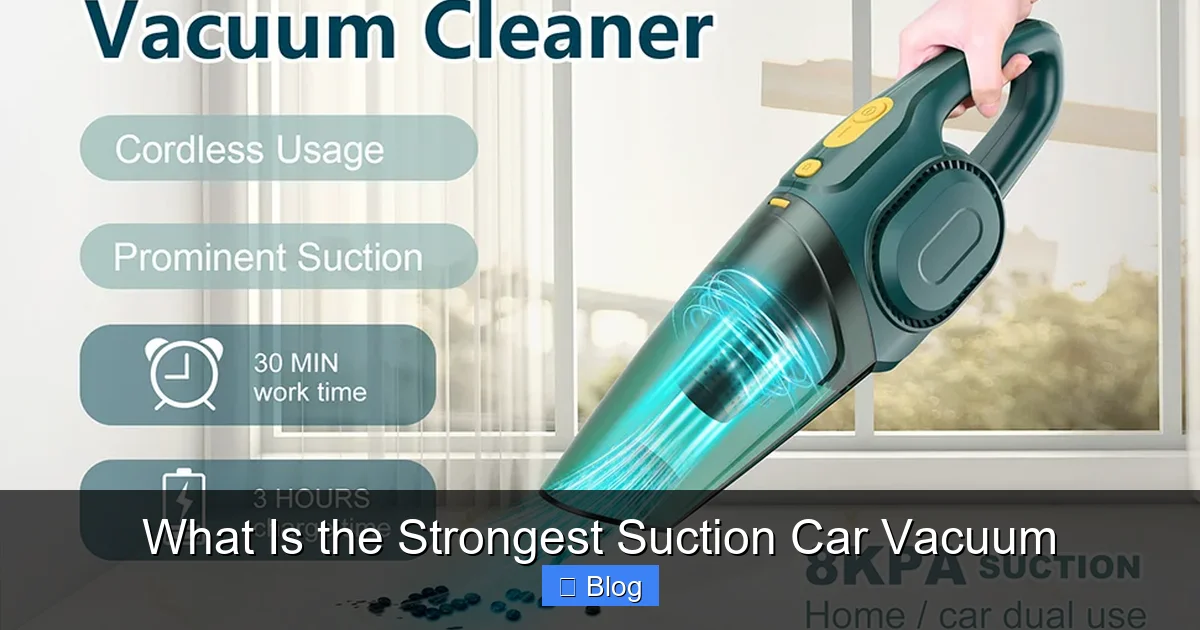
Visual guide about What Is the Strongest Suction Car Vacuum
Image source: m.media-amazon.com
Assess Your Cleaning Habits and Car Type
- What kind of messes do you typically deal with?
- Light dust, crumbs, occasional pet hair: A good cordless handheld might suffice.
- Embedded dirt, sand, heavy pet hair, frequent detailing: You’ll need a corded model or a compact shop vac for serious suction power.
- How often do you clean your car?
- Daily/Weekly quick cleans: Cordless convenience is key.
- Monthly deep cleans: A corded vacuum will provide the necessary sustained power.
- What type of car do you have?
- Small sedan: Easier to clean with most vacuums.
- SUV/Minivan with multiple rows of seating: Requires longer hoses, more powerful suction for larger areas, and often the ability to reach deep into crevices.
Consider Power Source and Portability
- Do you have easy access to a power outlet near your car? If yes, a corded vacuum offers superior, consistent power.
- Is portability your top priority? If you want to clean your car anywhere, anytime, a cordless model is essential. Just be aware of potential compromises in sustained strong suction.
Evaluate Attachments and Features
- Crevice tools: Absolutely essential for tight spots, door pockets, and under seats.
- Brush tools: Great for agitating and lifting dirt from carpets and upholstery.
- Hoses: A flexible extension hose can significantly improve reach and maneuverability.
- Wet/dry capability: Useful if you often deal with spills.
- LED lights: Some nozzles have lights to illuminate dark areas under seats.
Set a Realistic Budget
Stronger suction often comes with a higher price tag. Determine how much you’re willing to invest, keeping in mind that a durable, powerful vacuum can be a long-term investment in your car’s cleanliness.
4. Maximizing Your Car Vacuum’s Suction Power (and Cleaning Effectiveness)
Having a strong suction car vacuum is one thing; using it effectively to get the best results is another. Here are tips to ensure you’re always getting maximum cleaning power.
Pre-Cleaning Preparation
Before you even turn on the vacuum, do some prep work. Remove large debris, floor mats, and any loose items. This prevents clogs and allows the vacuum to focus its strong suction on fine dirt and dust.
Use the Right Technique
Don’t just wave the nozzle around. Work in small sections, using slow, overlapping passes. For carpets, press down slightly and move slowly to allow the strong suction to pull dirt from deep within the fibers. For stubborn spots, use a brush attachment to agitate the dirt before vacuuming.
Regular Filter Maintenance
This is arguably the most critical step for maintaining strong suction. A clogged filter chokes the vacuum’s airflow, severely reducing its power.
- For washable filters: Rinse them thoroughly with water and allow them to air dry completely before reinserting.
- For disposable filters: Replace them as recommended by the manufacturer.
- Shake out filters: Even washable filters benefit from a good shake after each use to dislodge loose dust.
Empty the Dustbin Frequently
A full dustbin restricts airflow and reduces suction, much like a clogged filter. Empty it after every significant cleaning session, or whenever it reaches the “max fill” line. For a truly strong suction car vacuum, a clear path for air and debris is paramount.
Utilize Attachments Wisely
Don’t just use the wide nozzle for everything.
- Crevice tool: For between seats, console gaps, and tight corners.
- Brush attachment: For carpets, floor mats, and upholstery to lift embedded dirt.
- Dusting brush: For delicate surfaces like dashboards and vents.
The right attachment focuses the strong suction precisely where it’s needed, making your cleaning far more effective.
5. Troubleshooting Common Low Suction Issues
Even the strongest suction car vacuum can sometimes underperform. Before you assume it’s broken, check these common culprits:
Clogged Filter
Symptom: Vacuum motor sounds fine, but little to no pickup.
Fix: Remove and clean/replace the filter. This is the most frequent cause of lost suction. Ensure it’s completely dry if washable.
Full or Improperly Seated Dustbin
Symptom: Similar to a clogged filter, weak or no suction.
Fix: Empty the dustbin completely. Also, double-check that the dustbin or collection cup is securely latched and properly seated on the vacuum body. A tiny gap can cause significant suction loss.
Blocked Hose or Nozzle
Symptom: Sudden loss of suction, sometimes with a change in motor sound.
Fix: Disconnect attachments and inspect the hose and nozzle for any lodged debris (leaves, large crumbs, toys). Clear any blockages carefully, perhaps with a broom handle or a long stick (ensure the vacuum is off and unplugged).
Poor Seals or Gaskets
Symptom: Vacuum motor sounds strained, but suction is weak, and you might hear a hissing sound.
Fix: Inspect all seals around the dustbin, hose connections, and attachments. If gaskets are cracked or missing, they may need replacement. This is less common but can happen with older or heavily used models.
Battery-Related Issues (Cordless Models)
Symptom: Suction weakens quickly, or the vacuum doesn’t run for long.
Fix: Ensure the battery is fully charged. Over time, batteries can degrade and hold less charge, impacting peak power and run time. If the battery is old and consistently underperforms, it might be time for a replacement battery pack.
Conclusion: Invest in Cleanliness, Sustain the Suction
Finding the strongest suction car vacuum isn’t just about buying the most expensive model; it’s about understanding what true power means in a vacuum and aligning it with your specific cleaning needs. By focusing on metrics like Air Watts, CFM, and kPa, considering your power source preferences, and recognizing the importance of filters and attachments, you can make an informed decision.
Remember, even the most powerful vacuum will underperform without proper care. Regular maintenance—cleaning filters, emptying dustbins, and checking for blockages—is paramount to preserving that strong suction over time. Invest wisely, maintain diligently, and you’ll enjoy a consistently spotless car interior that reflects pride in your ride. Happy cleaning!