Should I Vacuum or Wash My Car First
Discover the right sequence for cleaning your car: vacuuming before washing prevents dirt from scratching the paint. This guide explains why order matters, how to do each step properly, and tips for a professional-level clean at home.
Key Takeaways
- Vacuum first: Removing interior dirt and debris before washing prevents tracking grime onto clean surfaces.
- Wash the exterior after vacuuming: This avoids cross-contamination and ensures a thorough clean.
- Use proper tools: Microfiber towels, soft brushes, and pH-balanced car soap protect your vehicle’s finish.
- Work top to bottom: Always wash from the roof down to prevent dirty water from dripping onto clean areas.
- Dry immediately: Use a clean microfiber drying towel to prevent water spots and mineral deposits.
- Maintain regularly: Frequent cleaning preserves your car’s value and appearance.
- Avoid common mistakes: Never use household cleaners or abrasive cloths—they can damage paint and interiors.
Quick Answers to Common Questions
Tip/Question?
Can I wash my car in direct sunlight?
No—washing in direct sunlight causes soap and water to dry too quickly, leaving streaks and water spots. Always wash in the shade or during cooler parts of the day.
Tip/Question?
Do I need special soap for my car?
Yes. Household detergents strip wax and can damage paint. Use a pH-balanced car wash soap designed for automotive finishes.
Tip/Question?
How often should I clean my car?
Wash the exterior every 2–4 weeks and vacuum the interior monthly. Adjust based on weather, driving conditions, and how much you use your car.
Tip/Question?
Can I use a pressure washer?
Yes, but use a low-pressure setting (under 1200 PSI) and keep the nozzle at least 12 inches from the surface to avoid damaging paint or seals.
Tip/Question?
Should I clean the engine bay?
Only if necessary and with caution. Use a degreaser and low-pressure rinse. Avoid electrical components and cover sensitive areas with plastic.
Troubleshooting Common Cleaning Mistakes
Even with the right order, things can go wrong. Here’s how to fix common issues:
Water Spots on Windows or Paint
Cause: Drying in direct sunlight or using hard water.
Fix: Always dry in the shade. Use a water softener or distilled water for final rinse if you have hard water.
Swirl Marks on Paint
Cause: Using dirty wash mitts or washing in the wrong order.
Fix: Vacuum first, use two buckets with grit guards, and replace your wash mitt regularly.
Soap Streaks
Cause: Incomplete rinsing or low-quality soap.
Fix: Use a high-quality car wash soap and rinse thoroughly. Consider a foam cannon for even coverage.
Sticky Residue on Interior Surfaces
Cause: Using too much cleaner or not wiping it off.
Fix: Use a damp cloth, not a soaking one. Wipe with a dry microfiber towel after cleaning.
Wheels Still Dirty After Wash
Cause: Using the same mitt for wheels and body.
Fix: Always use a separate brush or mitt for wheels and tires.
Pro Tips for a Showroom Finish
Visual guide about Should I Vacuum or Wash My Car First
Image source: anycartowing.com.au
Should I Vacuum or Wash My Car First? The Right Order Explained
Visual guide about Should I Vacuum or Wash My Car First
Image source: my-test-11.slatic.net
If you’ve ever stood in your driveway with a bucket, sponge, and vacuum hose, wondering where to start, you’re not alone. One of the most common questions car owners ask is: “Should I vacuum or wash my car first?” The answer might seem simple, but the reasoning behind it affects how clean your car actually gets—and whether you end up causing damage in the process.
In this guide, we’ll walk you through the correct order for cleaning your car, explain why it matters, and give you step-by-step instructions for both vacuuming and washing. Whether you’re a weekend detailer or just trying to keep your ride looking sharp, following the right sequence saves time, effort, and protects your vehicle’s paint and interior.
Why the Order Matters: The Science of Clean
Cleaning your car isn’t just about aesthetics—it’s about preservation. Dirt, sand, and road grime act like tiny abrasives. If you wash your car first and then vacuum, you risk dragging loose debris from the floor mats or seats onto freshly cleaned paint or windows. That’s how swirl marks and micro-scratches happen.
On the flip side, vacuuming first removes loose particles from carpets, seats, and crevices. This prevents you from tracking that dirt onto clean surfaces later. It also makes the washing process more effective because you’re not constantly reintroducing grime.
Think of it like cleaning your kitchen: you wouldn’t mop the floor before wiping down the counters, right? Same logic applies here. Start with the interior (vacuuming), then move to the exterior (washing). This top-down, inside-out approach ensures maximum cleanliness with minimal rework.
Step-by-Step: How to Vacuum Your Car First
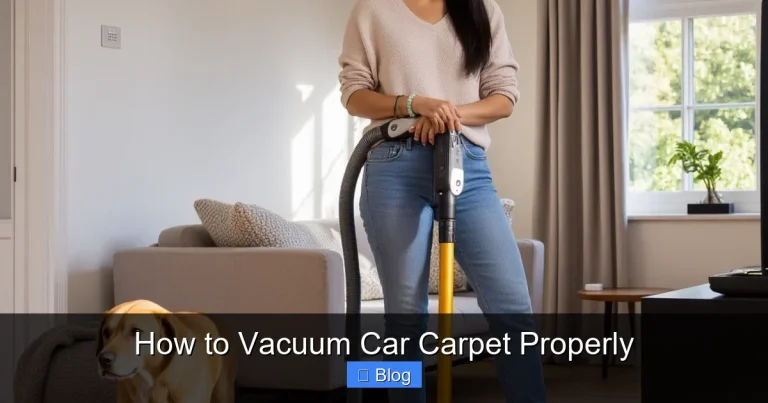
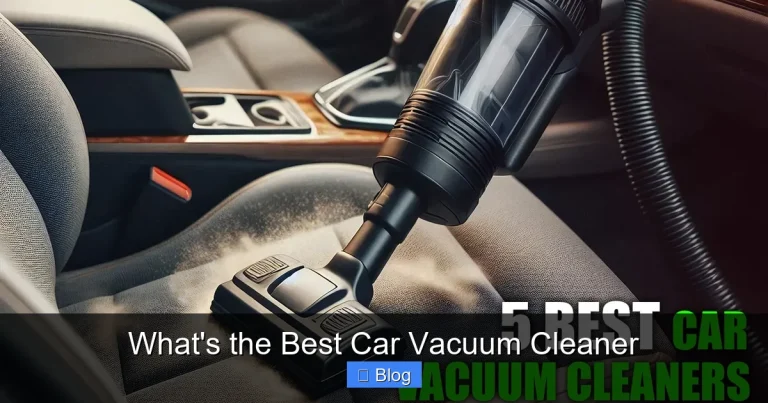
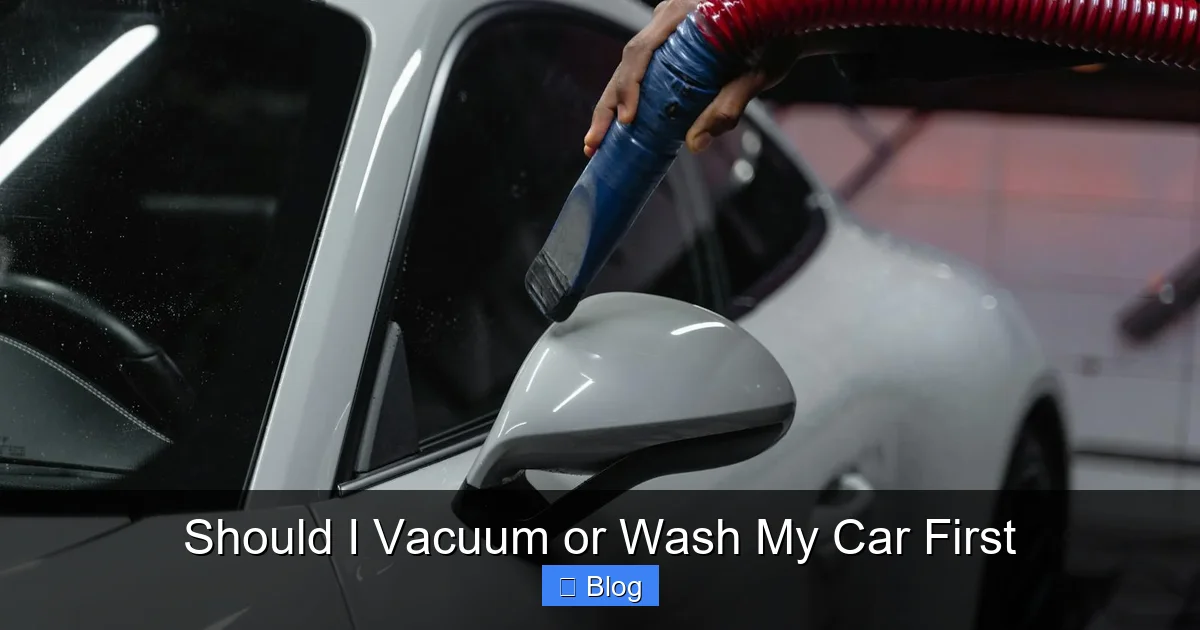
Vacuuming your car thoroughly sets the foundation for a successful wash. Here’s how to do it right.
Gather Your Tools
You’ll need:
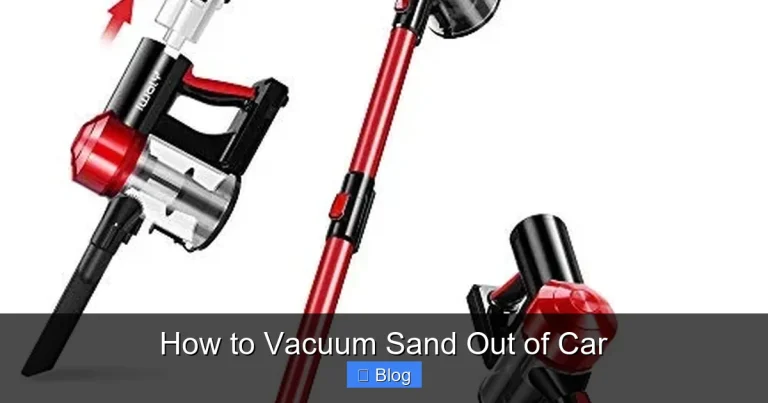
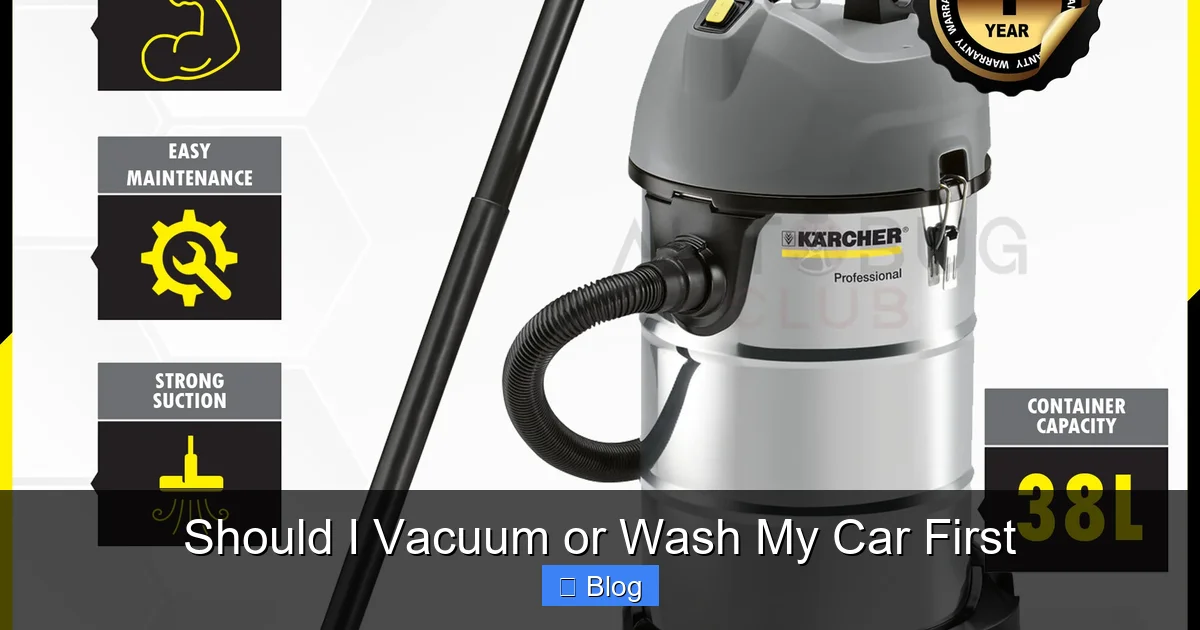
– A powerful vacuum with attachments (crevice tool, brush nozzle)
– Microfiber cloths
– Interior cleaner (optional, for spot cleaning)
– A soft-bristle brush (for fabric seats or mats)
Remove Loose Items
Start by taking out floor mats, seat covers, and any personal items like chargers, tissues, or trash. This gives you full access to every nook and cranny.
Vacuum in Sections
Work from the top down:
– Use the brush attachment on seats to lift dirt from fabric or leather.
– Use the crevice tool along seat seams, between cushions, and around cup holders.
– Vacuum the dashboard, vents, and door panels—dust loves to settle here.
– Finish with the carpets and floor mats. Shake out mats first, then vacuum both sides.
Spot Clean Stains
If you find spills or sticky spots, use a damp microfiber cloth with a mild interior cleaner. Avoid soaking upholstery—too much moisture can lead to mold.
Reinstall Mats and Accessories
Once everything is dry and clean, put your mats and items back. Now your interior is ready—and won’t contaminate the exterior during washing.
Step-by-Step: How to Wash Your Car After Vacuuming
Now that the interior is clean, it’s time to tackle the exterior. Washing after vacuuming ensures no interior dirt gets transferred to your paint or windows.
Choose the Right Time and Place
Wash your car in the shade, preferably early morning or late afternoon. Direct sunlight causes soap to dry too quickly, leaving streaks and water spots.
Gather Your Washing Supplies
You’ll need:
– Two buckets (one for soapy water, one for rinsing)
– Grit guards (to trap dirt at the bottom of buckets)
– pH-balanced car wash soap
– Wash mitt or sponge (microfiber is best)
– Hose with spray nozzle
– Microfiber drying towels
– Wheel cleaner and soft brush (for wheels and tires)
Pre-Rinse the Car
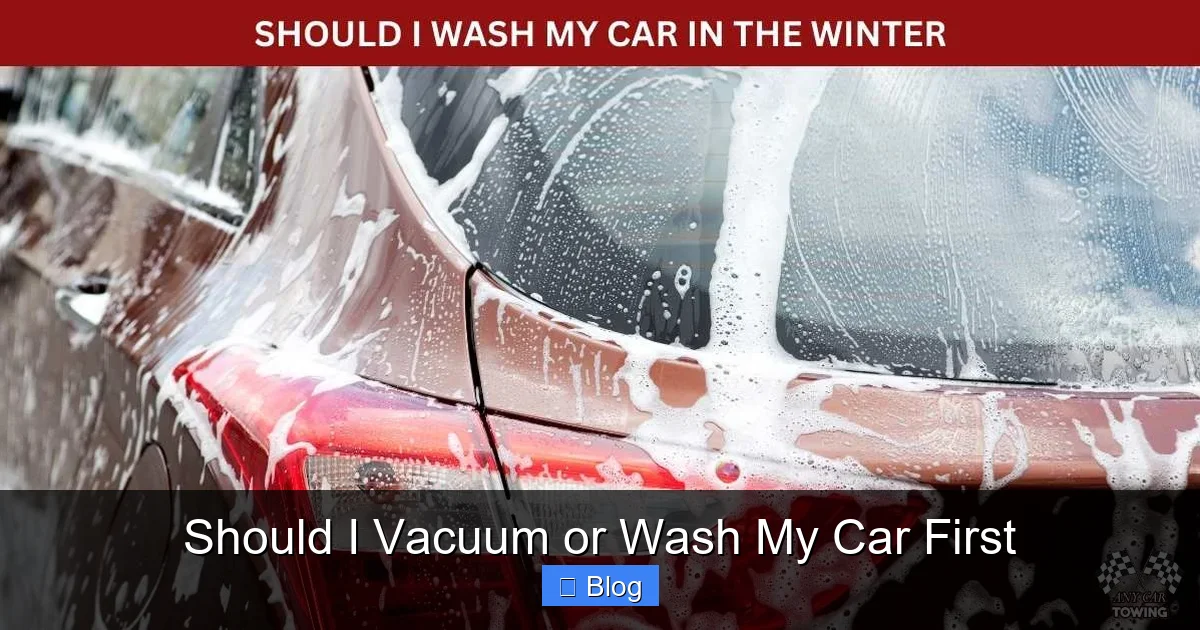
Use your hose to rinse the entire vehicle from top to bottom. This removes loose dirt and prevents scratching during the wash. Pay extra attention to the wheels and lower panels, where mud and salt accumulate.
Wash Top to Bottom
Fill one bucket with soapy water and the other with clean rinse water. Dip your wash mitt into the soap, then clean one section at a time:
– Start with the roof, then move to windows, hood, doors, and finally the lower panels and wheels.
– Rinse the mitt in the rinse bucket after each section to avoid reintroducing dirt.
– Use a separate brush or mitt for the wheels and tires—they’re the dirtiest part of the car.
Rinse Again
After washing, rinse the entire car thoroughly to remove all soap residue. Leftover soap can dull the paint over time.
Dry Immediately
Use clean, plush microfiber drying towels to dry the car. Start from the top and work down. Drying prevents water spots, especially if you have hard water.
Quick Reference: Cleaning Order and Time Estimates
| Step | Action | Estimated Time |
|---|---|---|
| 1 | Remove items and floor mats | 5 minutes |
| 2 | Vacuum interior (seats, carpets, crevices) | 15–20 minutes |
| 3 | Spot clean stains (if needed) | 5 minutes |
| 4 | Pre-rinse exterior | 5 minutes |
| 5 | Wash top to bottom (including wheels) | 20–30 minutes |
| 6 | Final rinse | 5 minutes |
| 7 | Dry with microfiber towels | 10 minutes |
– **Use a clay bar** once or twice a year to remove embedded contaminants after washing.
– **Apply wax or sealant** every 3–6 months to protect paint and make future washes easier.
– **Clean your tools** after each use. A dirty wash mitt is worse than no wash at all.
– **Don’t forget the door jambs and trunk seals**—they collect dirt and are often overlooked.
– **Use a quick detailer spray** between washes to maintain shine and remove light dust.
Conclusion: The Right Order Makes All the Difference
So, should you vacuum or wash your car first? The answer is clear: vacuum first, then wash. This simple order prevents cross-contamination, reduces the risk of scratches, and ensures a deeper, longer-lasting clean.
By following this guide, you’re not just cleaning your car—you’re protecting your investment. A well-maintained vehicle looks better, drives better, and holds its value longer. Plus, there’s something deeply satisfying about sliding into a spotless car that smells fresh and shines in the sun.
Make this routine a monthly habit, and your car will thank you. Whether you’re prepping for a road trip or just want to impress your neighbors, starting with the vacuum and finishing with a thorough wash is the smartest, safest way to go.