What Is the Vacuum Hose on a Car?
The vacuum hose on a car is a flexible tube that carries vacuum pressure from the engine to various components, helping them operate properly. It plays a key role in controlling systems like the brake booster, emissions controls, and HVAC functions. Without a working vacuum hose, these systems can fail or perform poorly, affecting overall engine performance.
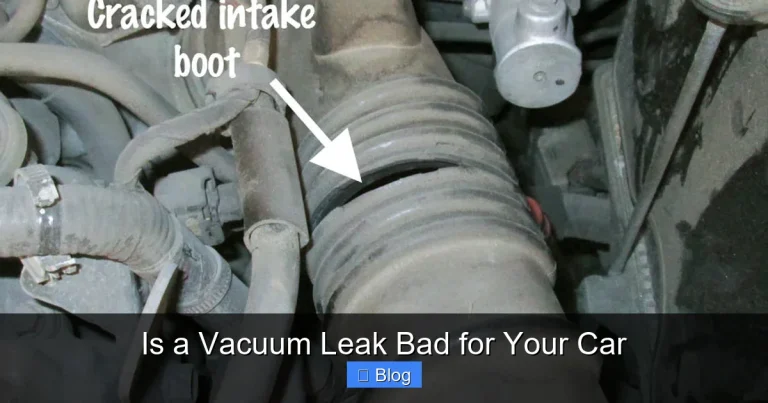
Vacuum hoses are usually made of rubber or plastic and connect the intake manifold to parts that rely on vacuum pressure. Over time, these hoses can crack, leak, or become disconnected, leading to rough idling, poor fuel efficiency, or difficulty braking. A hissing sound under the hood often signals a vacuum leak, which is usually traced back to a damaged hose.
Understanding the function of vacuum hoses helps car owners maintain engine health. Regular inspection and replacement of worn hoses ensure your car runs smoothly, keeps emissions low, and prevents more serious mechanical problems.
What Is the Vacuum Hose on a Car? Your Essential Guide to Engine Health
Welcome, fellow car enthusiast! Have you ever wondered about all those seemingly insignificant tubes and wires under your car’s hood? Today, we’re going to shine a spotlight on one of the unsung heroes of your engine’s operation: the vacuum hose. While small and often overlooked, the humble vacuum hose on a car plays an incredibly important role in ensuring your vehicle runs smoothly, efficiently, and safely.
In this comprehensive guide, we’ll demystify what a vacuum hose is, explain how the vacuum system works, and walk you through why these hoses are so critical. You’ll learn about the various components they connect, how to spot the signs of a failing vacuum hose, and even how to inspect and replace one yourself. By the end, you’ll have a solid understanding of this vital part and the knowledge to keep your car’s engine happy and healthy. Let’s dive in!
Key Takeaways
- Fundamental Function: The primary role of a vacuum hose on a car is to transmit engine vacuum (a low-pressure condition created by the engine) to various components, enabling them to operate efficiently.
- Impact on Critical Systems: Vacuum hoses are vital for the proper functioning of crucial systems like your car’s power brakes, emissions control (PCV, EGR), fuel delivery, and even HVAC controls.
- Common Failure Causes: These hoses often fail due to age, exposure to extreme heat, chemical degradation from oil and fuel, or physical damage, leading to cracks, brittleness, or disconnections.
- Recognizable Symptoms: A failing vacuum hose can cause noticeable issues such as a rough engine idle, a persistent “Check Engine Light,” decreased fuel economy, a noticeable loss of power, or a hard brake pedal.
- Inspection is Key: Regular visual and auditory inspections (listening for hissing sounds) can help identify cracked, loose, or disconnected vacuum hoses before they cause significant problems.
- DIY-Friendly Maintenance: Replacing a faulty vacuum hose is often a straightforward, inexpensive DIY task, provided you identify the correct replacement part and follow basic safety precautions.
Quick Answers to Common Questions
What’s the best way to find a small vacuum leak?
The “hissing” sound test is great, but for tiny, hard-to-find leaks, gently wiggling each vacuum hose while the engine idles can reveal the culprit by causing a temporary change in engine RPM or sound. A professional smoke test is the most accurate.
Can a bad vacuum hose really affect my car’s brakes?
Absolutely! Many cars use engine vacuum to power the brake booster, which amplifies your foot’s pressure on the brake pedal. If the vacuum hose on a car leading to the booster is compromised, you’ll experience a much harder pedal and significantly reduced braking power, which is a serious safety concern.
Are all vacuum hoses the same size and material?
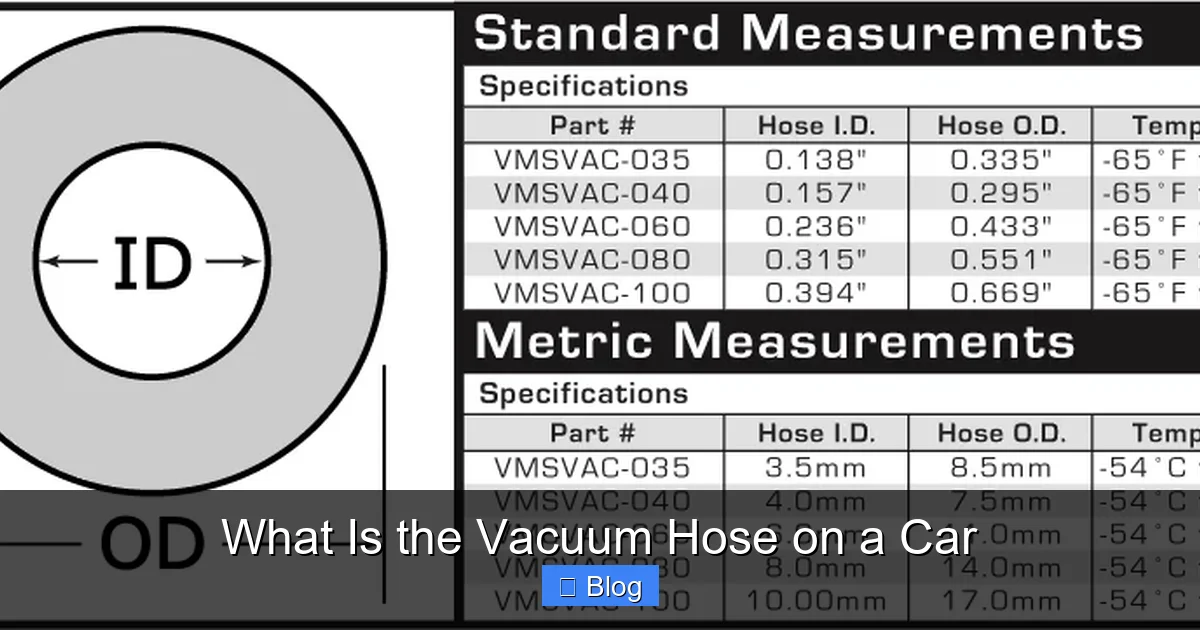
No, they come in various internal diameters (ID) and can be made of rubber, silicone, or hard plastic. It’s crucial to replace a faulty vacuum hose on a car with one of the exact same internal diameter and appropriate material to ensure a proper seal and durability.
How often should I check my vacuum hoses?
It’s a good practice to visually inspect your vacuum hoses every time you perform an oil change or when you’re under the hood for any other reason. Pay close attention to hoses that look dry, cracked, or appear to be swelling.
What if I hear a hissing sound but can’t find a broken hose?
A persistent hissing sound might indicate a leak in a vacuum-operated component itself, such as a cracked plastic intake manifold, a faulty brake booster, or a leaking gasket. If you can’t find a broken vacuum hose on a car, it’s best to consult a mechanic for a more thorough diagnosis.
Understanding Your Car’s Vacuum System
Before we talk specifically about the vacuum hose on a car, let’s understand the broader concept of the engine vacuum system itself.
How Engine Vacuum is Created
Your car’s engine is essentially a giant air pump. As pistons move up and down in their cylinders, they create a low-pressure area (a vacuum) within the engine’s intake manifold, especially when the throttle plate is partially closed (like when you’re idling or cruising gently). This vacuum is a powerful, free source of energy that car manufacturers have cleverly harnessed for various purposes. Think of it like a natural suction force.
Why Vacuum is So Useful in a Car
Instead of relying on electrical motors or complex mechanical linkages for every single function, engineers use engine vacuum to assist with tasks. It’s an efficient and reliable way to power certain components, often making them lighter, simpler, and more dependable. Almost every car, regardless of its age, has some form of a vacuum system, and the vacuum hose on a car is the pathway for this crucial force.
The Role of the Vacuum Hose on a Car
So, if the engine creates a vacuum, how does that vacuum reach all the different parts that need it? That’s where the vacuum hose on a car comes in.
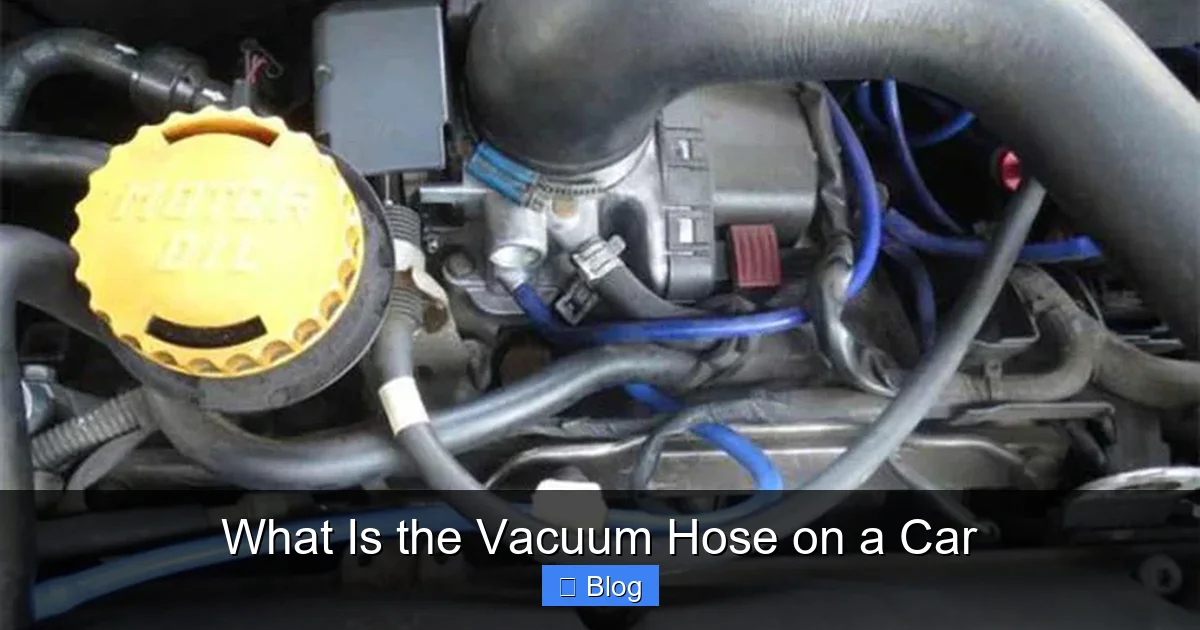
These hoses are essentially the plumbing of your car’s vacuum system. They connect various components to the main vacuum source (usually the intake manifold). By doing so, they transmit the vacuum pressure, allowing it to actuate diaphragms, open or close valves, and generally assist in the operation of many systems. Without these connections, the vacuum system simply wouldn’t work.
Materials and Construction
A vacuum hose on a car isn’t just any old rubber tube. They are typically made from sturdy rubber, silicone, or sometimes even hard plastic, designed to withstand the harsh conditions of the engine bay, including extreme temperatures, vibrations, and exposure to various chemicals. They come in different diameters and lengths to suit specific applications, often reinforced to prevent collapse under suction.
Key Components Connected by a Vacuum Hose
You might be surprised by just how many critical systems rely on a properly functioning vacuum hose on a car. Here are some of the most common ones:
Brake Booster
One of the most important safety features, the power brake booster uses engine vacuum to multiply the force you apply to the brake pedal. This makes braking much easier and more effective. A problem with the vacuum hose on a car leading to the brake booster will make your brake pedal feel rock-hard and significantly increase stopping distances.
PCV (Positive Crankcase Ventilation) Valve
The PCV system is crucial for emissions control and engine health. It uses vacuum to draw harmful crankcase gases (byproducts of combustion) back into the intake manifold to be re-burned. This prevents sludge buildup and reduces emissions. A faulty vacuum hose on a car here can lead to oil leaks, poor idle, or increased emissions.
EGR (Exhaust Gas Recirculation) Valve
Another emissions control component, the EGR valve, uses vacuum to open and allow a small amount of exhaust gas back into the combustion chambers. This lowers combustion temperatures, which in turn reduces harmful nitrogen oxide (NOx) emissions. An issue with the vacuum hose on a car for the EGR can cause rough idle, poor performance, or trigger the “Check Engine Light.”
Fuel Pressure Regulator
This component ensures that the fuel pressure delivered to your engine’s fuel injectors is consistent and correct. Some regulators use vacuum to adjust fuel pressure based on engine load. A problem with this vacuum hose on a car can lead to incorrect fuel delivery, affecting performance and fuel economy.
HVAC Controls (Heating, Ventilation, Air Conditioning)
On many older vehicles (and some newer ones), the system that directs air through your cabin vents (defrost, floor, dash) is operated by vacuum actuators. If a vacuum hose on a car for these controls is faulty, you might find that your vents don’t switch properly or are stuck in one position.
Cruise Control Actuator
Similarly, some older cruise control systems use a vacuum actuator to operate the throttle cable and maintain speed. A leak in the vacuum hose on a car here could mean your cruise control simply doesn’t work.
Vacuum Reservoirs
Some cars use a vacuum reservoir – a small tank designed to store vacuum pressure. This helps stabilize the vacuum system and provides a consistent vacuum supply, especially during times of low engine vacuum (like hard acceleration). A vacuum hose on a car connecting to or from a reservoir can fail just like any other.
MAP Sensor (Manifold Absolute Pressure)
The MAP sensor measures the pressure inside the intake manifold (which is inversely related to vacuum) and sends this information to the engine’s computer (ECU). The ECU uses this data to adjust fuel delivery and ignition timing. A compromised vacuum hose on a car leading to the MAP sensor can send incorrect readings, leading to poor engine performance and fuel efficiency.
Wastegate Actuator (Turbocharged Engines)
On turbocharged vehicles, vacuum (or boost pressure) is often used to control the wastegate, which regulates the amount of exhaust gas going through the turbocharger. A faulty vacuum hose on a car in this system can lead to incorrect boost levels, affecting engine power and potentially causing damage.
Common Types of Vacuum Hoses
Not all vacuum hoses are created equal. You’ll encounter a few main types:
Hard Plastic Lines
These are often small-diameter, rigid lines used for specific, low-flow applications. They are prone to becoming brittle with age and cracking, especially at connections.
Rubber Hoses
The most common type, these are flexible and come in various diameters. They can be plain rubber or reinforced with fabric for extra strength. Rubber can harden, crack, and become porous over time.
Silicone Hoses
Often found in performance applications or as an upgrade, silicone hoses are generally more resistant to heat and chemicals than rubber, offering longer life.
Why Vacuum Hoses Fail
Given their critical roles, it’s important to understand why a vacuum hose on a car might fail:
Age and Wear
This is the most common culprit. Over time, rubber and plastic hoses simply degrade. They can dry out, become brittle, crack, or soften, losing their ability to hold a seal.
Heat Exposure
The engine bay is a very hot environment. Constant exposure to high temperatures accelerates the breakdown of hose materials.
Chemical Exposure
Splashes of oil, fuel, coolant, or other automotive fluids can degrade the hose material, making it soft, swollen, or brittle.
Physical Damage
Accidental cuts, kinks, or rubbing against other engine components can compromise a vacuum hose. Rodents are also notorious for chewing through hoses, seeking materials for nests.
Improper Installation
If a hose is improperly routed, stretched too tightly, or connected with the wrong size clamp, it can fail prematurely.
Symptoms of a Failing Vacuum Hose on a Car
Recognizing the signs of a vacuum leak or a bad vacuum hose on a car can save you a lot of headaches and money. Here are common symptoms:
Rough Idle or Stalling
A vacuum leak introduces unmetered air into the engine, confusing the ECU and leading to an unstable idle, misfires, or even stalling.
Check Engine Light (CEL)
Many vacuum-related issues will trigger diagnostic trouble codes (DTCs), illuminating your CEL. Common codes might relate to lean fuel conditions, EVAP system faults, or misfires.
Poor Fuel Economy
When the engine runs “lean” (too much air, not enough fuel) due to a vacuum leak, the ECU might try to compensate by injecting more fuel, leading to worse mileage.
Loss of Power or Acceleration
The engine’s ability to create and use vacuum is linked to its overall efficiency. A significant leak can reduce engine performance.
Hissing Sound from Engine Bay
This is a classic sign. A distinct hissing, sucking, or whistling sound, especially noticeable when the engine is running, points directly to a vacuum leak.
Hard Brake Pedal
If the vacuum hose leading to your brake booster is compromised, the booster won’t receive enough vacuum to assist with braking, making the pedal feel very stiff and requiring much more effort to stop.
HVAC Issues
As mentioned, if your cabin air vents won’t switch settings or are stuck, it could be a sign of a vacuum hose on a car affecting the HVAC controls.
Emissions Test Failure
Because vacuum leaks can affect emissions control systems, a failing vacuum hose can lead to higher emissions and a failed inspection.
How to Inspect a Vacuum Hose on a Car
Regular inspection can prevent minor issues from becoming major problems.
Visual Inspection
The easiest first step. With the engine off and cool, carefully look at all visible vacuum hoses. Check for:
- Cracks or Dry Rot: These often appear as small lines or deep fissures on the surface of rubber hoses.
- Brittleness: Gently squeeze hoses. If they feel hard and rigid instead of pliable, they’re likely failing.
- Soft or Swollen Spots: This can indicate chemical exposure or internal degradation.
- Disconnected Hoses: Look for any hoses that have popped off their fittings.
- Kinks or Pinch Points: Ensure hoses are routed smoothly without obstructions.
Visual guide about What Is the Vacuum Hose on a Car
Image source: crankshift.com
Visual guide about What Is the Vacuum Hose on a Car
Image source: bryansgarage.com
Auditory Inspection (Engine Running)
Start the engine and let it warm up. Carefully listen for any hissing or sucking sounds coming from the engine bay. These are tell-tale signs of a vacuum leak. You can use a stethoscope or even a long piece of hose held to your ear to pinpoint the sound.
The Wiggle Test
With the engine idling, carefully and gently wiggle individual vacuum hoses. If the engine idle suddenly changes (gets rougher or smoother) when you move a particular hose, you’ve likely found a leak.
Using a Vacuum Gauge
For a more professional diagnosis, a vacuum gauge can be connected to a vacuum port on the engine. A steady needle at idle indicates a healthy system. A fluctuating or low reading can point to various engine issues, including significant vacuum leaks.
Smoke Test (Professional Method)
Mechanics often use a smoke machine to find elusive vacuum leaks. Smoke is injected into the vacuum system, and any leaks will show smoke escaping from the compromised hose or component.
Replacing a Vacuum Hose on a Car: A Step-by-Step Guide
Replacing a vacuum hose on a car is often a very manageable DIY task, especially for accessible hoses.
Step 1: Safety First!
Before you begin, always prioritize safety:
- Engine Off and Cool: Never work on a hot engine.
- Disconnect Battery: To prevent accidental electrical shorts.
- Wear Safety Glasses and Gloves: Protect your eyes and hands.
Step 2: Identify the Problem Hose
Pinpoint exactly which vacuum hose on a car needs replacement. Take pictures with your phone before you remove anything to remember routing and connections. Label hoses if necessary, especially if there are many similar ones in the same area.
Step 3: Gather Your Tools and Materials
You’ll typically need:
- New Vacuum Hose: Crucially, ensure it’s the correct diameter and type (rubber, silicone) for your application. Don’t eyeball it; measure the old hose’s internal diameter.
- Hose Cutters or Sharp Knife: For clean cuts.
- Pliers: For removing stubborn hoses or spring clamps.
- Flashlight: To see into dark areas.
- Small Flathead Screwdriver: For prying.
- Zip Ties or New Clamps (if needed): To secure the new hose.
Step 4: Remove the Old Hose
Carefully detach the faulty vacuum hose on a car from its connections. If it’s stiff or stuck, gently twist it to break the seal. Avoid yanking aggressively, as you could damage the plastic fittings it connects to. If there are clamps, release them.
Step 5: Measure and Cut the New Hose
Use the old hose as a template for length. Cut the new vacuum hose on a car to the exact same length, making sure the cuts are clean and straight. Avoid making it too short or too long, as this can cause kinks or excessive slack.
Step 6: Install the New Hose
Carefully push the new vacuum hose on a car onto its fittings. It should fit snugly. If it’s a tight fit, a tiny bit of silicone spray (NOT oil-based lubricant) on the inside of the hose end can help. Ensure it’s fully seated on both ends. Reinstall any clamps or ties that were present. Double-check that all connections are secure.
Step 7: Test the System
Reconnect the battery. Start your car and listen for any hissing sounds. Check for a stable idle. If you were experiencing a hard brake pedal, test the brakes (in a safe, clear area) to see if they’ve improved. If the “Check Engine Light” was on due to a vacuum leak, it might turn off after a few drive cycles, or you might need to clear the code with an OBD-II scanner.
Troubleshooting Common Vacuum-Related Issues
Rough Idle Persists After Hose Replacement
- Check All Connections: Did you miss securing a connection?
- Another Leak: There might be another vacuum hose on a car that’s also bad, or a leak in a vacuum-actuated component itself (e.g., brake booster diaphragm, PCV valve).
- Wrong Hose Size: An ill-fitting hose can still leak.
Check Engine Light (CEL) Remains On
- Clear Codes: Sometimes codes need to be manually cleared with an OBD-II scanner after a repair.
- Further Diagnosis: If the CEL comes back, the original code might have been a symptom of a deeper issue, or there’s another underlying problem not related to the vacuum hose.
Brakes Still Feel Stiff
- Brake Booster Itself: If the vacuum hose on a car to the booster is good, the booster unit itself might be failing.
- Check Valve: There’s often a one-way check valve in the vacuum line to the booster; this can sometimes fail.
Preventative Maintenance Tips
To avoid future vacuum hose problems, consider these tips:
- Regular Visual Checks: Make inspecting your vacuum hoses part of your routine oil change or fluid checks.
- Proactive Replacement: If you’re doing other major engine work, consider replacing older, brittle vacuum hoses as a preventative measure, even if they aren’t actively leaking yet. They are inexpensive and easy to replace when other components are already out of the way.
- Use Quality Replacements: Don’t just use any old tubing. Ensure you’re buying automotive-grade vacuum hose of the correct diameter and material.
- Proper Routing: When replacing, ensure the new vacuum hose on a car is routed away from hot components, sharp edges, and moving parts.
Conclusion
The vacuum hose on a car, though small, performs a gigantic task in keeping your vehicle running efficiently and safely. From assisting your brakes to managing emissions and fuel delivery, these humble tubes are critical. Understanding their function, recognizing the symptoms of failure, and knowing how to inspect and replace them empowers you as a car owner.
Regular inspection and timely replacement of a failing vacuum hose can prevent more serious, costly repairs down the road and ensure you enjoy smooth, reliable driving. So, the next time you pop your hood, take a moment to appreciate the network of vacuum hoses – the silent workers making your car purr!