What Is Vacuum in Car Engine?
What is vacuum in car engine? In simple terms, engine vacuum is the difference in air pressure between the inside of the engine’s intake manifold and the outside atmosphere. When your engine runs, the pistons move, creating a low-pressure area that “sucks in” air and fuel. This vacuum is essential for engine performance, helping components like the brake booster, fuel system, and emission controls function properly.
A healthy engine vacuum ensures smooth idling, proper fuel delivery, and efficient combustion. Low or inconsistent vacuum can lead to rough idling, poor acceleration, stalling, or even increased fuel consumption. Mechanics often use a vacuum gauge to diagnose problems because it reveals issues like leaks, worn valves, or malfunctioning components in the intake system.
Understanding how vacuum works helps car owners recognize potential engine problems early. Maintaining proper vacuum levels not only improves performance but also extends the life of engine components and ensures safe, reliable driving.
Key Takeaways
- Vacuum is created by engine intake: As pistons move down, they pull air through the intake manifold, creating a vacuum.
- It powers essential car systems: Brake boosters, PCV valves, and emissions controls rely on engine vacuum.
- Vacuum leaks cause performance problems: Rough idle, poor acceleration, and stalling can result from leaks.
- You can test vacuum with simple tools: A vacuum gauge or carb cleaner spray helps detect leaks.
- Maintenance prevents vacuum issues: Regular inspection of hoses and gaskets keeps the system working.
- Modern engines still use vacuum: Even with electronic controls, vacuum remains vital for many functions.
- Understanding vacuum improves diagnostics: Knowing how it works helps troubleshoot engine problems faster.
Quick Answers to Common Questions
Tip/Question?
Can a vacuum leak cause poor fuel economy?
Yes. A vacuum leak introduces unmetered air, causing the engine to run lean. The computer compensates by adding more fuel, which can reduce fuel efficiency.
Tip/Question?
Is engine vacuum the same as manifold absolute pressure (MAP)?
Not exactly. MAP measures absolute pressure in the intake manifold, while vacuum refers to the pressure difference below atmospheric pressure. MAP sensors help the engine computer calculate load.
Tip/Question?
Do electric cars have engine vacuum?
No. Electric cars don’t have internal combustion engines, so they don’t produce vacuum. Instead, they use electric pumps to create vacuum for brake boosters.
Tip/Question?
Can I drive with a small vacuum leak?
It’s not recommended. Even small leaks can worsen over time and cause drivability issues, increased emissions, or brake problems.
Tip/Question?
Why does vacuum drop at high RPM?
At high engine speeds, the throttle opens wider, allowing more air into the manifold. This reduces the vacuum level compared to idle, where the throttle is nearly closed.
What Is Vacuum in a Car Engine?
If you’ve ever wondered how your car’s brakes feel so smooth or why the engine runs smoothly at idle, the answer might be hiding in plain sight: engine vacuum. While it sounds like something out of a sci-fi movie, vacuum in a car engine is a real and essential part of how your vehicle operates. In this guide, we’ll break down exactly what engine vacuum is, how it’s created, why it matters, and how to spot and fix common problems.
By the end of this article, you’ll understand how vacuum powers key systems in your car, how to test for leaks, and why keeping your vacuum system in good shape can save you time and money on repairs.
How Is Engine Vacuum Created?
Visual guide about What Is Vacuum in Car Engine
Image source: japantrendshop.com
Engine vacuum isn’t something you can see or touch, but it’s always there when the engine is running. It’s created inside the intake manifold—the part of the engine that delivers air to the cylinders.
The Science Behind Vacuum
When the engine runs, the pistons move down during the intake stroke. This downward motion pulls air (and fuel, in older engines) through the intake valves and into the combustion chamber. Because the air is being pulled in, it creates a low-pressure area—or vacuum—inside the intake manifold.
Think of it like drinking through a straw: when you suck, you reduce the pressure inside the straw, and liquid flows in. In the engine, the pistons act like your lungs, creating suction that pulls air in.
Why the Intake Manifold Matters
The intake manifold is the heart of the vacuum system. It’s a network of passages that distribute air evenly to each cylinder. Because it’s sealed off from the outside (except for controlled openings), the pressure inside drops significantly when the engine is running—especially at idle or low RPMs.
This vacuum isn’t wasted. Instead, it’s harnessed to power several important systems in your car.
What Does Engine Vacuum Power?
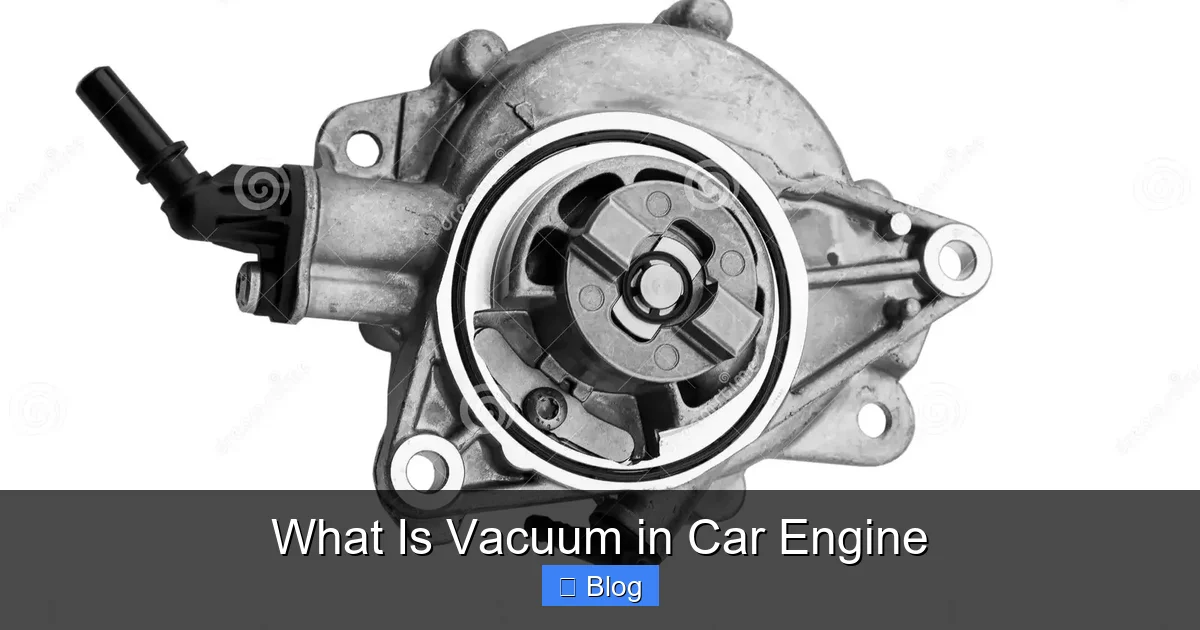
Visual guide about What Is Vacuum in Car Engine
Image source: thumbs.dreamstime.com
You might be surprised to learn that engine vacuum does more than just help the engine breathe. It’s used to operate several critical components:
Brake Booster
The most well-known use of vacuum is in the brake booster. When you press the brake pedal, the booster uses vacuum to multiply the force you apply, making braking easier. Without vacuum, your brakes would feel stiff and hard to press—especially at low speeds.
Most brake boosters connect directly to the intake manifold via a vacuum hose. Some cars also have a vacuum reservoir or check valve to store vacuum for when the engine isn’t producing enough (like during hard acceleration).
Positive Crankcase Ventilation (PCV) System
The PCV system uses vacuum to pull blow-by gases—unburned fuel and oil vapors that escape past piston rings—out of the crankcase and back into the intake manifold to be burned. This reduces emissions and prevents oil contamination.
The PCV valve regulates this flow using engine vacuum. If it fails, you might notice oil leaks, rough idle, or increased emissions.
Emission Control Systems
Modern cars use vacuum to operate various emissions controls, such as:
– EGR (Exhaust Gas Recirculation) valve: Reduces nitrogen oxide emissions by recirculating a small amount of exhaust gas back into the intake.
– Evaporative emissions (EVAP) system: Prevents fuel vapors from escaping into the atmosphere by storing them in a charcoal canister and purging them using vacuum.
– Thermostatic air cleaner: Uses vacuum to control air intake temperature for optimal combustion.
Other Uses
In older or specialized vehicles, vacuum might also power:
– Windshield wipers (in very old cars)
– HVAC controls (to switch air vents)
– Fuel pressure regulators (to adjust fuel delivery based on engine load)
Signs of a Vacuum Leak
Because vacuum is essential for so many systems, even a small leak can cause noticeable problems. Here are the most common symptoms:
Rough or High Idle
If extra air sneaks into the intake manifold through a cracked hose or loose gasket, the engine’s computer may struggle to maintain a steady idle. You might notice the RPMs fluctuating or idling higher than normal.
Poor Acceleration
A vacuum leak can cause a lean air-fuel mixture (too much air, not enough fuel), leading to hesitation or stumbling when you press the gas pedal.
Check Engine Light
Modern engines have sensors that monitor air intake. A vacuum leak can trigger codes like P0171 (system too lean) because the engine is getting unmetered air.
Hissing Noise
A loud hiss under the hood—especially when the engine is idling—can indicate a vacuum leak. The sound comes from air rushing through a small crack or hole.
Hard Braking
If the brake booster loses vacuum, the brakes will feel stiff and require more effort to stop the car. This is a safety issue and should be addressed immediately.
How to Test for Vacuum Leaks
You don’t need expensive tools to check for vacuum leaks. Here’s a step-by-step guide:
Visual Inspection
Start by looking under the hood. Check all vacuum hoses for cracks, brittleness, or loose connections. Pay special attention to hoses near the intake manifold, brake booster, and PCV valve.
Use Carburetor Cleaner (or Starting Fluid)
This is a quick and effective method:
1. Start the engine and let it idle.
2. Spray small amounts of carburetor cleaner or starting fluid around suspected areas (hoses, gaskets, intake manifold).
3. If the engine RPMs increase, it means the cleaner is being sucked into the engine through a leak—indicating a vacuum leak.
⚠️ Caution: Only use this method in well-ventilated areas and avoid open flames. The chemicals are flammable.
Use a Vacuum Gauge
A vacuum gauge connects to the intake manifold and shows real-time vacuum pressure. Normal readings at idle are typically between 17 and 22 inches of mercury (inHg).
– Steady needle: Good vacuum.
– Needle fluctuating: Possible valve or timing issue.
– Low or zero reading: Major leak or engine problem.
Smoke Test (Professional Method)
Mechanics often use a smoke machine to detect leaks. Smoke is pumped into the intake system, and any escaping smoke reveals the leak location. This is the most accurate method but requires special equipment.
How to Fix Common Vacuum Problems
Once you’ve found a leak, fixing it is usually straightforward.
Replace Damaged Hoses
Most vacuum hoses are made of rubber and degrade over time. If a hose is cracked or brittle, replace it with the correct size and type. Use OEM or high-quality aftermarket parts for best results.
Tighten or Replace Gaskets
Intake manifold gaskets can wear out and leak vacuum. If you suspect a gasket issue, have it inspected by a mechanic. Replacing it may require removing the intake manifold.
Clean or Replace the PCV Valve
Remove the PCV valve and shake it. If it doesn’t rattle, it’s likely clogged and needs replacement. A faulty PCV valve can cause oil leaks and poor engine performance.
Check the Brake Booster
If the brake pedal feels hard, test the brake booster:
1. With the engine off, press the brake pedal several times to remove residual vacuum.
2. Hold the pedal down and start the engine.
3. The pedal should sink slightly—if not, the booster or its vacuum hose may be faulty.
Preventing Vacuum Issues
An ounce of prevention is worth a pound of cure. Here’s how to keep your vacuum system in top shape:
– Inspect hoses regularly: Look for cracks, swelling, or soft spots every 6–12 months.
– Replace old hoses: Rubber hoses typically last 5–7 years. Replace them proactively.
– Use proper routing: Ensure hoses aren’t kinked, pinched, or rubbing against hot surfaces.
– Keep the engine clean: Dirt and oil can degrade hoses and gaskets over time.
Conclusion
Vacuum in a car engine isn’t magic—it’s physics in action. Created by the engine’s natural intake process, this low-pressure area powers everything from your brakes to your emissions system. Understanding how it works helps you diagnose problems early, maintain your vehicle better, and avoid costly repairs.
Whether you’re a DIY enthusiast or just curious about how your car works, knowing about engine vacuum gives you an edge. Keep an eye on those hoses, listen for hissing sounds, and don’t ignore a hard brake pedal. With a little attention, your vacuum system will keep running smoothly for miles to come.