What Vacuum Do Professional Car Detailers Use?
Professional car detailers rely on powerful, versatile vacuums to achieve deep-clean results. This guide reveals the top vacuums they use, key features to look for, and how to choose the right one for your needs.
What vacuum do professional car detailers use? Professional car detailers typically use wet/dry shop vacuums with strong suction, like MetroVac, Flex, or RIDGID models, often paired with HEPA filters for fine dust and allergens. These vacuums handle both wet spills and dry debris, have long hoses and specialized attachments for tight spaces, and provide consistent power for thorough interior cleaning.
Key Takeaways
- High suction power is essential: Detailers need vacuums with strong motors (100+ air watts) to lift embedded dirt and debris.
- Portability and cordless options matter: Lightweight, cordless vacuums allow easy access to tight spaces like under seats and in footwells.
- HEPA filtration is a must: Traps fine dust and allergens, improving air quality during cleaning.
- Attachments make a big difference: Crevice tools, brush nozzles, and upholstery heads ensure thorough cleaning of all surfaces.
- Durable build and long battery life: Professionals need vacuums that last through long detailing sessions without frequent recharging.
- Wet and dry functionality adds versatility: Some top models handle both dry debris and liquid spills, ideal for full-service detailing.
- Brand reputation and service support: Reliable brands like Shop-Vac, DeWalt, and Festool offer durability and customer support.
Quick Answers to Common Questions
Should I buy a corded or cordless vacuum for detailing?
Corded vacuums offer more power and unlimited runtime, ideal for shop use. Cordless models are better for mobile detailers who need portability and freedom from outlets.
Is a HEPA filter necessary for car detailing?
Yes, especially if you’re cleaning cars with pets, smokers, or allergy sufferers. HEPA filters trap fine particles and improve air quality during cleaning.
Can I use a regular household vacuum for car detailing?
You can, but it may lack the suction, attachments, and durability needed for thorough cleaning. A dedicated detailing vacuum performs better and lasts longer.
How often should I clean my detailing vacuum?
Empty the tank and clean the filter after every use. Deep clean the hose and attachments weekly to prevent clogs and odors.
What’s the best way to vacuum car seats?
Use an upholstery brush attachment and work in sections. Vacuum in multiple directions to lift embedded dirt, and don’t forget the seams and crevices.
What Vacuum Do Professional Car Detailers Use?
If you’ve ever watched a professional car detailer work, you’ve probably noticed how spotless the interior looks after they’re done. One of the biggest secrets behind that showroom shine? The right vacuum. But what vacuum do professional car detailers use? The answer isn’t just about power—it’s about performance, portability, and precision.
In this guide, you’ll learn exactly what vacuums top detailers rely on, the key features that make them stand out, and how to pick the best one for your own car cleaning routine. Whether you’re a weekend warrior or running a detailing business, choosing the right vacuum can make all the difference.
Why the Right Vacuum Matters in Car Detailing
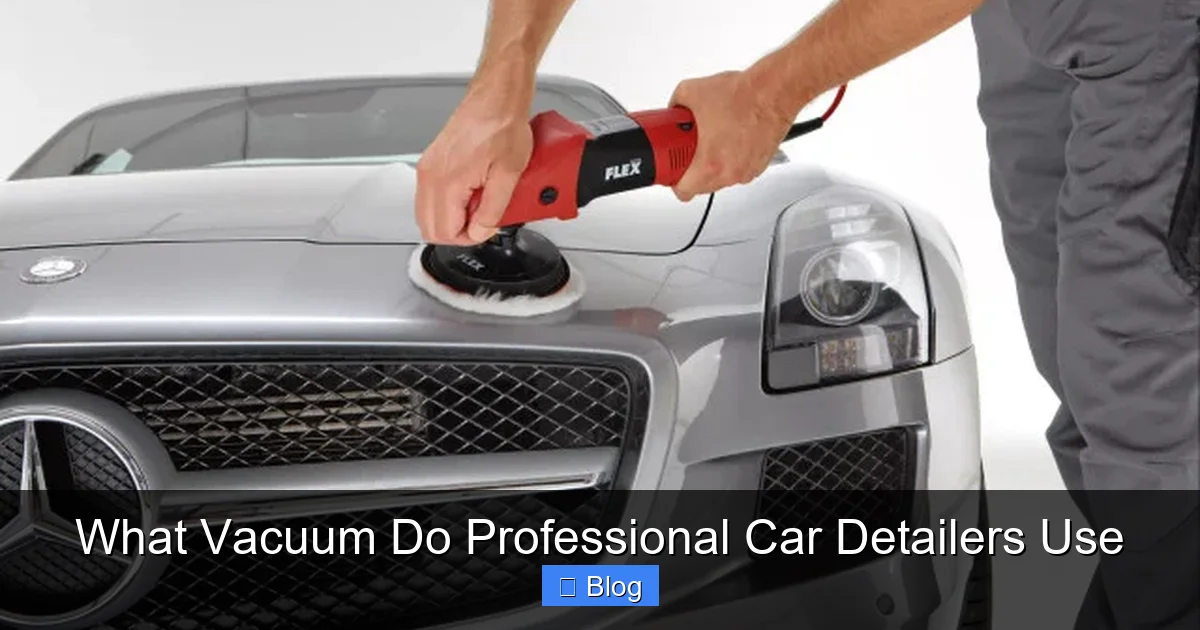
Visual guide about What Vacuum Do Professional Car Detailers Use
Image source: cdn11.bigcommerce.com
Car interiors are full of tight spaces, delicate surfaces, and stubborn debris. A regular household vacuum might suck up loose crumbs, but it often struggles with pet hair, dust deep in carpet fibers, or crumbs wedged under seats. Professional detailers need tools that go beyond basic cleaning.
A high-quality detailing vacuum offers:
– Strong suction to lift embedded dirt
– Specialized attachments for every surface
– Portability for hard-to-reach areas
– Durability to handle daily use
Using the wrong vacuum can leave behind dirt, scratch surfaces, or take forever to clean. That’s why pros invest in tools designed specifically for automotive interiors.
Top Vacuums Used by Professional Car Detailers
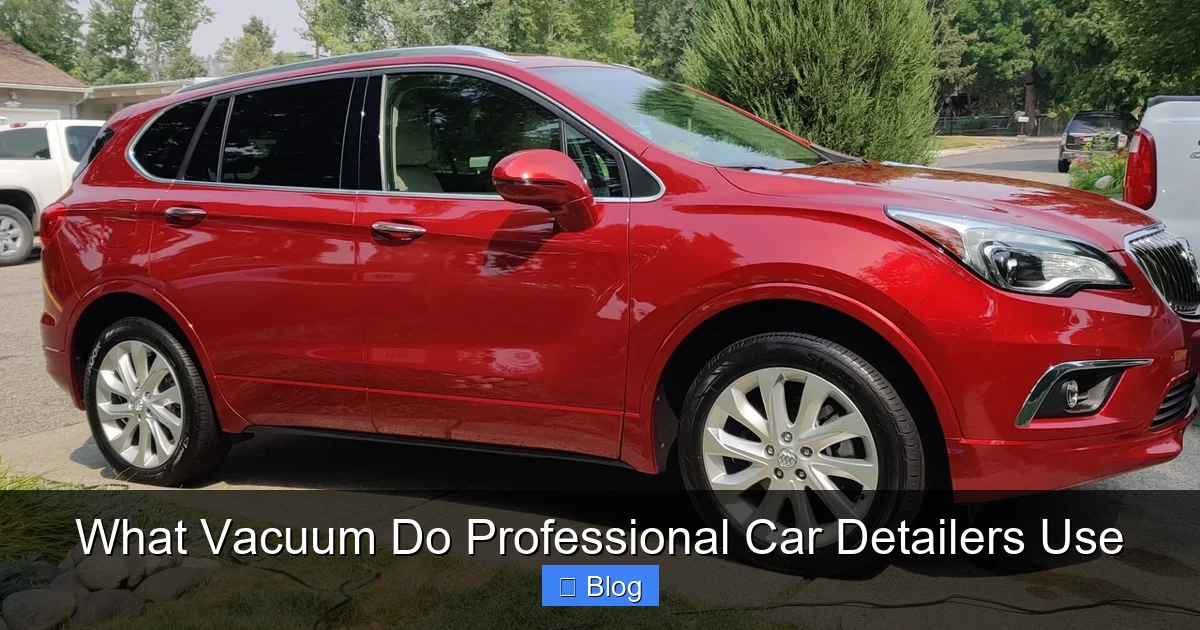
Visual guide about What Vacuum Do Professional Car Detailers Use
Image source: slickmds.com
While preferences vary, several models consistently appear in detailers’ toolkits. Here are the most trusted vacuums in the industry.
1. Shop-Vac 5-Gallon Wet/Dry Vacuum
This classic is a favorite among detailers for its reliability and power. With a 5-gallon tank and strong suction, it handles both dry debris and liquid spills—perfect for cleaning up after a full interior detail.
Why detailers love it:
– Wet and dry functionality
– Long power cord for mobility
– Durable plastic tank resists dents
– Comes with multiple attachments
It’s not the most portable option, but for shop-based detailing, it’s hard to beat.
2. DeWalt 20V MAX Cordless Wet/Dry Vacuum (DCV581H)
For detailers on the go, this cordless model is a game-changer. Powered by DeWalt’s 20V battery system, it delivers strong suction without being tied to an outlet.
Key features:
– Runs on interchangeable DeWalt batteries
– HEPA filtration traps 99.97% of particles
– Lightweight and easy to maneuver
– Can handle water and dry messes
Many mobile detailers use this vacuum because it’s powerful, portable, and works well in cars, trucks, and SUVs.
3. Festool CT Mini
This German-engineered vacuum is a premium choice favored by high-end detailers. It’s compact, quiet, and built for precision work.
Why it stands out:
– Exceptional suction with variable power control
– HEPA filter standard
– Compact size fits in tight spaces
– Durable metal handle and rugged build
It’s more expensive, but professionals who value precision and longevity often swear by it.
4. Metro Vac Air Force Commander
This isn’t a traditional vacuum—it’s a combination blower and vacuum. Detailers use it to blow dust out of crevices before vacuuming, making the cleaning process faster and more effective.
Best for:
– Removing dust from air vents and buttons
– Blowing debris from under seats
– Quick dry vacuuming
It’s especially useful for pre-vacuuming prep work.
5. Bissell AutoMate Lithium Ion Cordless Vacuum
A more affordable cordless option, this Bissell model is popular among mobile detailers and car enthusiasts.
Highlights:
– Lightweight and easy to handle
– Comes with crevice tool and brush nozzle
– Good battery life (up to 20 minutes)
– Budget-friendly price
It’s not as powerful as the DeWalt or Festool, but it’s a solid choice for light to medium detailing jobs.
Key Features to Look for in a Detailing Vacuum
Not all vacuums are created equal. When choosing a vacuum for car detailing, focus on these must-have features.
Suction Power
Look for a vacuum with at least 100 air watts of suction. Higher is better, especially for deep carpet cleaning and pet hair. Corded models typically offer more consistent power, while cordless models are improving but may fade as the battery drains.
Portability and Weight
You’ll be moving the vacuum around the car, bending, reaching, and possibly carrying it between vehicles. A lightweight design (under 10 lbs) makes a big difference over long sessions.
Corded vs. Cordless
– Corded: Unlimited runtime, stronger suction, but limited by cord length.
– Cordless: Greater freedom of movement, ideal for mobile detailers, but limited battery life.
Many pros use both—corded for shop work, cordless for on-location jobs.
HEPA Filtration
HEPA filters capture fine particles like pollen, dust mites, and mold spores. This is crucial if you’re cleaning cars with allergy sufferers or working in enclosed spaces.
Attachments and Accessories
The right tools make cleaning easier. Look for:
– Crevice tool (for tight spaces)
– Upholstery brush (for seats and fabric)
– Soft brush (for dashboards and vents)
– Extension wand (for reaching under seats)
Some vacuums include storage bags or wall mounts to keep accessories organized.
Tank Capacity
For professional use, a 3- to 6-gallon tank is ideal. Smaller tanks require frequent emptying, which slows down work. Larger tanks are heavier but more efficient.
Wet and Dry Functionality
Spills happen. A vacuum that can handle both dry debris and liquid spills adds versatility and saves time.
How to Choose the Right Vacuum for Your Needs
With so many options, how do you pick the best one? Follow these steps.
Step 1: Determine Your Use Case
– Home use: A compact cordless vacuum like the Bissell AutoMate may be enough.
– Mobile detailing: Go cordless with strong battery life (DeWalt or similar).
– Shop-based detailing: A powerful corded wet/dry vacuum (Shop-Vac) is ideal.
Step 2: Set a Budget
Prices range from $50 to $500+. Decide how much you’re willing to invest. Remember: a good vacuum is a long-term tool.
Step 3: Test Portability
If possible, try holding the vacuum. Can you easily reach under seats? Is it too heavy to carry around? Comfort matters.
Step 4: Check Reviews and Warranty
Look for user reviews from other detailers. A strong warranty (2+ years) is a sign of quality.
Step 5: Consider Future Needs
Will you expand your services? If you plan to offer interior steam cleaning or odor removal, a more versatile vacuum may be worth the investment.
Troubleshooting Common Vacuum Issues
Even the best vacuums can have problems. Here’s how to fix common issues.
Loss of Suction
– Check for clogs in the hose or filter.
– Empty the tank if it’s full.
– Clean or replace the filter regularly.
Battery Drains Too Fast (Cordless Models)
– Use lower power settings when possible.
– Keep spare batteries charged.
– Avoid running the vacuum continuously at max power.
Vacuum Leaves Scratches
– Use soft brush attachments on delicate surfaces.
– Avoid dragging the vacuum over trim or leather.
– Keep the brush roll clean and free of debris.
Water Leaks (Wet/Dry Models)
– Ensure the tank is properly sealed.
– Don’t overfill—leave space for airflow.
– Check the float valve for damage.
Final Tips for Using Your Detailing Vacuum
– Vacuum in sections: Work from top to bottom (dash, seats, floor) to avoid re-soiling cleaned areas.
– Use the right attachment for each surface: Brushes for fabric, crevice tools for tight spots.
– Empty and clean the vacuum after each use: Prevents odors and maintains performance.
– Store attachments properly: Use a tool bag or wall mount to keep everything organized.
Conclusion
So, what vacuum do professional car detailers use? The answer depends on their workflow, but the best ones share common traits: strong suction, portability, durability, and the right attachments. Whether you choose a rugged Shop-Vac, a versatile DeWalt cordless, or a precision Festool, investing in a quality vacuum will elevate your car cleaning results.
Remember, the right tool doesn’t just save time—it delivers a cleaner, more professional finish. Take the time to evaluate your needs, compare models, and choose a vacuum that will grow with your skills. Your car—and your customers—will thank you.