What’s a Vacuum Leak on a Car?
A vacuum leak happens when unmetered air sneaks into your engine, disrupting the air-fuel balance. This guide walks you through identifying, locating, and repairing vacuum leaks using simple tools and clear steps—no mechanic required.
What’s a vacuum leak on a car? A vacuum leak on a car happens when air enters the engine through a gap or crack in the vacuum system, bypassing the throttle. This extra air disrupts the air-fuel mixture, causing rough idling, poor acceleration, stalling, or higher RPM. Common causes include cracked hoses, loose connections, or faulty intake gaskets.
Key Takeaways
- Vacuum leaks let extra air into the engine, causing rough idling, stalling, and poor fuel economy.
- Common signs include a check engine light, hissing sounds, and hesitation during acceleration.
- Vacuum hoses, intake gaskets, and brake boosters are frequent leak sources—inspect them first.
- You can detect leaks using simple methods like carb cleaner spray or a smoke machine.
- Most small leaks can be fixed at home with replacement hoses or sealant, saving hundreds in labor costs.
- Ignoring a vacuum leak can damage oxygen sensors and catalytic converters over time.
- Always clear trouble codes after repairs and test-drive to confirm the fix worked.
Quick Answers to Common Questions
Tip/Question?
Can I drive with a vacuum leak?
It’s not recommended. While minor leaks may not leave you stranded, driving with a vacuum leak can damage sensors and reduce fuel efficiency. Fix it as soon as possible.
Tip/Question?
How much does it cost to fix a vacuum leak?
Simple hose replacements cost $10–$50 in parts. Gasket or booster repairs may cost $100–$300 with labor. DIY fixes can save most of that.
Tip/Question?
Will a vacuum leak cause a misfire?
Yes, especially if the leak is near one cylinder. A lean condition can cause incomplete combustion, leading to misfires and rough running.
Tip/Question?
Can cold weather cause vacuum leaks?
Yes. Cold temperatures can make rubber hoses brittle and more likely to crack, especially in older vehicles.
Tip/Question?
Do all vacuum leaks trigger a check engine light?
Not always. Small leaks may not set off the light immediately, but they can still affect performance and fuel economy.
What Is a Vacuum Leak on a Car?
If your car is running rough, stalling at stoplights, or getting worse gas mileage than usual, you might have a vacuum leak. But what exactly is a vacuum leak, and why does it matter?
In simple terms, a vacuum leak occurs when air enters the engine through an unintended path. Modern engines rely on a precise balance of air and fuel to run smoothly. This balance is controlled by sensors and the engine computer (ECU). When extra air sneaks in—bypassing the mass airflow (MAF) sensor—the ECU doesn’t know it’s there. This throws off the air-fuel mixture, leading to performance issues.
Think of it like trying to drink through a straw with a hole in it. You’re not getting the full suction you expect. Similarly, your engine isn’t getting the right “suction” or vacuum it needs to manage airflow properly.
Vacuum leaks are more common than you might think, especially in older vehicles or those with high mileage. The good news? Most vacuum leaks are easy to find and fix—even if you’re not a mechanic.
In this guide, you’ll learn how to identify the symptoms of a vacuum leak, locate the source, and repair it using basic tools. Whether you’re a DIY enthusiast or just want to understand what’s happening under the hood, this step-by-step walkthrough will help you get your car running smoothly again.
How Does a Vacuum Leak Affect Your Car?
A vacuum leak disrupts the engine’s normal operation in several ways. Because the extra air isn’t measured by the MAF sensor, the engine computer doesn’t inject enough fuel to match. This creates a “lean” condition—too much air, not enough fuel.
Here’s what that can cause:
- Rough idle: The engine may shake or vibrate when stopped, especially in drive or park.
- Hesitation or stumbling: When you press the gas, the car may hesitate or feel sluggish before responding.
- High idle: The engine might rev higher than normal (1,500–2,500 RPM) even when cold.
- Check engine light: The ECU detects the imbalance and may trigger codes like P0171 (system too lean).
- Poor fuel economy: The engine works harder to compensate, burning more gas.
- Stalling: In severe cases, the engine may shut off unexpectedly.
Over time, a vacuum leak can also damage other components. For example, running lean can overheat the catalytic converter or damage oxygen sensors. That’s why it’s important to address vacuum leaks quickly.
Common Causes of Vacuum Leaks
Vacuum leaks usually happen where air is supposed to be sealed but isn’t. Here are the most common culprits:
Cracked or Brittle Vacuum Hoses
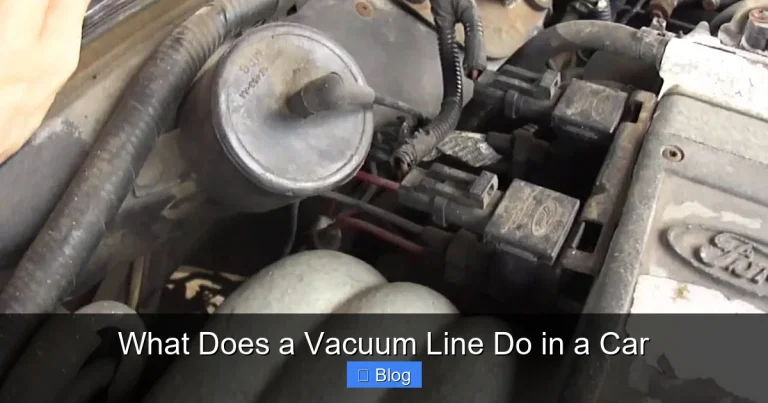
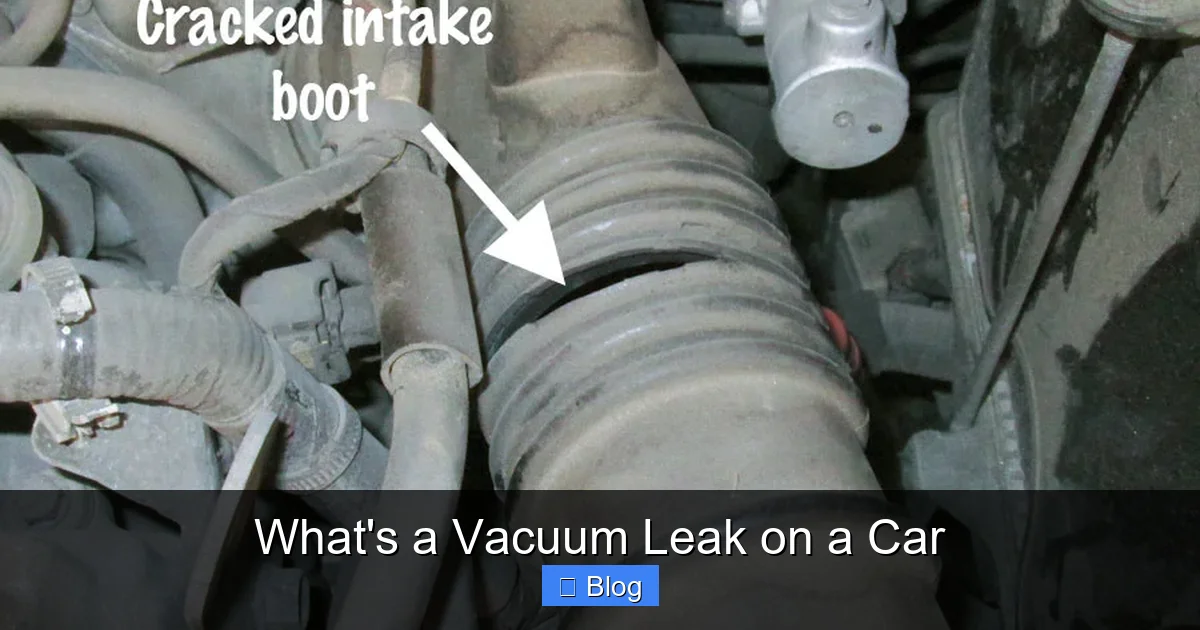
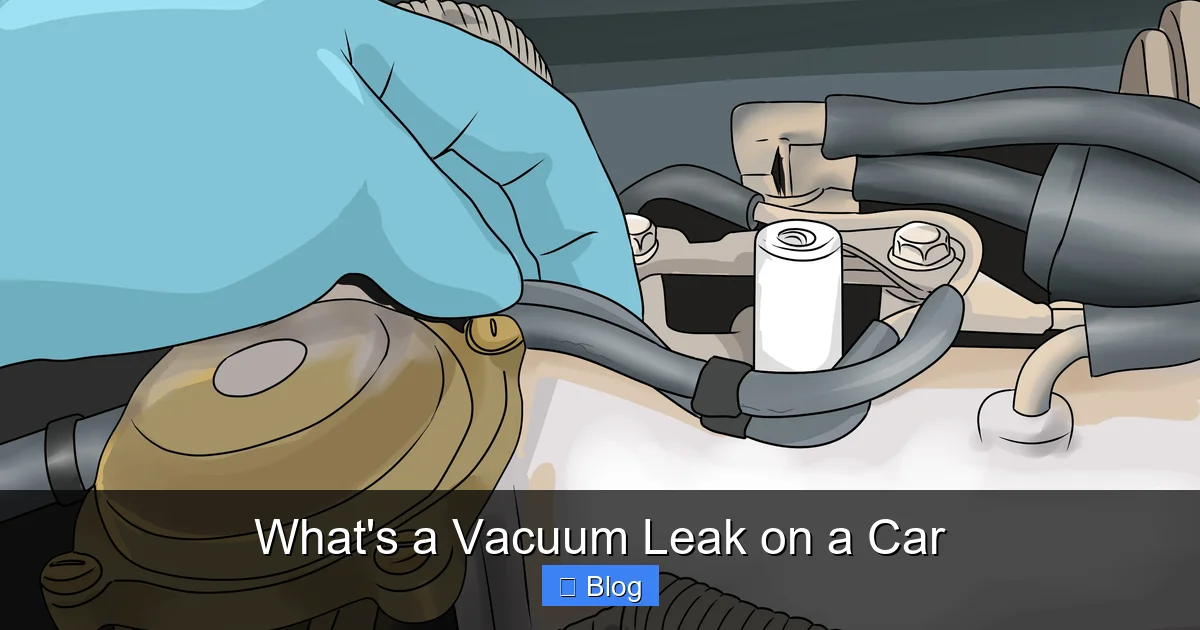
Over time, rubber hoses harden, crack, or become loose. Heat, oil, and age all contribute. These hoses connect components like the intake manifold, PCV valve, and brake booster. Even a tiny crack can let in enough air to cause problems.
Visual guide about What’s a Vacuum Leak on a Car
Image source: wikihow.com
Visual guide about What’s a Vacuum Leak on a Car
Image source: i.ytimg.com
Faulty Intake Manifold Gasket
The gasket seals the intake manifold to the engine block. If it fails, air can sneak in around the edges. This is more common in older engines or those with overheating issues.
Brake Booster Leaks
The brake booster uses engine vacuum to help you press the brake pedal. If its diaphragm or hose fails, it can create a significant leak. You might notice a harder brake pedal along with engine issues.
Throttle Body Gasket Failure
The throttle body controls airflow into the engine. If its gasket is worn or misaligned, air can leak past it.
PCV Valve or Hose Issues
The Positive Crankcase Ventilation (PCV) system recirculates gases. A stuck or leaking PCV valve or hose can introduce unmetered air.
Aftermarket Modifications
Improperly installed cold air intakes, turbo kits, or other performance parts can create leaks if not sealed correctly.
How to Diagnose a Vacuum Leak
Before you start replacing parts, you need to confirm there’s a leak and find where it is. Here’s how to do it step by step.
Step 1: Listen for Hissing Sounds
With the engine running, listen carefully around the intake manifold, hoses, and throttle body. A hissing or whistling noise often points to a leak. Use a mechanic’s stethoscope or a long screwdriver (carefully!) to amplify the sound—place the tip near suspected areas and listen at the handle.
Step 2: Check for Common Symptoms
Note any of the symptoms listed earlier: rough idle, high RPM, hesitation, or a check engine light. Use an OBD2 scanner to read trouble codes. Codes like P0171, P0174, or P0507 often indicate a lean condition or idle control issues.
Step 3: Perform a Visual Inspection
Turn off the engine and inspect all vacuum hoses. Look for:
- Cracks or splits
- Disconnected or loose fittings
- Swollen or soft spots (signs of oil damage)
- Hoses that are hard or brittle
Replace any damaged hoses immediately.
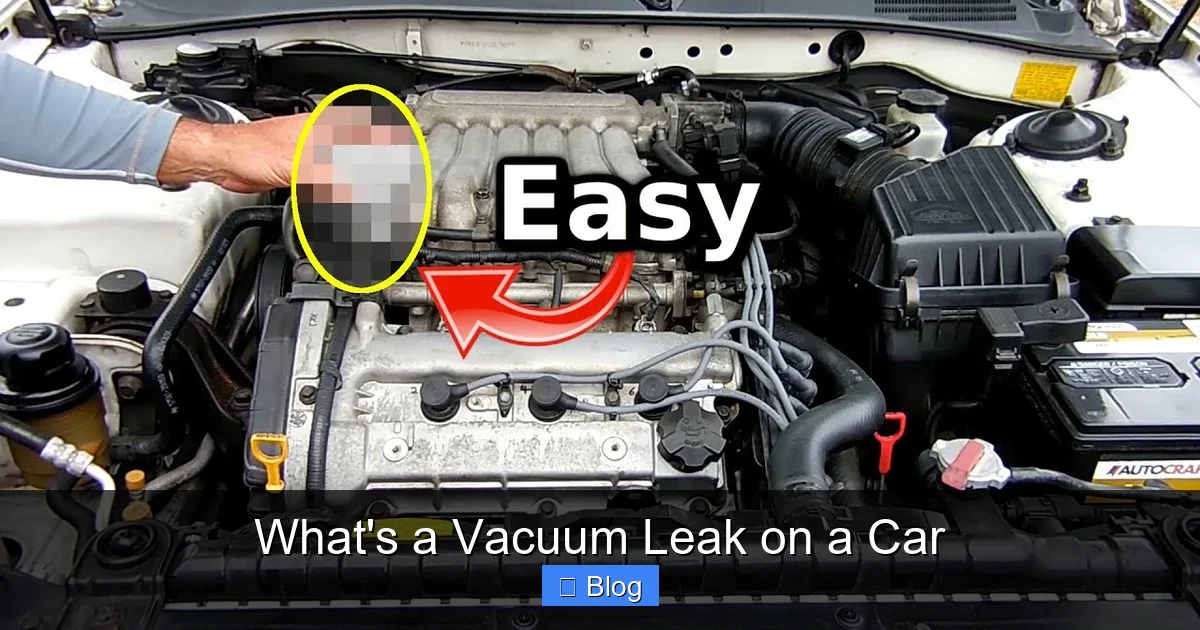
Step 4: Use Carburetor Cleaner or Brake Cleaner (The “Spray Test”)
This is a quick and effective method:
- Start the engine and let it idle.
- Spray small amounts of carb cleaner or brake cleaner around suspected areas (hoses, gaskets, throttle body).
- If the engine RPM increases suddenly, you’ve found a leak—the extra air is being drawn in, and the flammable cleaner temporarily enriches the mixture.
Warning: Only use this method in a well-ventilated area and avoid open flames. Don’t spray near electrical components.
Step 5: Use a Smoke Machine (Professional Method)
A smoke machine fills the intake system with smoke. Wherever smoke escapes, you’ve found a leak. This is the most accurate method and is often used by mechanics. Some auto parts stores rent or loan smoke machines to customers.
Step 6: Check the Brake Booster
Press the brake pedal with the engine off. It should feel firm. Now start the engine—the pedal should sink slightly. If it doesn’t, the booster may have a vacuum leak. Also, listen for a hiss near the booster when you press the brake.
How to Fix a Vacuum Leak
Once you’ve located the leak, it’s time to fix it. Most repairs are straightforward.
Replacing Vacuum Hoses
If a hose is cracked or brittle:
- Identify the hose and note its routing.
- Use pliers to loosen hose clamps (if present).
- Gently twist and pull the hose off.
- Cut the new hose to match the length (if not pre-cut).
- Slide it onto the fittings and secure with clamps.
Use high-quality rubber or silicone hoses rated for engine heat and vacuum pressure.
Fixing Intake Manifold Gasket Leaks
This is more involved and may require removing the intake manifold. If you’re not experienced, consider consulting a mechanic. However, for minor leaks, you can try:
- Cleaning the mating surfaces thoroughly.
- Applying a high-temperature RTV silicone sealant (if recommended by your vehicle’s specs).
- Reinstalling with a new gasket.
Always torque bolts to manufacturer specifications in the correct sequence.
Repairing Brake Booster Leaks
If the booster itself is leaking, it may need replacement. If it’s just the hose:
- Disconnect the vacuum hose from the booster and intake manifold.
- Inspect the check valve (usually inside the booster nipple)—it should only allow air one way.
- Replace the hose and valve if necessary.
Test the brake pedal feel after repair.
Sealing Throttle Body or PCV Leaks
Remove the throttle body or PCV valve and inspect the gasket. Clean all surfaces and replace the gasket. Reinstall carefully to avoid cross-threading bolts.
Troubleshooting Tips
- If the problem persists after repair: Double-check all connections. Sometimes a second, smaller leak is present.
- If you used the spray test: Be patient—some leaks only show up under load or when the engine is warm.
- If you replaced hoses: Make sure they’re routed correctly. Incorrect routing can cause new issues.
- If the check engine light stays on: Clear the codes with an OBD2 scanner and drive the car for a few days. The light may take time to reset.
Conclusion
A vacuum leak might sound complicated, but it’s one of the most common—and fixable—car problems. By understanding what a vacuum leak is, recognizing the symptoms, and using simple diagnostic tools, you can save time and money by tackling the repair yourself.
Start with a visual inspection and the spray test. Most leaks are in hoses or gaskets and can be fixed in under an hour. For more complex issues, don’t hesitate to consult a professional.
Remember: a healthy engine runs on balance. Keep that air-fuel mix just right, and your car will thank you with smooth performance and better fuel economy.