How to Tell If a Car Has a Vacuum Leak
Detecting a vacuum leak early saves you from costly repairs and poor engine performance. This guide walks you through identifying common signs (rough idling, hissing sounds) and practical DIY tests using carb cleaner or an OBD-II scanner. You’ll also learn which parts are most prone to leaks and how to fix them.
Learn how to how to tell if a car has a vacuum leak.
Key Takeaways
- Symptom recognition: Rough idle, stalling, surging, or hissing noises near vacuum lines are classic signs of a leak.
- DIY testing methods: Use carb cleaner spray or an OBD-II scanner to pinpoint leaks by observing RPM changes or error codes.
- Common leak locations: Check vacuum hoses, intake manifold gaskets, throttle body seals, and PCV valves.
- Preventive maintenance: Inspect hoses annually for cracks, splits, or loose connections to avoid sudden failures.
- When to call a pro: If DIY tests fail or leaks are complex (e.g., intake manifold gasket), seek professional help.
[FEATURED_IMAGE_PLACEHOLDER]
What Is a Vacuum Leak?
A vacuum leak occurs when unmetered air enters the engine’s combustion chamber bypassing the air-fuel mixture. This disrupts engine timing, causing symptoms like rough idling, hesitation, or even check engine lights (CEL). Common culprits include cracked hoses, loose clamps, or worn-out gaskets. Addressing leaks promptly improves fuel efficiency, reduces emissions, and prevents further damage.
Signs Your Car Has a Vacuum Leak
- Rough idle: The engine runs unevenly, especially at low speeds.
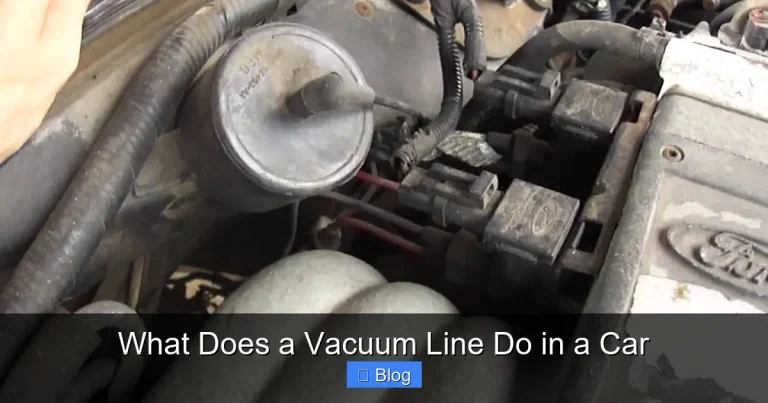
- Hissing noise: Listen for air escaping from hoses or intake components.
- Surging or misfires: RPM fluctuates unpredictably under load.
- Fuel economy drop: Unmetered air causes richer-than-needed mixtures.
- Check Engine Light: Codes like P0171 (lean condition) may trigger.
How to Test for a Vacuum Leak Step-by-Step
Method 1: Carb Cleaner Spray Test
- Locate vacuum lines: Trace hoses from the intake manifold, throttle body, and PCV valve. Look for cracks, splits, or loose fittings.
- Spray carb cleaner: Hold the can 6 inches away along suspected hoses. Watch for RPM spikes if air is leaking there.
- Repeat: Systematically test each hose until the RPM jump stops—that’s the leak!
- Repair: Replace damaged hoses or tighten clamps; use silicone sealant for minor cracks.
Method 2: Smoke Machine Inspection
- Setup: Connect a smoke machine to the intake manifold while running the engine.
- Observe: Smoke will escape from leaky areas, making them visible even without spraying.
- Note: Best for stubborn leaks where carb cleaner misses small cracks.
Method 3: OBD-II Scanner for Codes
- Connect scanner: Plug into OBD-II port (under dashboard).
- Read codes: Look for P0171/P0175 (lean condition) indicating unmetered air entry.
- Clear and retest: After fixing leaks, clear codes and verify the light doesn’t return.
| Test Method | Best For | Time Estimate | Cost |
|---|---|---|---|
| Carb cleaner spray | Quick, no tools needed | 5–15 minutes | $0–$5 (spray can) |
| Smoke machine | Small, hidden leaks | 30–60 minutes | $50–$150 (rental) |
| OBD-II scanner | Code-based diagnosis | 10–20 minutes | $20–$100 (scanner cost) |
Troubleshooting Common Vacuum Leaks
- Loose hose clamps: Tighten with a screwdriver; replace if corroded.
- Cracked hoses: Substitute with new silicone or reinforced rubber hoses.
- Intake manifold gasket failure: Requires professional replacement due to engine disassembly.
- PCV valve clogged: Shake it—if it rattles freely, swap it out.
Preventing Future Vacuum Leaks
- Annual inspection: Check all hoses, clamps, and connections before cold weather.
- Use quality materials: Avoid cheap, brittle hoses that crack easily.
- Store properly: Keep unused hoses sealed to prevent drying/cracking.
When to Call a Mechanic
If DIY tests fail, leaks persist after repairs, or you hear persistent hissing (indicating internal engine issues), consult a professional. Intake manifold gaskets and EGR tube repairs often require specialized tools.
Quick Answers to Common Questions
Tip/Question?
Tip: Listen for leaks with the engine running—hissing is easier to hear than when idling slowly.
Tip/Question?
Tip: Use a flashlight to inspect dark hoses for cracks; UV dye can highlight leaks too.
Tip/Question?
Tip: If carb cleaner doesn’t work, try soapy water—bubbles indicate leaks.
Tip/Question?
Tip: A sticky smell from the engine bay? It’s likely oil leaking past a gasket.
Tip/Question?
Tip: Always disconnect battery before working on electrical vacuum components.
Quick Reference
| Symptom | Likely Cause | What to Do |
|---|---|---|
| Rough idle or stalling | Missing vacuum hose, cracked intake manifold gasket | Inspect hoses and gaskets; listen for hissing sounds |
| Poor fuel efficiency | Air entering the engine unmetered (lean condition) | Check for loose connections or damaged rubber lines |
| Engine misfires | Vacuum leak disrupting air-fuel mixture | Use carb cleaner spray around hoses while idling |
| Check Engine Light (P0171/P0174 codes) | Oxygen sensor detects lean condition from air intrusion | Scan codes with OBD-II tool; confirm vacuum leak cause |
| Noises like whistling or hissing | Leaking vacuum line near intake manifold | Locate source by spraying carb cleaner nearby |