Will Vacuum Leak Cause Car Not to Start?
A vacuum leak can absolutely cause a car not to start, especially in fuel-injected engines. This guide walks you through identifying symptoms, locating leaks, and fixing them safely and effectively. You’ll save time and money by tackling this common issue yourself.
Yes, a vacuum leak can cause a car not to start. A leak disrupts the air-fuel mixture in the engine, leading to poor combustion. If the leak is significant, the engine may struggle to get enough fuel or air, preventing ignition. Common signs include rough idle, hissing noises, and difficulty starting the car.
Key Takeaways
- Vacuum leaks disrupt air-fuel mixture: They allow unmetered air into the engine, causing a lean condition that can prevent starting or cause rough idle.
- Common signs include hard starting, stalling, and hissing sounds: Listen for unusual noises and watch for erratic engine behavior.
- Check common leak points first: Focus on vacuum hoses, intake manifold gaskets, brake booster lines, and PCV valves.
- Use simple tools to detect leaks: A spray bottle with soapy water or carb cleaner can help pinpoint leak locations.
- Replace cracked or brittle hoses immediately: Old rubber degrades over time and is a frequent source of leaks.
- Modern engines are more sensitive to vacuum issues: Even small leaks can trigger check engine lights or prevent startup.
- Prevention is key: Regular inspection during oil changes can catch problems before they leave you stranded.
Quick Answers to Common Questions
Tip/Question?
Can a small vacuum leak really stop my car from starting?
Tip/Question?
Yes—even a tiny leak can disrupt the air-fuel ratio enough to prevent combustion, especially in cold or high-altitude conditions.
Tip/Question?
What’s the easiest way to find a vacuum leak without special tools?
Tip/Question?
Use the spray test with soapy water or carb cleaner while the engine is running. Listen for changes in idle speed.
Tip/Question?
Should I replace all vacuum hoses at once if one is leaking?
Tip/Question?
Not necessarily, but if your car is over 10 years old, consider inspecting and replacing brittle hoses preventively.
Tip/Question?
Can a vacuum leak cause other problems besides starting issues?
Tip/Question?
Yes—it can lead to poor fuel economy, rough idle, hesitation, and even trigger the check engine light.
Tip/Question?
Is it safe to drive with a known vacuum leak?
Tip/Question?
It’s not recommended. A severe leak can cause engine damage over time and may leave you stranded.
Will Vacuum Leak Cause Car Not to Start?
If your car won’t start—especially if it cranks but refuses to fire up—you might be dealing with a vacuum leak. While many drivers assume starting issues are always battery or fuel-related, vacuum leaks are a surprisingly common culprit, particularly in older vehicles or those with high mileage. Understanding how vacuum systems work and how leaks affect engine performance can help you diagnose and fix the problem quickly.
In this guide, you’ll learn what a vacuum leak is, why it can stop your car from starting, how to spot the symptoms, and step-by-step methods to find and repair the leak. Whether you’re a DIY enthusiast or just trying to avoid a costly mechanic visit, this guide will give you the knowledge and confidence to tackle the issue.
What Is a Vacuum Leak?
Visual guide about Will Vacuum Leak Cause Car Not to Start
Image source: i.ytimg.com
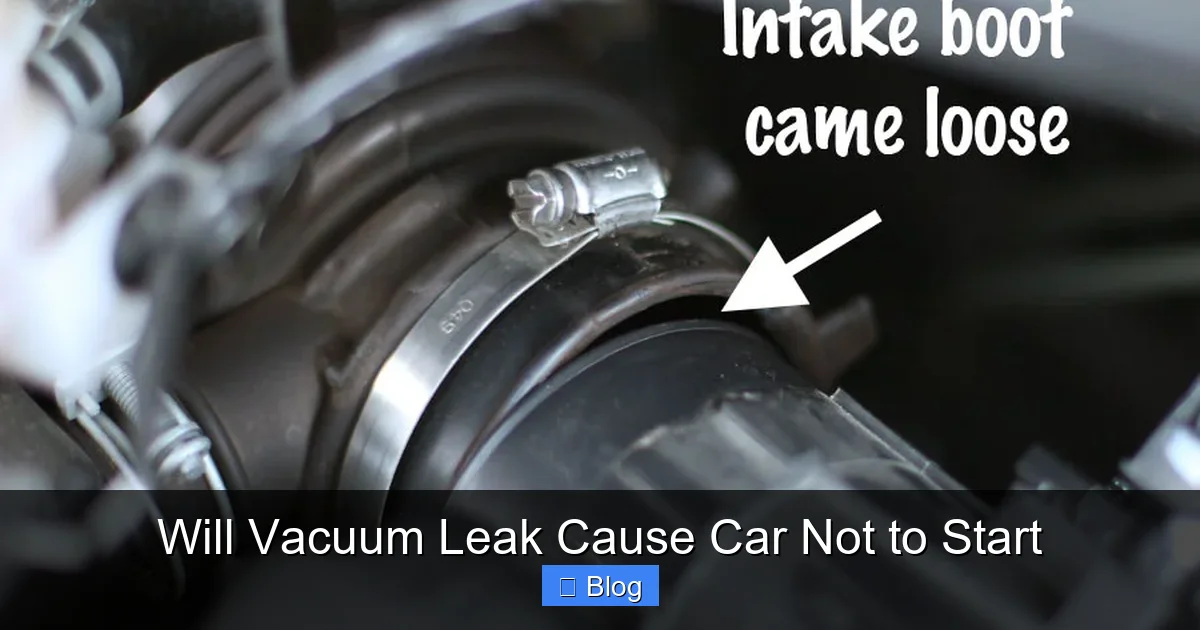
A vacuum leak occurs when unmetered air enters the engine’s intake system through a gap, crack, or disconnected hose. Your engine relies on a precise balance of air and fuel to run efficiently. The mass airflow (MAF) sensor or manifold absolute pressure (MAP) sensor measures incoming air so the engine control unit (ECU) can inject the right amount of fuel.
When extra air sneaks in past these sensors—through a broken hose, loose gasket, or cracked intake manifold—the ECU doesn’t account for it. This creates a “lean” air-fuel mixture (too much air, not enough fuel), which can cause misfires, rough idling, stalling, and in severe cases, prevent the engine from starting at all.
Why a Vacuum Leak Can Prevent Your Car from Starting
Visual guide about Will Vacuum Leak Cause Car Not to Start
Image source: dmbsportscamp.com
You might wonder: if the engine is getting more air, why wouldn’t it run better? The answer lies in how modern engines manage combustion. The ECU is programmed to maintain a specific air-fuel ratio—typically around 14.7:1 for gasoline engines under normal conditions. When a vacuum leak introduces extra air, the mixture becomes too lean to ignite properly.
Here’s what happens:
– The spark plugs may not be able to ignite the overly lean mixture.
– The engine may crank but fail to start because combustion isn’t occurring efficiently.
– In some cases, the engine might start briefly then stall immediately due to unstable combustion.
This is especially true in cold weather or when the engine is cold, as the ECU relies heavily on sensor data to adjust fuel delivery. A significant vacuum leak can overwhelm the system’s ability to compensate.
Common Signs of a Vacuum Leak
Before diving into repairs, it’s important to confirm that a vacuum leak is the issue. Look for these telltale symptoms:
- Hard starting: The engine cranks but takes longer than usual to fire up.
- Rough idle or stalling: Once running, the engine may idle roughly or die when you come to a stop.
- Hissing or whistling noise: A small leak often produces a high-pitched sound near the engine, especially when the hood is open.
- Check Engine Light (CEL): The ECU may detect a lean condition and trigger codes like P0171 (System Too Lean Bank 1) or P0174 (System Too Lean Bank 2).
- Poor acceleration or hesitation: The engine may feel sluggish or stumble when you press the gas.
If you notice one or more of these signs—especially combined with a no-start condition—a vacuum leak should be high on your list of suspects.
Step-by-Step Guide to Finding a Vacuum Leak
Now that you know what to look for, let’s walk through how to locate the leak. You don’t need expensive tools—just a few basics and a bit of patience.
Gather Your Tools
You’ll need:
– A flashlight
– A spray bottle filled with soapy water or carburetor cleaner
– A vacuum hose diagram (check your vehicle’s service manual or online)
– Safety glasses and gloves
– A helper (optional, but helpful)
Inspect Visible Hoses and Connections
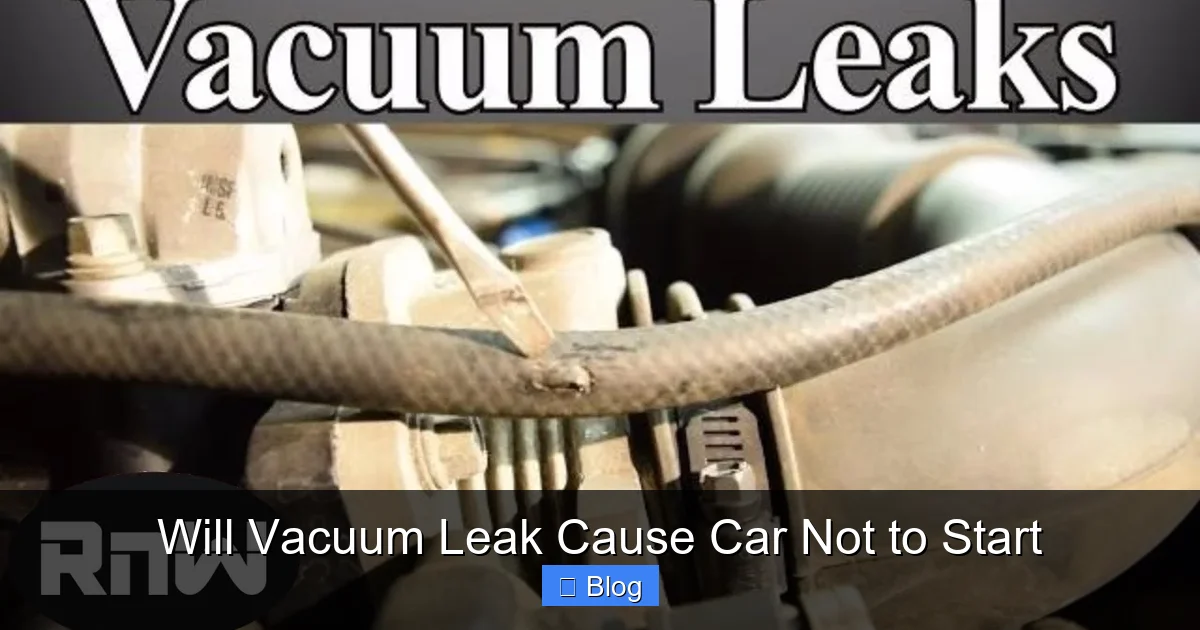
Start by visually inspecting all vacuum hoses under the hood. Look for:
– Cracks, splits, or brittleness
– Hoses that are loose, disconnected, or melted
– Swollen or soft rubber (signs of oil or heat damage)
Pay special attention to:
– The intake manifold gasket
– Brake booster vacuum hose
– PCV (Positive Crankcase Ventilation) valve and hose
– EGR (Exhaust Gas Recirculation) valve connections
– Throttle body gasket
Use the “Spray Test” to Locate Leaks
This is a simple and effective method:
1. Start the engine and let it idle.
2. With the engine running, carefully spray small amounts of soapy water or carb cleaner around suspected areas.
3. If the engine RPMs increase or the idle smooths out when you spray a particular spot, that’s likely where the leak is.
Why it works: The engine sucks in the sprayed liquid, temporarily sealing the leak and changing the air-fuel mixture. The change in idle speed confirms the location.
Safety tip: Never spray near hot exhaust components or electrical parts. Use carb cleaner sparingly—it’s flammable.
Check the Brake Booster
The brake booster uses engine vacuum to assist braking. A leak here can affect starting and braking performance.
– Turn off the engine and press the brake pedal several times. It should get harder with each press.
– Hold the pedal down and start the engine. The pedal should sink slightly—if not, the booster or its hose may be leaking.
Use a Smoke Machine (Advanced Method)
For a more precise diagnosis, some DIYers and mechanics use a smoke machine. It pumps non-toxic smoke into the intake system, and leaks appear as smoke escaping from cracks or loose connections. While not essential, this method is highly effective for hard-to-find leaks.
How to Fix a Vacuum Leak
Once you’ve located the leak, the fix is usually straightforward.
Replace Damaged Hoses
– Cut out the damaged section or replace the entire hose if it’s cracked or brittle.
– Use OEM or high-quality replacement hoses that match the original diameter and temperature rating.
– Secure connections with new clamps if needed.
Replace Gaskets
– If the intake manifold or throttle body gasket is leaking, you’ll need to remove the component and install a new gasket.
– Clean the mating surfaces thoroughly before reinstalling.
– Torque bolts to manufacturer specifications to avoid warping.
Tighten or Reconnect Loose Fittings
Sometimes, a hose just needs to be pushed back on securely. Make sure all connections are snug and not cracked at the ends.
Test the Repair
After fixing the leak:
– Start the engine and listen for changes in idle.
– Use the spray test again to confirm the leak is gone.
– Take the car for a short drive to ensure it runs smoothly.
Troubleshooting Tips
– If the car still won’t start after fixing the leak: Check the fuel system, spark plugs, and battery. A vacuum leak may not have been the only issue.
– If the Check Engine Light remains on: Use an OBD2 scanner to clear the codes and see if they return.
– If you’re unsure about a component: Consult your vehicle’s service manual or an online forum for your make and model.
Preventing Future Vacuum Leaks
Vacuum leaks often result from aging rubber components. To avoid repeat issues:
– Inspect vacuum hoses during every oil change.
– Replace hoses every 5–7 years, even if they look okay.
– Keep the engine bay clean to prevent oil and grime from degrading rubber.
– Use dielectric grease on electrical connectors to prevent corrosion that can affect sensor readings.
Conclusion
So, will a vacuum leak cause a car not to start? Absolutely—especially if the leak is large or located in a critical part of the intake system. While it might not be the first thing you think of when your car won’t start, it’s a common and often overlooked issue that can be diagnosed and fixed with basic tools and a little know-how.
By learning to recognize the symptoms, using simple detection methods, and knowing how to repair common leak points, you can save yourself a trip to the mechanic and get back on the road faster. Regular maintenance and inspection are your best defenses against vacuum leaks, so make it part of your routine.
Don’t let a hissing sound or a stubborn no-start condition leave you stranded. With the knowledge from this guide, you’re equipped to handle vacuum leaks like a pro.