Will a Vacuum Leak Cause Car Not to Start?
A vacuum leak can absolutely cause a car not to start, especially in fuel-injected engines that rely on precise air-fuel ratios. This guide walks you through the symptoms, causes, and step-by-step fixes to help you troubleshoot and resolve the issue quickly and safely.
Yes, a vacuum leak can cause a car not to start. When there’s a significant vacuum leak, the engine may receive too much air and not enough fuel, leading to a lean mixture. This can prevent proper combustion, making it difficult or impossible for the engine to start until the leak is fixed.
Key Takeaways
- Vacuum leaks disrupt the air-fuel mixture: Unmetered air entering the engine confuses the ECU, leading to hard starts or no-start conditions.
- Common symptoms include rough idle, stalling, and check engine lights: These signs often point to a vacuum issue before the car fails to start.
- Hoses, intake gaskets, and brake boosters are frequent culprits: Inspect these components first when diagnosing a leak.
- You can test for leaks with simple tools: A spray bottle of soapy water or carb cleaner helps locate leaks without expensive equipment.
- Ignoring a vacuum leak can damage sensors and reduce fuel efficiency: Early detection prevents long-term engine problems.
- Modern engines are more sensitive to vacuum leaks: Even small leaks can cause starting issues due to tighter engine management systems.
- Professional diagnosis may be needed for hidden leaks: If DIY methods fail, a mechanic with a smoke machine can pinpoint hard-to-find leaks.
Quick Answers to Common Questions
Tip/Question?
Can a small vacuum leak cause a no-start? Yes, especially in modern engines with tight tolerances. Even a tiny crack can disrupt the air-fuel mixture enough to prevent ignition during startup.
Tip/Question?
Is it safe to drive with a vacuum leak? Not recommended. It can cause poor performance, increased emissions, and potential damage to oxygen sensors or the catalytic converter.
Tip/Question?
How much does it cost to fix a vacuum leak? Simple hose replacements cost $10–$50 in parts. Gasket or booster repairs can range from $100 to $500+, depending on labor and vehicle type.
Tip/Question?
Can a vacuum leak cause a misfire? Yes. Unmetered air can cause one or more cylinders to run lean, leading to misfires, especially under load or at idle.
Tip/Question?
Do vacuum leaks affect cold starts more than warm starts? Often, yes. Cold engines need a richer mixture, so a lean condition from a vacuum leak is more likely to prevent starting when the engine is cold.
Will a Vacuum Leak Cause Car Not to Start?
If your car cranks but won’t start—or struggles to turn over—you might be dealing with a vacuum leak. While it’s not the most common cause of a no-start condition, a significant vacuum leak can absolutely prevent your engine from starting, especially in modern fuel-injected vehicles. Understanding how vacuum systems work and how leaks affect engine performance is key to diagnosing and fixing the problem.
In this guide, you’ll learn what a vacuum leak is, how it impacts your engine’s ability to start, the most common symptoms to watch for, and step-by-step instructions to find and fix the issue. Whether you’re a DIY enthusiast or just want to understand what your mechanic is talking about, this guide will give you the knowledge and confidence to tackle vacuum leak problems head-on.
What Is a Vacuum Leak?
Visual guide about Will a Vacuum Leak Cause Car Not to Start
Image source: samarins.com
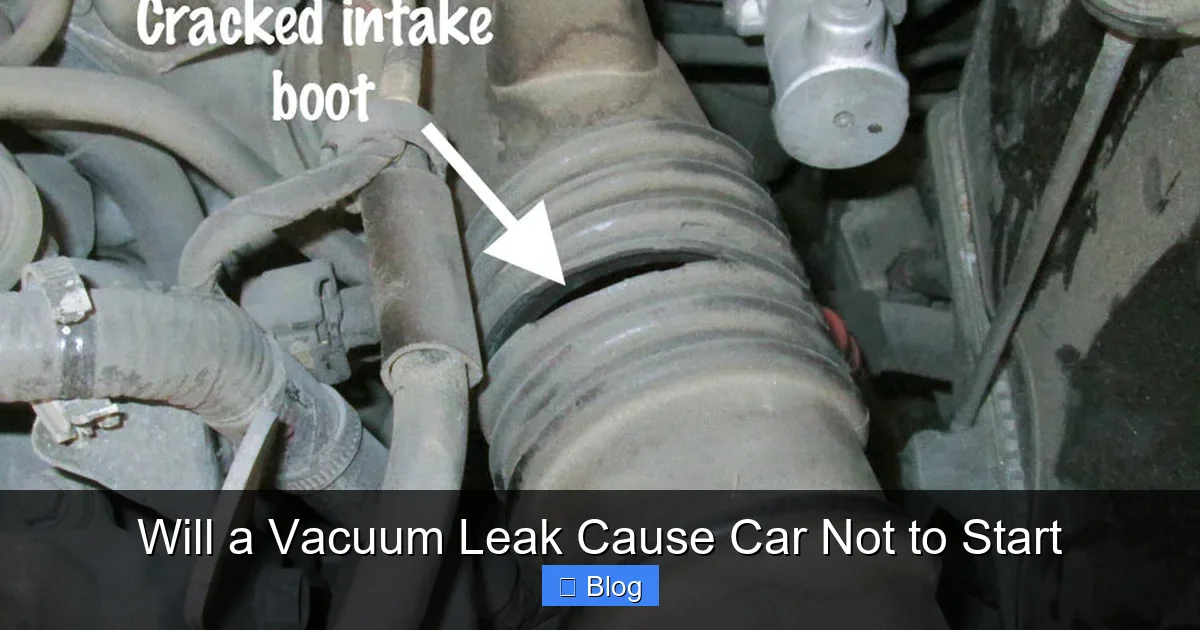
A vacuum leak occurs when unmetered air enters the engine’s intake system through a crack, loose connection, or damaged component. Your engine relies on a precise balance of air and fuel to run efficiently. The mass airflow (MAF) sensor or manifold absolute pressure (MAP) sensor measures how much air is entering the engine so the engine control unit (ECU) can inject the right amount of fuel.
When extra air sneaks in through a leak, the ECU doesn’t account for it. This throws off the air-fuel ratio, making it too lean (too much air, not enough fuel). In mild cases, this causes rough idling or poor performance. In severe cases—especially during startup—the engine may not get the right mixture to ignite, resulting in a no-start condition.
How a Vacuum Leak Prevents Your Car from Starting
Visual guide about Will a Vacuum Leak Cause Car Not to Start
Image source: 2carpros.com
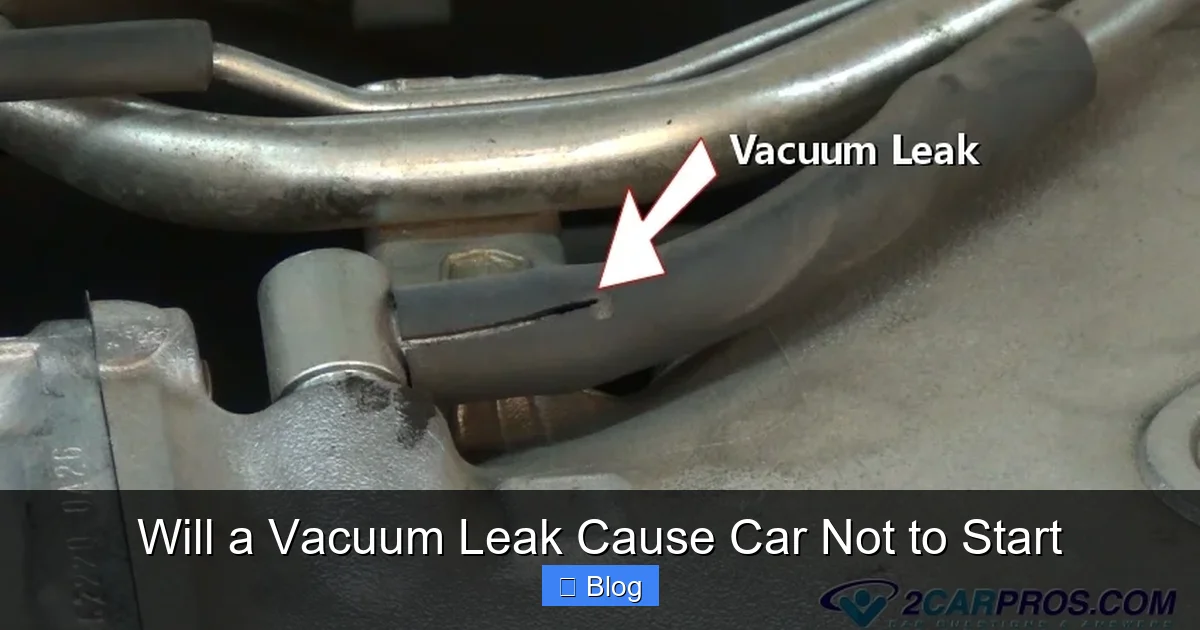
During startup, your engine needs a rich fuel mixture to ignite properly. If a vacuum leak introduces too much air, the mixture becomes too lean to combust. This is especially problematic in cold weather or when the engine is already struggling.
Modern engines with electronic fuel injection are particularly sensitive. The ECU constantly adjusts fuel delivery based on sensor input. A large vacuum leak can overwhelm the system, causing the ECU to miscalculate fuel needs. The result? The engine cranks but never fires up.
Even small leaks can cause issues over time. As engine components wear or hoses dry out, tiny cracks develop. These may not cause immediate problems but can grow into serious issues that prevent starting.
Common Symptoms of a Vacuum Leak
Before your car fails to start, you’ll likely notice other warning signs. Recognizing these early can save you time and money.
Rough or Erratic Idle
One of the earliest signs is an unstable idle. The engine may surge, stumble, or even stall when stopped. This happens because the extra air disrupts the combustion process.
Check Engine Light
A vacuum leak often triggers diagnostic trouble codes (DTCs) like P0171 (system too lean) or P0174 (bank 2 too lean). These codes indicate the ECU is detecting a lean condition, possibly due to unmetered air.
Hissing or Squealing Noise
Listen for a high-pitched hiss near the engine, especially when the hood is open. This sound often comes from a cracked hose or loose intake manifold gasket.
Poor Fuel Economy
A lean mixture forces the ECU to inject more fuel to compensate, which can reduce gas mileage over time.
Hard Starting or No Start
When the leak is severe, the engine may crank but refuse to start. This is most common after the engine has been sitting or in cold weather.
Step-by-Step Guide to Diagnosing a Vacuum Leak
Now that you know the signs, let’s walk through how to find and fix a vacuum leak.
Step 1: Visual Inspection
Start with a thorough visual check under the hood. Look for:
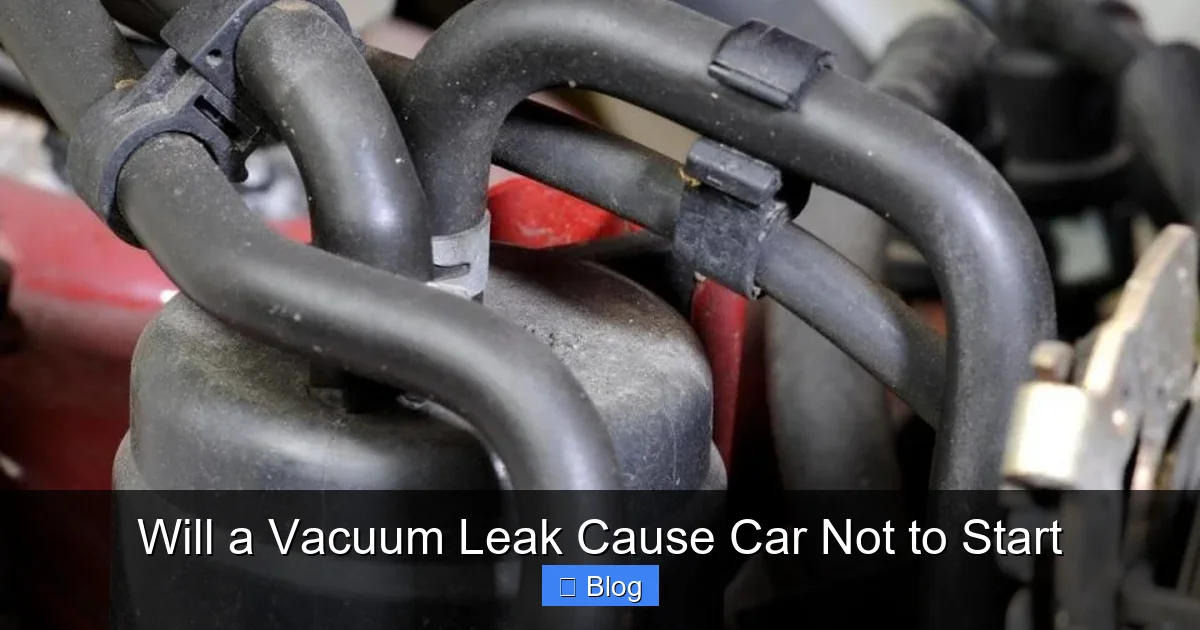
- Cracked, brittle, or disconnected vacuum hoses
- Looseness around the intake manifold
- Damaged or missing grommets
- Signs of oil or coolant leaks near gaskets
Common problem areas include the PCV valve hose, brake booster line, and vacuum lines connected to the intake manifold.
Step 2: Use the Spray Test
This simple method helps locate active leaks:
- Start the engine and let it idle.
- Spray small amounts of soapy water or carburetor cleaner around suspected areas (hoses, gaskets, throttle body).
- If the engine RPM increases or smooths out, you’ve found the leak—the fluid is being sucked into the intake.
Caution: Never spray flammable liquids near hot engine parts or electrical components.
Step 3: Check the Brake Booster
The brake booster uses engine vacuum to assist braking. A leak here can affect engine performance:
- Pump the brake pedal with the engine off. It should feel firm after a few pumps.
- Start the engine—the pedal should sink slightly.
- If the pedal doesn’t move or feels hard, the booster or its vacuum hose may be leaking.
Step 4: Inspect the Intake Manifold Gasket
A failing intake manifold gasket is a common source of vacuum leaks, especially in older vehicles. Look for:
- Oil or coolant around the gasket
- Hissing near the manifold
- Misfires or rough running
Replacing this gasket requires removing the intake manifold—best left to experienced DIYers or professionals.
Step 5: Use a Smoke Machine (Professional Method)
For hidden or intermittent leaks, a smoke machine is the most effective tool. It pumps non-toxic smoke into the intake system and reveals leaks as smoke escapes. Many auto shops offer this service for a reasonable fee.
How to Fix a Vacuum Leak
Once you’ve located the leak, the fix depends on the cause.
Replace Damaged Hoses
Most vacuum hoses are inexpensive and easy to replace:
- Identify the correct diameter and length.
- Use OEM or high-quality replacement hoses.
- Secure connections with new clamps if needed.
Re-Seal or Replace Gaskets
If the intake manifold or throttle body gasket is leaking:
- Clean all mating surfaces thoroughly.
- Use the correct gasket material (rubber, silicone, or metal).
- Torque bolts to manufacturer specifications to avoid warping.
Repair or Replace the Brake Booster
If the booster is faulty:
- Test the vacuum hose first—replace if cracked.
- If the booster itself is leaking, it must be replaced.
- Always bench-bleed the brake system after replacement.
Troubleshooting Tips
Not every no-start condition is caused by a vacuum leak. Here’s how to rule out other issues:
- Check fuel pressure: A weak fuel pump or clogged filter can mimic vacuum leak symptoms.
- Test spark and ignition: Use a spark tester to confirm the engine is getting a strong spark.
- Scan for codes: An OBD2 scanner can reveal if the ECU is detecting a lean condition or other faults.
- Inspect the MAF sensor: A dirty or faulty MAF can cause similar problems—clean or replace if needed.
Conclusion
So, will a vacuum leak cause a car not to start? The answer is yes—especially if the leak is large or located in a critical part of the intake system. While not the most common cause of a no-start condition, vacuum leaks are often overlooked and can lead to frustrating breakdowns.
By learning to recognize the symptoms and following a systematic approach to diagnosis and repair, you can save time, money, and avoid unnecessary part replacements. Start with a visual inspection, use the spray test for quick results, and don’t hesitate to seek professional help for complex issues.
Regular maintenance—like checking hoses during oil changes—can prevent vacuum leaks before they start. Keep your engine’s air-fuel ratio in balance, and your car will start reliably, run smoothly, and last longer.