What Is a Vacuum Leak on Car?
A vacuum leak on a car happens when unmetered air enters the engine through a crack or disconnected hose, disrupting the air-fuel mixture. This can lead to rough idling, engine stalling, decreased fuel efficiency, and poor overall performance. Detecting a vacuum leak early is crucial to avoid more serious engine problems.
Common signs of a vacuum leak on a car include a high or uneven idle, a hissing sound from the engine bay, and difficulty starting the engine. You may also notice a check engine light or reduced acceleration, as the engine struggles to maintain the correct air-fuel balance. Small leaks can cause significant performance issues if left unaddressed.
Regular inspection of hoses, gaskets, and intake components can help prevent vacuum leaks. Addressing a vacuum leak on a car promptly ensures smoother engine operation, improved fuel efficiency, and prevents long-term damage to the engine’s internal parts.
What Is a Vacuum Leak on Car?
Ever notice your car acting a little “off”? Maybe the engine idles roughly, or that pesky Check Engine Light just won’t go away. These could be signs of a common but often misunderstood problem: a vacuum leak. Understanding what is a vacuum leak on car is crucial for any vehicle owner, as it can impact everything from your car’s performance to its fuel efficiency and even its long-term health.
In this comprehensive guide, we’re going to demystify the vacuum leak on car. We’ll explore what your car’s vacuum system does, how to spot the telltale symptoms of a leak, delve into the common causes, and provide practical, step-by-step methods for diagnosing and repairing the issue. By the end of this read, you’ll be equipped with the knowledge to tackle a vacuum leak with confidence, saving yourself potential headaches and repair costs.
Key Takeaways
- Definition: A vacuum leak on car is when unmetered air enters the engine’s intake system, bypassing the air mass sensor and disrupting the crucial air-fuel ratio.
- Common Symptoms: Look out for signs like a rough or high idle, engine stalling, an illuminated Check Engine Light (often with P0171/P0174 codes), poor fuel economy, and distinct hissing or whistling sounds under the hood.
- Typical Causes: Vacuum leaks are frequently caused by aged, cracked, or loose vacuum hoses; deteriorated intake manifold gaskets or O-rings; a faulty PCV valve or hose; or a leaking brake booster.
- Diagnostic Methods: Finding a vacuum leak on car often involves a combination of listening for sounds, visual inspection, using a professional smoke machine, or carefully applying carburetor cleaner or propane around suspect areas.
- Impact of Neglect: Ignoring a vacuum leak can lead to reduced engine performance, increased emissions, accelerated wear on catalytic converters and oxygen sensors, and potentially more costly repairs over time.
- Repair Solutions: Fixing a vacuum leak typically involves identifying the specific compromised component and replacing the damaged hose, gasket, or valve, which can often be a straightforward DIY task for the mechanically inclined.
- Preventative Measures: Regular visual inspections of vacuum lines and connections, especially on older vehicles, can help identify and address potential weaknesses before they develop into full-blown vacuum leaks.
Quick Answers to Common Questions
Can I drive with a vacuum leak?
While you *can* drive with a vacuum leak, it’s not recommended long-term. It reduces fuel economy, increases emissions, and can cause your engine to run lean, potentially leading to damage to oxygen sensors, catalytic converters, or even internal engine components over time. Address it as soon as possible.
What’s the cheapest way to find a vacuum leak?
The cheapest method for finding a vacuum leak on car is often a thorough visual inspection and listening for hissing sounds with the engine running. For more elusive leaks, carefully using unlit propane or a can of carburetor cleaner (with extreme caution and a fire extinguisher nearby) can help pinpoint the leak by causing a temporary RPM change.
Does a vacuum leak affect brakes?
Yes, a vacuum leak can significantly affect your brakes, especially if the leak is in the brake booster or its vacuum line. This can result in a much harder brake pedal and reduced braking effectiveness, creating a serious safety hazard. If you suspect a brake booster leak, have it checked immediately.
How long does it typically take to fix a vacuum leak?
The time it takes to fix a vacuum leak on car varies widely. If it’s a simple cracked hose that’s easily accessible, it might take only 15-30 minutes. If the leak is a deeply buried intake manifold gasket, it could take several hours, involving the removal of many other components.
Is a smoke test always necessary to find a vacuum leak?
No, a smoke test isn’t always necessary, but it’s often the most effective and safest method for diagnosing a difficult-to-find vacuum leak on car. Many simple leaks can be found through visual inspection or by listening, but for persistent Check Engine Lights or subtle symptoms, a smoke test can save a lot of guesswork.
What is Your Car’s Vacuum System?
Before we dive into what happens when something goes wrong, let’s understand how your car’s vacuum system works. Think of your engine as a giant air pump. As the pistons move down during the intake stroke, they create a low-pressure area, or suction, inside the intake manifold. This suction is called engine vacuum.
The Role of Engine Vacuum
Engine vacuum isn’t just a byproduct; it’s a vital force harnessed for many functions beyond simply pulling air into the engine for combustion. It’s used to:
- Assist braking: The brake booster relies on vacuum to amplify your foot’s pressure on the brake pedal, making it easier to stop.
- Control emissions: Components like the PCV (Positive Crankcase Ventilation) system and EGR (Exhaust Gas Recirculation) valve use vacuum to manage emissions and engine blow-by gases.
- Operate HVAC controls: In many older and some newer vehicles, vacuum actuators control blend doors and vents for your heating and air conditioning.
- Regulate fuel pressure: A vacuum reference helps the fuel pressure regulator maintain optimal fuel delivery to the injectors.
- Engage 4WD or lock hubs: Some 4×4 systems use vacuum to engage the front differential or locking hubs.
Essentially, engine vacuum is a versatile power source, and a healthy vacuum system is critical for your car to run smoothly and efficiently.
Components of the Vacuum System
Your car’s vacuum system is a network of interconnected parts. Key components include:
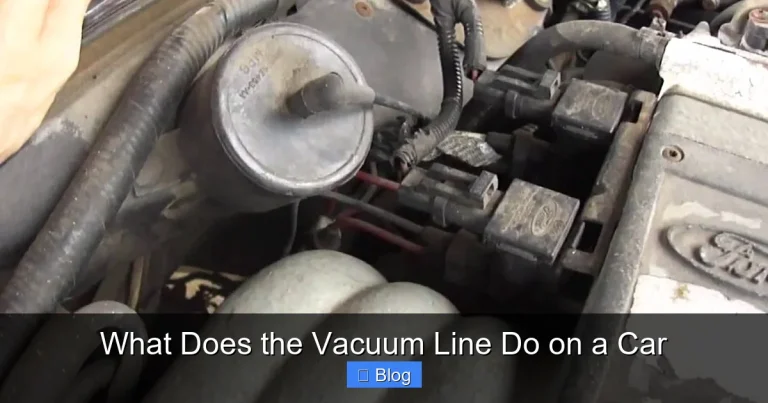
- Vacuum hoses/lines: These are rubber or plastic tubes that carry vacuum pressure to various components.
- Intake manifold: The central component where engine vacuum is generated and distributed.
- PCV valve and hoses: Manages crankcase pressure, preventing oil leaks and reducing emissions.
- Brake booster: A large, round component behind the master cylinder that uses vacuum to assist braking.
- Vacuum solenoids and actuators: Electrically controlled valves or mechanical devices that use vacuum to perform specific functions (e.g., EGR valve operation, variable intake runners).
- Gaskets and O-rings: Sealing surfaces on various components that prevent air from entering or escaping where it shouldn’t.
When any part of this intricate system is compromised, that’s when you might develop a vacuum leak on car.
The Signs and Symptoms of a Vacuum Leak
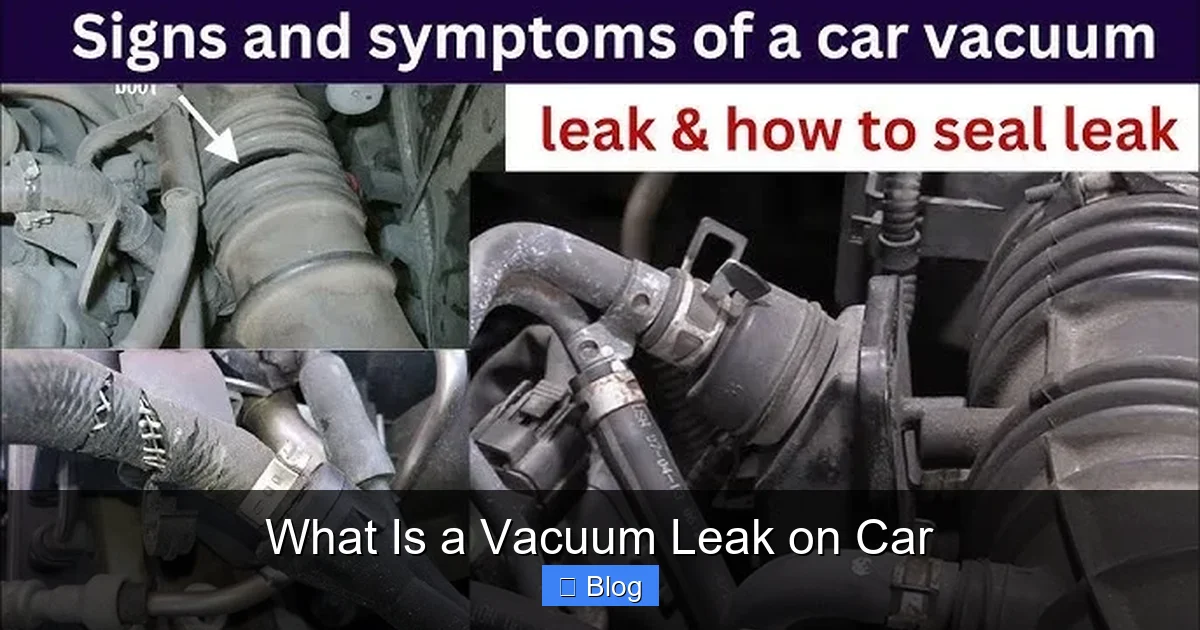
Visual guide about What Is a Vacuum Leak on Car
Image source: automotivian.com
Detecting a vacuum leak on car often starts with noticing changes in your vehicle’s behavior. Because a vacuum leak introduces “unmetered” air (air that hasn’t passed through the mass airflow sensor) into the engine, it throws off the precise air-fuel ratio the engine needs to operate correctly. Here are the most common symptoms:
Rough Idling or Stalling
This is one of the classic signs of a vacuum leak on car. Your engine might feel like it’s struggling to maintain a consistent RPM when you’re stopped. It might surge, dip, or even stall completely. The extra air makes the engine run “lean” (too much air, not enough fuel), which is difficult for the engine’s computer to compensate for at low RPMs.
Check Engine Light (CEL) Illumination
If your car’s computer (ECM/PCM) detects a significant deviation in the air-fuel mixture due to a vacuum leak, it will almost certainly trigger the Check Engine Light. Common diagnostic trouble codes (DTCs) associated with a vacuum leak on car include P0171 (System Too Lean Bank 1) and P0174 (System Too Lean Bank 2). These codes indicate that the engine is running lean on one or both sides.
Poor Fuel Economy
When the engine runs lean, the computer tries to compensate by injecting more fuel to restore the ideal air-fuel ratio. While this helps prevent engine damage, it means your car is consuming more fuel than it should, leading to a noticeable drop in MPG. A vacuum leak on car can slowly drain your wallet at the gas pump.
Hissing Sounds or Whistling Noises
Sometimes, the simplest diagnostic tool is your ears. A vacuum leak on car can create an audible sucking, hissing, or whistling sound, especially when the engine is running. This noise is caused by air being drawn into the system through a small opening. The sound might become more apparent when you rev the engine slightly or when it’s cold.
Engine Performance Issues (Lack of Power, Hesitation)
Beyond idling, a vacuum leak can affect how your car drives. You might experience a noticeable lack of power during acceleration, hesitation when you press the gas pedal, or a general feeling that the engine isn’t running as smoothly or strongly as it used to. This is because the incorrect air-fuel mixture makes it harder for the engine to produce optimal power.
Failed Emissions Test
Because a vacuum leak directly impacts the air-fuel ratio and the efficiency of the combustion process, it can lead to increased emissions. This often results in a failed emissions test, which can be a real headache, especially if you live in an area with strict regulations.
Common Causes of Vacuum Leaks
Visual guide about What Is a Vacuum Leak on Car
Image source: grimmermotors.co.nz
Now that you know the symptoms, let’s explore the culprits behind a vacuum leak on car. Many of these issues are due to wear and tear over time.
Cracked or Dried-Out Vacuum Hoses
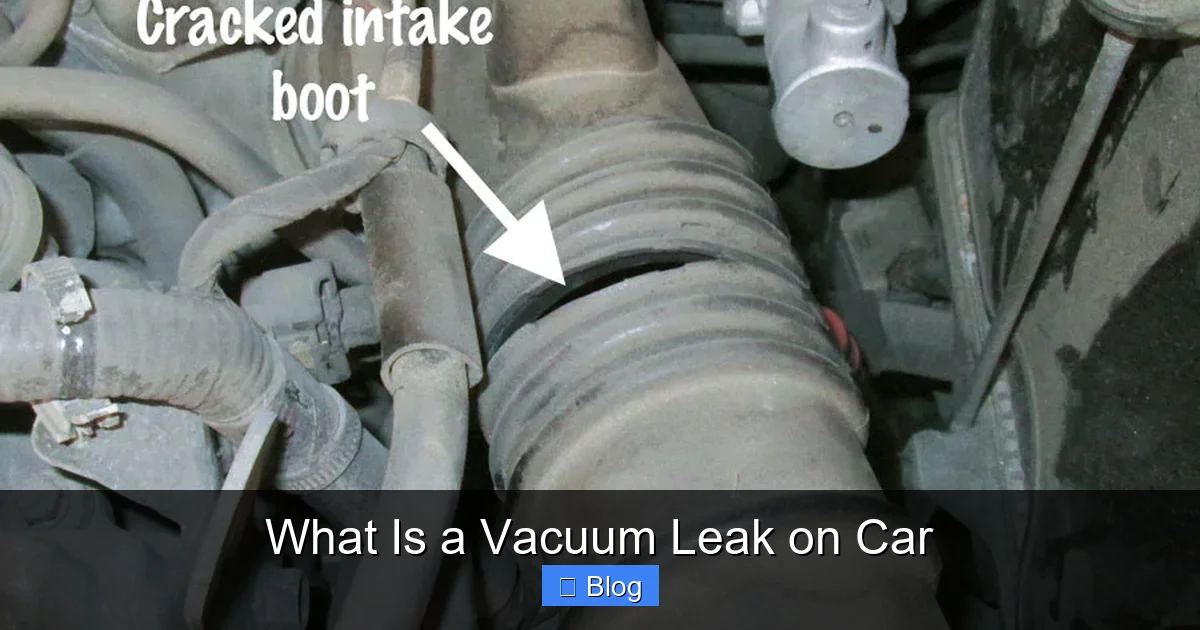
This is perhaps the most frequent cause of a vacuum leak on car. Rubber and plastic vacuum hoses become brittle, hard, and prone to cracking over time, especially with exposure to engine heat and chemicals. Even a tiny crack can allow unmetered air to sneak in.
Failed Gaskets or O-rings
Various components are sealed with gaskets or O-rings. The intake manifold gasket, for instance, seals the intake manifold to the cylinder head. If this gasket deteriorates or becomes brittle, air can leak past it, causing a significant vacuum leak. Other common gasket leak points include throttle body gaskets and fuel injector O-rings.
Leaky Intake Manifold
Beyond the gasket, the intake manifold itself can develop cracks, often due to age, extreme temperature fluctuations, or overtightening during previous repairs. These cracks create pathways for a vacuum leak.
Malfunctioning PCV Valve or Hose
The Positive Crankcase Ventilation (PCV) system manages pressure inside the engine crankcase. A clogged or faulty PCV valve can cause pressure buildup, potentially leading to leaks elsewhere. More commonly, the hose connected to the PCV valve can crack or detach, creating a direct vacuum leak on car.
Brake Booster Leaks
The brake booster relies on engine vacuum to operate. If the diaphragm inside the booster fails or if the large vacuum hose connecting it to the intake manifold develops a leak, it can cause a significant vacuum leak. A telltale sign is a hard brake pedal or a hissing sound when you press the brakes.
EGR Valve Issues
While not always a direct vacuum leak, a faulty EGR (Exhaust Gas Recirculation) valve that sticks open can act similarly, allowing exhaust gases to enter the intake system when they shouldn’t, mimicking some vacuum leak symptoms and causing rough idle or stalling. A faulty vacuum solenoid that controls the EGR valve’s vacuum supply can also cause issues.
Diagnosing a Vacuum Leak: Step-by-Step
Finding a vacuum leak on car can sometimes feel like searching for a needle in a haystack, but with systematic methods, it’s definitely achievable.
Safety First!
Before you begin any diagnostic work, ensure your car is parked on a level surface, the parking brake is engaged, and the engine is off and cool, unless a step specifically requires the engine to be running. Wear appropriate safety gear, like gloves and eye protection.
Listen for Hisses
With the engine running at idle, carefully listen under the hood. Move around, trying to pinpoint the source of any hissing, sucking, or whistling sounds. Sometimes, a very obvious vacuum leak on car will make itself known this way. You can use a mechanic’s stethoscope or a length of rubber hose held to your ear to help narrow down the location.
Visual Inspection
This is your first detailed physical step.
- Check all visible vacuum hoses: Look for any hoses that appear cracked, brittle, disconnected, collapsed, or melted. Follow them from the intake manifold to all their destinations.
- Inspect connections: Ensure all hoses are securely attached to their fittings. Even a loose connection can cause a vacuum leak.
- Examine PCV system components: Check the PCV valve itself and its connecting hoses for damage or blockage.
- Look at intake manifold area: Visually inspect the intake manifold gasket area for any obvious signs of damage or grime buildup, which can sometimes indicate a leak.
- Brake booster hose: Check the large hose leading from the intake manifold to the brake booster for cracks or a loose connection.
The Smoke Test Method
This is arguably the most effective and safest DIY method for finding a vacuum leak on car. A smoke machine (affordable versions are available online) injects non-toxic smoke into the intake system.
- Connect the smoke machine: Typically, you’ll connect it to a vacuum port on the intake manifold or the brake booster vacuum line with the engine off.
- Seal off openings: Block the throttle body intake (where the air filter connects) and exhaust pipe to contain the smoke.
- Introduce smoke: Turn on the smoke machine and watch for plumes of smoke escaping from any cracks, loose connections, or damaged gaskets. This method reveals even tiny leaks.
The Carburetor Cleaner/Propane Test (Use with caution!)
These methods involve introducing a flammable substance near potential leak points. **Always have a fire extinguisher handy and perform in a well-ventilated area.** This test works because when the flammable substance is sucked into a vacuum leak, the engine briefly burns it, causing a temporary change in idle RPM.
- Engine running: With the engine idling, spray short bursts of carburetor cleaner, starting fluid, or unlit propane (from a torch, without igniting it) around suspected vacuum hoses, the intake manifold gasket, and other vacuum components.
- Listen for RPM changes: If the engine’s RPM briefly increases or smooths out, you’ve likely found a vacuum leak on car in that area.
- Safety notes: Be very careful not to spray on hot exhaust components, electrical wires, or directly into the throttle body. Use small bursts. Propane is often preferred over spray chemicals as it leaves no residue.
Using a Scan Tool (OBD-II Codes)
If your Check Engine Light is on, an OBD-II scan tool can provide invaluable information.
- Read codes: Look for codes like P0171, P0174 (System Too Lean Bank 1/2), P0442 (EVAP System Leak Detected – Small), or P0455 (EVAP System Leak Detected – Large). While EVAP codes are for a different system, they involve vacuum and often use similar components.
- Monitor live data: A more advanced scan tool can show “fuel trims” (STFT and LTFT). If your long-term fuel trim (LTFT) is significantly positive (+10% or higher), it strongly indicates the engine is running lean, often due to a vacuum leak on car.
Repairing a Vacuum Leak
Once you’ve identified the source of your vacuum leak on car, the repair is usually straightforward, though the labor involved can vary depending on the location of the leak.
Replacing Hoses and Lines
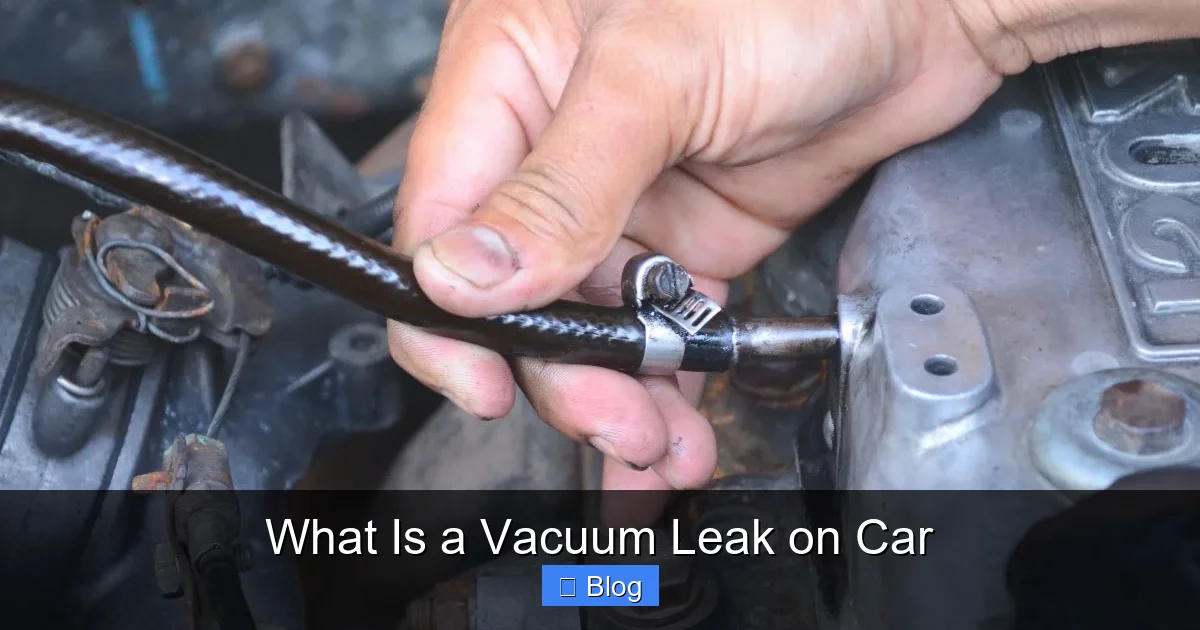
If you find a cracked or brittle vacuum hose, simply cut out the damaged section and replace it with a new piece of vacuum hose of the correct diameter. Ensure the new hose is flexible and fits snugly over the fittings. You can often buy vacuum hose by the foot at auto parts stores.
Replacing Gaskets or O-Rings
For a leaky intake manifold gasket or throttle body gasket, you’ll need to remove the component, clean the mating surfaces thoroughly, and install a new gasket. For fuel injector O-rings, the injectors need to be removed and new O-rings fitted. Always follow manufacturer torque specifications when reinstalling components.
Addressing Intake Manifold Leaks
If the intake manifold itself is cracked, it will likely need to be replaced. In some cases, very small, non-structural cracks might be temporarily sealed with a high-temperature sealant, but replacement is the permanent solution.
Replacing PCV Valve or Brake Booster
A faulty PCV valve is typically an easy screw-in or push-in replacement. A leaking brake booster is a more involved repair, requiring removal of the master cylinder and often access from inside the passenger compartment to disconnect the pedal rod. This might be a job best left to a professional if you’re not comfortable with brake system work.
Preventative Maintenance
Preventing a vacuum leak on car is often simpler than diagnosing one. Regular visual inspections are your best defense.
- Routine checks: Whenever you’re under the hood for an oil change or other maintenance, take a few minutes to visually inspect all accessible vacuum hoses. Gently flex them to check for brittleness.
- Component replacement: If you’re replacing other engine components, it’s often a good idea to inspect and potentially replace nearby vacuum lines, especially if they show signs of age.
- Proper installation: When performing any engine work, ensure all hoses and connections are reinstalled correctly and securely.
Conclusion
A vacuum leak on car might seem like a minor issue, but its effects can range from annoying drivability problems to serious engine damage if left unchecked. By understanding what engine vacuum is, recognizing the symptoms of a leak, and knowing how to diagnose and repair it, you’ll be able to keep your vehicle running smoothly and efficiently for years to come. Don’t let a tiny crack lead to a big headache – empower yourself with the knowledge to address a vacuum leak head-on. Happy driving!